






Bone broth, and whether it deserves the fuss
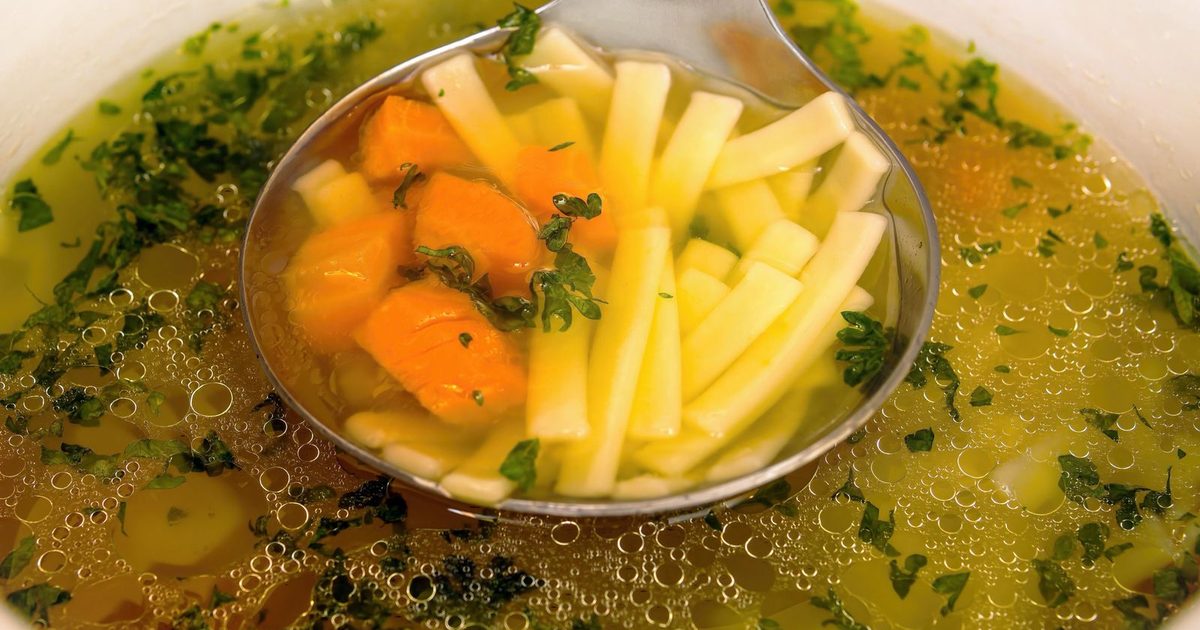
Bone broth sits in an odd spot. Half our customers grew up with a pot of it on the stove and think calling it a wellness product is funny. The other half found it through a podcast and want to know if it will fix their gut. Both groups are partly right, so let us sort out which claims hold up.
What it actually is
Bones and connective tissue, simmered for a long time, usually with a splash of vinegar to help pull minerals out. What you end up with is water carrying gelatin, which is collagen that has broken down, plus the amino acids glycine and proline, some minerals, and a modest amount of protein. Stock is the same idea over a shorter cook and is used for flavour. Broth marketed for drinking is usually cooked far longer, so it is richer and gels when cold.
The collagen claim, said honestly
You will read that drinking collagen rebuilds the collagen in your skin and joints. That is not how digestion works. The gelatin gets broken into amino acids, and your body puts those wherever it likes, which is not necessarily your face. What is genuinely interesting is that glycine, which broth is unusually rich in, is used for all sorts of things and is not abundant in a modern diet built around muscle meat rather than the bony, gristly cuts our grandparents used. So broth is a useful food that supplies something most people are a bit short on. That is a fair claim. Curing anything is not. We took the same look at the powders in does collagen actually work.

Does it need to gel
A broth that sets like jelly in the fridge has plenty of gelatin in it, which usually means good bones and a long cook. It is a reasonable sign of quality, and it is why people get so pleased when their homemade batch wobbles. But do not treat it as a pass or fail. Concentrates are reduced so far that they are thick regardless, and a broth heavy on marrow bones rather than joints can be excellent without setting firm.
Concentrate, powder or a pot on the stove
Concentrate is what most of our regulars settle on. It is a thick paste, you stir a heaped teaspoon into hot water for a mug or straight into a pan for cooking, and it works out cheaper per serve than anything else on the shelf. It lives in the fridge once opened and lasts for ages.
Powder is the convenient one. It goes in a bag for work, dissolves in seconds, and the flavoured ones give you something closer to a savoury drink than a cooking ingredient. It costs more per cup, and the chicken versions in particular are not cheap.
Homemade is by far the best value if you already roast a chicken, because the carcass is free and you were going to bin it. It is also the only version where you know exactly what went in. The catch is twelve hours of a pot on your stove and a kitchen that smells like a kitchen.
How people actually use it
Very few of our customers sit down and drink a bowl of broth. What they do is have a mug at four in the afternoon instead of raiding the biscuits, which works well because it is warm, savoury and has some protein in it. Beyond that, cook your rice or quinoa in it instead of water, use it as the base for any soup, deglaze the pan after you fry something and pour that over your vegetables, or stir a spoonful of concentrate through a bolognese. That last one is how most of the jars in Maroubra actually get finished.
Check the salt
This is the one thing we would tell everybody to look at. Some broths and most concentrates carry a fair bit of sodium, which is exactly why they taste so good. If you are watching your salt for blood pressure or any other reason, read the nutrition panel and note that the per serve figure assumes you use the amount on the label rather than the amount that tastes right. Unsalted versions exist and let you season it yourself.
Two honest notes. Bone broth is a food, not a treatment, and anyone promising it will heal a diagnosed gut condition is overselling it. If you do not eat meat, a good long simmered mushroom and kombu stock gives you the same savoury depth in cooking, and we went through the fungi side of things in our guide to medicinal mushrooms.
Making it yourself, in five lines
Save bones in the freezer until you have two or three kilos, roast them at 200 degrees for forty minutes for colour and flavour, then tip them into a big pot with a roughly chopped onion, a carrot, a couple of bay leaves and two tablespoons of apple cider vinegar. Cover with cold water by a good few centimetres, bring it barely to a simmer and leave it there for eight to twelve hours for chicken or twelve to twenty four for beef, skimming the scum off early. Strain it, cool it fast, and lift the fat cap off the next day or leave it on as a seal. Freeze it in ice cube trays so you can grab one at a time.
What we keep on the shelf
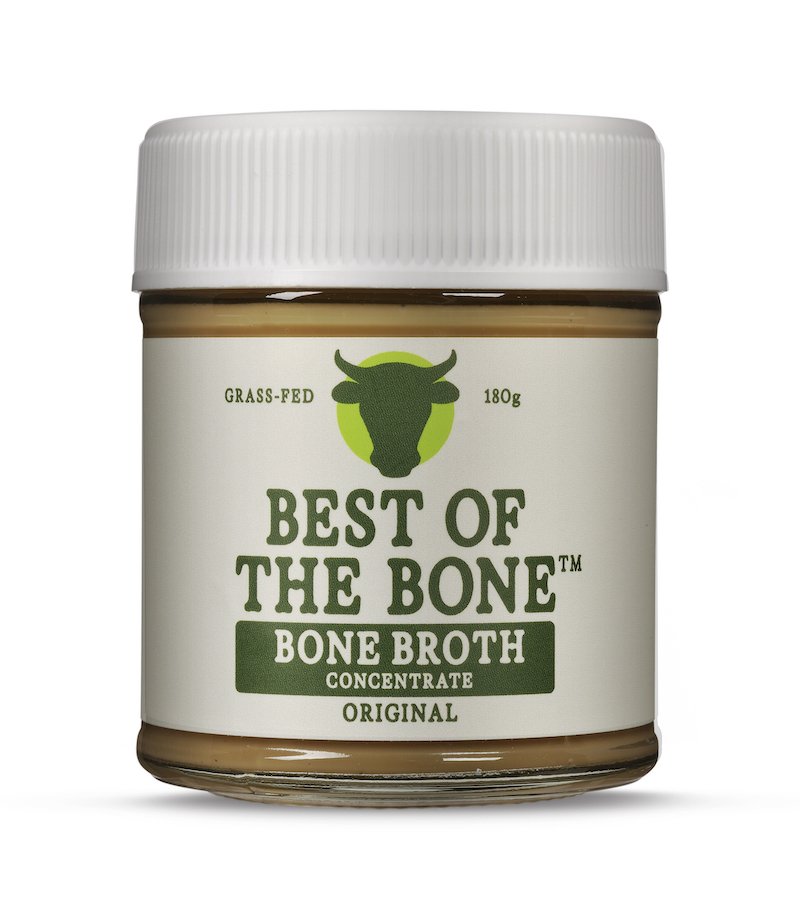
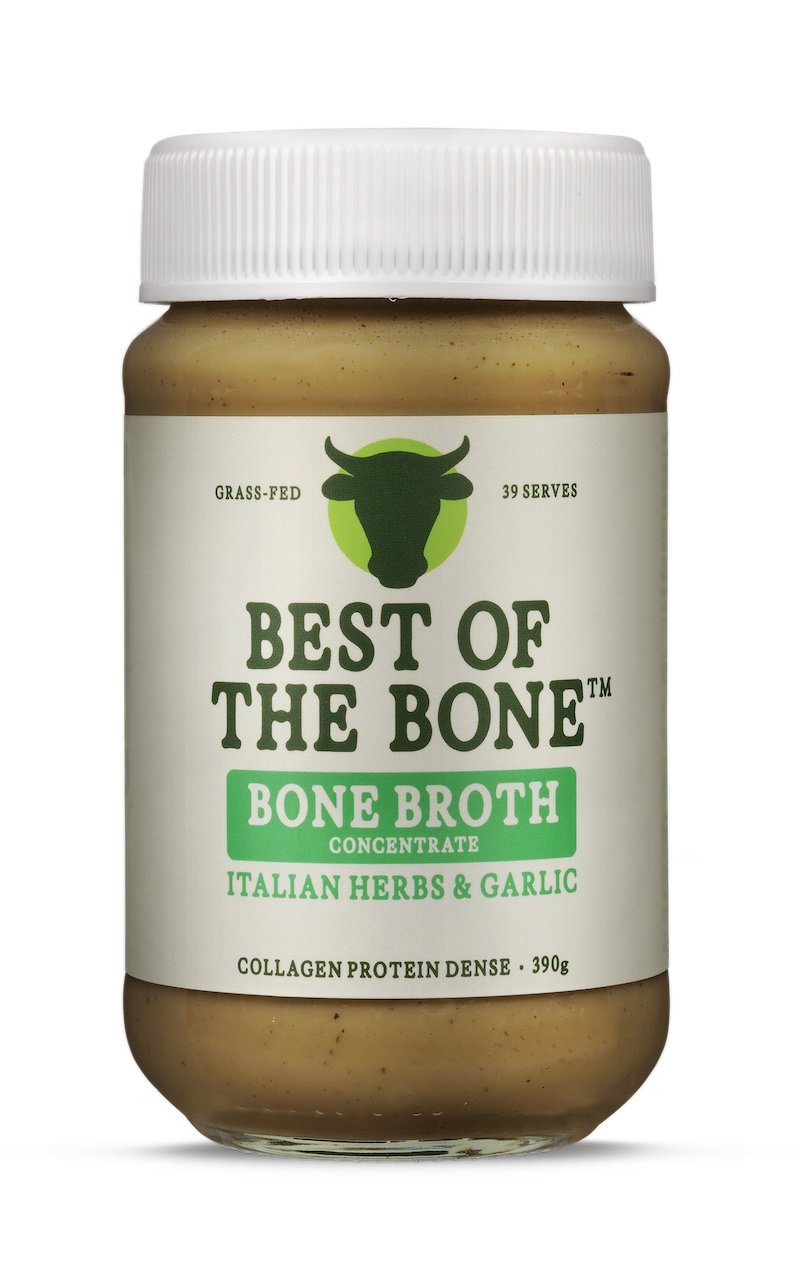
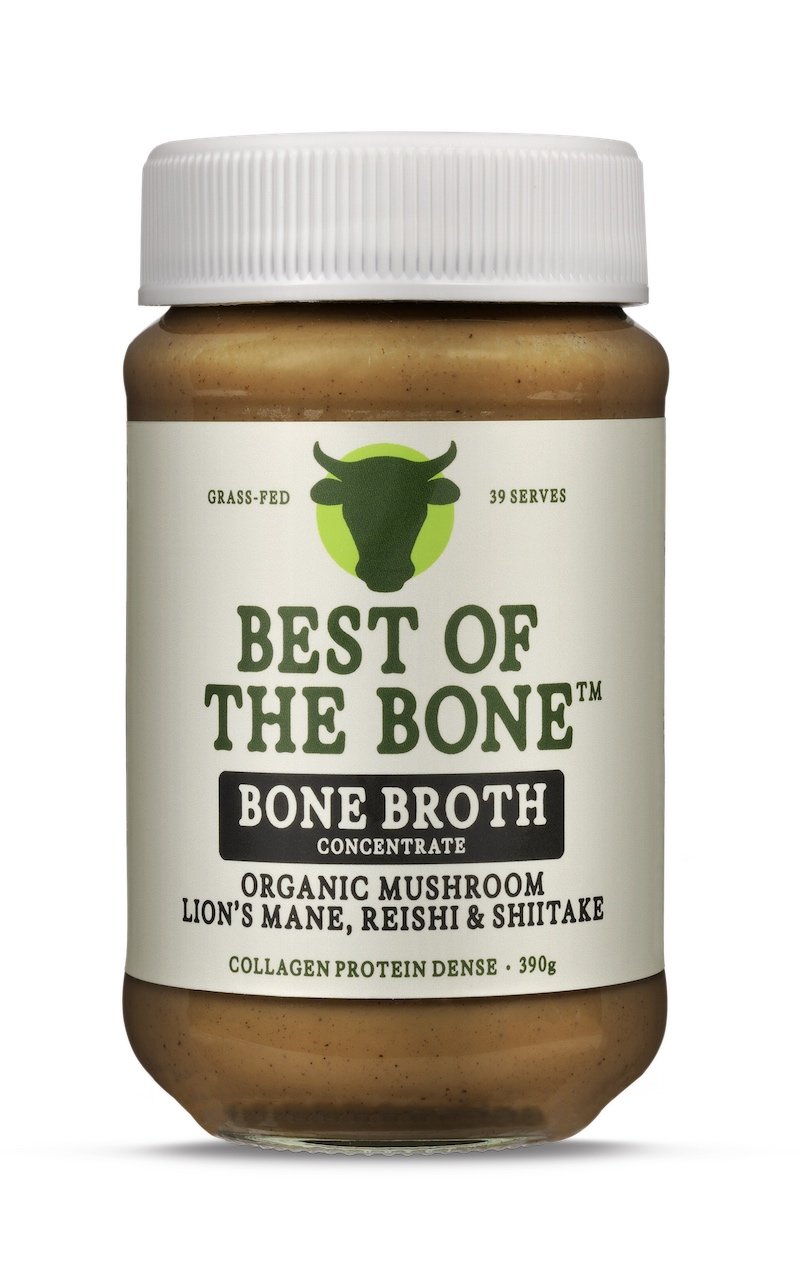
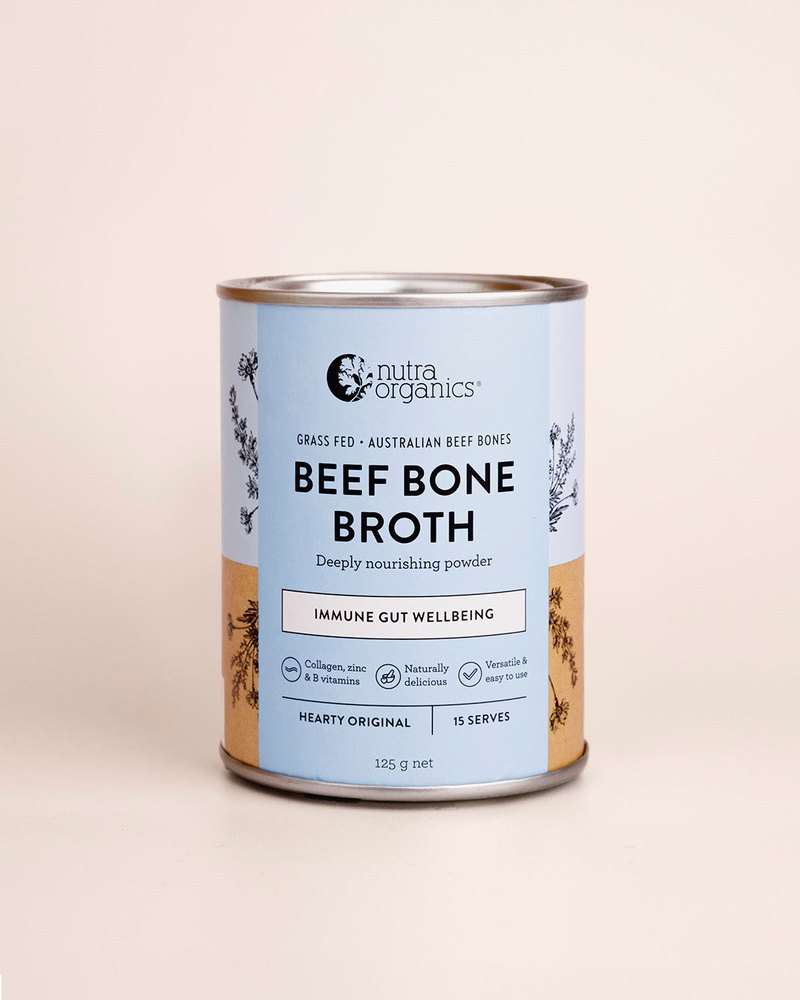
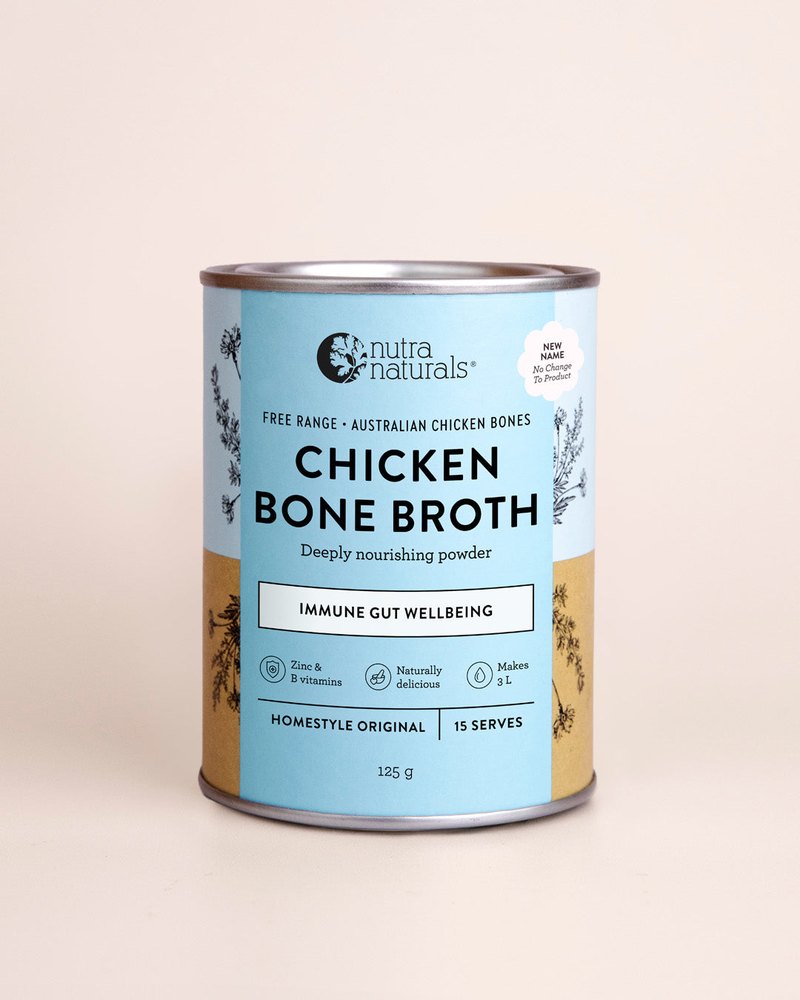
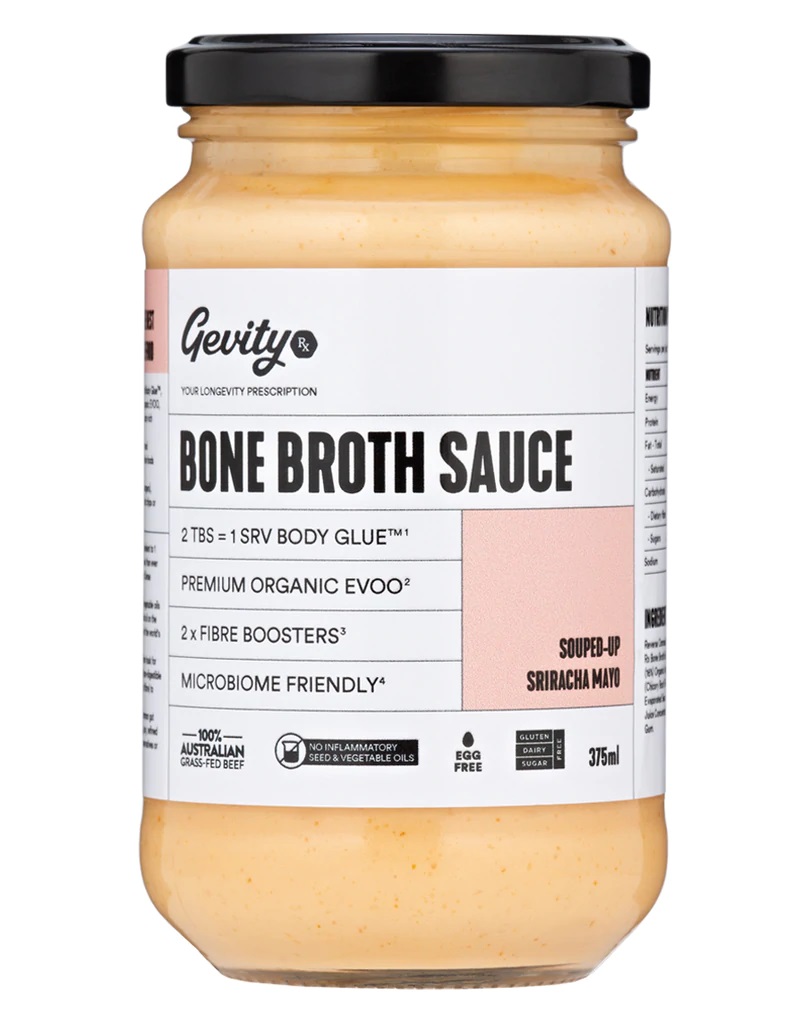
If you have never bought it before, start with a small concentrate rather than a big jar of powder, because it is the cheapest way to find out whether you like it and it is more useful in cooking. The full range sits under Bone Broth & Stock, with the related bits in Gut Health and Collagen. We are at 936 Anzac Parade, Maroubra, open seven days, and there is usually a jar open behind the counter if you want to know what it tastes like first.