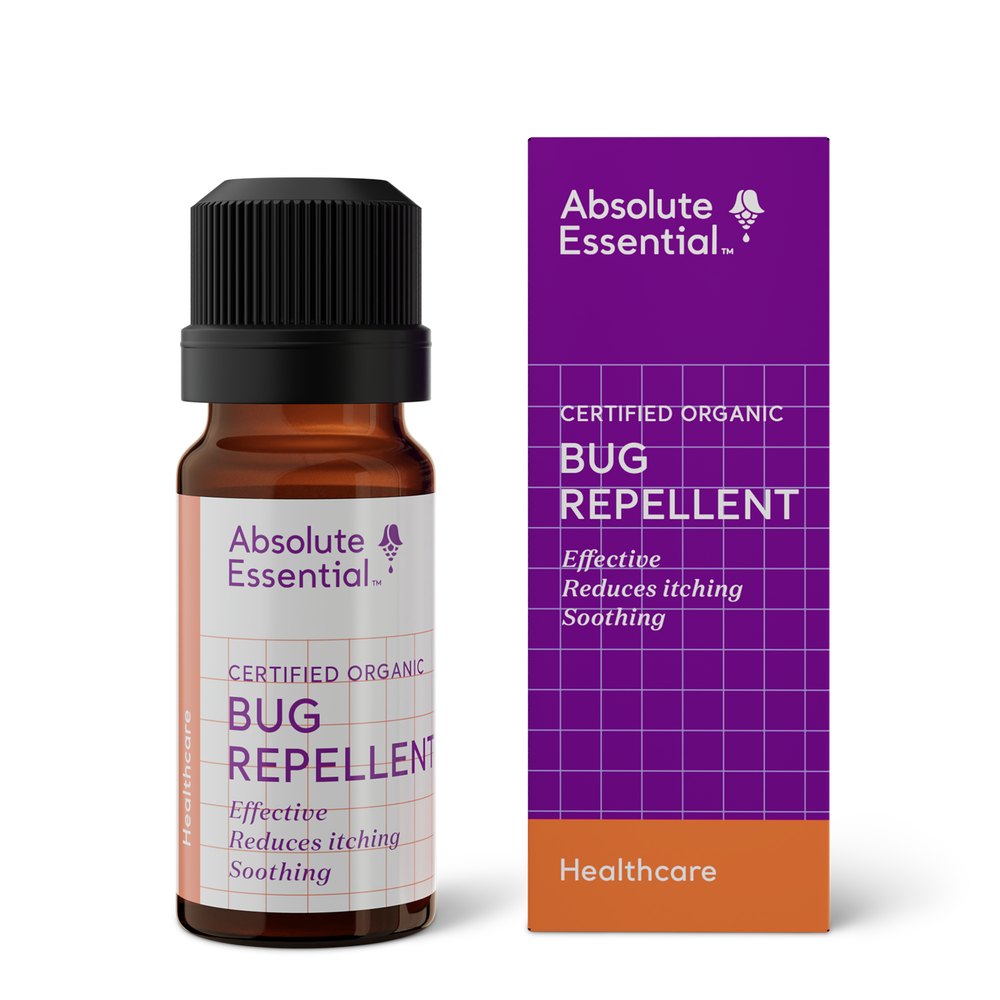
Every year, around the first really warm evening in October, the same thing happens. Someone comes in scratching their ankles, having spent the previous night on the balcony, and asks what we have that works but does not smell like a chemical plant. After a lot of summers behind this counter, and a lot of feedback from customers, here is my honest guide to natural insect repellent in Sydney, including when I think you should reach for something stronger.
Why mozzies love some people more than others
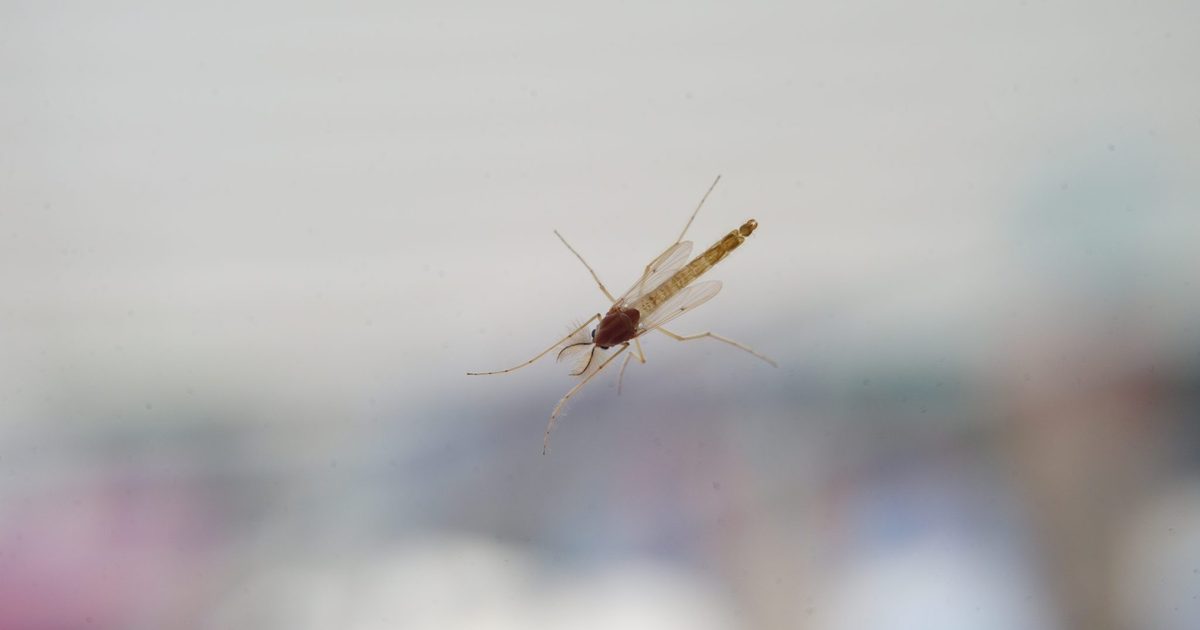
You are not imagining it. Mosquitoes find us mainly by the carbon dioxide we breathe out, body heat and the particular mix of compounds on our skin, which varies a lot from person to person. Bigger bodies, people who have been exercising, and pregnant women tend to get bitten more. Dark clothes help them spot you, and they are most active around dawn and dusk, which is exactly when we all want to be outside in summer.
Do natural repellents actually work
Some do, and some really do not. The strongest natural active by a long way is oil of lemon eucalyptus, or its refined form PMD, which has been shown to give protection in the same ballpark as low strength conventional repellents. Other essential oils like citronella, lemongrass, geranium, cedarwood and tea tree do repel mosquitoes, but for shorter periods, often an hour or two rather than several.
So the honest trade off is this. A good natural repellent works well for the backyard, the park, the beach at sunset and the walk home from the bus. You just need to reapply it more often than a DEET spray, and put it on properly, covering all exposed skin rather than a quick spritz on the wrists. Creams also tend to last longer on skin than sprays, because the oils sit in the base and evaporate more slowly.
Sprays, creams, patches and room sprays
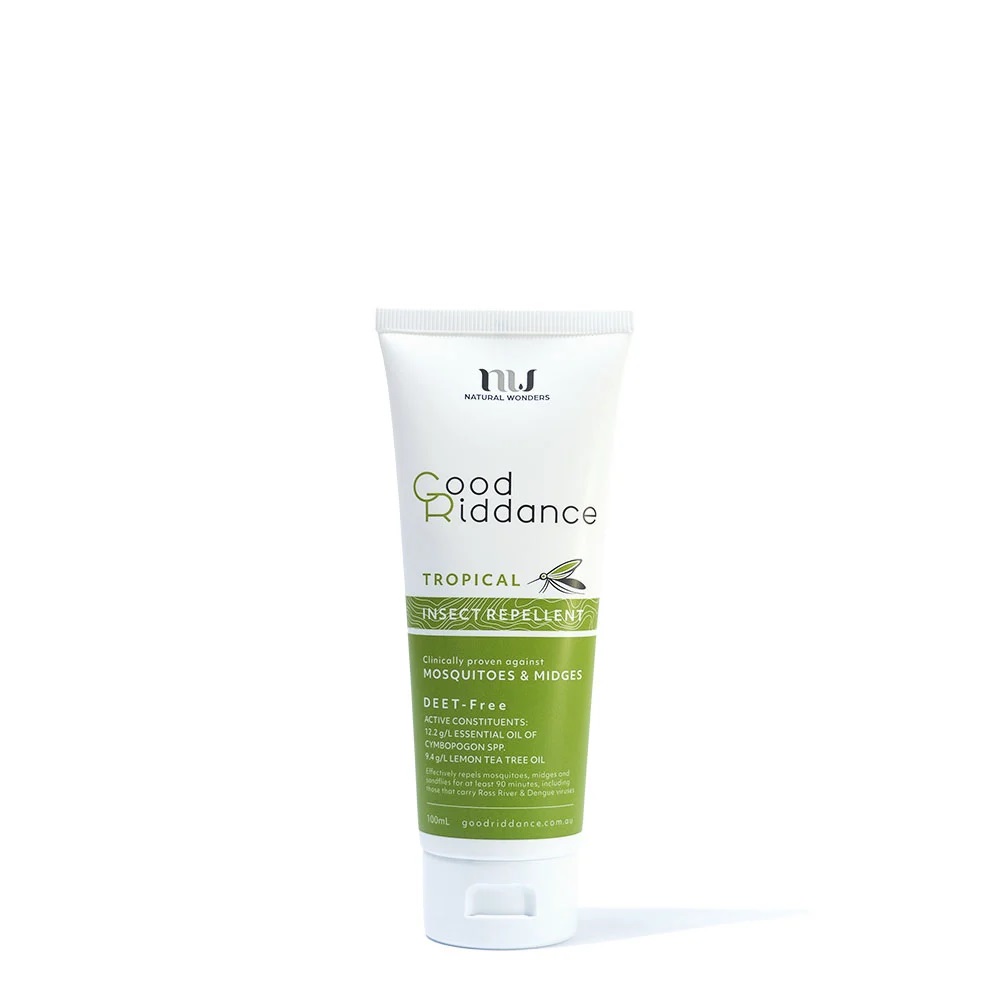
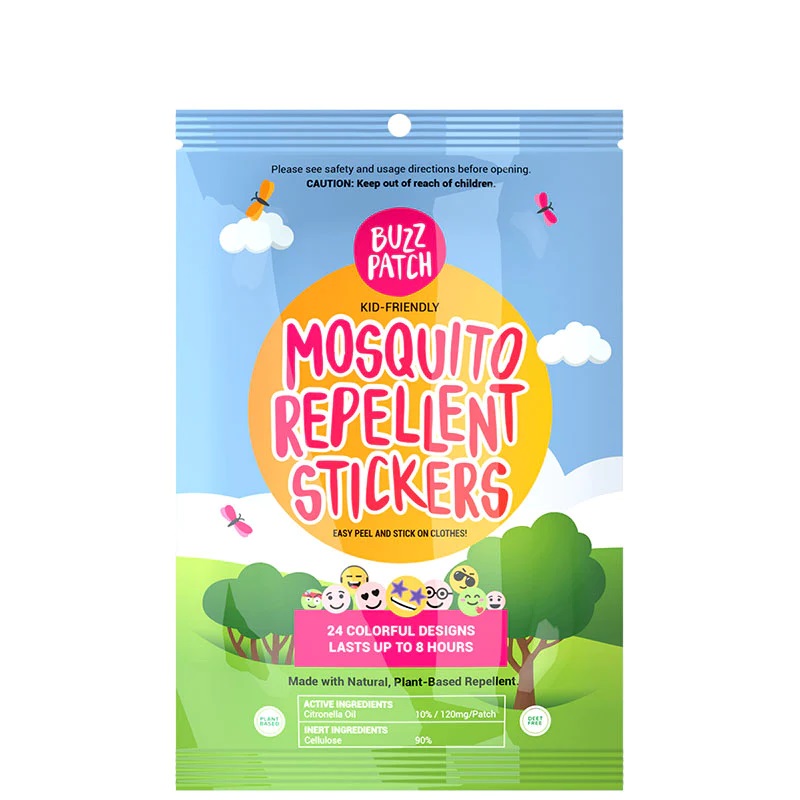
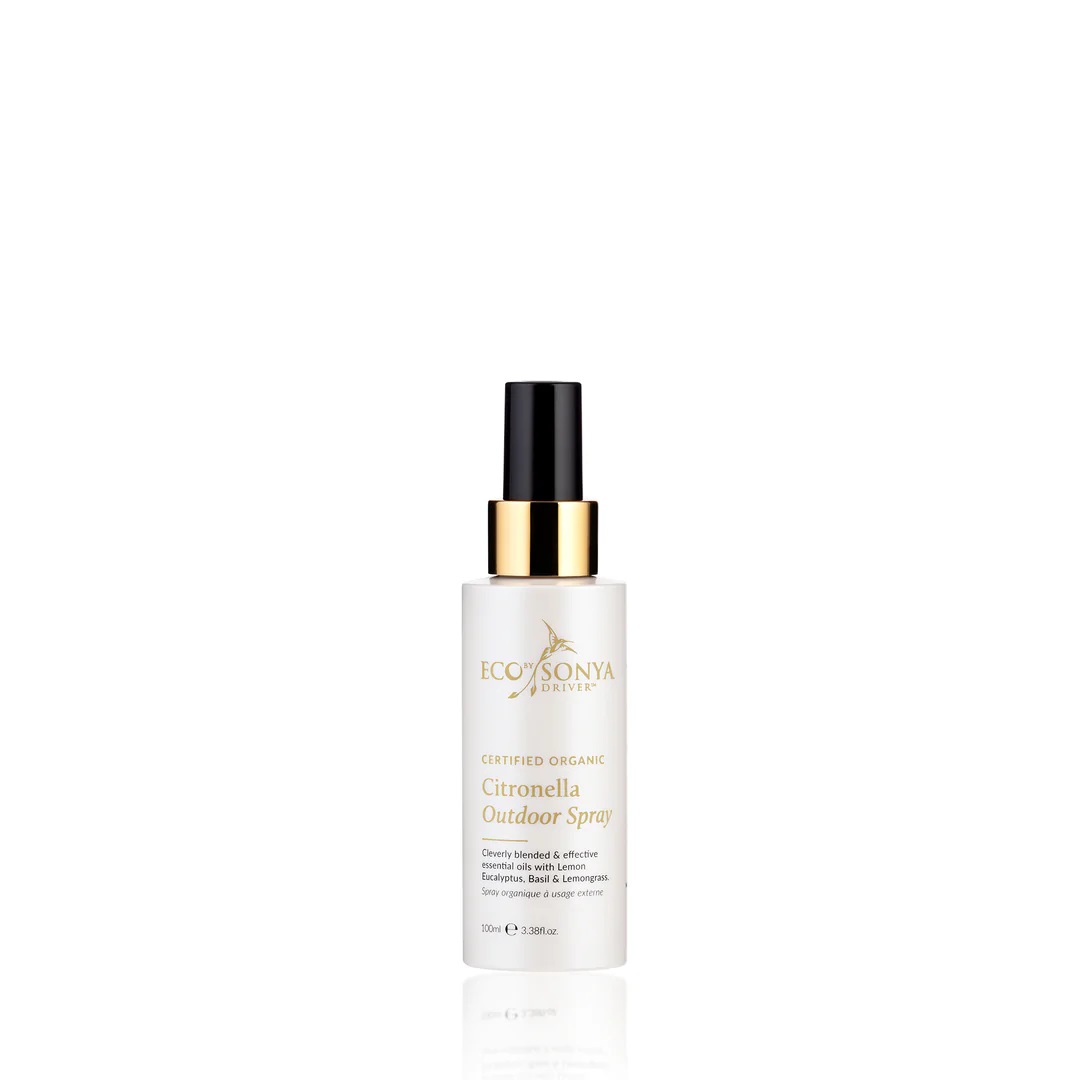
Creams and lotions are my first pick for skin. Good Riddance is an Australian formula that has been tested against local mosquitoes, midges and sandflies, and the tropical one is the strongest we stock. Patches and stickers go on clothes rather than skin and are brilliant for toddlers who will not sit still for a cream, though they protect a smaller zone around where you stick them. Outdoor and room sprays are great for spritzing around a table or over a picnic rug, and they make the air smell lovely, but they are there to back up a skin repellent, not replace it.
If you like making your own, a bug blend of essential oils diluted in a carrier oil at around 2 to 3 percent does the job for short stints outside. Our beginners guide to essential oils covers how to dilute them safely.
Babies, kids and pregnancy
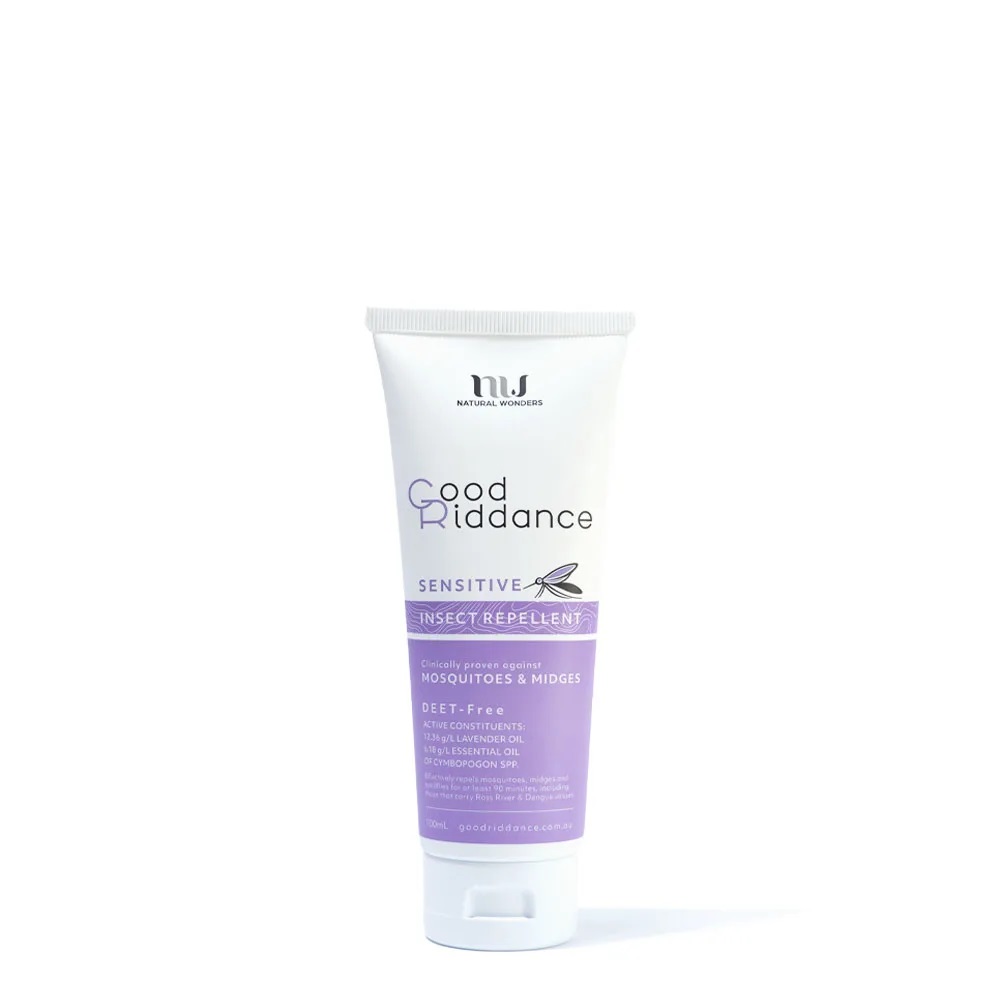
This is the question we get most. For babies under three months, skip repellents on skin altogether and use physical barriers, like a fine mesh net over the pram and light, long, loose clothing. Good Riddance Sensitive is formulated for babies from three months, during pregnancy and for eczema prone skin, which is why it is the one most parents in the area buy from us. For young kids, apply it to your own hands first and then onto them, avoid their hands and face, since those end up in mouths and eyes, and wash it off at bedtime. Patches on clothing are a great extra layer.
When to use something stronger
I am a big fan of natural repellents, but there are times when I would not rely on them. Mosquitoes in parts of New South Wales can carry Ross River virus and other infections, and NSW Health issues warnings most summers, particularly after heavy rain and flooding. If there is a local alert, if you are camping near wetlands, or you are travelling somewhere with dengue or malaria, follow the health advice and use a repellent with DEET, picaridin or oil of lemon eucalyptus at the strength they recommend. Natural is great, but not getting sick is better.
Around the house
Tip out anything holding water once a week, including pot plant saucers, buckets, kids toys and blocked gutters, because that is where mozzies breed. A fan on the deck is surprisingly effective, as they are weak fliers. Screens on windows and doors do more than any candle. And yes, citronella candles help a little, but only if you are sitting right next to one with no breeze.
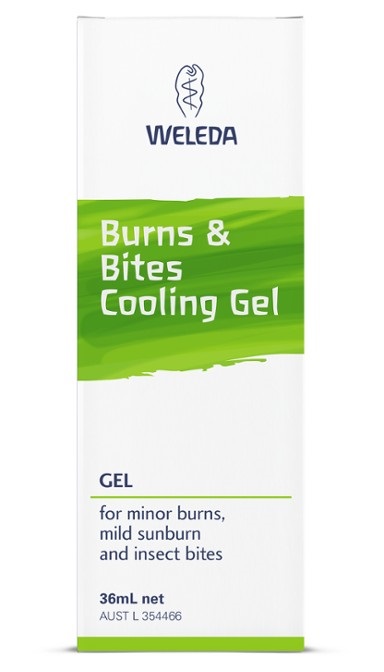
Once you have been bitten, try not to scratch, as broken skin can get infected. A cold compress, a dab of aloe vera or a herbal bite gel helps calm the itch. If a bite becomes hot, swollen and spreading, or you develop fever, joint pain or a rash in the days after being bitten, see your GP. And since this is the time of year you are outside most, it is worth pairing your repellent with a proper sunscreen, which we covered in how to choose a natural sunscreen.
What we keep on the shelf
My summer kit is simple. A tube of Good Riddance in the beach bag, stickers for the kids, a citronella spray on the outdoor table and something soothing for the bites that get through anyway. You will find all of it under Summer Essentials and Outdoor. We are at 936 Anzac Parade, Maroubra, open seven days, a short walk from the beach, so we know a thing or two about mozzies at sunset.