If you had told me three years ago that the most asked about thing in the shop would be a sticky black tar that comes out of rock in the Himalayas, I would have laughed. But here we are. Shilajit went from a word only our Ayurvedic customers knew to something people come in asking for by name after seeing it all over their feeds. So here is what it is, what it probably does and does not do, and the one thing I would check before buying any of it.
So what actually is it
Shilajit is a resin that seeps out of cracks in high mountain rock, mostly in the Himalayas and the Altai, when the sun warms the cliffs over summer. It forms over a very long time as plant matter breaks down and gets pressed into the rock, so what comes out is a dense, dark, bitter substance loaded with minerals and organic compounds. The one that gets talked about most is fulvic acid, which makes up a good chunk of it, along with humic substances and a long list of trace minerals.
It has been part of Ayurvedic practice for a very long time, where it is treated as a rasayana, a rejuvenating tonic taken over weeks and months rather than something you feel the moment you swallow it. That framing is worth holding onto, because it is the opposite of how it gets sold online.
What the research says, honestly
There is real research on shilajit, but it is small. A handful of human trials have looked at purified shilajit for things like energy and fatigue, men's hormone levels and recovery after exercise, and some of those results were encouraging. They were also short, with modest numbers of people, and often funded by the companies making the extract. Most of the bigger claims you will read, about memory, ageing and so on, come from lab and animal work that has not been shown to translate to people yet.
So my honest summary is this. Shilajit is a traditional tonic with some promising early evidence, and plenty of our regulars say they notice steadier energy after a few weeks. It is not a miracle and it is not a replacement for sleep, food and moving your body. If a label promises to fix everything, put it back.

Resin, drops, capsules or gummies
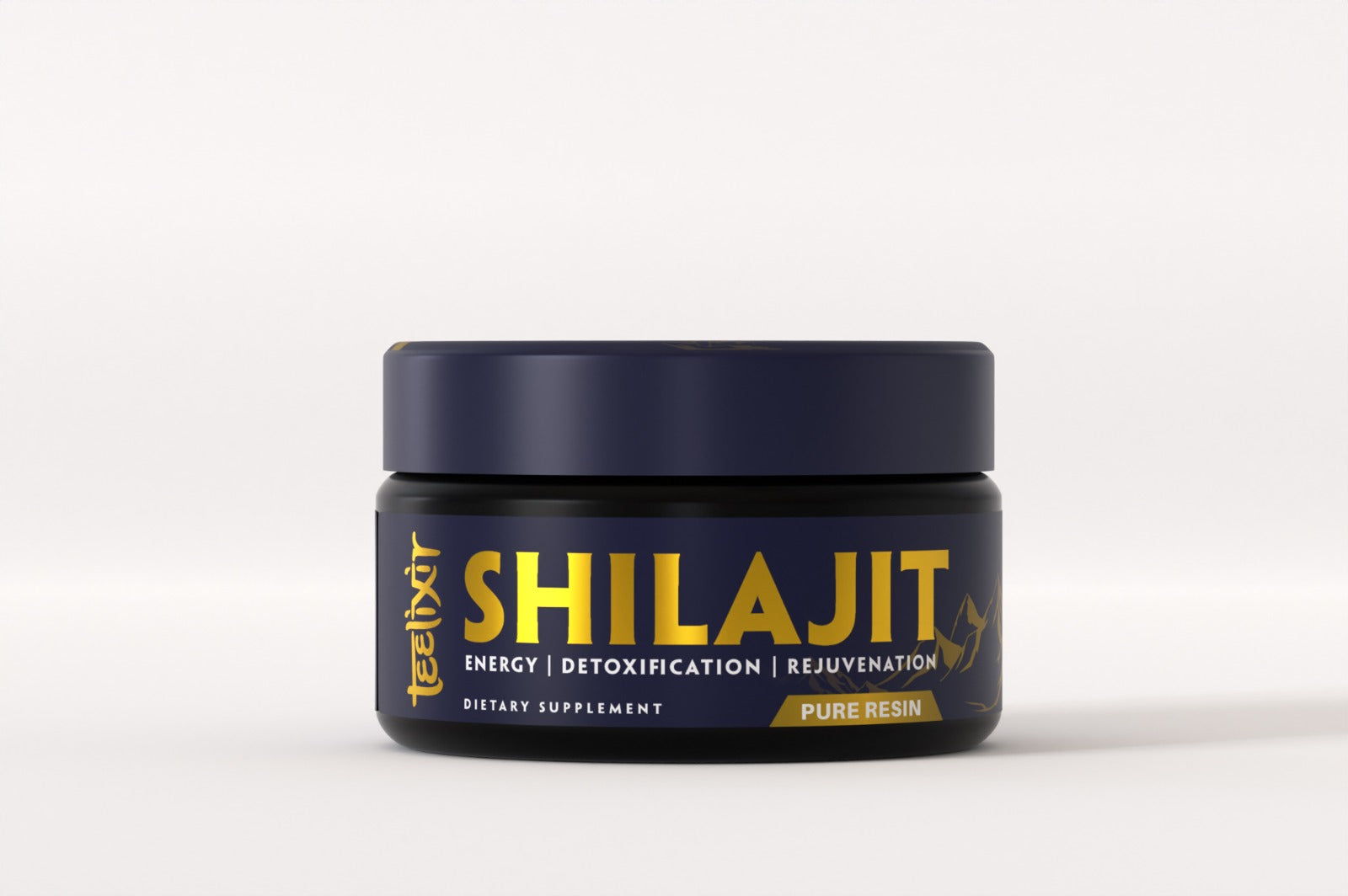
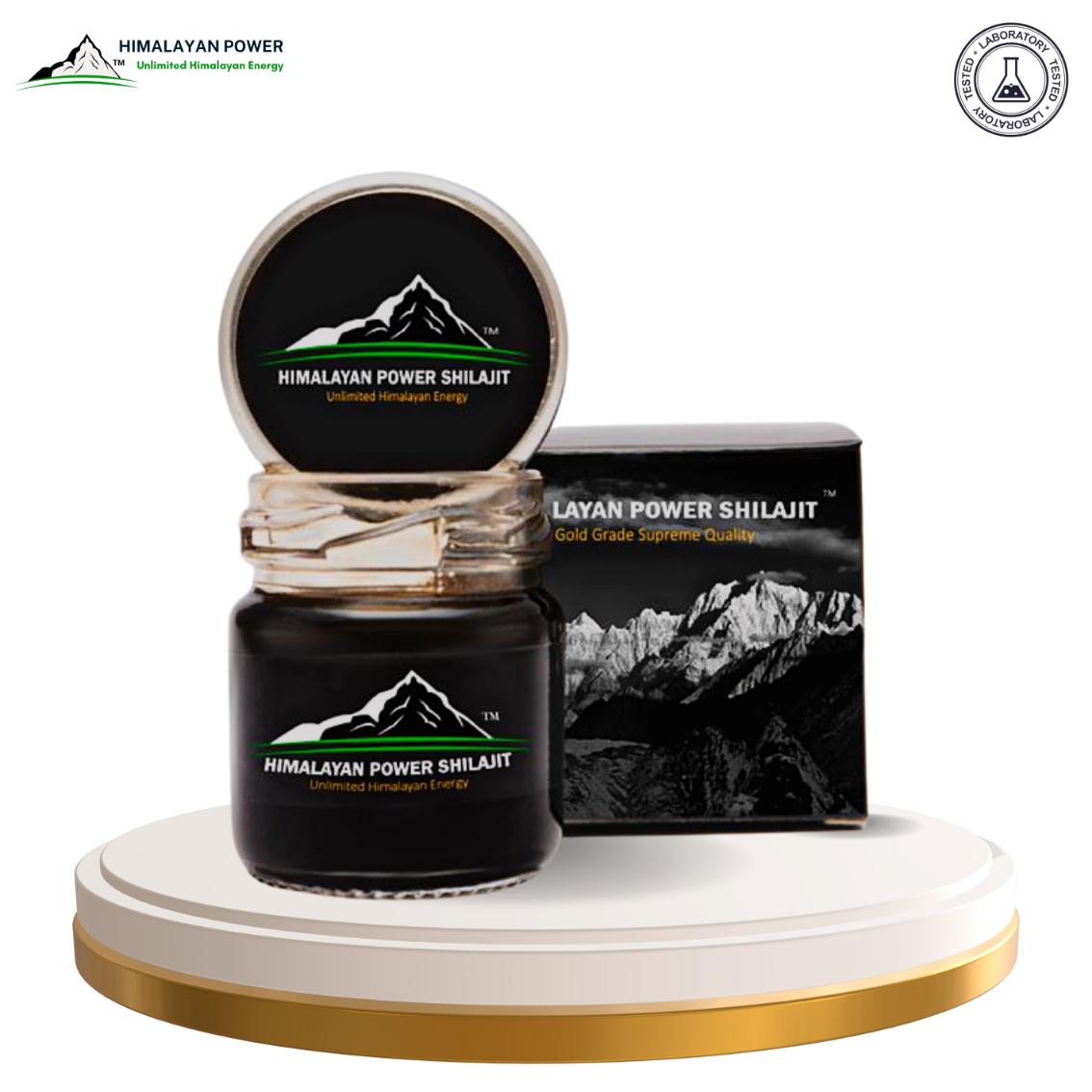
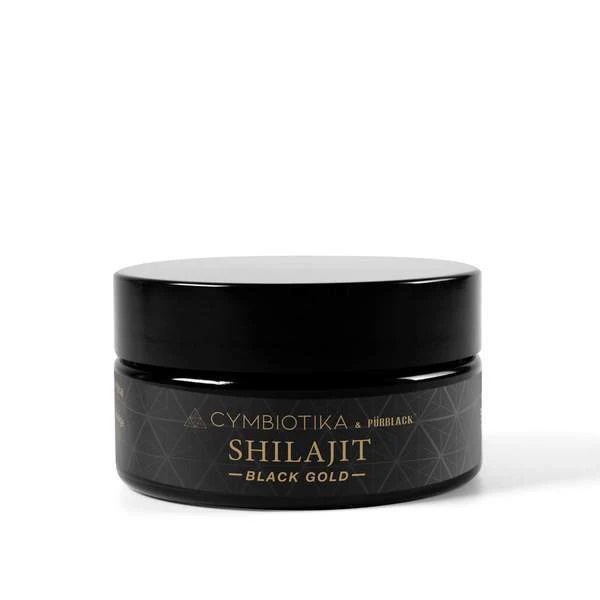
Resin is the traditional form and the one most people start with. It looks like a tub of black toffee. You scoop out a piece about the size of a grain of rice or a small pea, stir it into warm water, tea or warm milk until it melts, and drink it. It tastes earthy, smoky and quite bitter, a bit like very strong black tea with a mineral edge. Some people love it. Most people get used to it.
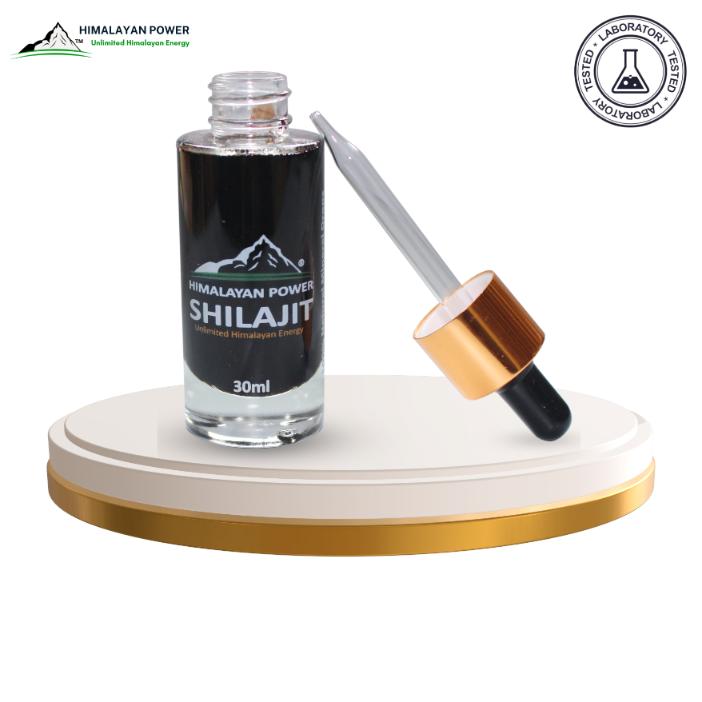
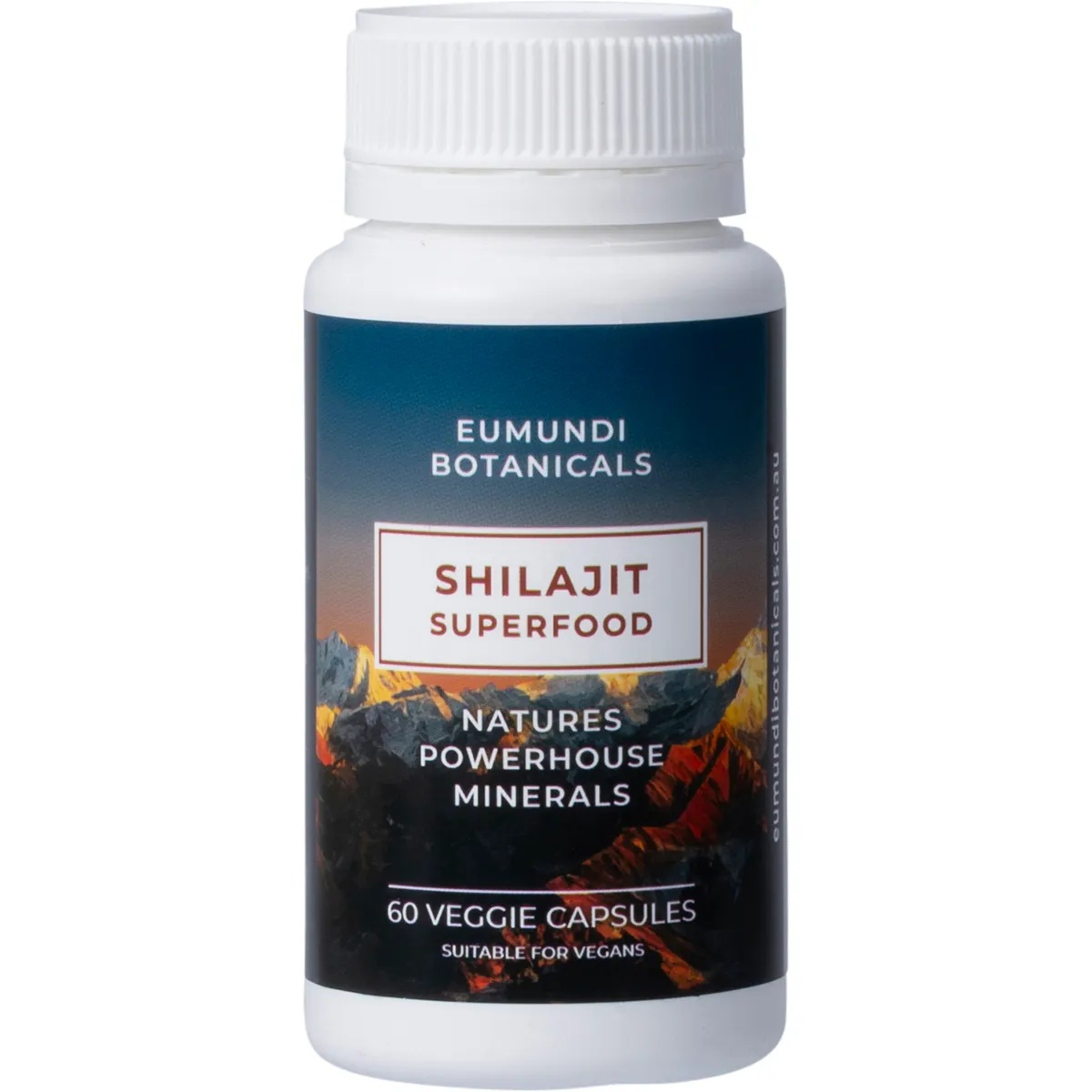
Liquid drops are the same idea already dissolved, so you can measure a dose without fiddling with a sticky spoon. Capsules are for anyone who cannot face the taste, and they make the dose completely consistent. Gummies are the easiest of all but usually carry much less shilajit per serve, so check the milligrams on the back before you compare prices.
If you are new to it, I would start with resin or drops at a small dose for a couple of weeks, see how you feel, then decide if you want to keep going.
How much, and when
Most purified resins suggest somewhere around 250 to 500mg a day, which is roughly that grain of rice to pea sized piece. Start at the low end. Plenty of people take it in the morning with a warm drink because they find it gives them a steady lift, and a few find it a bit too stimulating to take late in the day. Keep the tub sealed, somewhere cool and dry, and if it goes hard in winter just sit the spoon in warm water for a minute.
It sits comfortably alongside the other adaptogens, and if you are building a morning routine around them it is worth reading our plain English guide to ashwagandha and the rest of the adaptogens, and the one on medicinal mushrooms, since lion's mane and cordyceps often end up in the same cup.
The one thing to check before you buy
Raw shilajit straight off a rock can contain heavy metals, fungal toxins and all sorts of rubbish, which is exactly why it needs to be purified. It is also one of the most faked supplements in the world right now, and cheap online resins have been caught out as mostly filler. So the thing that matters most is not the altitude on the label or how shiny the resin looks. It is whether the brand can show you independent lab testing for heavy metals and purity on a batch basis.
Every shilajit we stock has been through that check, and we will happily show you what each brand provides if you ask at the counter. If a seller cannot tell you how their product is tested, that tells you what you need to know.
Please be sensible with this one. Shilajit is not recommended during pregnancy or breastfeeding, and because it is naturally high in iron it is not suitable for people with haemochromatosis or high iron levels. If you have gout, a heart condition, take blood pressure or diabetes medication, or have any ongoing health condition, check with your GP or pharmacist before you start. And never buy raw, unpurified shilajit.
What we keep on the shelf
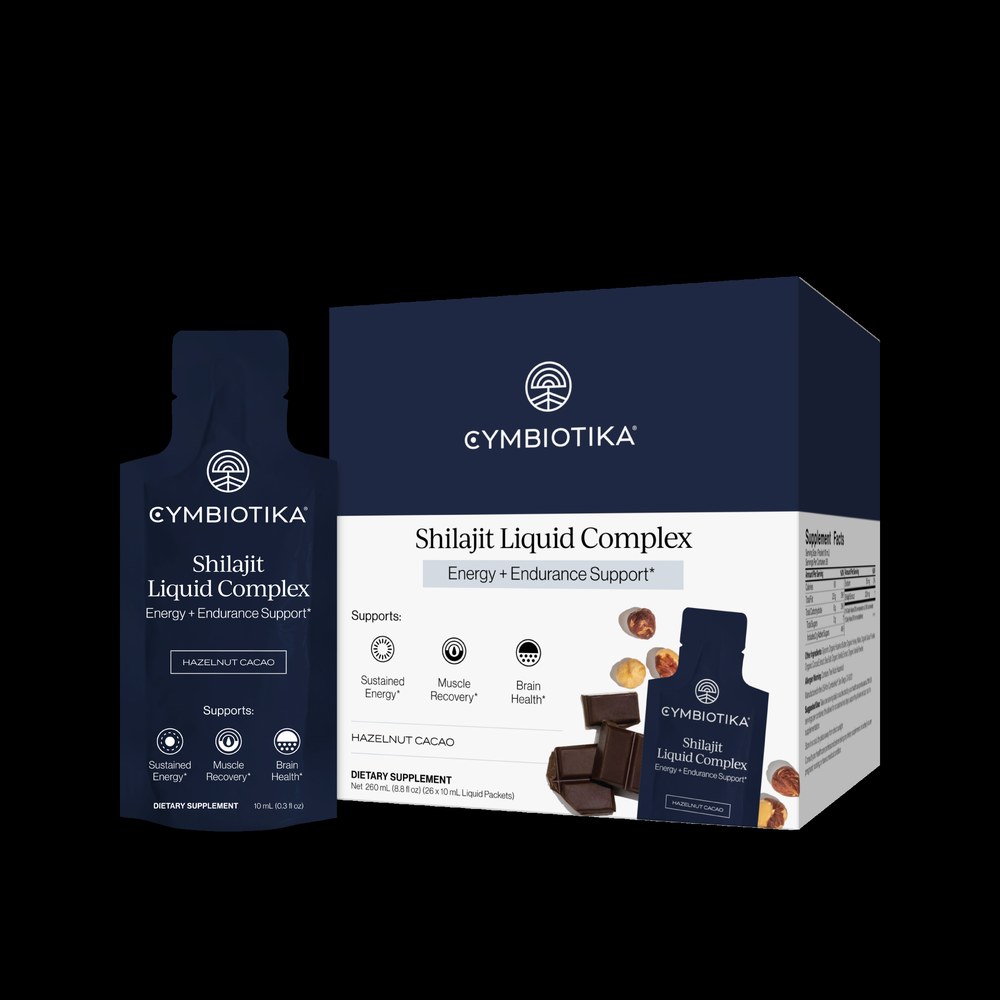
If you want a single place to start, the Teelixir resin is a good honest one, and the Cymbiotika liquid sachet is a cheap way to find out whether you like it at all before you buy a whole tub. The rest of our range sits under Superfoods and Minerals. We are at 936 Anzac Parade, Maroubra, open seven days, and there is always someone around who has tried every one of these and will tell you what they really thought.