Manuka honey is the one behind the counter that makes people do a double take at the price. A jar can cost more than a bottle of decent wine, and the numbers on the front, MGO this and UMF that, do not make it obvious why. Here is what you are actually paying for, and how to pick a jar without overspending.
What makes manuka different
Manuka honey comes from bees working the manuka bush, which grows across Australia and New Zealand. Ordinary honey is lovely, but manuka carries a natural compound that regular honey has very little of, and that compound is what all the fuss and all the testing is about. The more of it a jar has, the stronger and the pricier the honey.
MGO and UMF, decoded
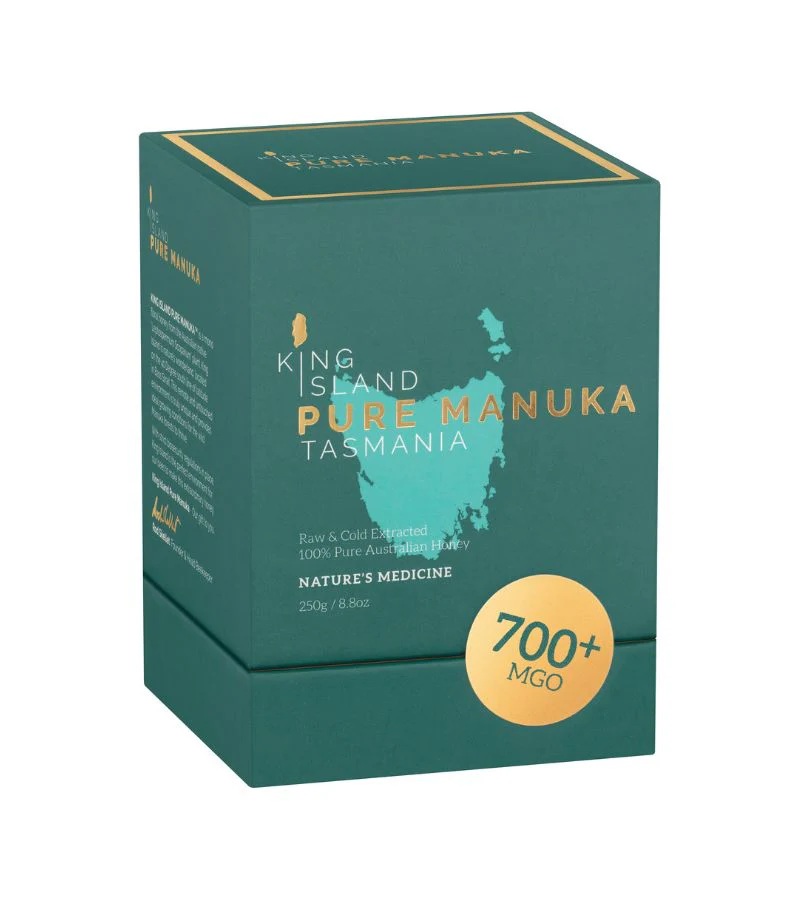
MGO stands for methylglyoxal, and the number is simply how much of that active compound is in the honey, measured in milligrams per kilo. Bigger number, stronger honey. UMF is a slightly different grading system that checks a few markers at once, and as a rough translation UMF 10+ is around MGO 260, UMF 15+ is around MGO 500, and UMF 20+ is around MGO 700. Both are legitimate. The important thing is that there is a tested number on the jar at all, because honey simply labelled manuka with no grade tells you very little.
A quick note on babies. Honey of any kind, manuka included, should never be given to a child under twelve months because of the risk of infant botulism. And while manuka is lovely stuff, it is still sugar, so it is a spoonful for a sore throat, not something to eat by the jar.
Which grade do you actually need
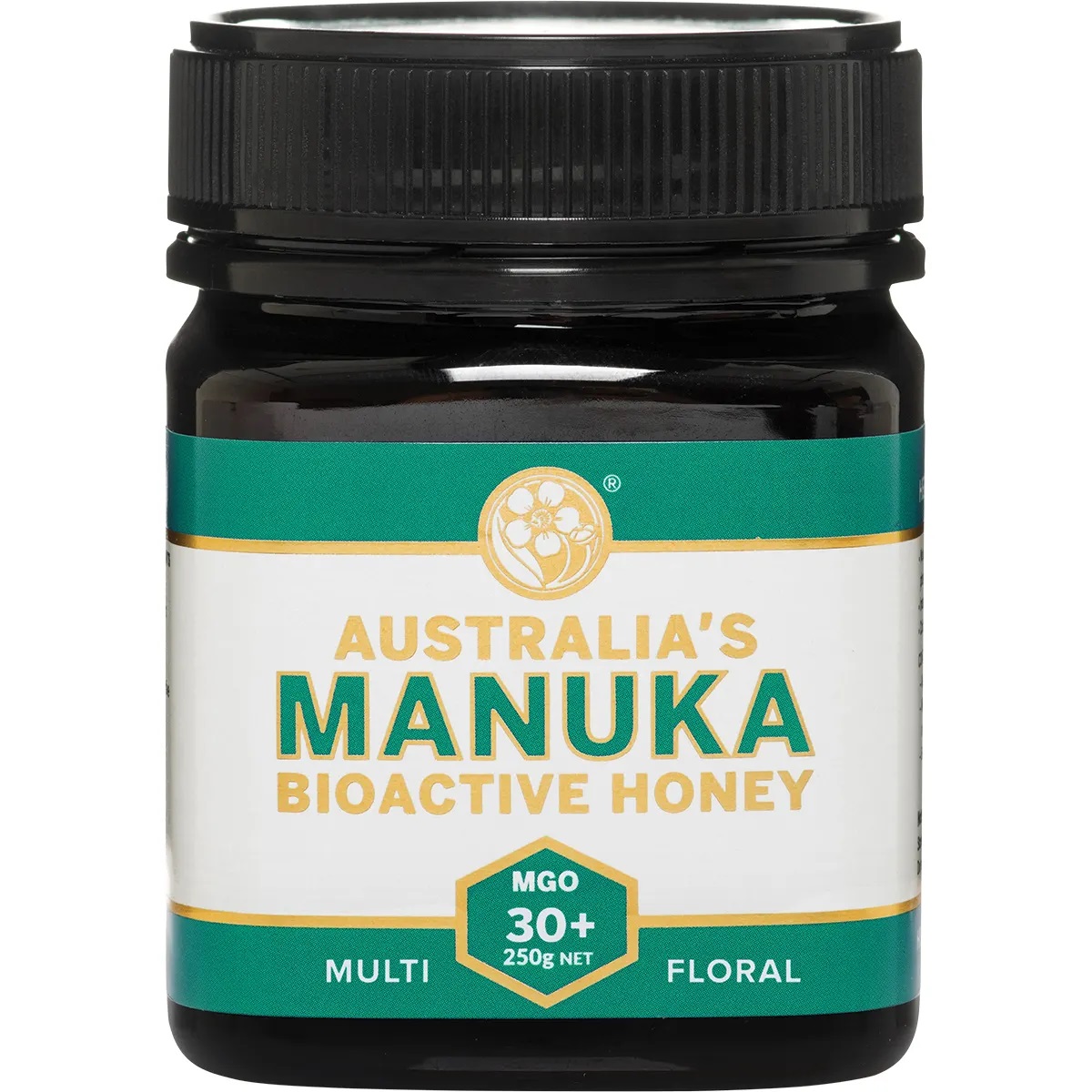
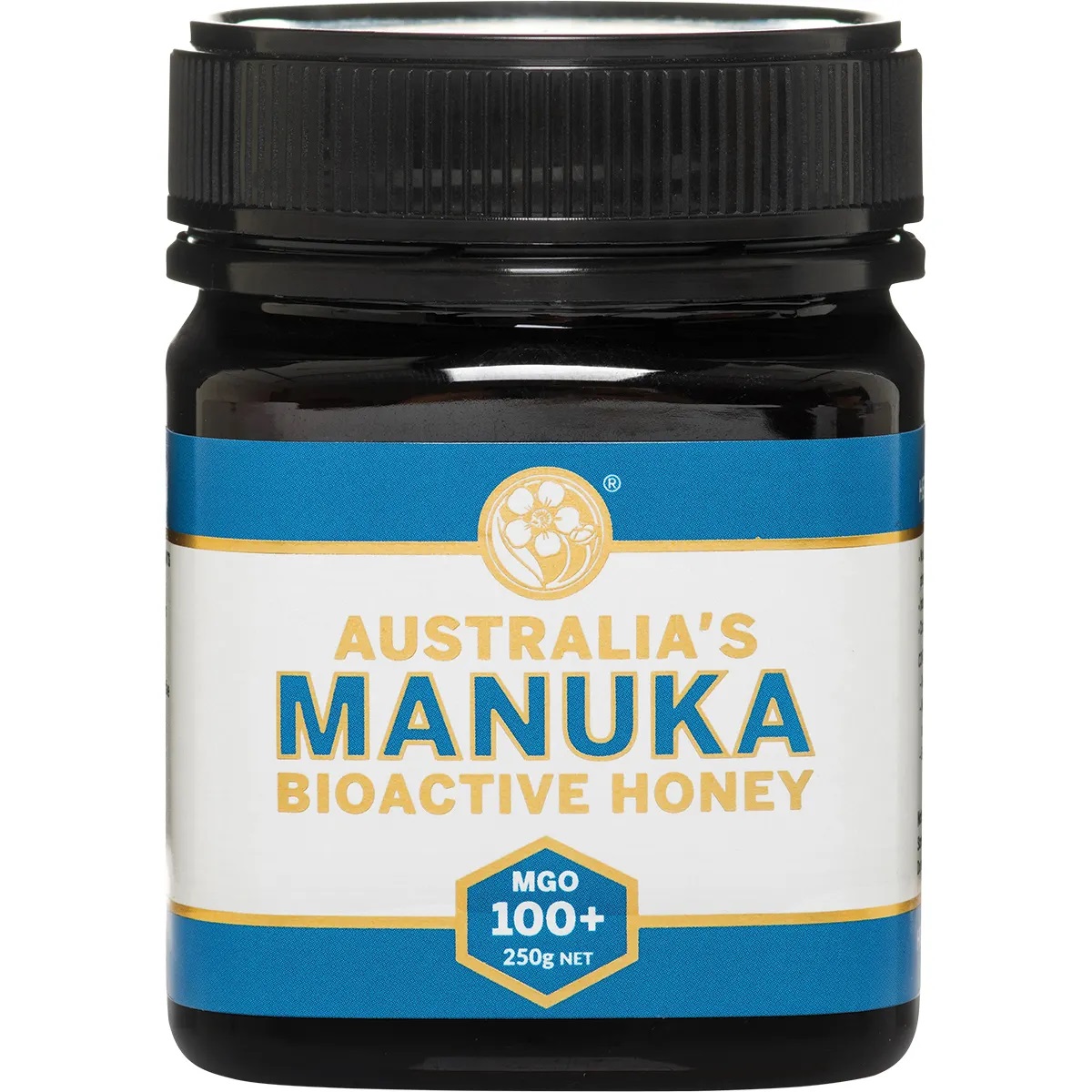
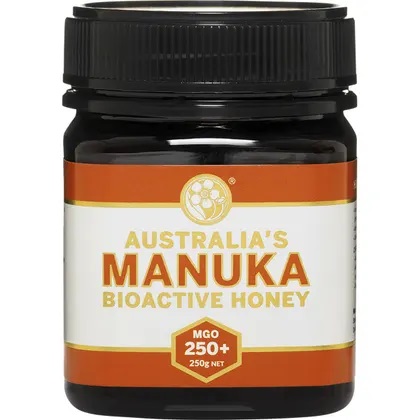
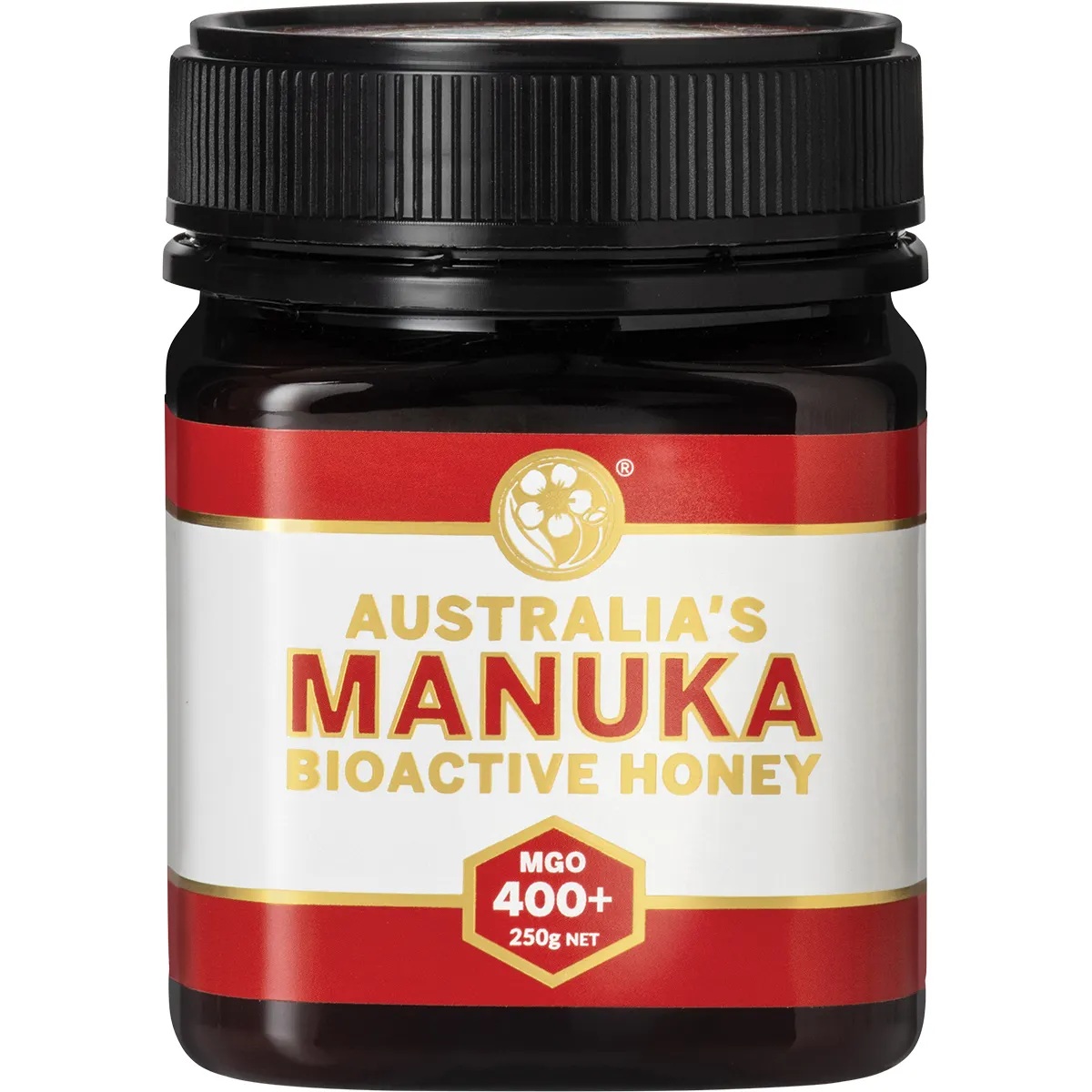
You do not need the 700 for your morning toast. A rough guide. A low grade around MGO 30 to 100 is your everyday eating honey, a nicer than usual honey for tea and toast. A middle grade around MGO 250 is the popular sweet spot, the one most people keep in the cupboard for a scratchy throat or a run down week. A high grade of MGO 400 and up is the one you reach for when you are actually unwell, or when you want it for the skin. Spending up to the 700 for daily toast is lovely but it is money you do not need to spend.
What we stock
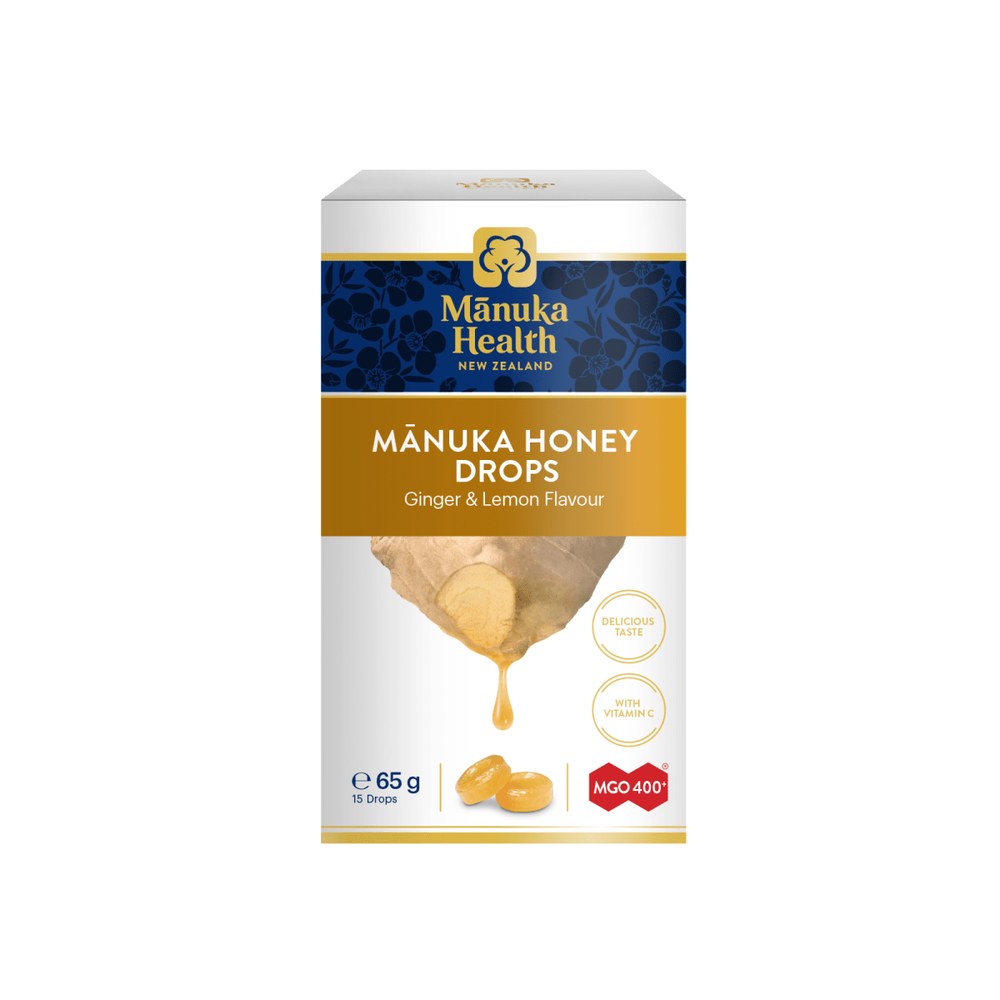
We carry the ladder from a gentle MGO 30 all the way up to a serious King Island 700, so you can match the jar to the job rather than guessing. If you want the benefits in a handbag friendly form, the honey drops are manuka in a lozenge, handy for a dry throat on the go.
Getting your money's worth
Store it in the cupboard, not the fridge, and use a clean dry spoon so you do not introduce moisture. For a sore throat let a spoonful melt slowly rather than stirring it into boiling tea, since very high heat is not kind to the delicate stuff. And buy the grade you will actually use, because the best jar of manuka is the one that does not sit at the back of the shelf.
The full range is under Superfoods, and if you would rather talk it through with a person we are at 936 Anzac Parade, Maroubra, open seven days.