





A plastic free bathroom, one swap at a time
The bathroom is one of the easiest rooms in the house to cut plastic from. Most of what we use there comes in a bottle or tube that is used up in weeks, and many of those containers are hard to recycle because of pumps, caps and mixed materials. You do not need to change everything at once. Start with the item you run out of next, swap it for a plastic free version, and build from there. These are the swaps that tend to stick.
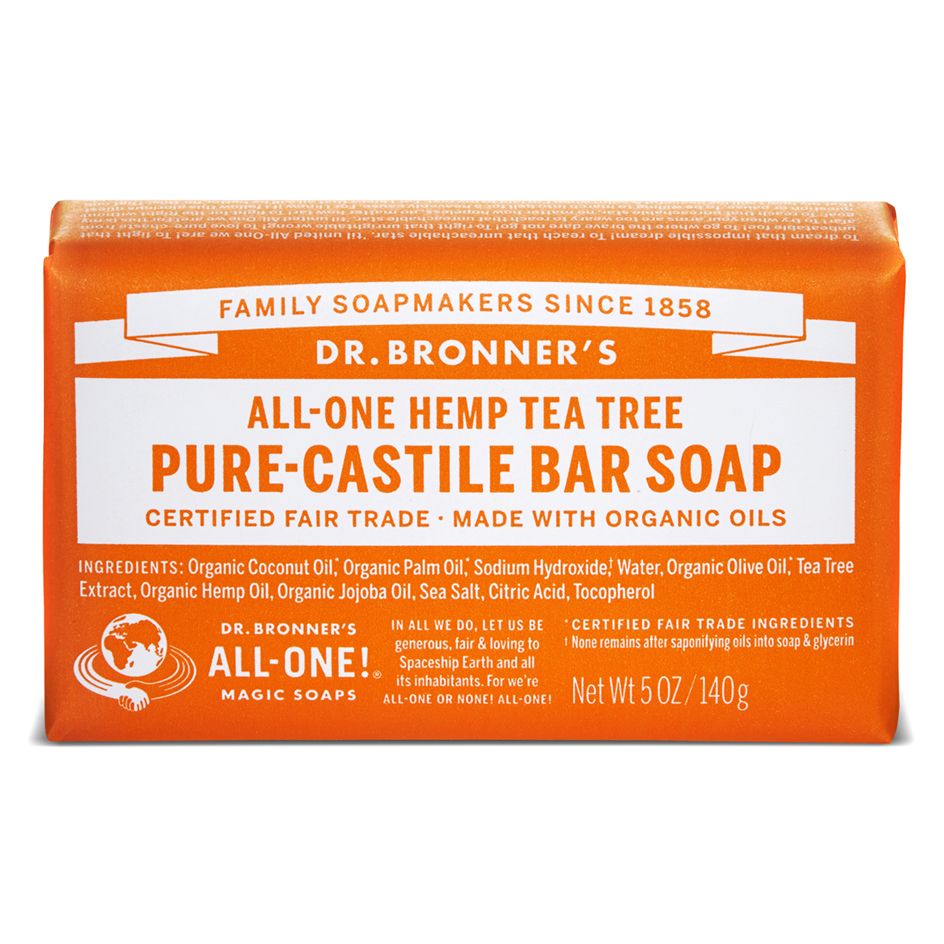
Bar soap instead of body wash
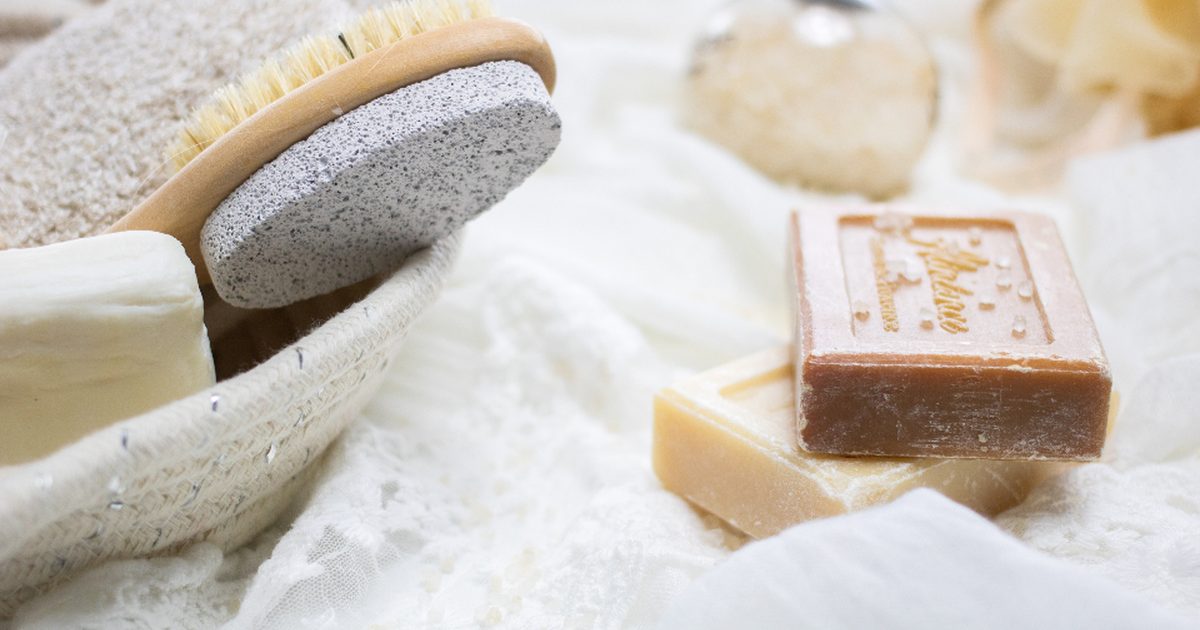
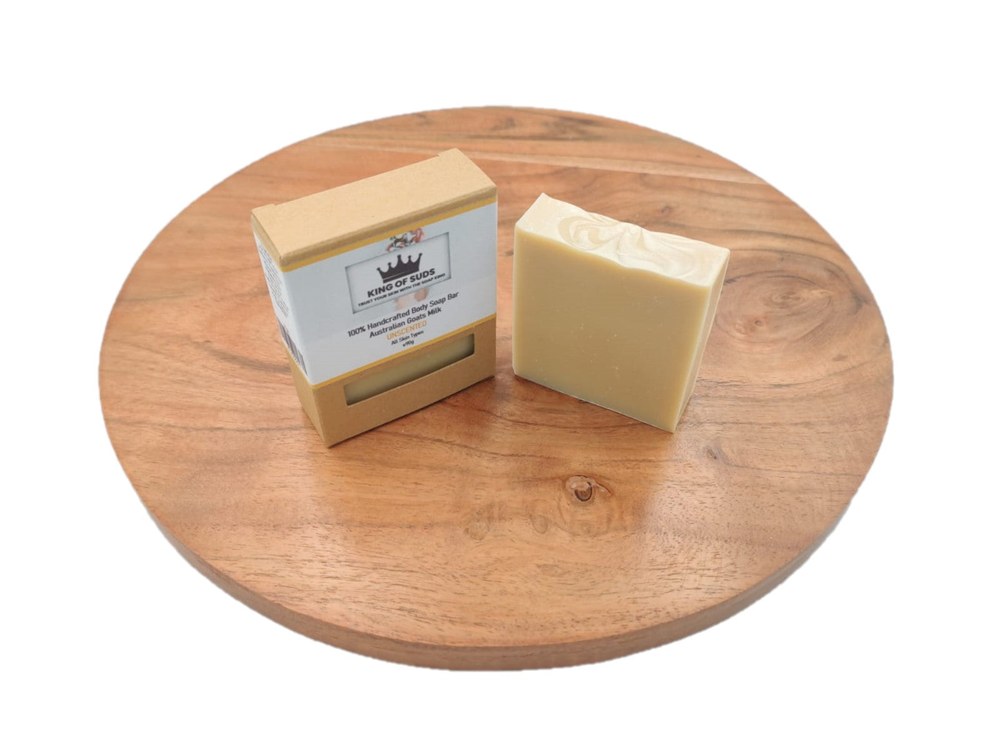
Liquid body wash is mostly water, sold in a plastic bottle with a pump. A bar of soap does the same job in a paper wrapper or none at all, and a good bar lasts for weeks. Castile soap, made from vegetable oils like olive and coconut, is gentle enough for most skin and can be used on hands, body and face. If your skin is dry or sensitive, look for an unscented bar or one made with goat's milk or oats.
Make your soap last longer. Keep the bar on a draining soap dish out of the stream of the shower so it can dry between uses. A bar that sits in a puddle turns soft and washes away twice as fast.
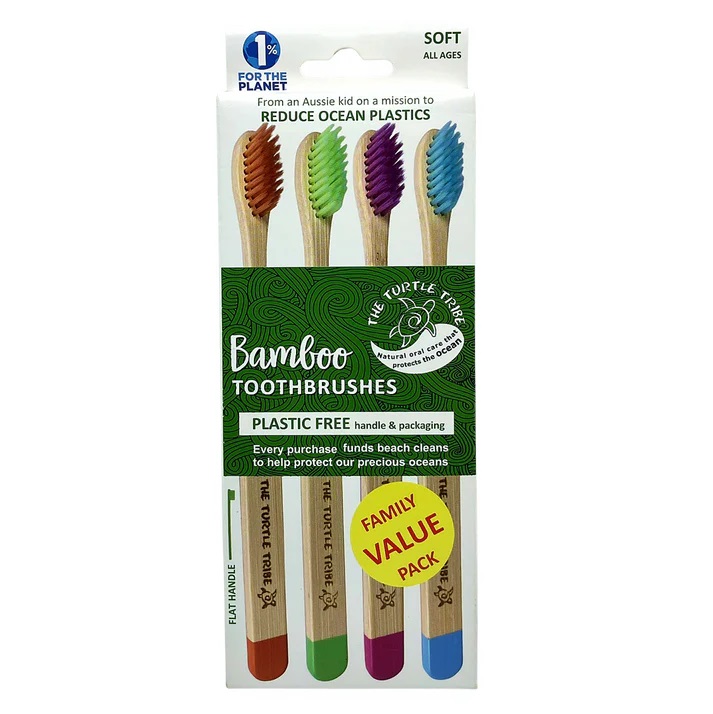
A bamboo toothbrush
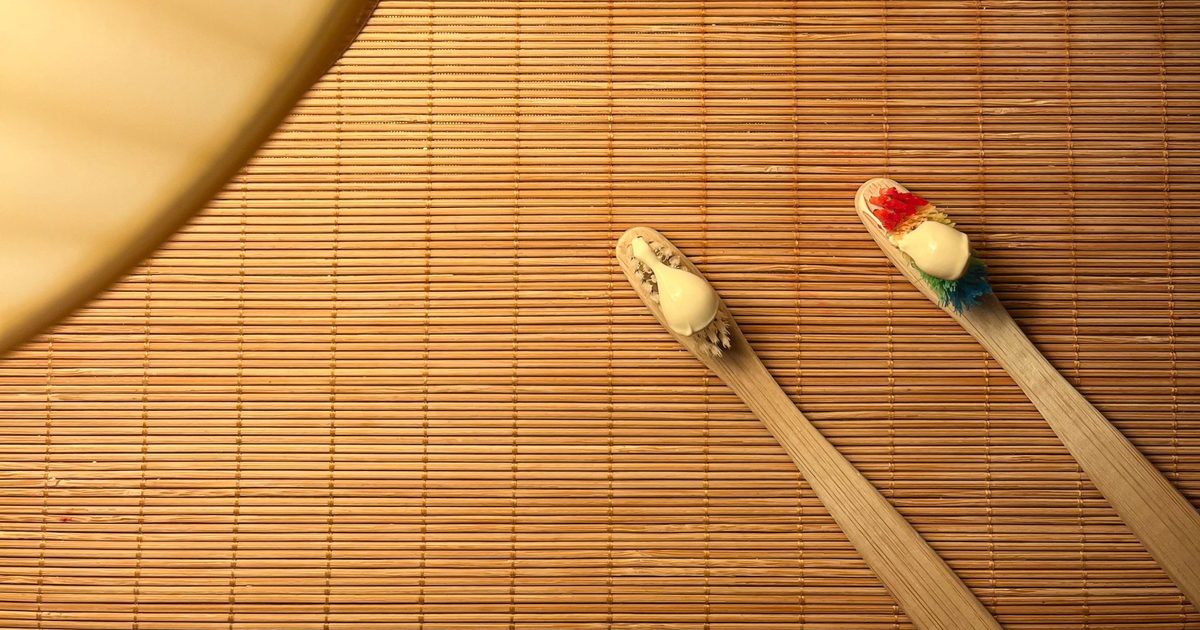
Australians throw away millions of plastic toothbrushes every year, and the Australian Dental Association recommends replacing yours about every three months, or sooner if the bristles are splayed. A bamboo handle can be composted or put in the garden when you are done. The bristles on most bamboo brushes are still nylon, so pull them out with pliers first and put them in the bin. Choose soft bristles, which dentists recommend for cleaning without wearing down enamel or gums.
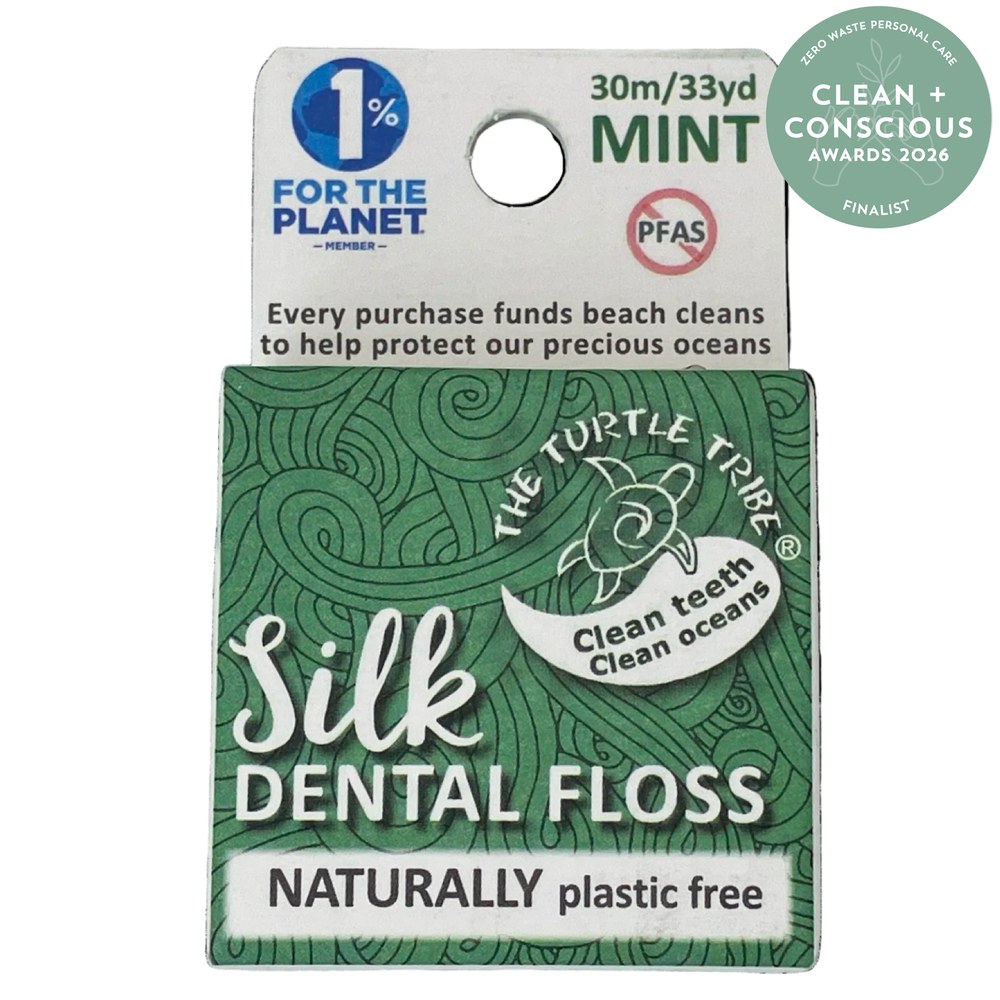
Floss in a glass jar
Silk floss comes on a refillable spool in a small glass container, so the only thing you buy again is the floss itself. Silk is strong and glides easily between teeth. It is made from silk worms, so it is not vegan; plant based floss made from corn fibre is the alternative. Our guide to natural toothpaste covers the rest of your oral care routine.
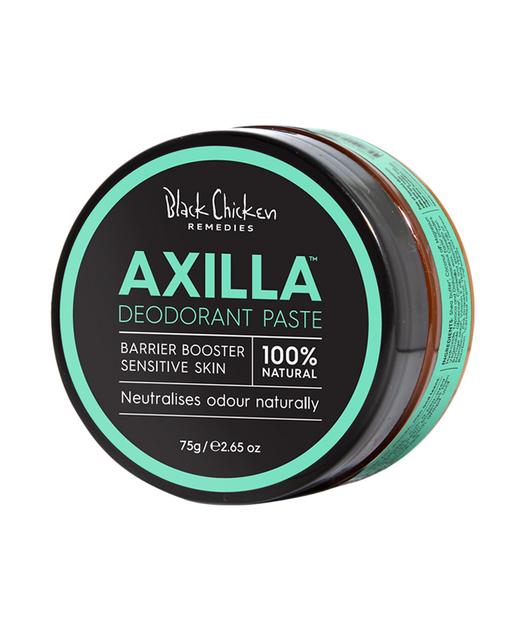
Deodorant in a jar or cardboard tube
Natural deodorant pastes come in glass jars, and stick deodorants increasingly come in push up cardboard tubes. Apply a pea sized amount of paste with your fingertips and it lasts for months. Many people find their body needs a week or two to adjust when switching from an antiperspirant. Our natural deodorant guide explains how to get through the switch.
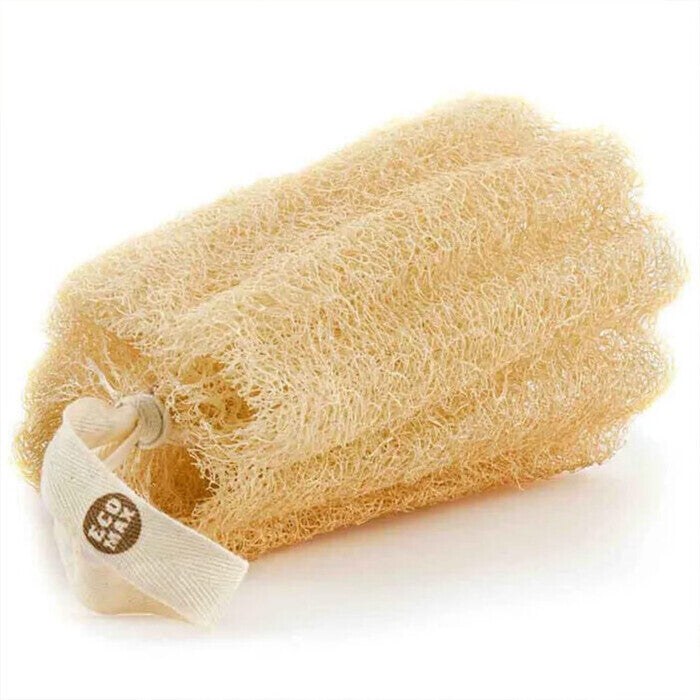
A natural loofah
A natural loofah is the dried fibre of a gourd, a relative of the cucumber. It exfoliates nicely, and when it wears out it can go in the compost, unlike a plastic shower puff. Rinse it well, squeeze it out and let it dry fully between showers, and replace it every three to four weeks, as damp sponges can harbour bacteria.
Shaving without plastic
Disposable razors and cartridge handles are thrown away by the million. A metal safety razor is made to last for years, and only the blade is replaced. The blades are cheap, and the shave is close once you get used to holding the razor at a shallow angle with no pressure. Collect used blades in a small tin with a slot in the lid, and when it is full, ask your council how they take sharps or scrap metal. A bar of soap or a little oil works well in place of shaving foam from a can.
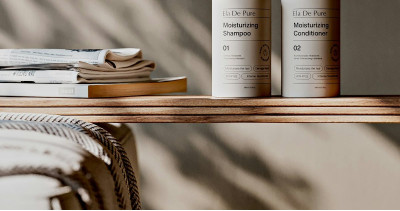
Shampoo and conditioner bars
Hair bars replace two bottles at once. They take a little getting used to: rub the bar between your hands or straight onto wet hair to build a lather, and give your hair a few washes to adjust. Our guide to natural shampoo has tips for the changeover.
Reusable cloths and rounds
Disposable face wipes and cotton pads are a daily source of rubbish, and wipes should never be flushed, because they block pipes. Washable cotton or bamboo rounds and a couple of soft face cloths do the same job. Keep a small mesh bag in the bathroom, drop used rounds in, and wash the whole bag with your towels.
Swaps for kids
Children can join in too. Bamboo toothbrushes come in small heads with ultra soft bristles for little mouths, and a gentle unscented soap bar is often all young skin needs in the bath. Letting kids pick their own toothbrush colour or soap is an easy way to get them on board, and it starts a good conversation about where our rubbish goes.
Use up what you have first
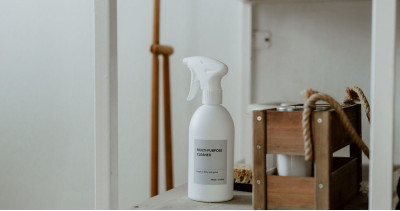
Throwing out half used bottles to buy plastic free versions creates more waste, not less. Finish what you have, then swap. When you do empty a bottle, rinse it and check the recycling symbol, or reuse it: an old pump bottle makes a good refill container for homemade cleaners. If you are looking at the rest of the house, read our low tox cleaning swaps.
Swaps we stock
Find more in Bath and Shower, Dental Care and Deodorant.