





From Kakadu plum to lemon myrtle: a beginner's guide to Australian native foods
Australia has thousands of edible native plants, and First Nations peoples have been gathering, trading and preparing them for tens of thousands of years. A handful are now easy to buy: in teas, muesli, snacks, spice blends and drinks. They bring flavours you will not find anywhere else, from sherbet sharp fruits to a seed that tastes like coffee and chocolate. Here are the ones worth getting to know first, and simple ways to use them.
Macadamia
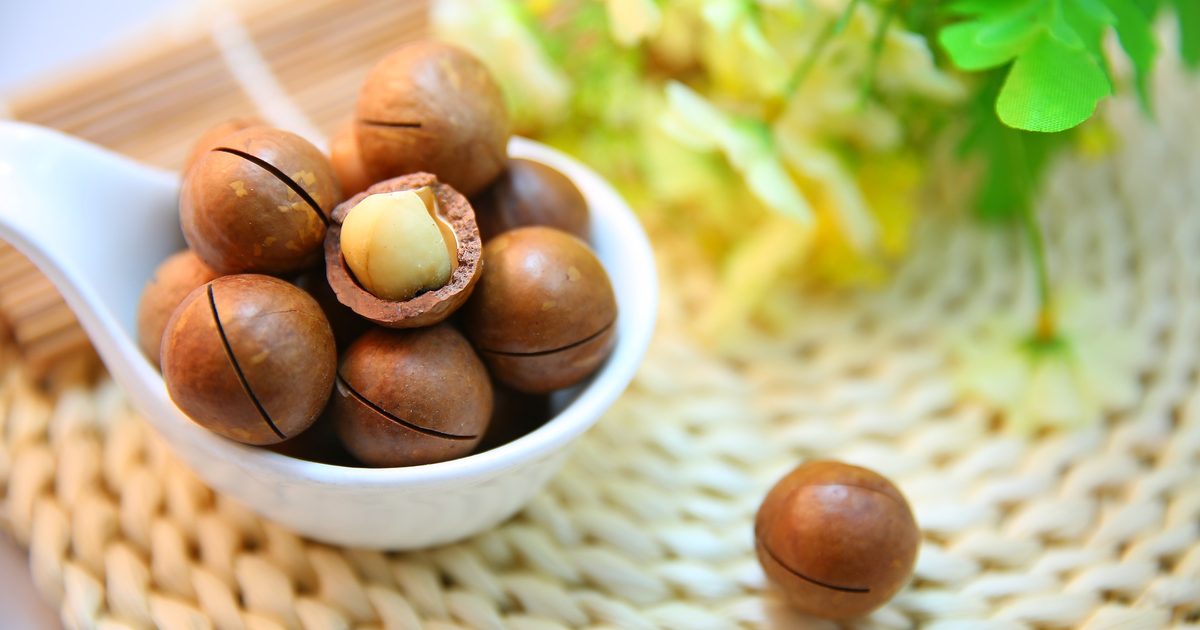
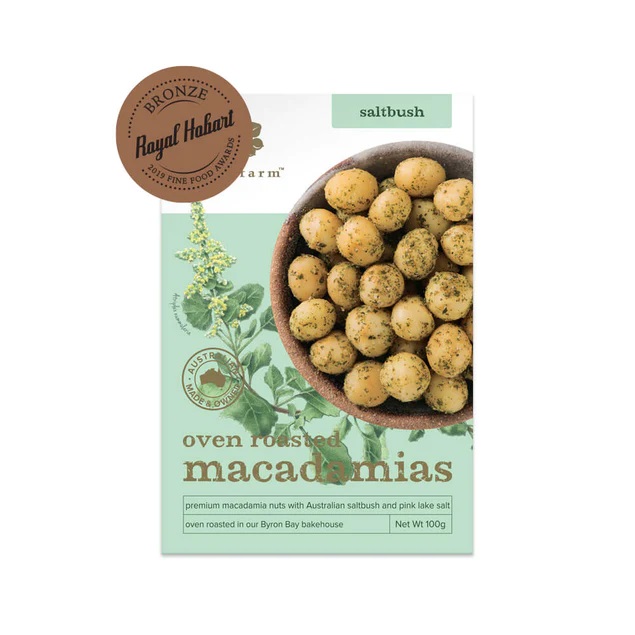
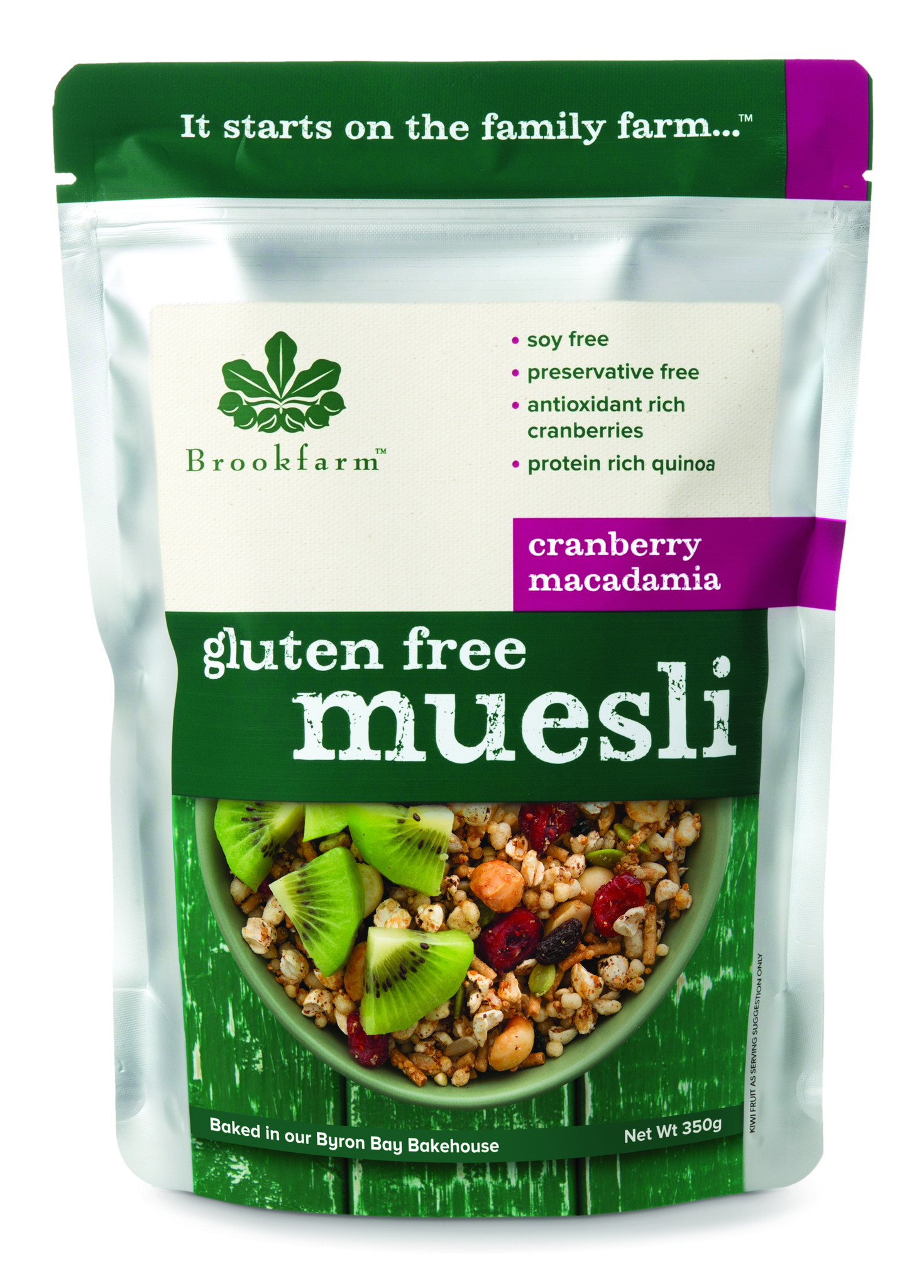
The macadamia is the most famous Australian native food, even though many people assume it comes from Hawaii, where it was planted commercially. It is native to the subtropical rainforests of south east Queensland and northern New South Wales, which is still where most of our crop is grown. The nuts are rich and buttery and are mostly monounsaturated fat, the same kind that olive oil is known for. Eat them roasted, chop them into muesli, or blend them into a creamy dairy free sauce.
Lemon myrtle
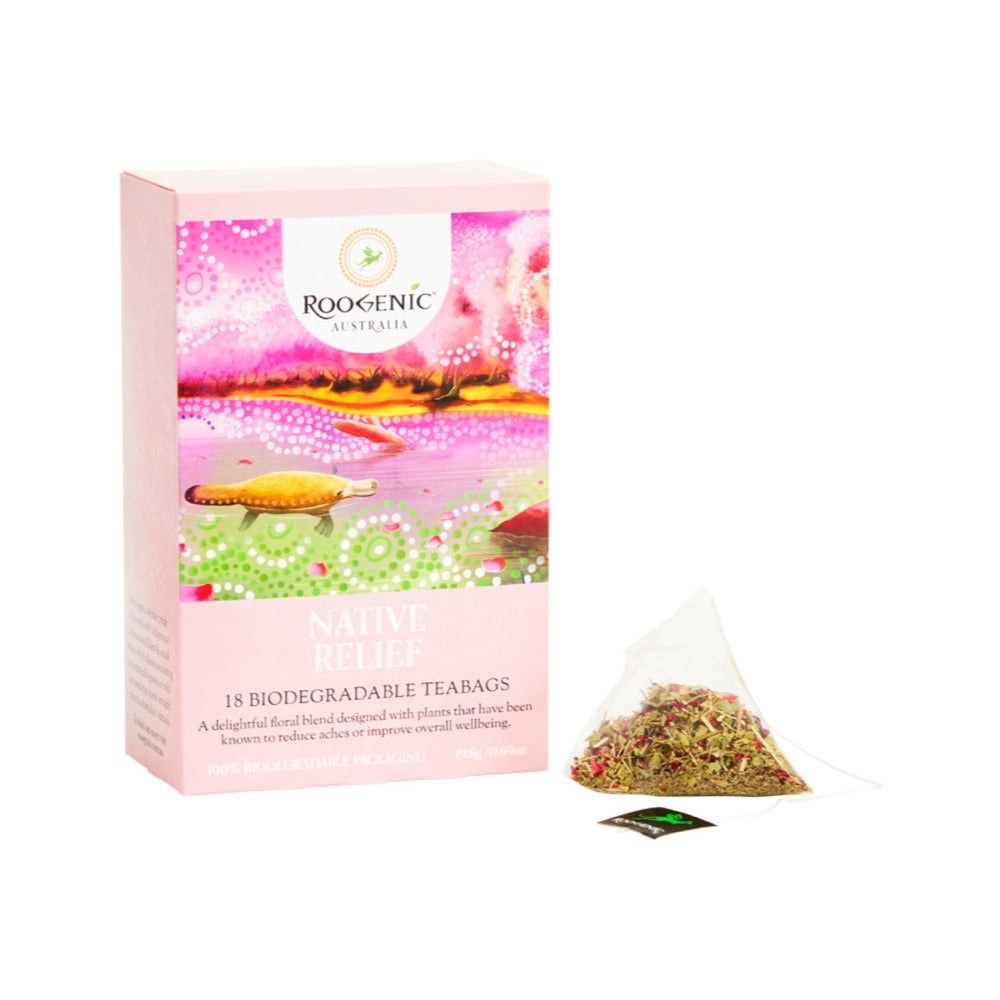
Lemon myrtle is a rainforest tree from Queensland whose leaves smell more lemony than lemons, thanks to a high level of citral, the compound behind that bright citrus scent. The dried leaf makes a lovely caffeine free tea, hot or iced, and a pinch of ground leaf lifts shortbread, fish, chicken and salad dressings. Use it gently: a little goes a long way, and too much tastes soapy. You will also find it scenting natural dish soaps and laundry liquids.
Kakadu plum
Kakadu plum, also called gubinge or billygoat plum, grows across the north of Western Australia and the Northern Territory. It is often described as one of the richest natural sources of vitamin C ever measured. It is very tart, so it is usually sold as a freeze dried powder: stir a little into smoothies, yoghurt or juice. Much of the harvest is wild gathered by Aboriginal communities, so it is worth choosing brands that are open about where and how theirs is sourced.
Wattleseed
Roasted and ground, the seed of certain wattle trees tastes like a mix of coffee, chocolate and hazelnut. Add it to pancake batter, bread, granola or ice cream, or brew a spoonful like coffee. Only some wattle species have edible seed, so buy it from a food supplier rather than collecting your own.
Saltbush
Old man saltbush is a hardy grey green shrub from inland Australia. Its dried leaves taste salty and herby, a little like a seasoned salt, and they are used as a seasoning on roast vegetables, lamb, chips and roasted nuts. It gives a savoury, salty flavour, so you may find you need less added salt.
Finger lime, Davidson plum and quandong
Finger limes are slim native citrus filled with tiny crunchy pearls, sometimes called citrus caviar. Squeeze them over oysters, fish, salads or into a drink. Davidson plum is a deep purple rainforest fruit with an intensely sour flavour that suits jams, sauces and anything you would use rhubarb for. Quandong, the desert peach, is tart and tangy and is traditionally used in pies and chutneys. These three are more seasonal and harder to find fresh, so look for them frozen, dried or in jams.
Keeping native ingredients fresh
Dried native herbs and spices lose their aroma faster than you might expect. Keep lemon myrtle, saltbush and wattleseed in airtight jars away from heat and light, and aim to use them within six to twelve months. If a herb no longer smells strong when you rub a pinch between your fingers, it will not taste of much either.
Macadamias are high in oil, which means they can turn rancid in a warm pantry. Store opened packs in an airtight container in the fridge, or freeze them for longer keeping. Fresh finger limes keep for a couple of weeks in the fridge and freeze well whole: slice one in half straight from the freezer and the pearls come out easily.
Buy, do not forage. Many native plants have look alikes that are not safe to eat, and only some wattle species have edible seed. Unless you are learning from someone who knows the plants well, buy native foods from a reputable supplier.
Buying with respect
Native foods are part of a living culture, not a trend. When you have the choice, look for brands that are Aboriginal owned, or that explain how they source from and share benefits with Aboriginal communities. It is the best way to make sure the people who have cared for these plants for so long benefit as the industry grows.
A simple lemon myrtle dressing
For an easy first recipe, whisk three tablespoons of extra virgin olive oil with one tablespoon of lemon juice, half a teaspoon of honey, a small pinch of ground lemon myrtle and a pinch of saltbush or salt. Pour it over a salad of leaves, avocado and toasted macadamias, or spoon it over grilled fish or chicken. Taste as you go: lemon myrtle is strong, and it is easier to add a little more than to take it back out.
Easy ways to start
- Swap your afternoon tea for lemon myrtle, hot or poured over ice with a slice of lime.
- Use macadamia muesli for breakfast, or crush roasted macadamias over a salad.
- Shake saltbush over roast potatoes or popcorn.
- Add a teaspoon of wattleseed to your next banana bread.
Native flavours on our shelves
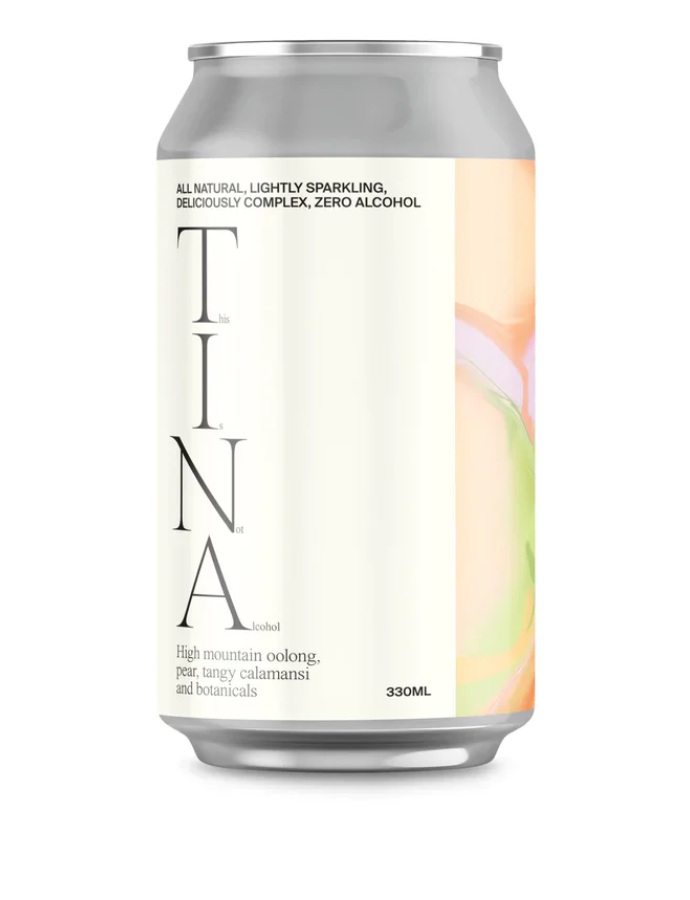
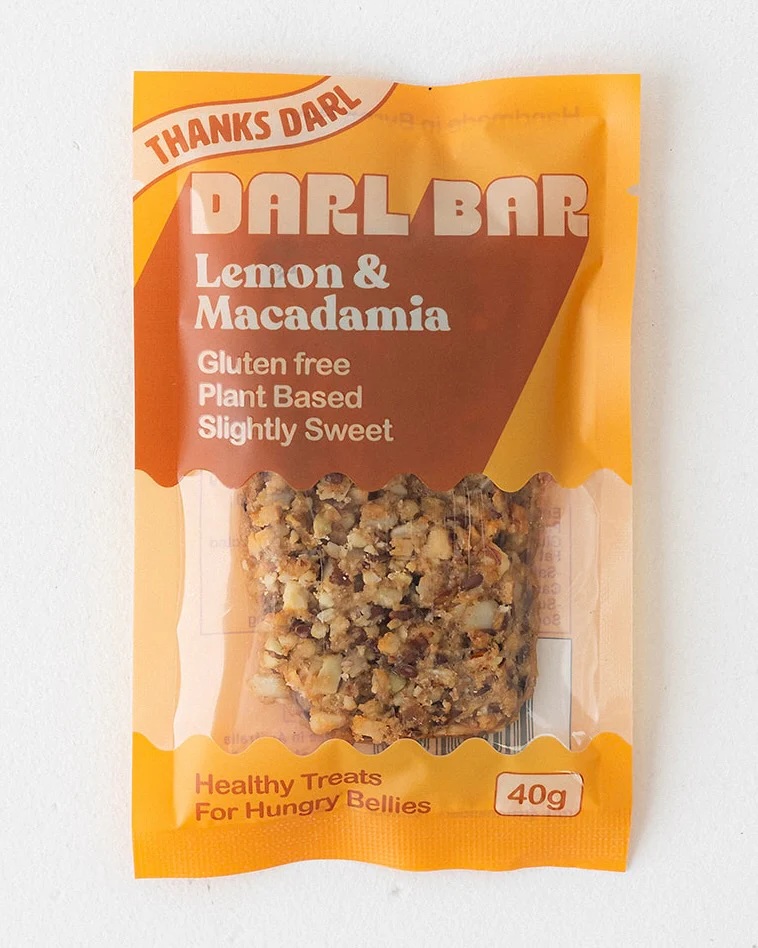
Look for more in Nuts and Seeds, Cereal and Muesli and Drinks, or browse the 100% Australian tab on our home page.