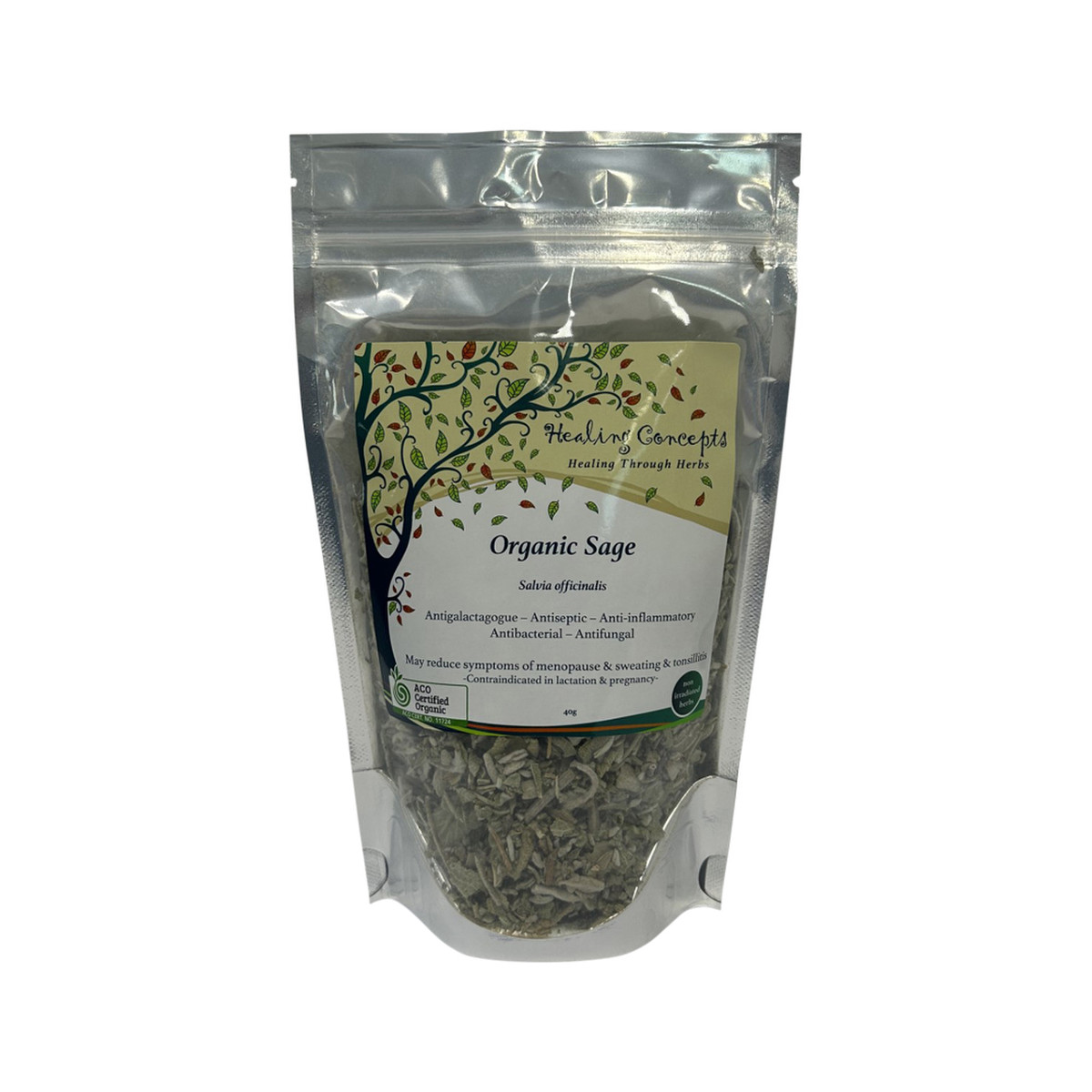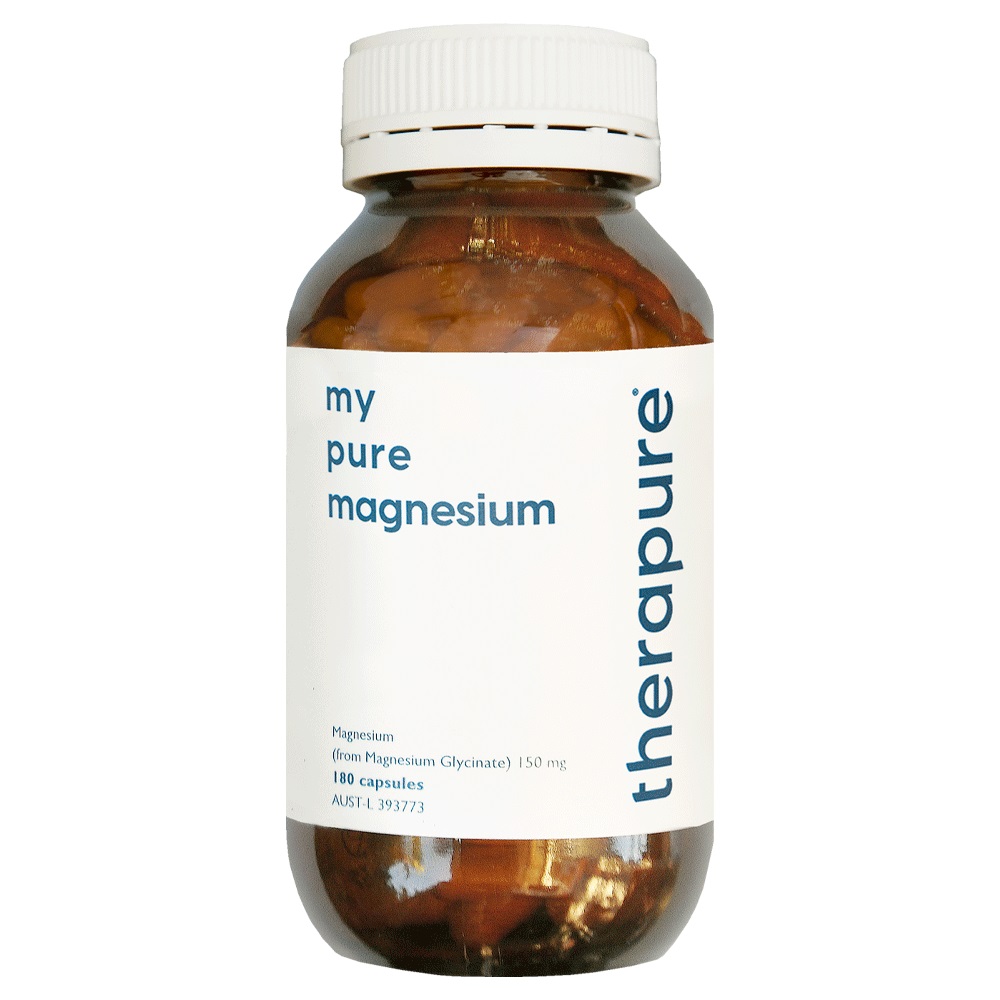
This is one of the quieter conversations we have, usually in a low voice near the supplements wall, and it almost always starts with some version of I do not feel like myself and I do not know what is going on. So let us say the useful parts out loud.
Perimenopause is the long bit before the event
Menopause itself is a single day, twelve months after your last period. Perimenopause is the run up, and it can start in your early forties and go on for anywhere from a couple of years to a decade. Cycles get closer together, then further apart. Sleep goes first for a lot of women, waking at three in the morning wide awake and hot. Then there is the temperature, the mood swings that feel out of proportion, the sudden inability to remember a word you have used your whole life, the joints, the anxiety that arrives from nowhere. It is not in your head and you are not too young for it at forty three.
Start with sleep, because everything else gets worse without it
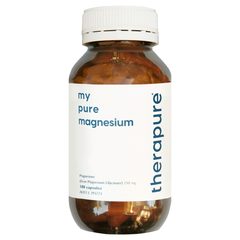
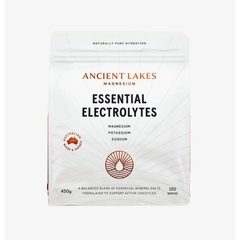
If you fix one thing, fix the nights. Almost everything women describe as the worst part of perimenopause is harder on four broken hours. Magnesium is the most requested thing in the shop for exactly this, and glycinate is the form to look for if sleep is the target, since citrate is better suited to the other end of things. Keep the bedroom genuinely cold, cotton or linen rather than synthetics, and be honest with yourself about the wine, because alcohol is one of the most reliable triggers for a three am wake up and a night sweat.
The herbs women ask for by name
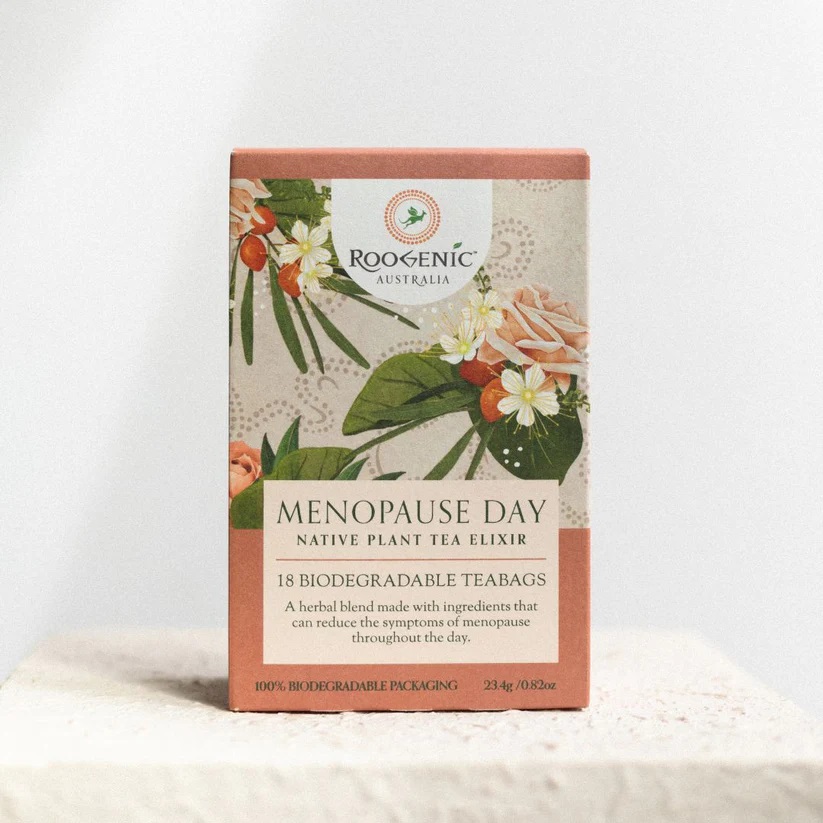
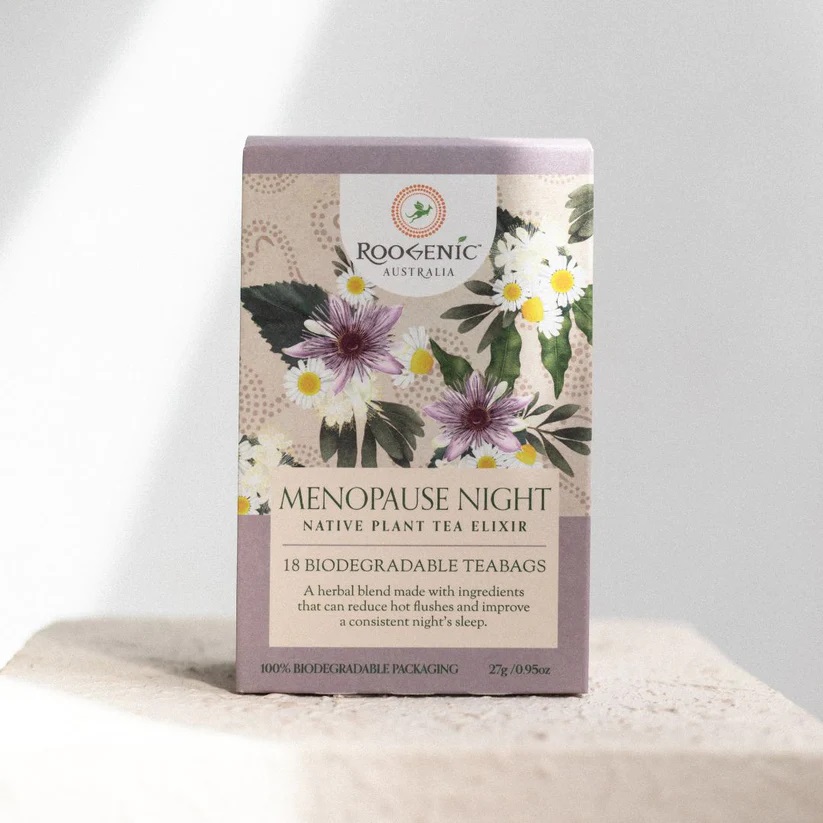
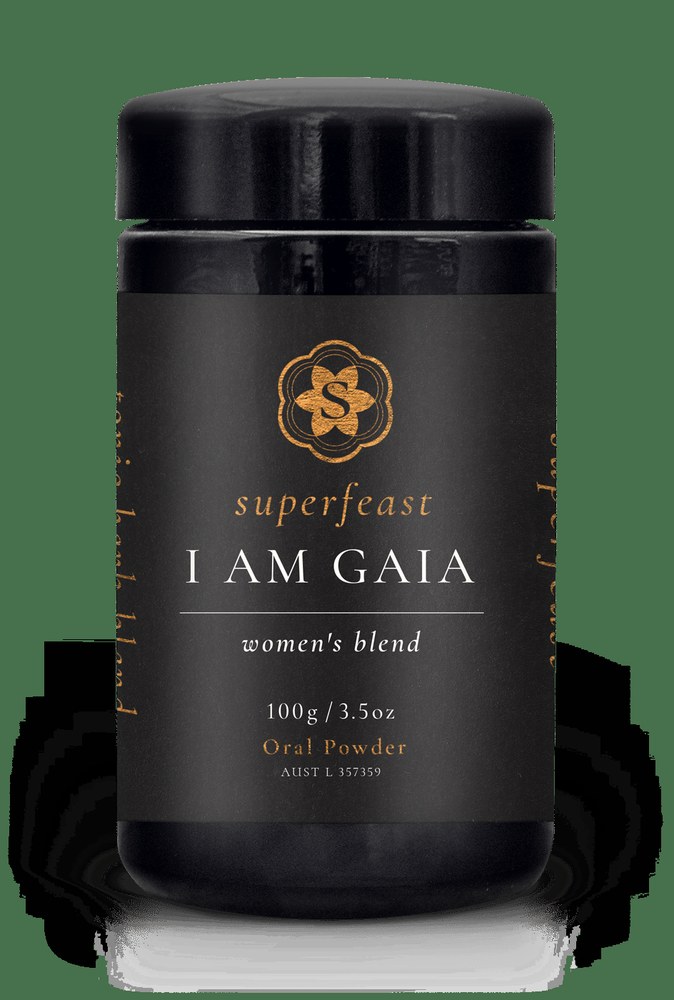
Sage is the traditional one for sweats and flushes, drunk as a tea, and it is old European folk practice rather than a modern invention. Maca is the one people take for energy and mood and libido, and it suits some women beautifully and does nothing for others. The women's tonic blends bring together herbs like shatavari and rehmannia in one tin, which is a reasonable way in if you do not want to buy five separate things. And the day and night tea format has become popular for a good reason, it splits the herbs sensibly, something clearing for the daytime and something calming at night, and drinking tea is an easier habit to keep than remembering capsules.
None of this is medical advice and none of it is a substitute for seeing your doctor. Herbs interact with real medication, particularly if you are on blood thinners, thyroid medication, antidepressants, or have a history of hormone sensitive cancer, and sage in particular should be discussed if you take anything for epilepsy or diabetes. See a GP if bleeding is very heavy, if periods return after twelve months of nothing, or if mood is dropping into a hole. Hormone therapy helps a great many women and is not the enemy of anything on our shelves.
The parts that are not on a shelf
Two things do more than any supplement in this decade of life, and neither of them is glamorous. The first is protein, because muscle is easier to lose and harder to hold from the forties onward, and most women we talk to are eating far less than they think. The second is lifting something heavy twice a week, for bone density as much as anything, since bone loss speeds up around menopause and it is very hard to get back later. Calcium and vitamin D matter here, and if you have not had your iron or vitamin D checked in a while, ask for it next time you see your GP.
What we keep in store
Nobody needs all of this at once. Sleep first, protein next, then a herb if you want to try one, and give it six weeks. The full range is under Hormone Health, with magnesium under Magnesium, and we went into the forms in more detail in which magnesium is right for you. If you would rather ask a person than read a label, come and see us at 936 Anzac Parade, Maroubra, open seven days. It is a normal conversation and we have it a lot.





 Coco's guideCeremonial cacao, cacao powder or cocoa?Which one to buy, and how to make a proper cup.Read the guide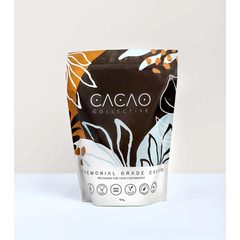




 Coco's guideNatural deodorant that actually worksHow to survive the switch, and what to try first.Read the guide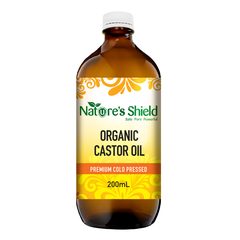
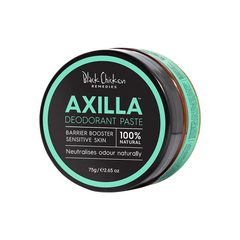


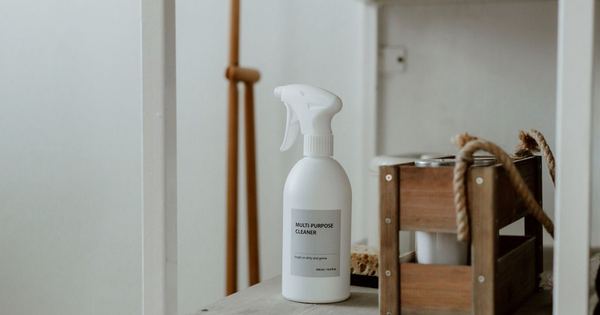 Coco's guideLow tox cleaning: five swaps to make firstRefills, castile and soapberries that really work.Read the guide






 Coco's guideHow to choose a natural sunscreenMineral or chemical, and one you will actually wear.Read the guide





 Baking & Raw Un-Baking
 Grains & Legumes
 Noodles, Pasta & Rice
 Herbs, Spices & Salts
 Oils
Oils Vinegars & Dressings
 Sauces & Marinades
 Condiments
 Sugars & Sweeteners
 Canned Goods
 Ready Made Mixes
 Bone Broth & Stock
 Snacks
 Bars
Bars Chips
Chips Fruit & Nuts
 Biscuits
 Crackers & Crispbreads
 Confectionery
 Cacao & Carob
 Dried Fruit
 Nuts & Seeds
 Chewing Gum & Lozenges