A pimple always seems to arrive the week of a wedding or a job interview. The temptation is to attack it: squeeze it, scrub the whole face and dab on everything in the bathroom cabinet. Breakout prone skin usually does better with the opposite approach. Here is how to look after a spot that has already turned up, and a simple routine that makes the next one less likely.
Why breakouts happen
Each pore holds a tiny oil gland. When the gland makes more oil than usual and dead skin cells build up, the pore blocks. Bacteria that normally live on the skin then multiply in the trapped oil, and the area becomes red and swollen. Hormones play a big part, which is why breakouts often follow the menstrual cycle, the teenage years, pregnancy and perimenopause. Stress, heavy makeup, sweat under a cap or helmet, and touching your face can all add to it.
Pimple patches: two kinds
Patches have become the first thing many people reach for, and for good reason. They cover the spot so you cannot pick at it, which is half the battle. There are two types, and they suit different stages.
- Hydrocolloid patches are the clear or skin coloured dots. The hydrocolloid gel draws fluid out of a pimple that has come to a head and turns white as it does. They work best on spots with a visible white or yellow centre. Put one on clean, dry skin at night and peel it off in the morning.
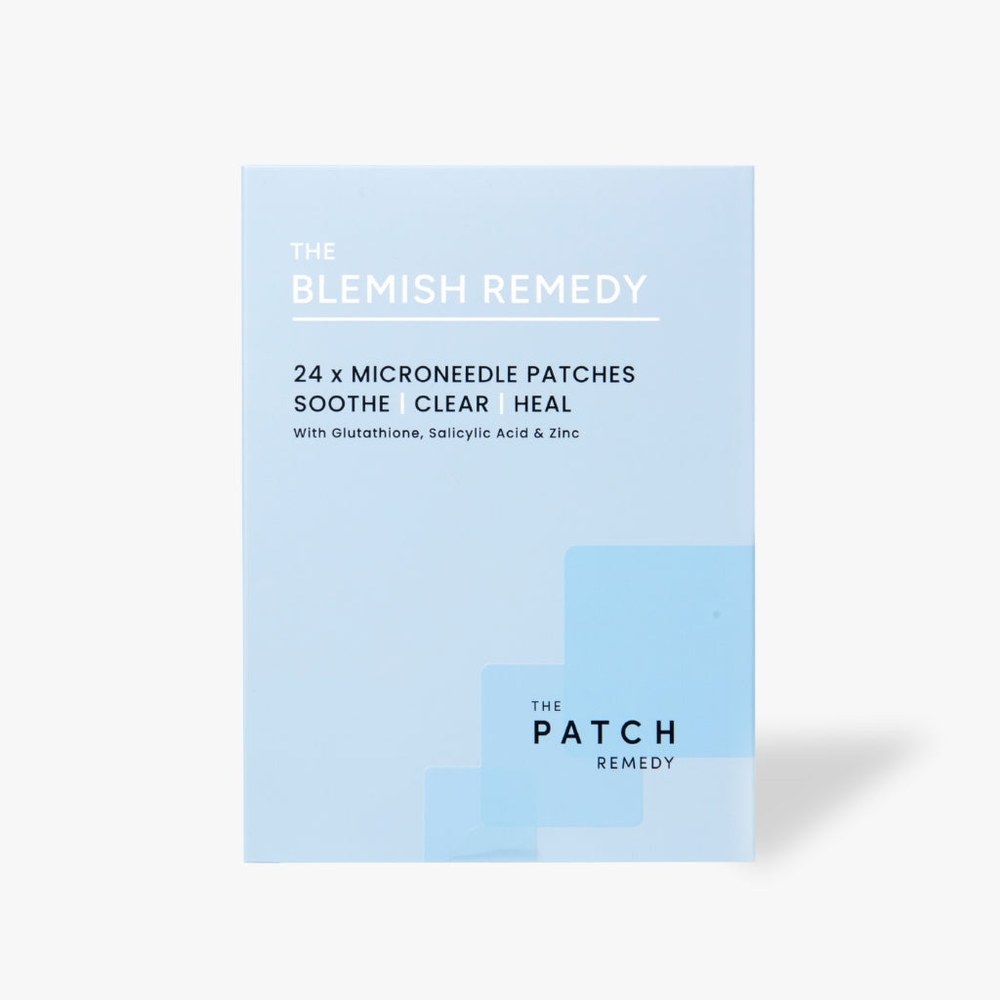
- Microneedle patches, like The Patch Remedy blemish patches, have a grid of tiny dissolving points on the underside. They are made for early spots that are still under the skin, the sore bump that has not come to a head yet. The points carry active ingredients into the top layer of skin as they dissolve. They are not needles in the medical sense and should not hurt.
Neither type is meant for open, weeping or broken skin, and neither will shrink a deep, painful cyst overnight.
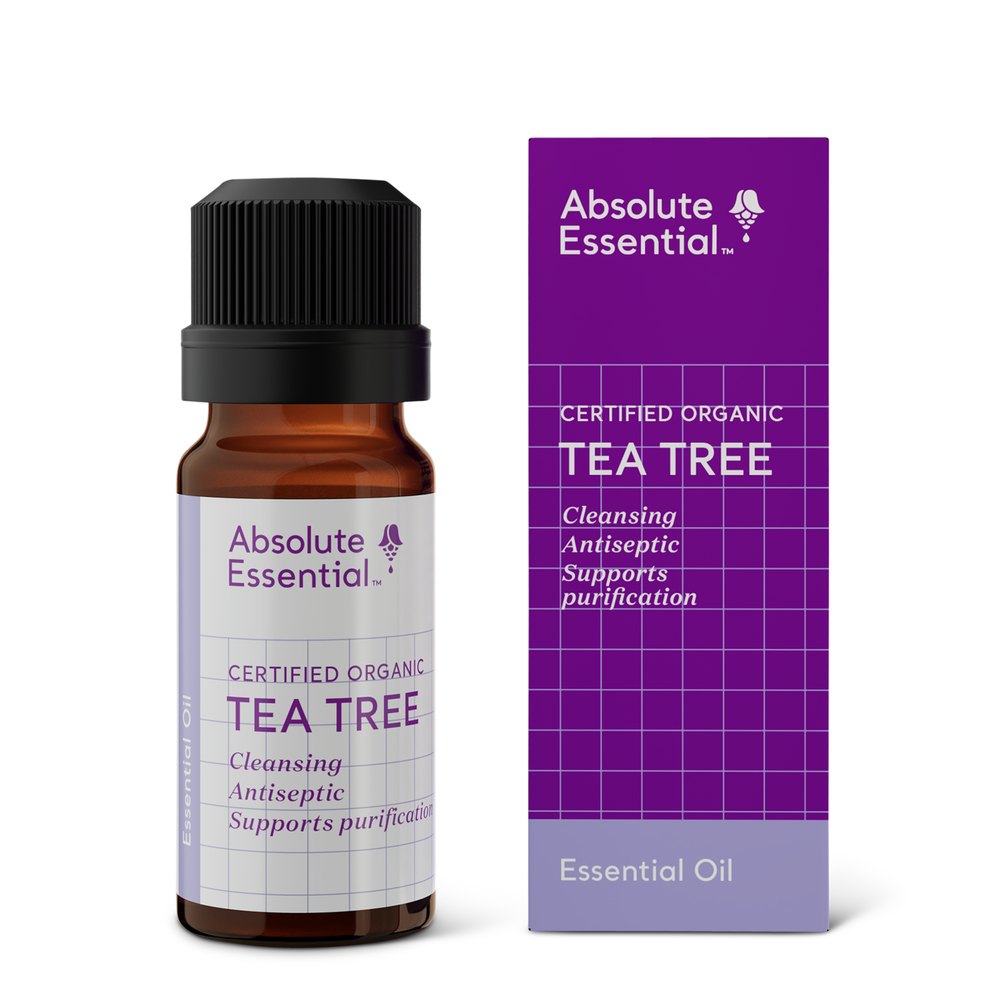
Tea tree oil, the Australian classic
Tea tree oil comes from the leaves of Melaleuca alternifolia, a native of northern New South Wales. A well known 1990 study published in the Medical Journal of Australia compared a 5 percent tea tree gel with 5 percent benzoyl peroxide in people with mild to moderate breakouts. Both reduced spots. The tea tree gel worked more slowly but caused less dryness, stinging and peeling.
The important number there is 5 percent. Neat tea tree oil is too strong to put on the face and can cause redness or an allergic reaction. To make a spot treatment, mix one drop of tea tree oil into about 20 drops of a light oil such as jojoba, or into a small amount of aloe vera gel, and dab it on the spot with a cotton bud. Do a patch test on your inner arm first, and store the bottle tightly closed, because oxidised tea tree oil is more likely to irritate.
Other ingredients worth knowing
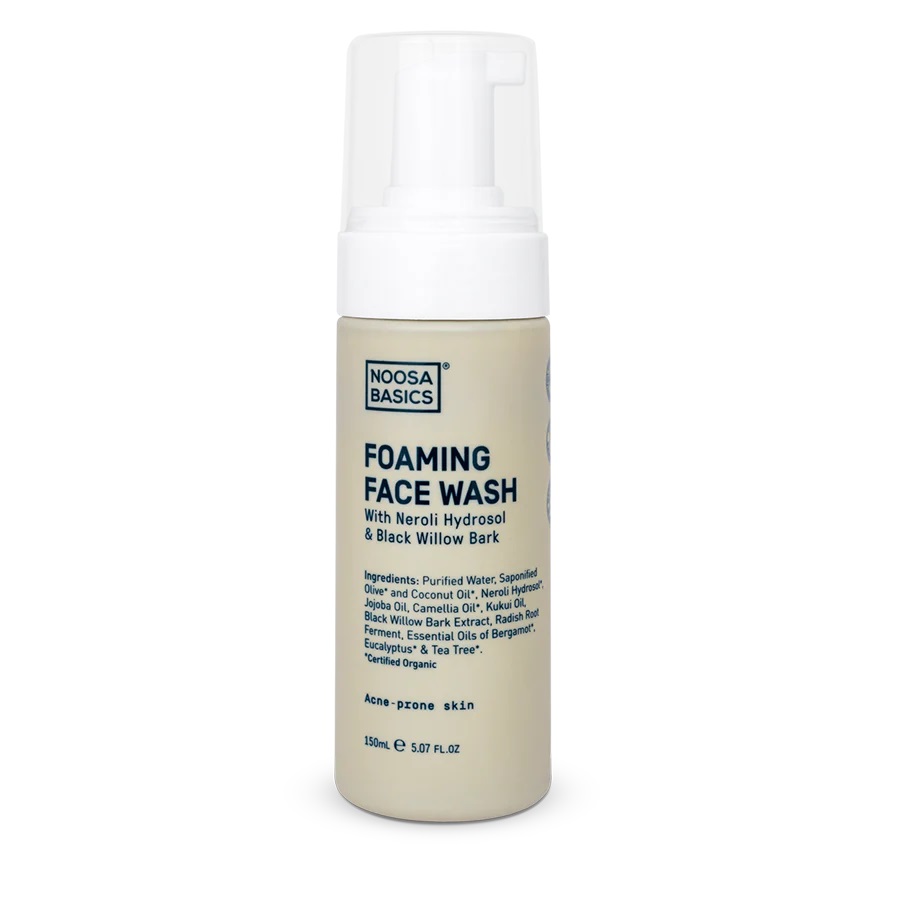
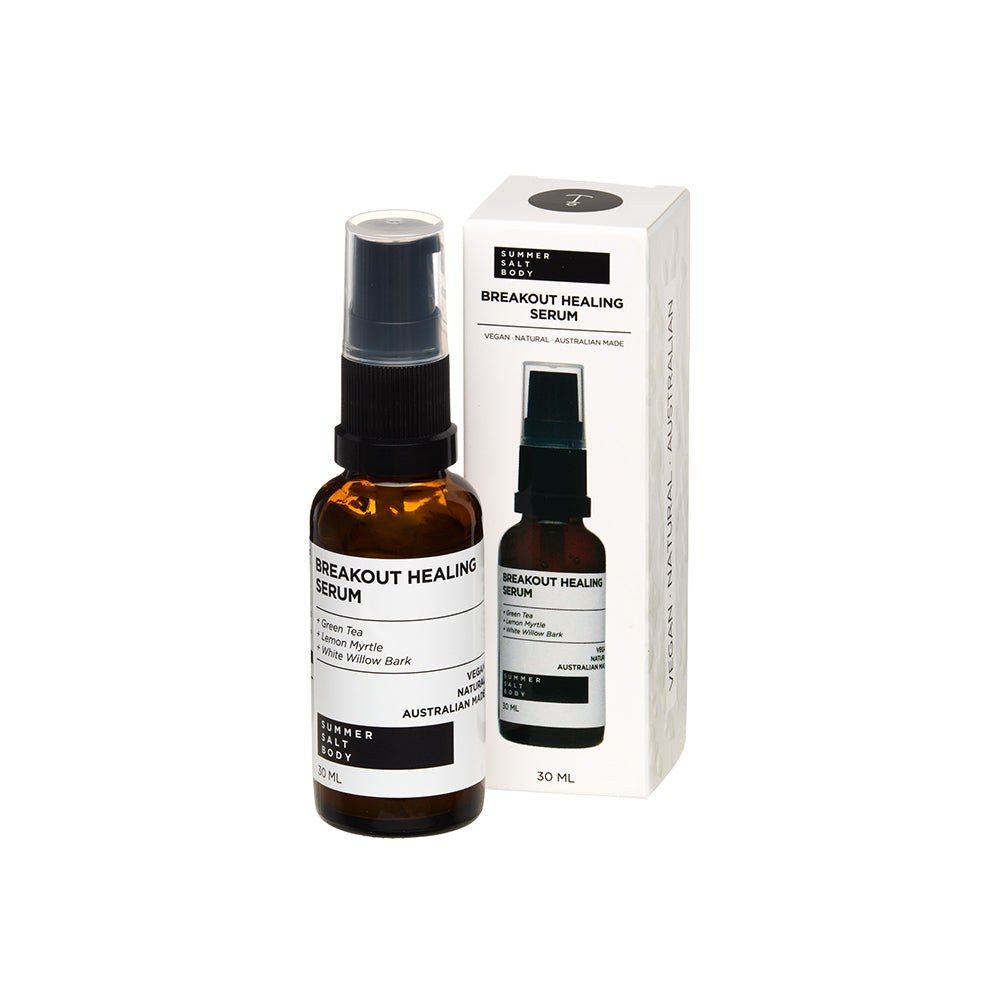
- Willow bark contains natural salicylates, related to the salicylic acid in many spot treatments. It helps loosen dead skin in the pores. You will find it in the Noosa Basics face wash and the Summer Salt Body serum.
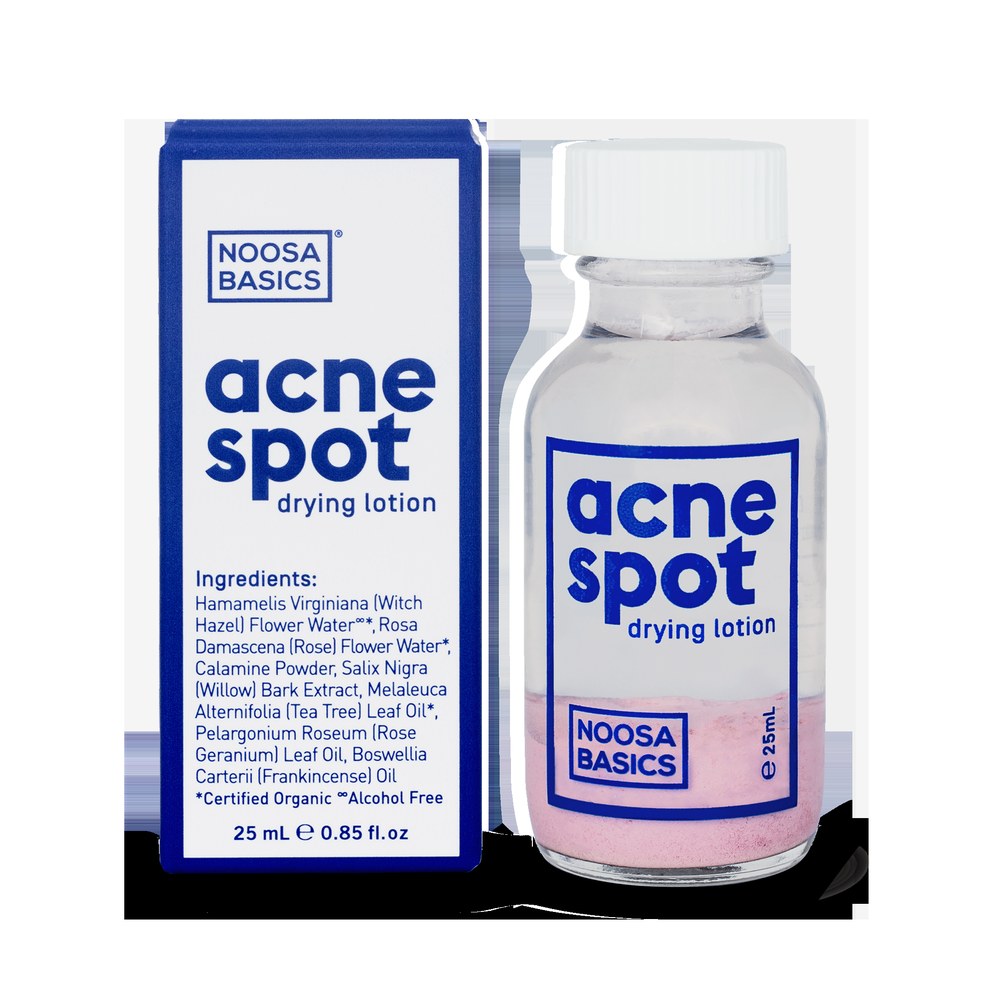
- Witch hazel is a mild astringent that helps a shiny face feel cleaner. It is in the Noosa Basics drying lotion.
- Calamine is the pink powder from childhood chickenpox. It soothes and dries a spot.
- Lemon myrtle, another Australian native, is used alongside tea tree for skin that breaks out.
Hands off, and skip the toothpaste
Squeezing pushes some of the infection deeper into the skin, which is how a small spot turns into a sore lump and, sometimes, a scar. If you cannot leave it alone, a patch is the best barrier there is. The old trick of dabbing toothpaste on a pimple is best forgotten too. Toothpaste is made for teeth, and its flavours and foaming agents often leave the skin red and flaky. Lemon juice, baking soda and rubbing alcohol fall into the same category: harsh on skin that is already inflamed.
A simple routine for breakout prone skin
- Cleanse twice a day with a gentle foaming wash and lukewarm water. Hot water and grainy scrubs make inflamed skin angrier.
- Treat spots, not your whole face. Use drying lotions and tea tree only where you need them.
- Moisturise anyway. Stripped skin often makes more oil. Choose a light, non greasy moisturiser.
- Wear sunscreen. Red marks left after a breakout darken in the sun. Our natural sunscreen guide has options that will not feel heavy.
- Change your pillowcase a couple of times a week and wipe your phone screen.
- Give it time. Skin turns over slowly. Give a new routine six to eight weeks before deciding whether it works.
See your GP if breakouts are painful, deep or leaving scars, if they appear suddenly as an adult, or if they are affecting how you feel about yourself. There are effective treatments, and starting early helps prevent scarring. If breakouts arrive with irregular periods or new hair growth, mention that too.
What we keep on the shelf
If your breakouts follow your cycle or arrived in your forties, our guide to perimenopause support may help join the dots. The full range is under Skin Care, and you can find us at 936 Anzac Parade, Maroubra.




 Coco's guideCeremonial cacao, cacao powder or cocoa?Which one to buy, and how to make a proper cup.Read the guide


 Coco's guideNatural deodorant that actually worksHow to survive the switch, and what to try first.Read the guide


 Coco's guideLow tox cleaning: five swaps to make firstRefills, castile and soapberries that really work.Read the guide


 Coco's guideHow to choose a natural sunscreenMineral or chemical, and one you will actually wear.Read the guide


 Baking & Raw Un-Baking
 Grains & Legumes
 Noodles, Pasta & Rice
 Herbs, Spices & Salts
 Oils
Oils Vinegars & Dressings
 Sauces & Marinades
 Condiments
 Sugars & Sweeteners
 Canned Goods
 Ready Made Mixes
 Bone Broth & Stock
 Snacks
 Bars
Bars Chips
Chips Fruit & Nuts
 Biscuits
 Crackers & Crispbreads
 Confectionery
 Cacao & Carob
 Dried Fruit
 Nuts & Seeds
 Chewing Gum & Lozenges