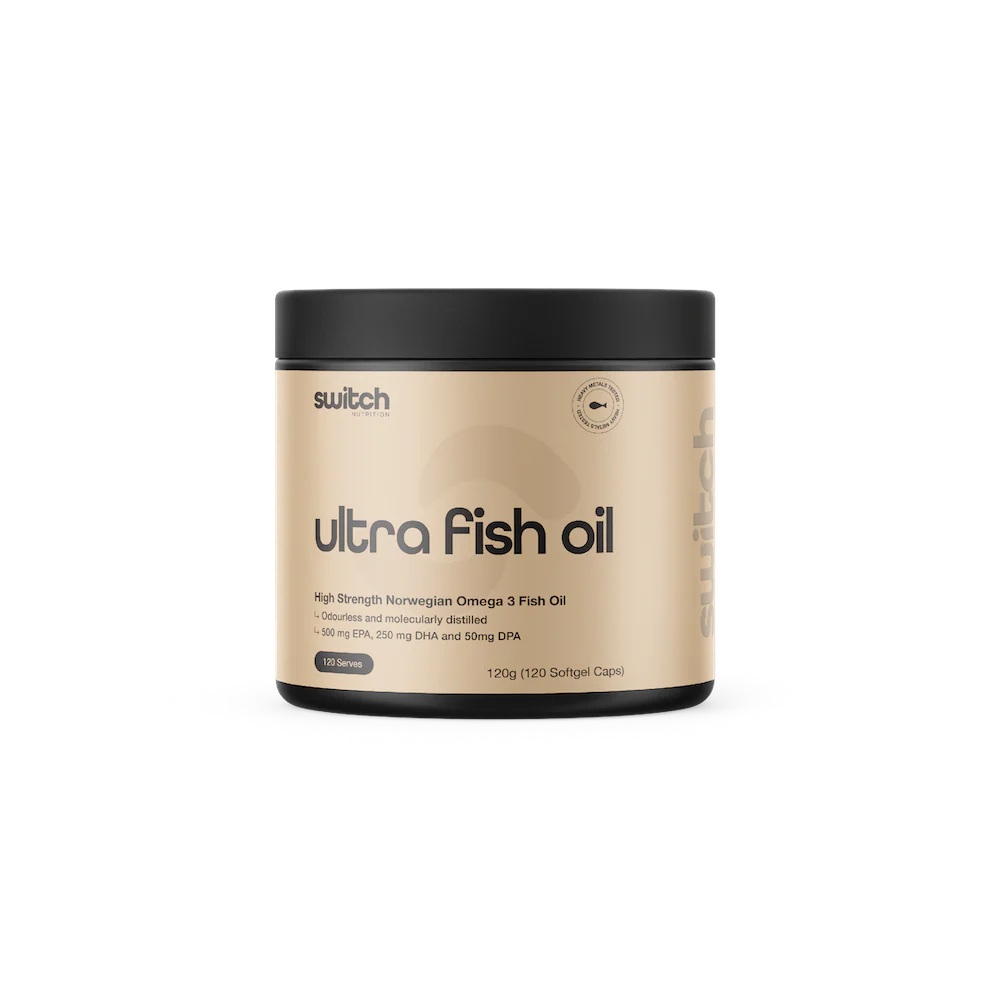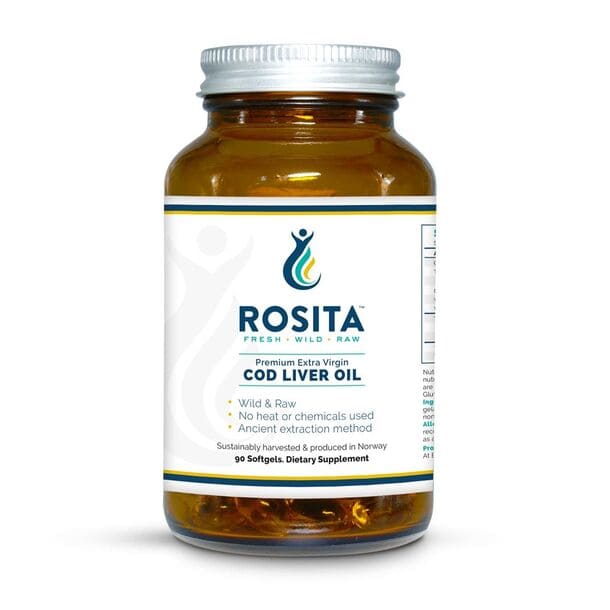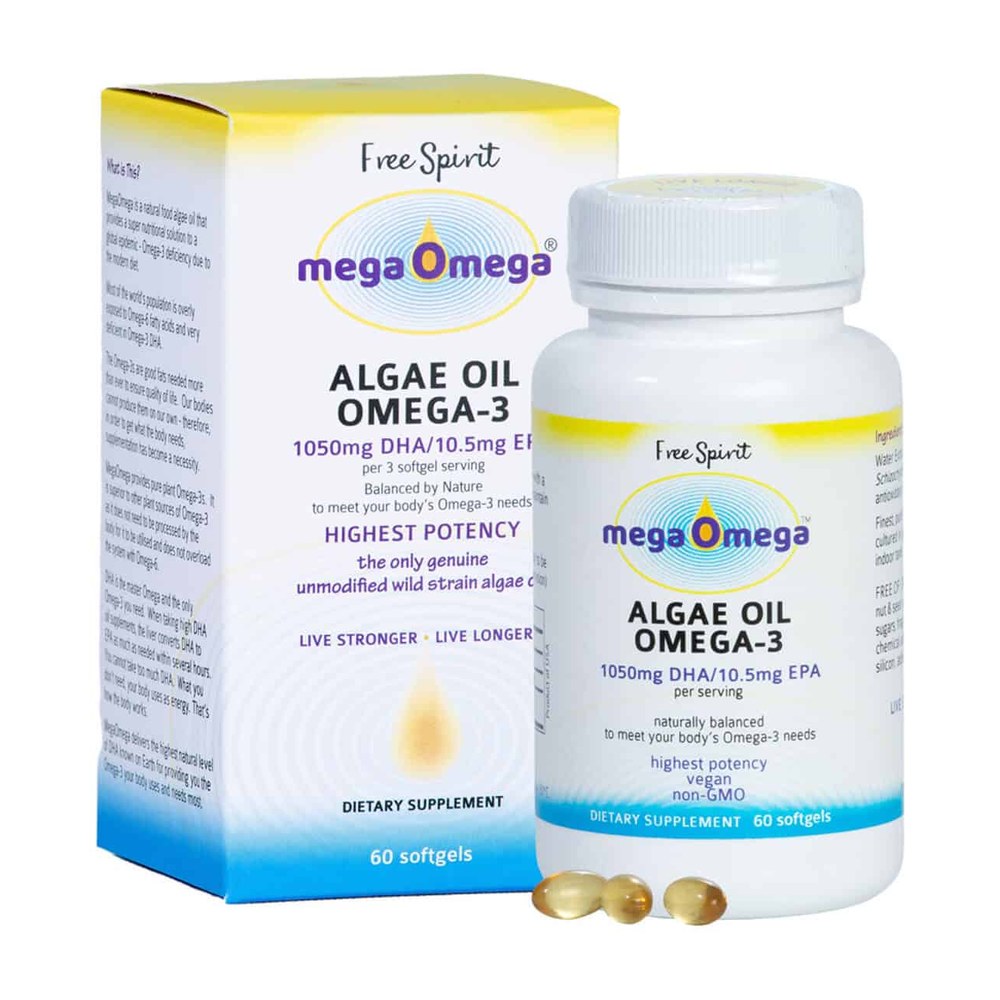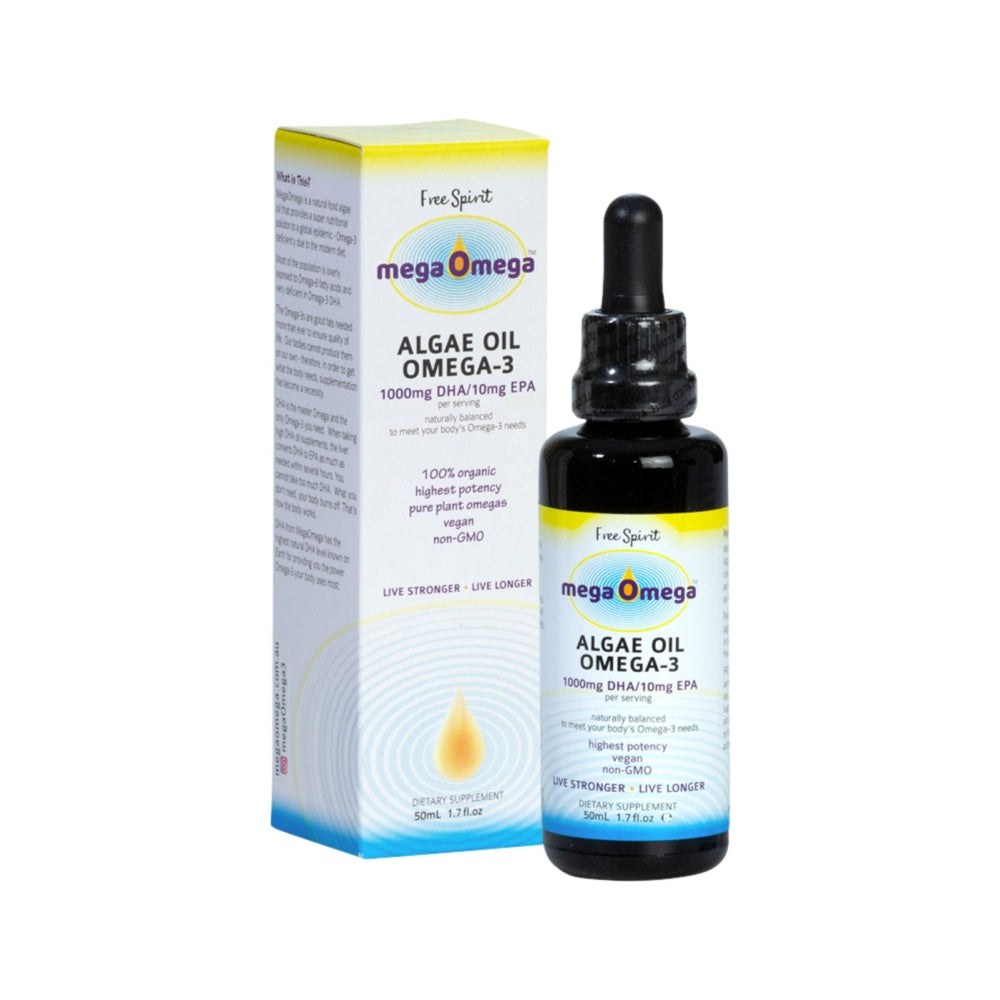
Omega 3 is one of the few supplements most dietitians will talk about without rolling their eyes, mainly because so few people eat oily fish often enough. The shelf has become a lot more crowded, though: fish oil, krill oil, cod liver oil, algae oil, flaxseed oil, liquids, gummies and capsules in every size. Most of the confusion clears up once you know which omega 3 you are after and where to find the real dose on the label.
Three omega 3s, not one
EPA and DHA are the long chain omega 3s found in oily fish and algae. They are the ones behind almost all the research on heart health, brain and eye development, and inflammation. DHA is a major structural fat in the brain and retina, which is why it matters so much in pregnancy and early childhood.
ALA is the plant form, found in flaxseed, chia, walnuts and hemp. It is good food, but the body converts only a small fraction of it into EPA and even less into DHA. A tablespoon of flax oil is not a stand in for a piece of salmon.
How much you need
The Heart Foundation recommends two to three serves of oily fish a week, which works out to roughly 250 to 500mg of EPA and DHA combined per day. Salmon, sardines, mackerel, trout and tinned tuna all count. If you already eat fish that often, you may not need a supplement at all. Higher doses are sometimes prescribed for specific conditions, such as high triglycerides, but that is a conversation with your doctor.
Getting it from food
Fish is still the best source, and some fish carry far more than others. A 100g serve of salmon or ocean trout gives you well over a gram of EPA and DHA, enough for several days. Sardines and mackerel, fresh or tinned, are close behind and cheap. Tinned tuna, especially light tuna in brine, has much less, so it counts as a serve of fish but not a big omega 3 hit. Smaller oily fish also sit lower in the food chain and carry less mercury, which is useful to know if you are pregnant or feeding young kids. Sardines on toast twice a week is a perfectly good omega 3 plan.
Reading the label
This is where most people get caught. A capsule labelled "1000mg fish oil" usually contains about 300mg of EPA and DHA, and the rest is other fats. Turn the bottle around and add up the EPA and DHA per capsule. That number tells you how many capsules you need a day, and makes it easy to compare a cheap bottle with a concentrated one. A concentrated oil often works out cheaper per milligram of EPA and DHA, with fewer capsules to swallow.
Freshness matters too. Omega 3 oils oxidise, and a rancid oil smells and tastes strongly of fish. Fishy burps are often a sign of an oil that has started to turn. Buy from a brand that publishes independent testing for purity and oxidation, keep the bottle in the fridge once open, and finish it within a couple of months. Purified fish oils are filtered for mercury and other contaminants, and an MSC or Friend of the Sea mark tells you the fishery is managed sustainably.
Pregnancy is the time to pay the most attention. DHA builds the baby's brain and eyes, especially in the third trimester, and Australian research has found that omega 3 in pregnancy can lower the risk of early premature birth. Many pregnancy multivitamins include some DHA, so check yours before buying a separate oil.
Algae oil, the vegan option
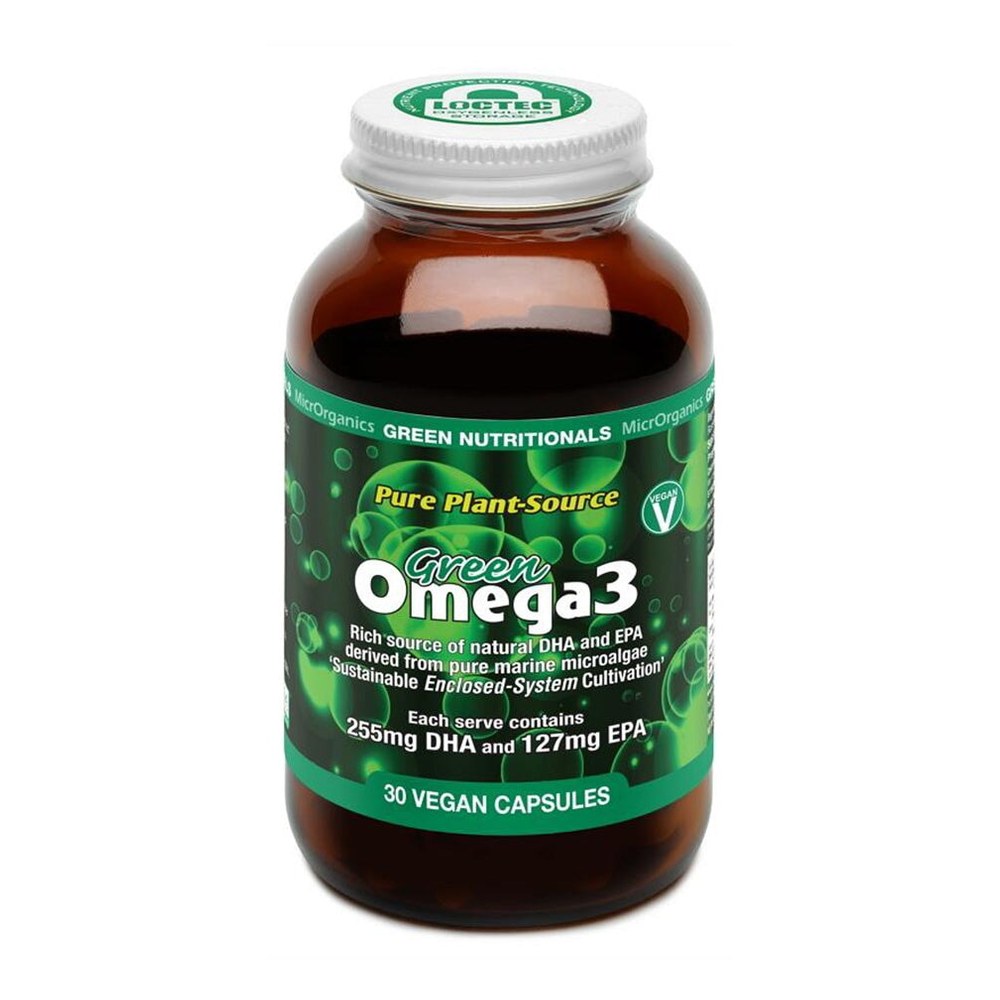
Fish do not make DHA themselves. They get it by eating algae, or eating things that eat algae. Algae oil cuts out the middle step. It is grown in tanks, so it is free of ocean contaminants, suitable for vegans and vegetarians, and kinder to fish stocks. Most algae oils are high in DHA and lower in EPA, though some newer ones carry both. It is usually dearer per milligram than fish oil, and well worth it if you do not eat fish, are pregnant and plant based, or simply cannot stand fishy burps.
Cod liver oil and krill oil
Cod liver oil supplies EPA and DHA along with vitamins A and D. That is useful through the short days of winter, but it means you should not double up with other vitamin A supplements, and pregnant women should check with their doctor first. Krill oil is marketed as better absorbed, but the EPA and DHA per capsule is usually low, so read the numbers before paying a premium.
Omega 3 supplements are safe for most people at normal doses, but talk to your GP before taking them if you are on blood thinning medication such as warfarin, have a bleeding disorder or have surgery coming up. If you are allergic to fish or shellfish, choose an algae based oil.
What we keep on the shelf
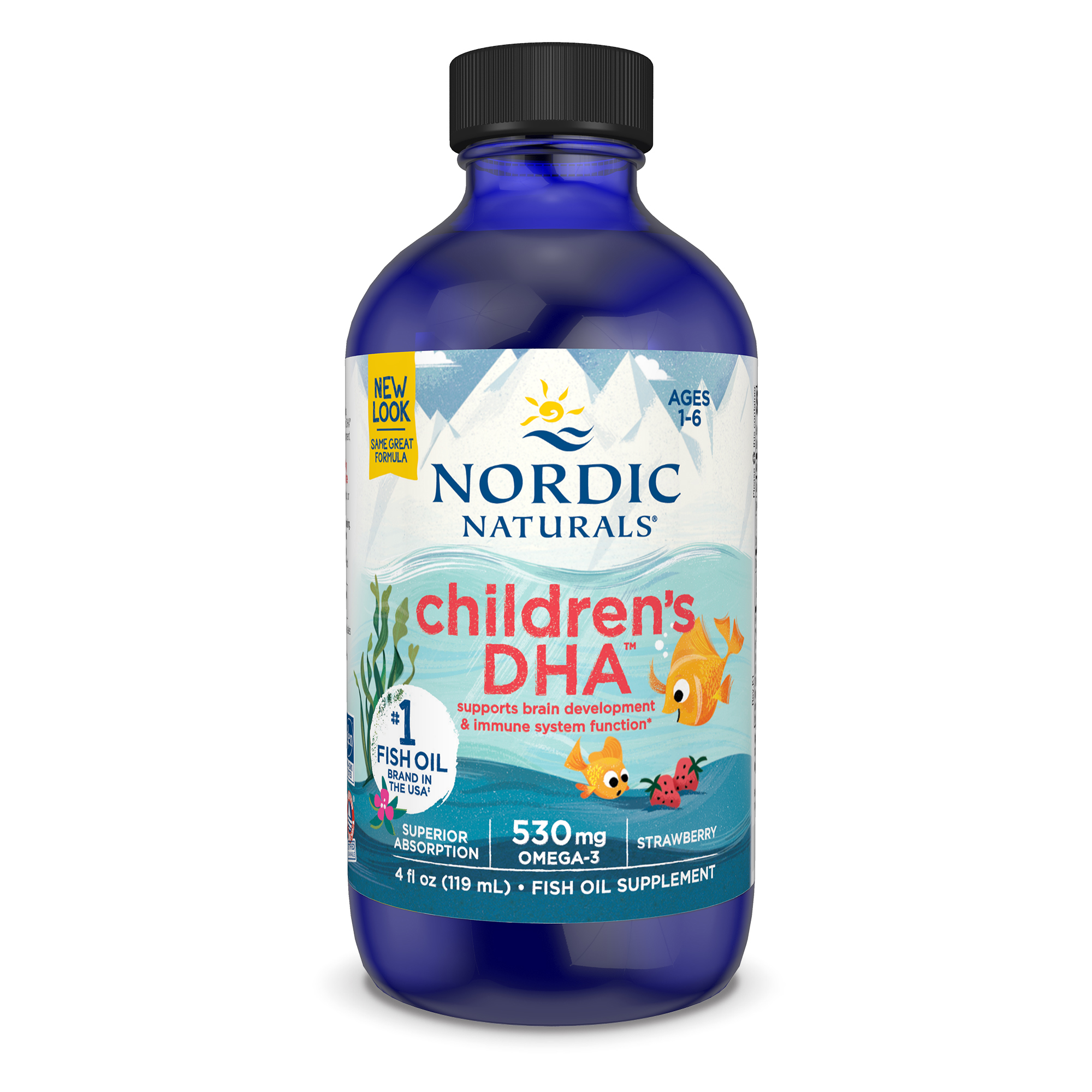
For children who will not swallow capsules, the Nordic Naturals liquid tastes of strawberry rather than the sea. If you want the plant omega 3s in food as well, our fibre guide covers chia and flax. More is under Vitamins and Supplements, and we are at 936 Anzac Parade, Maroubra.




 Coco's guideCeremonial cacao, cacao powder or cocoa?Which one to buy, and how to make a proper cup.Read the guide


 Coco's guideNatural deodorant that actually worksHow to survive the switch, and what to try first.Read the guide


 Coco's guideLow tox cleaning: five swaps to make firstRefills, castile and soapberries that really work.Read the guide


 Coco's guideHow to choose a natural sunscreenMineral or chemical, and one you will actually wear.Read the guide


 Baking & Raw Un-Baking
 Grains & Legumes
 Noodles, Pasta & Rice
 Herbs, Spices & Salts
 Oils
Oils Vinegars & Dressings
 Sauces & Marinades
 Condiments
 Sugars & Sweeteners
 Canned Goods
 Ready Made Mixes
 Bone Broth & Stock
 Snacks
 Bars
Bars Chips
Chips Fruit & Nuts
 Biscuits
 Crackers & Crispbreads
 Confectionery
 Cacao & Carob
 Dried Fruit
 Nuts & Seeds
 Chewing Gum & Lozenges