








Beef tallow for skin, and whether it lives up to the hype
Two years ago nobody walked in and asked for beef fat to put on their face. Now it happens several times a week, usually by someone who has watched a video about it and wants to know if we are going to tell them it is nonsense. We are not, but the honest answer has a few more parts than the videos allow for.
What tallow actually is
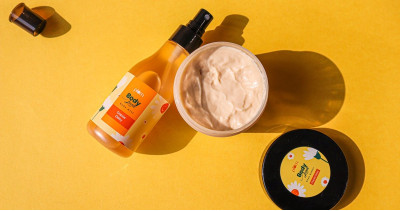
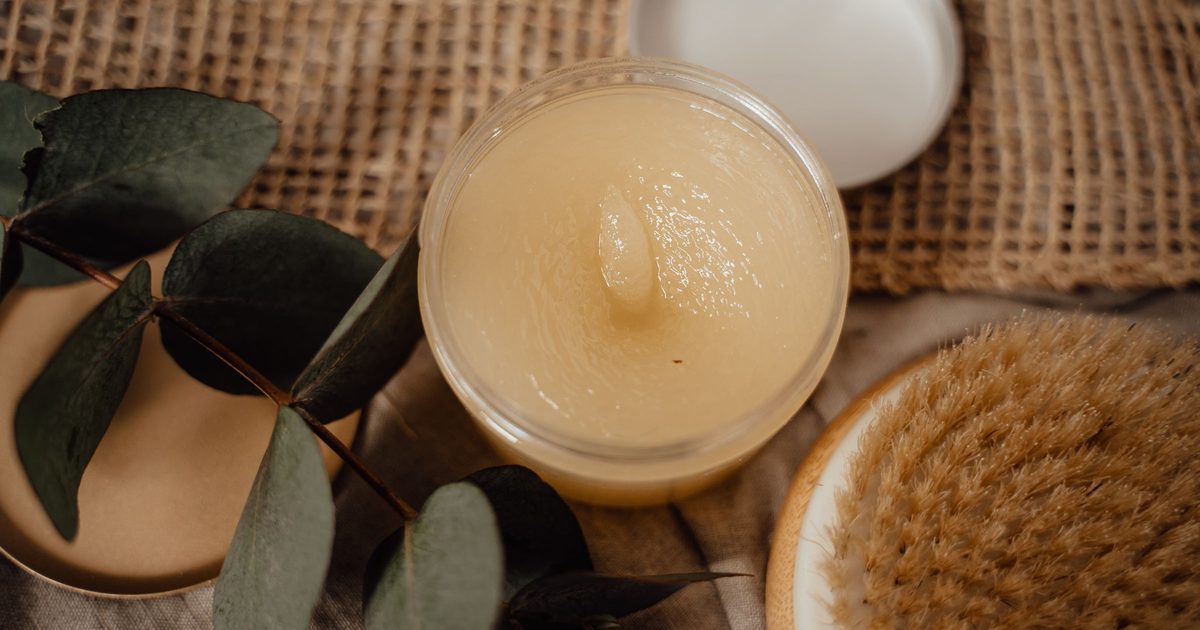
Tallow is rendered beef fat. The good ones use suet, the firm fat from around the kidneys of grass fed cattle, gently melted and strained until you get a smooth ivory solid that goes soft at body temperature. Most balms on our shelf are whipped with a little olive oil or jojoba to make them spreadable, and some have honey or beeswax in them. That is usually the whole ingredients list, which is a large part of the appeal for people who have spent years reading the back of moisturiser tubes.
Why people say it works
The argument you hear is that tallow is close in composition to sebum, the oil your own skin makes, so your skin recognises it and uses it rather than sitting on top of it. There is something in that. Tallow is largely oleic, palmitic and stearic acid, which are all present in human sebum, and being a fat it carries the fat soluble vitamins A, D, E and K. Whether that adds up to more than a plain occlusive moisturiser doing its job well is not settled by any decent research, and we are not going to pretend otherwise.
What we can tell you is what comes back over the counter. People with genuinely dry, tight, wind chapped or cracked skin tend to love it and repurchase. Cracked heels, gardeners hands, chapped lips, that patch on the shins that never behaves in winter. People with eczema prone skin often report it settles things between flares. It is a good moisturiser, and for some skin types it is the best one they have tried.
Who it does not suit
If your skin is oily, congested or acne prone, a rich tallow balm on your face is a gamble. Tallow is not officially rated as pore clogging, but it is heavy, and plenty of people find heavy anything makes their breakouts worse. If that is you, try it on your body and hands first, or use it only on dry patches rather than all over. Whatever your skin, patch test on your inner arm for a couple of days before you put it anywhere that matters, because that goes for every new product, not just this one.
Does it smell like a Sunday roast
A well rendered tallow smells faintly like nothing much, or slightly milky. A poorly rendered one smells like dripping, and once you notice it you cannot unnotice it. Most of the balms we carry are either unscented and neutral or lightly scented with essential oils, and the ones with honey in them read as sweet rather than beefy. If you are unsure, come in and open a jar. We would rather you sniff it here than post it back.
How to actually use it
Use far less than you think. Scrape a rice grain sized amount out with a clean fingernail, warm it between your fingertips until it turns to oil, then press it into slightly damp skin. Damp is the trick, because tallow is an occlusive and its main job is holding water in rather than adding it. Night time is the easiest place to start, since it has a satin finish that some people find too glossy for the office. On lips and cuticles you can be more generous.
The soap and lip balm side of it
Tallow soap is having its own quiet moment, and for once it is not a fad. Tallow has been the traditional base for hard bar soap for centuries because it gives a dense bar with a creamy lather that does not strip your skin the way a heavily detergent based bar does. Tallow lip balm is the same idea in miniature, and it stays put better than a coconut oil balm in the Sydney heat.
A few honest notes. Tallow is an animal product, so it is not for anyone eating or shopping vegan. Skip it if you have a known beef allergy. Plain tallow offers no meaningful sun protection at all, so it does not replace sunscreen, and the zinc sun balm is the only thing here built for that job. And eczema that is weeping, bleeding or spreading needs a GP or a dermatologist rather than a jar of balm.
What we keep on the shelf
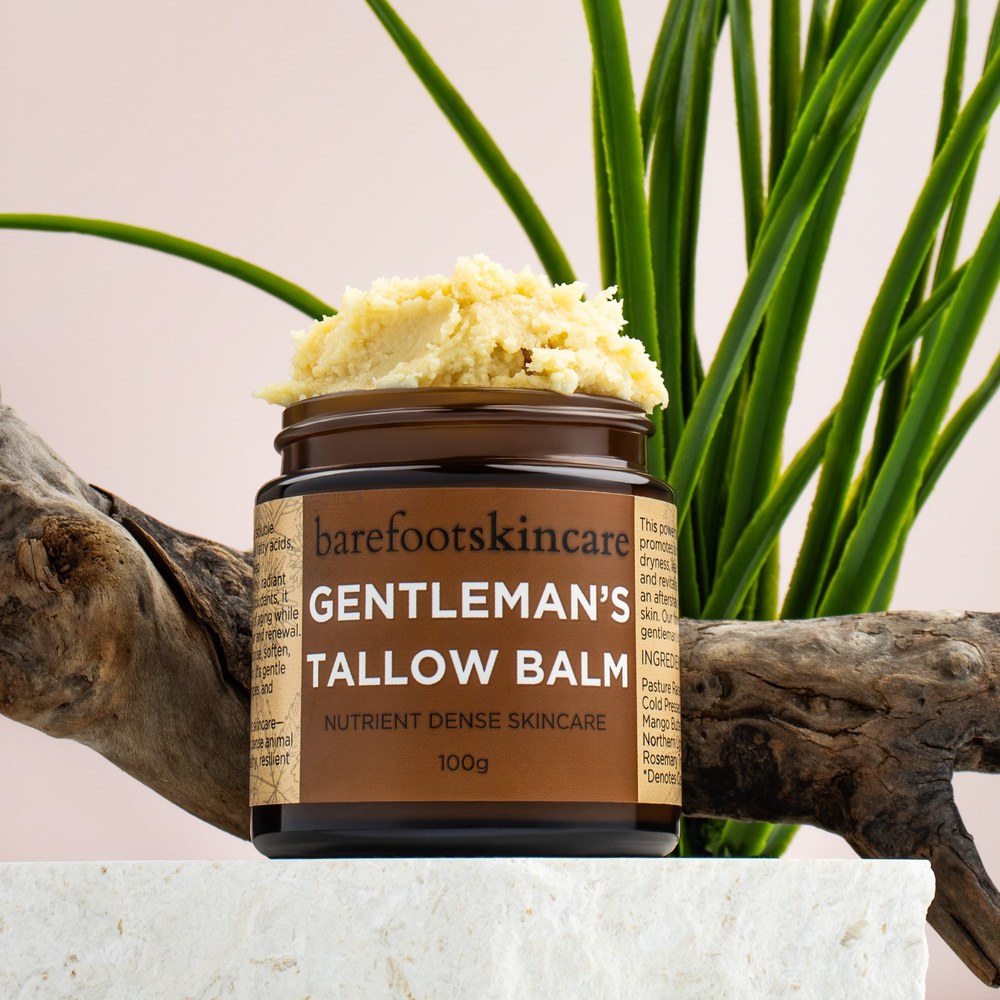
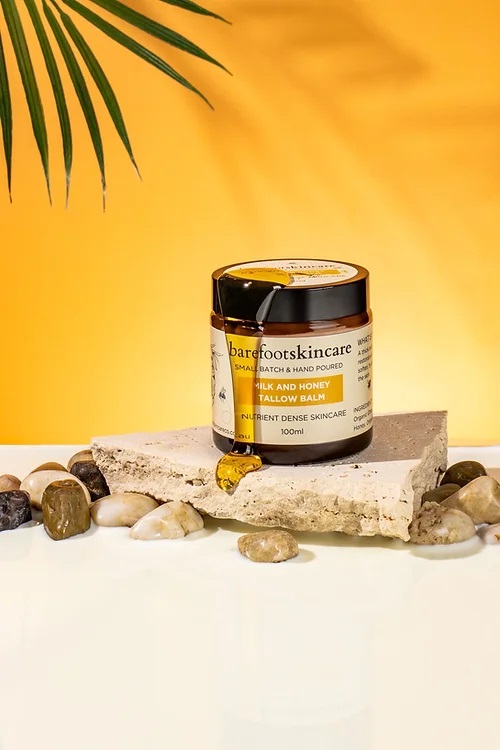
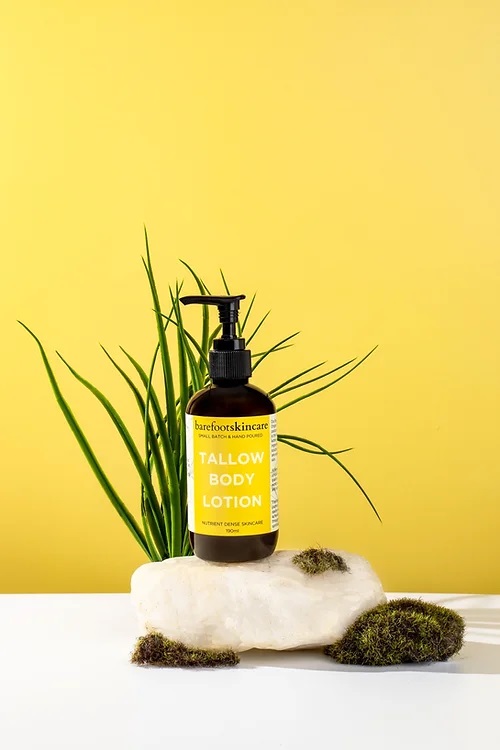
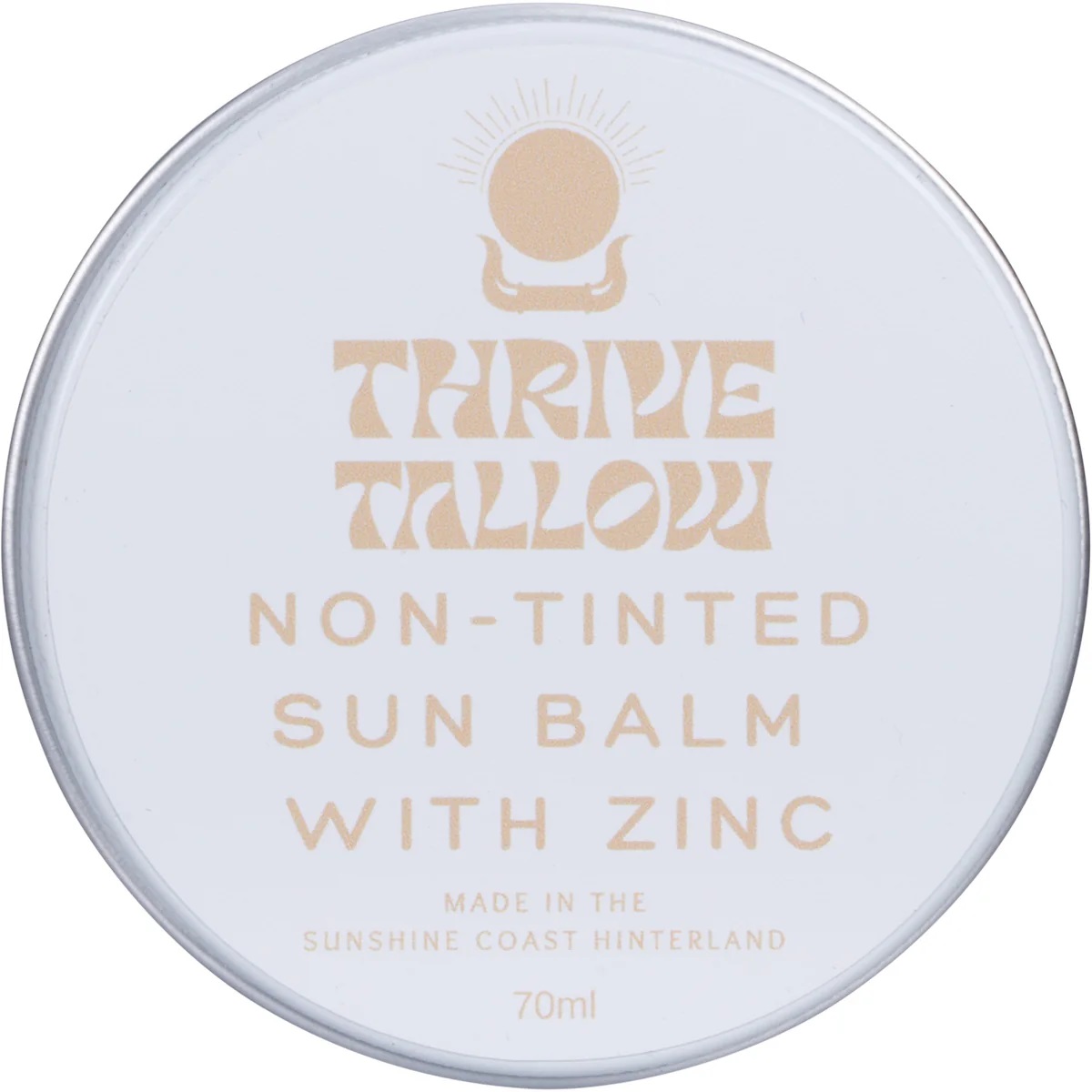
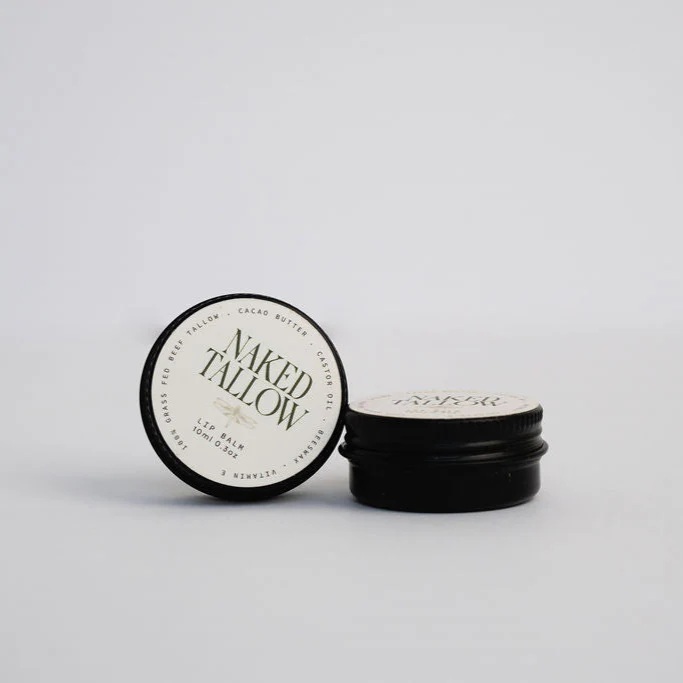
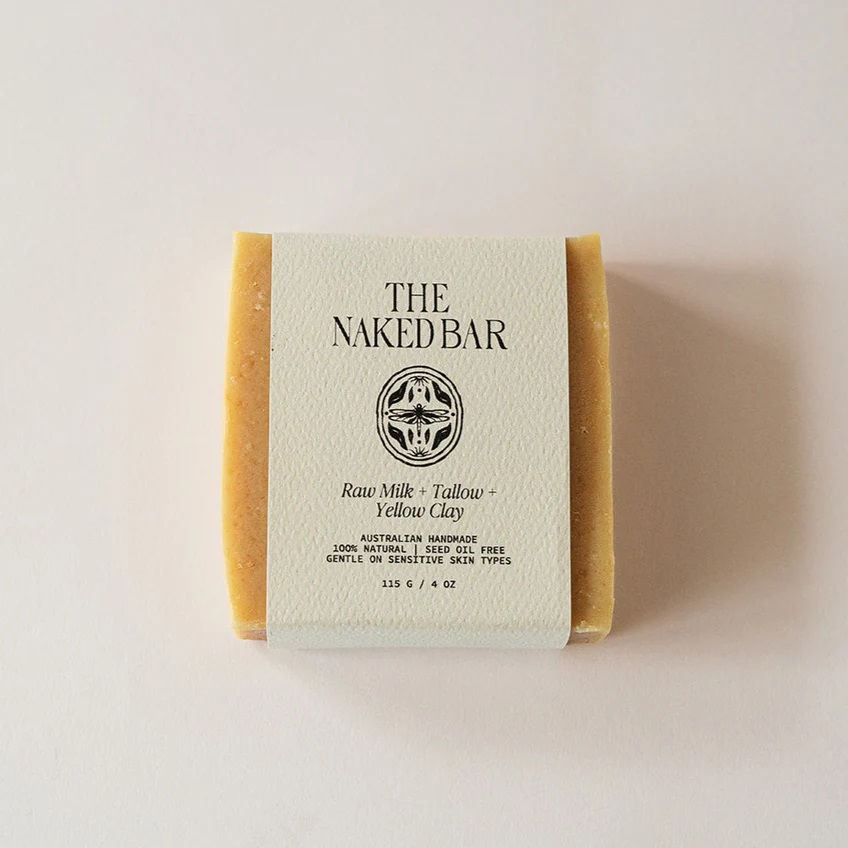
If you want the cheapest way to find out whether tallow suits you, start with a lip balm or a soap bar rather than a fifty dollar jar. Everything above sits under Skin Care and Body Care, and if you are sorting out the rest of your summer skin routine we also wrote about choosing a natural sunscreen you will actually wear. We are at 936 Anzac Parade, Maroubra, seven days a week.