The Japanese section is one of the odder corners of the shop and one of our favourites. It is not
a big range, but it is the range we get asked about most by people who have eaten something good
somewhere and want to make it at home.
If you are starting from nothing, these five will get you a long way.
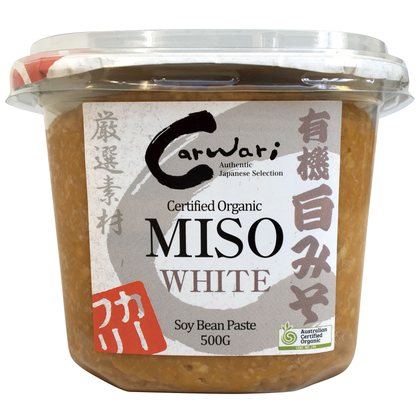
Miso
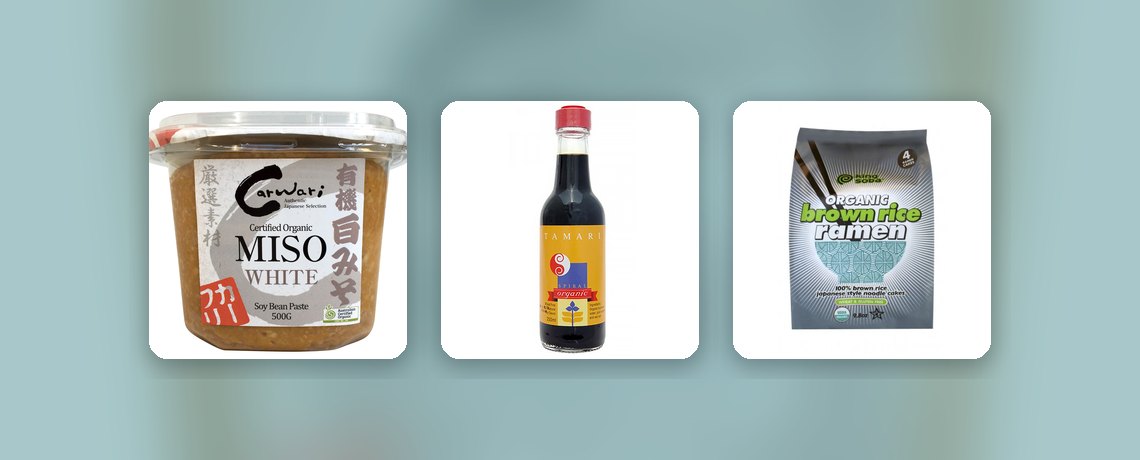
Fermented soybean paste, and the single most useful thing on this list. White miso is younger,
sweeter and milder. Red miso is fermented longer, saltier and much more assertive. If you are buying
one, buy white.
The unpasteurised versions are alive, which is the point. That also means you should not boil it.
Stir miso into soup once it is off the heat, or you kill the culture and dull the flavour. Beyond
soup it makes a very good marinade for eggplant or salmon, and a spoonful in a salad dressing with
tahini and lemon is better than it sounds.
Keep it in the fridge. It will last months.
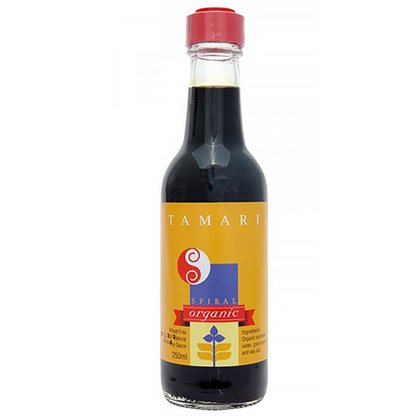
Tamari
Essentially soy sauce made with little or no wheat, so most tamari is gluten free where standard
soy sauce is not. It is also usually a bit rounder and less sharp. If you cook gluten free, this is
the swap that matters most, because soy sauce hides in everything.
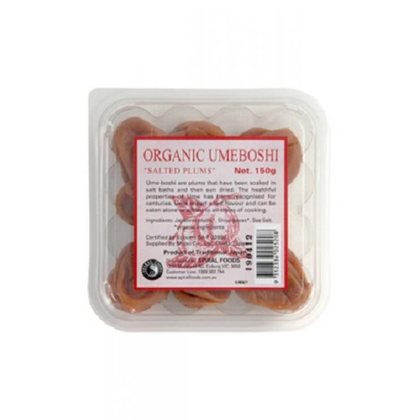
Umeboshi
Salted pickled plums, and they are a shock the first time. Intensely sour and very salty. In
Japan they turn up in rice balls and as a small thing on the side of a meal rather than something
you eat by the spoonful.
Start with a very small piece. Chopped into rice or mashed into a dressing they add a sourness
you cannot really get any other way.
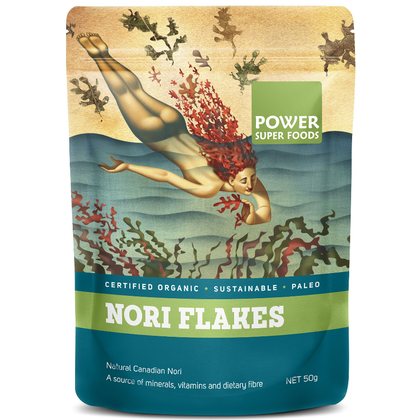
Nori and seaweed
Nori flakes are the low effort option. Scatter them over rice, eggs, avocado toast or soup for a
savoury, slightly oceanic hit. Sheets are for rolling, flakes are for everything else.
We also keep roasted seaweed snack packs, which children either love immediately or refuse
entirely, with very little middle ground.
Soba and ramen noodles
Buckwheat soba cooks in about four minutes and works hot in broth or cold with a dipping sauce in
summer. Worth checking the pack if you need gluten free, because plenty of soba is a buckwheat and
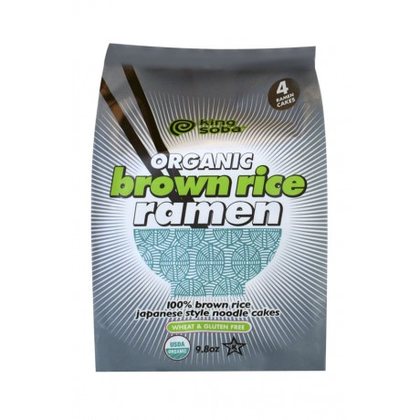
wheat blend. The King Soba brown rice ramen is entirely gluten free.
Cook them in plenty of water, then rinse under cold water to stop the starch turning them gluey.
This one step is the difference between good noodles and disappointing ones.
A very simple place to start
Boil water. Take it off the heat. Whisk in a heaped teaspoon of white miso per cup. Add sliced
spring onion, a handful of nori flakes and some cubed tofu if you have it. That is a five minute
lunch and it is the reason miso is worth having.
The full range is under Japanese Grocery, with more in
Noodles, Pasta and Rice and
Sauces and Marinades.