








Waking up at 3am, and what actually helps you sleep
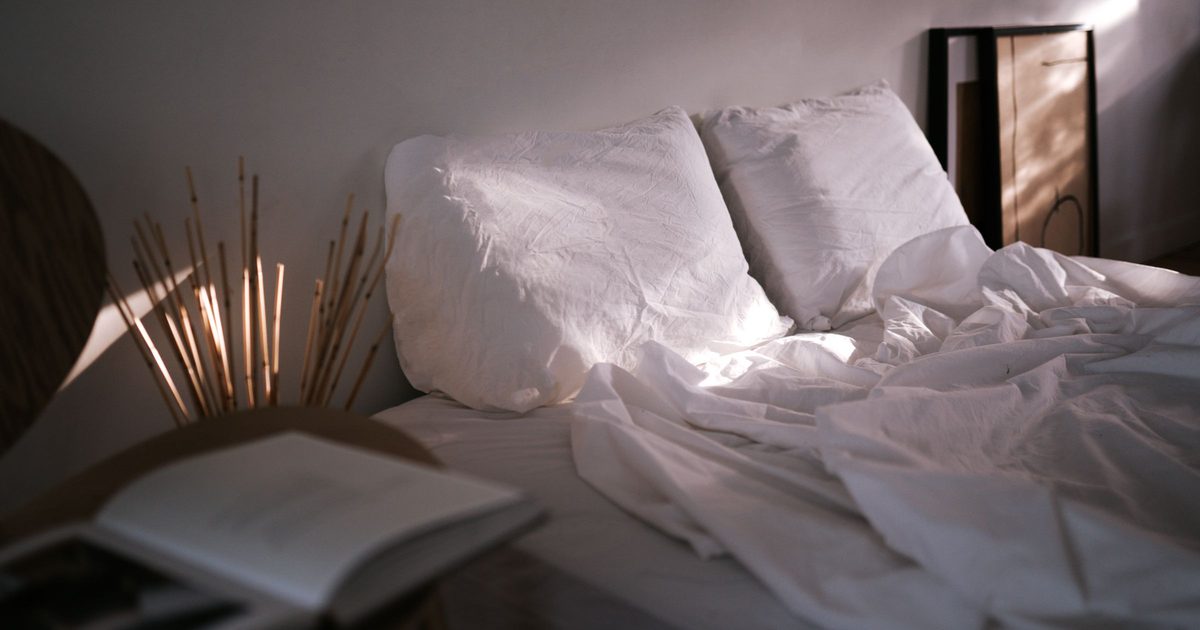
After magnesium, this is the thing we get asked about most. And the question is almost never how do I get to sleep. It is why do I fall asleep fine at ten and then find myself wide awake at ten past three, doing sums about work. If that is you, here is what actually seems to help, in the order we would try it.
Why 3am specifically
Your night is not one flat block. Deep sleep is loaded into the first half, and the second half is lighter and more dream heavy, which means you surface briefly several times without ever knowing it. Waking up at 3am is not the problem. Being unable to get back down is the problem, and that usually has a cause. The common ones are alcohol wearing off, a blood sugar dip, a full bladder, a warm room, and a brain that has decided the quiet is a good time to review your finances.
The unglamorous stuff, which works better than anything we sell
We would be doing you a disservice if we sold you a jar before mentioning this. Get up at the same time every day, including Saturday, because your wake time anchors everything else. Get bright light on your face within an hour of waking, which in Sydney is as easy as having your coffee outside. Put a hard stop on caffeine somewhere around midday if you are a poor sleeper, since it hangs around for far longer than most people assume. Keep the bedroom cool and genuinely dark. And be honest about alcohol, because two glasses of wine will knock you out at ten and then wake you at three like clockwork.

Magnesium, which is where nearly everyone starts
There is a good reason it is the first thing people reach for. Magnesium is involved in the nervous system settling down, plenty of us do not get much from food, and glycinate in particular is easy on the stomach and pairs the mineral with glycine, an amino acid that is calming in its own right. Take it about an hour before bed. If you would rather not swallow capsules, a hot bath with magnesium flakes does a genuinely good job of ending the day, partly through the magnesium and partly because a warm bath then a cool bedroom is a strong sleep signal on its own. We went through the different forms in detail in which magnesium is right for you.
L-theanine, for the brain that will not stop talking
This is the amino acid found naturally in green tea, and it is the one we suggest for people whose problem is mental rather than physical. They are not restless, they are thinking. Theanine tends to take the buzz off without making you groggy, which is why some people also use it during the day for nerves. It is not a sedative and it will not knock you out, so judge it on whether the 3am spiral is shorter rather than on whether you feel drugged.
Tart cherry, and the melatonin question
People ask for melatonin constantly. In Australia it is a prescription or pharmacy only medicine depending on the product, so it is not something a health food shop can sell you, and if you want it that is a conversation with your GP or pharmacist. Tart cherry is the food based cousin that keeps coming up, since it naturally contains small amounts of melatonin along with a pile of anthocyanins. The research is modest but real, mostly showing slightly longer total sleep. It is also popular with runners for muscle soreness, which is a handy side benefit if you are training.
Teas and herbs, and why the ritual is half the point
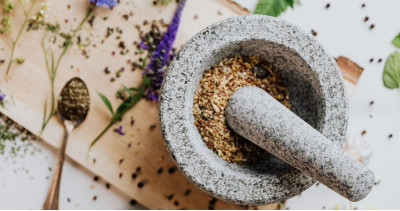
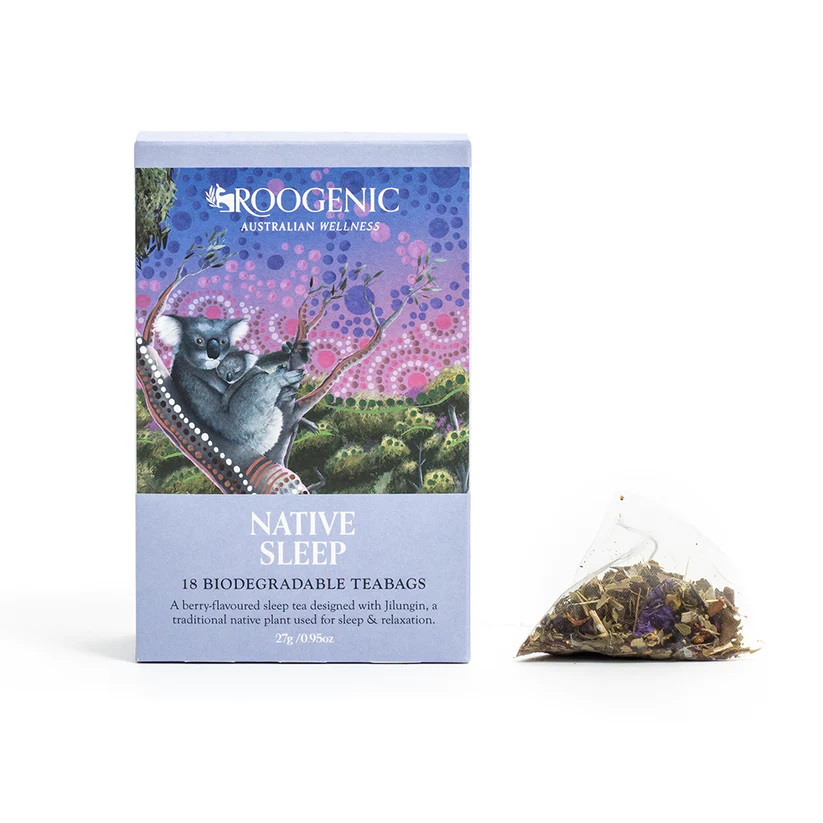
Valerian is the strongest of the traditional sleep herbs and it smells frankly awful, but a portion of people swear by it. Passionflower, chamomile, lemon balm and lavender are gentler and much nicer to drink. Do not underestimate what is happening here beyond the herbs. Making a pot of something warm at nine thirty, away from a screen, tells your body the day is closing. That is a real mechanism, not a placebo to be embarrassed about.
Breathing, and the mouth tape thing
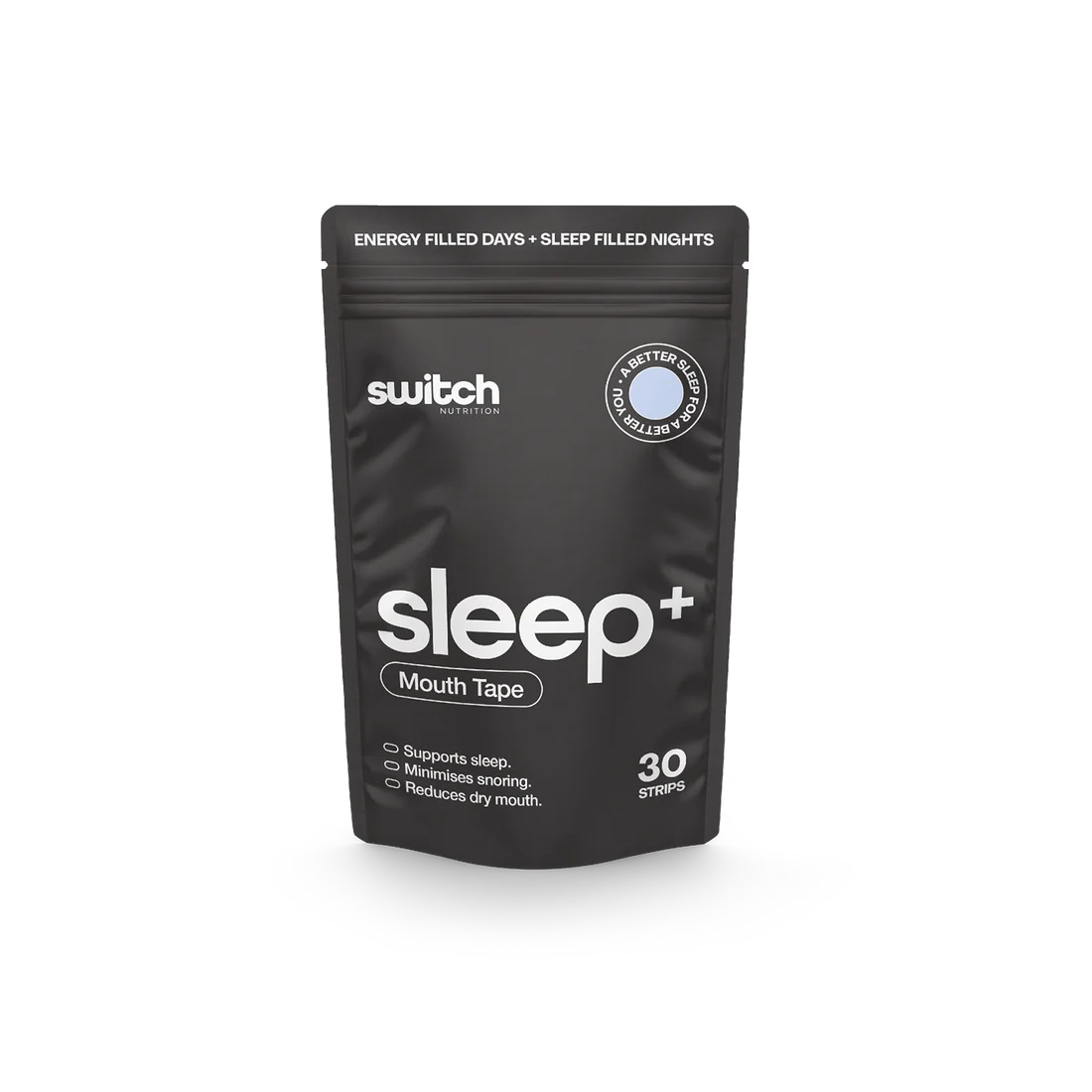
Mouth tape is all over the internet and we do stock it, so here is the balanced version. If you sleep with your mouth open you wake up with a dry mouth, a scratchy throat and often a headache, and nose breathing genuinely is better for you. Some people find a small strip of tape helps them keep the habit, and light snoring settles. But it is not for everyone. Do not use it if your nose is blocked, if you have had a few drinks, if you are unwell, or if you have any suspicion of sleep apnoea. Get the nose sorted first, with a saline rinse or by dealing with the hayfever, and see if you still need the tape.
The important one. If you snore heavily, if anyone has told you that you stop breathing in your sleep, or if you wake exhausted no matter how many hours you were in bed, please talk to your GP about a sleep study. Sleep apnoea is common, it is treatable, and nothing on our shelves will touch it. Also check with your pharmacist before adding anything if you are on medication, particularly sedatives or antidepressants.
What we keep on the shelf
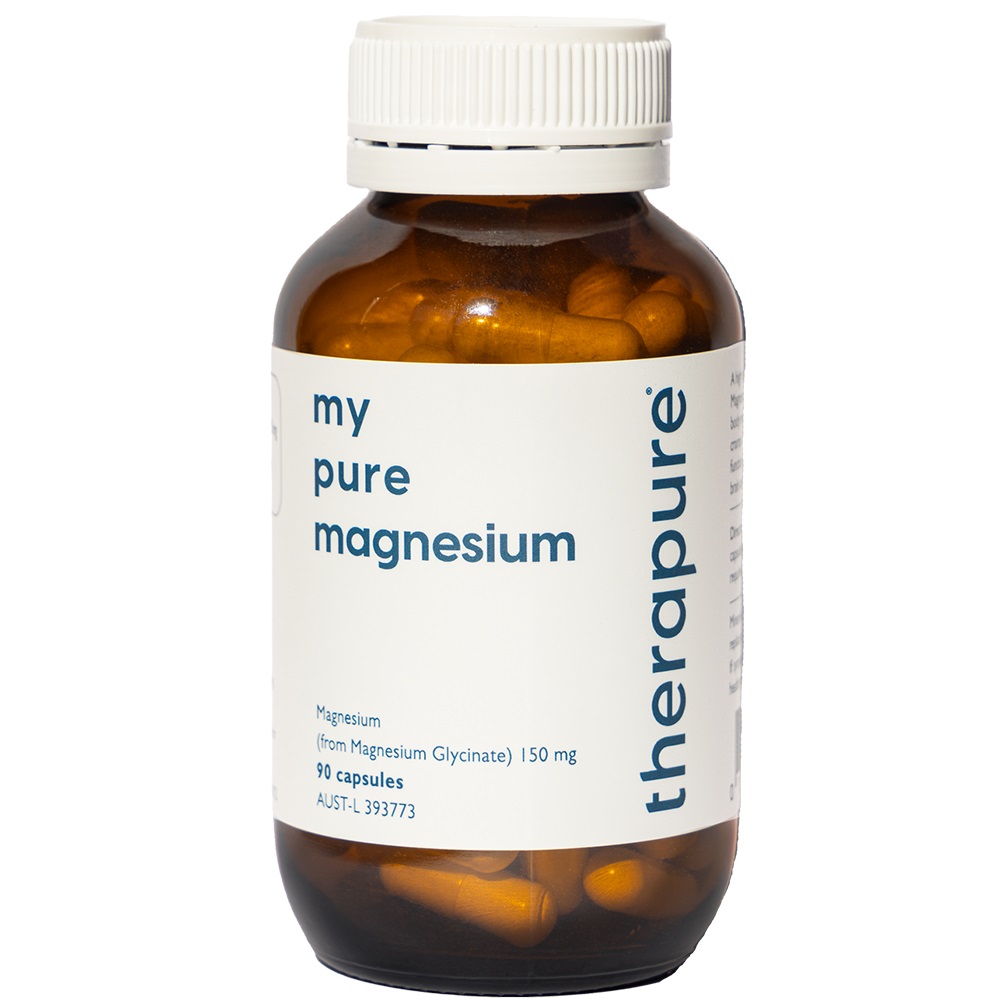
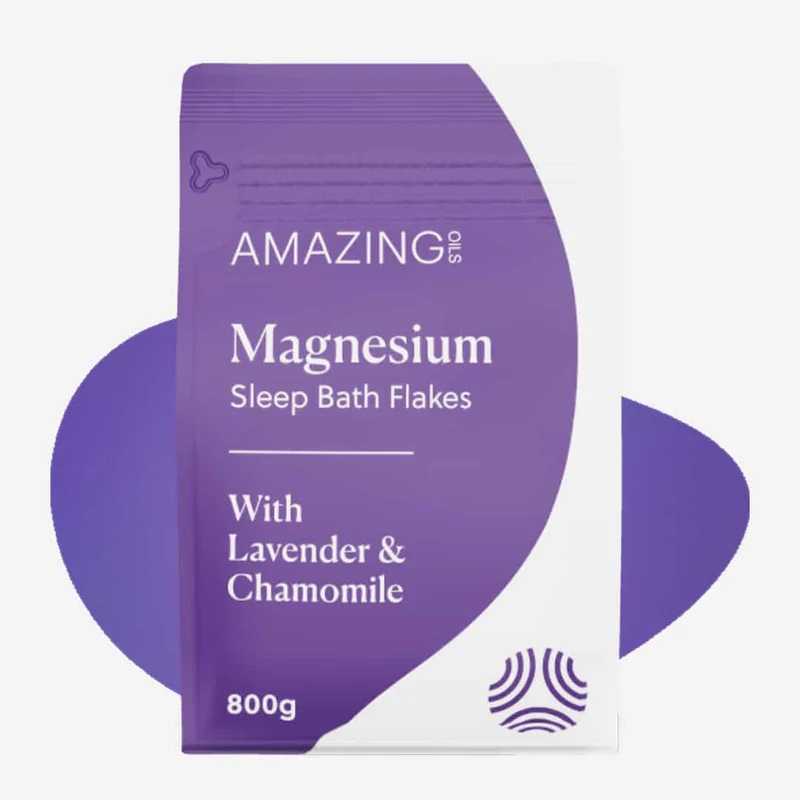
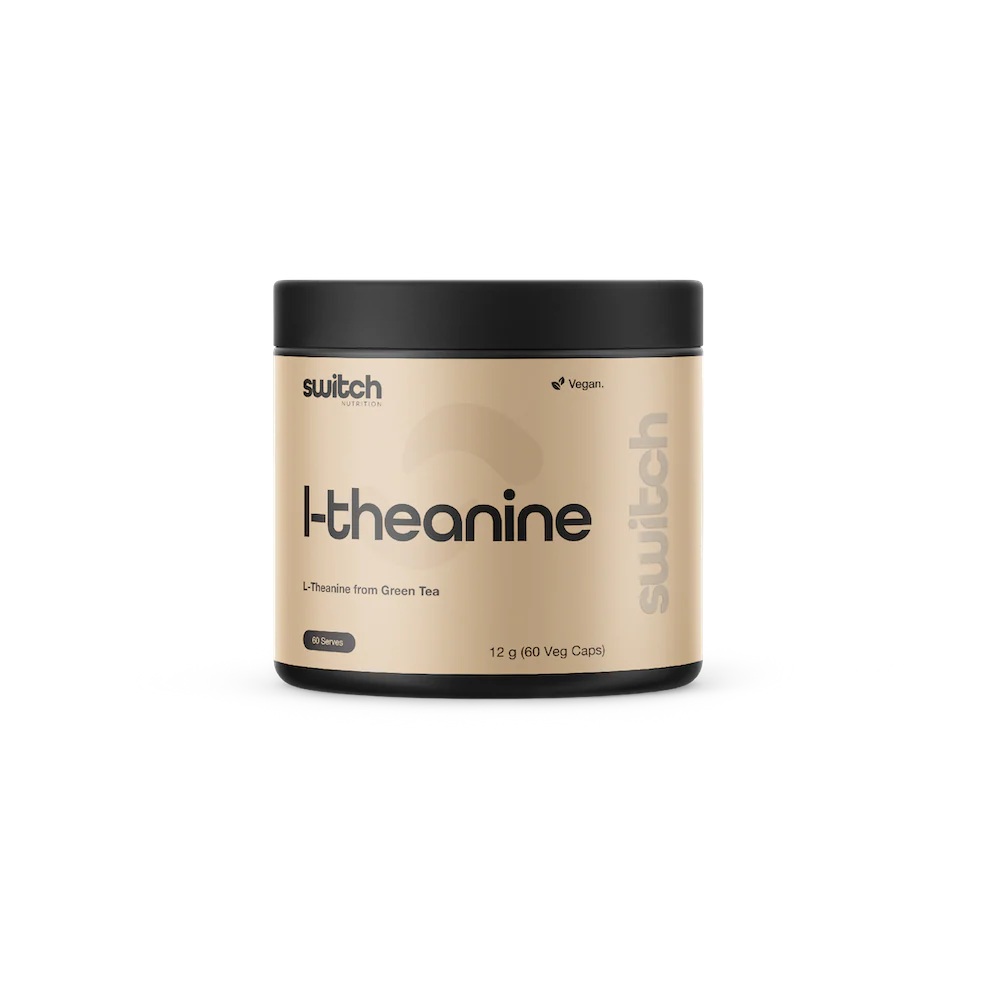
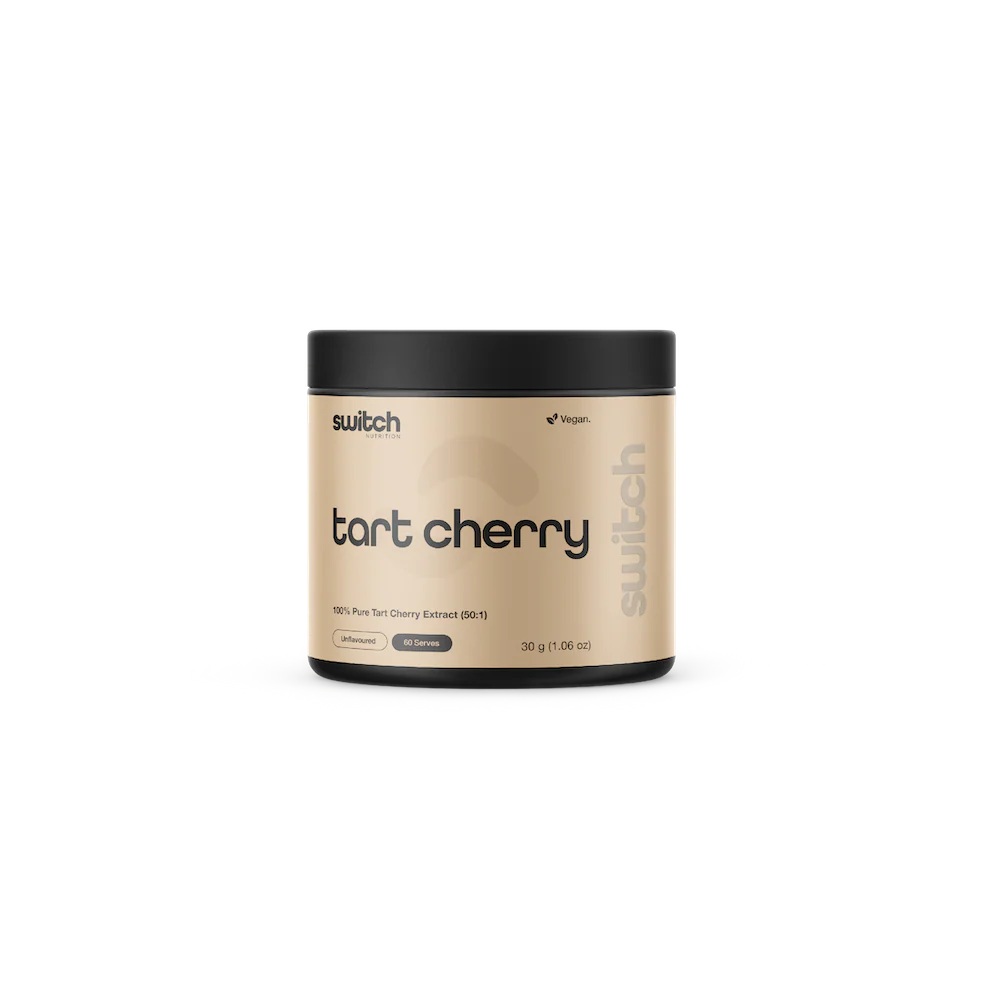
If you want a simple starting point, it is magnesium glycinate an hour before bed, a consistent wake time, and no caffeine after lunch for a fortnight. Give it two weeks before you judge it, because sleep changes slowly. The full range is under Sleep, Magnesium and Stress & Relaxation, and if the real issue is that you are wound up rather than tired, our piece on ashwagandha and the adaptogens is probably the more useful read. We are at 936 Anzac Parade, Maroubra, open seven days.