



Henna and plant hair colour: what to expect before you mix the first batch
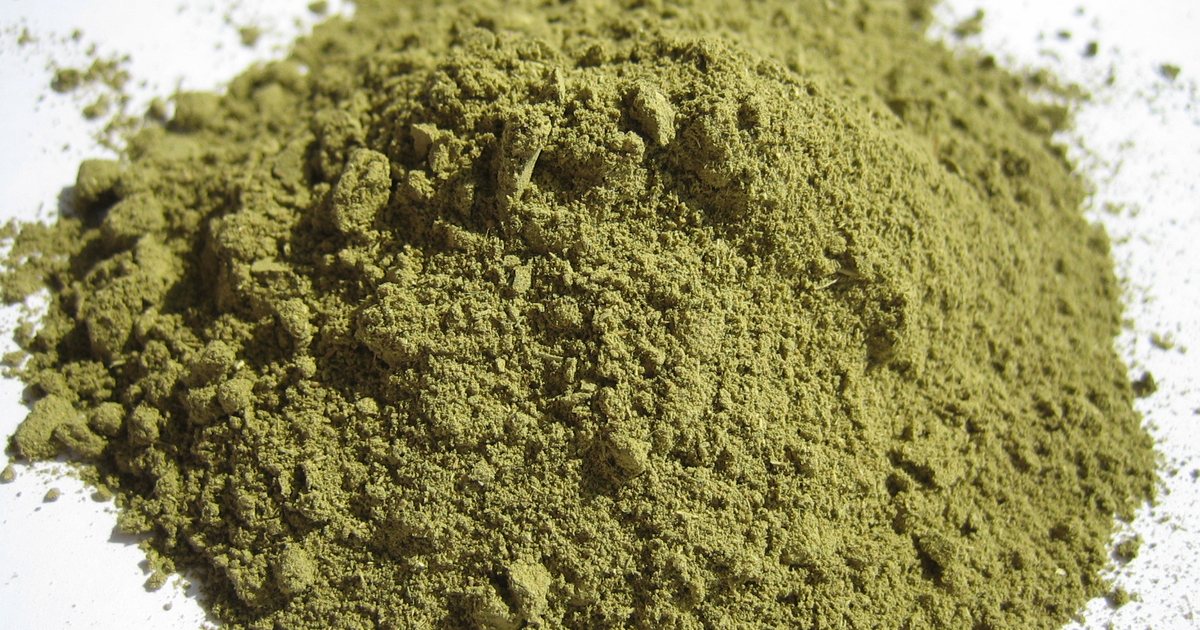
Plant hair colour has a loyal following. People come to it after a reaction to a salon dye, during pregnancy, or because they want to stop putting peroxide and ammonia on their scalp every six weeks. It can give rich, glossy colour that lasts. It also behaves differently from the box dye you may be used to, and most disappointments come from not knowing that before the first application. Here is what plant colour can do, what it cannot, and how to get a result you are happy with.
How henna works
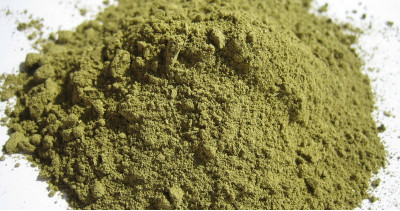
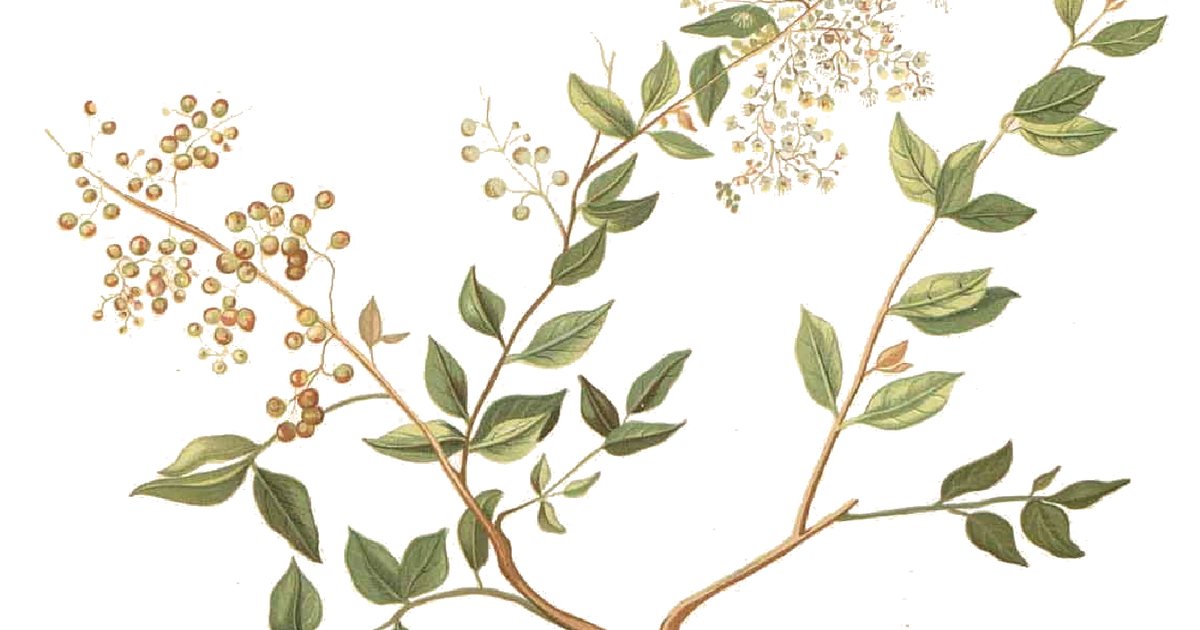
Henna is the powdered leaf of Lawsonia inermis, a shrub grown in hot, dry regions of North Africa, the Middle East and South Asia. The leaves contain a red-orange dye molecule called lawsone. When the powder is mixed with water and left on hair, lawsone binds to the keratin in each strand and stains it. It does not open the hair cuticle or remove your own pigment the way chemical dyes do. It coats and stains instead, which is why hair often feels thicker and shinier afterwards.
Pure henna only gives one family of colour: red, from bright copper to deep auburn depending on your starting shade. For brown and black tones, makers add or follow with other plants. Indigo, from the Indigofera plant, gives blue-black and is layered with henna to make brown. Cassia gives a pale gold on light hair and adds shine without much colour on dark hair, which is why it is sold as neutral henna. Amla, hibiscus, walnut and other herbs tweak the tone.
What plant colour can and cannot do
- It cannot lighten. Plant colour only adds pigment. If you want to go lighter than you are now, it will not get you there.
- It builds up. Each application deepens the colour. That is useful for grey coverage, but it means the result is hard to reverse. Henna grows out rather than washing out.
- Grey takes more than one go. On white or grey hair, henna alone turns bright orange. A second application, or a brown blend on top of a red base, settles it into a natural shade. Desert Shadow, for example, suggests a Red Shadow base first on hair that is more than half grey or light blonde.
- The colour keeps developing. Henna darkens as it oxidises over two to three days, so do not judge the result straight out of the shower.
Black henna: avoid it
Natural henna is never black. Products sold as black henna, especially for temporary tattoos at markets and on holidays overseas, often contain para-phenylenediamine (PPD), a hair dye chemical that is not allowed on skin in that strength. It can cause severe blistering, scarring, and a lifelong allergy to most permanent hair dyes. Product Safety Australia has warned about it for years. If a henna product promises jet black in one step, check the ingredient list for PPD, or skip it.
Two tests, 48 hours ahead. Mix a little colour and dab it behind your ear or inside your elbow, then leave it for 48 hours to check for a reaction. At the same time, colour a small snip of hair from your hairbrush to see the real shade on your hair before you commit to your whole head.
Henna and chemical colour don't mix well
Some cheaper henna products, called compound henna, contain metallic salts. These can react with bleach, peroxide and perm solutions, causing unpredictable colour, heat or breakage. Pure henna does not contain them, but even pure henna can make later chemical colour or lightening patchy. If you have had henna in the last year or so, tell your hairdresser before any salon service. Going the other way, from recently bleached or permed hair to henna, a strand test is essential.
Applying it at home
- Start with clean hair. Wash with shampoo and skip conditioner so the colour can grip. Our natural shampoo guide covers gentle options.
- Prepare. Wear gloves and an old towel. Rub a little oil or balm along your hairline and ears, since henna stains skin too.
- Mix in glass or plastic. Avoid metal bowls and spoons. Use warm, not boiling, water and follow the pack for consistency, usually something like thick yoghurt.
- Apply in sections. Work from the roots outward, cover with a shower cap, and leave it on for the time on the pack. Longer generally means deeper colour.
- Rinse well. Rinse with water until it runs clear, then condition. Many people wait a day or two before the next shampoo to let the colour settle.
Looking after coloured hair
Henna can leave some hair feeling a little dry, especially if it is fine. A rich conditioner or a few drops of oil on the ends helps. Between colours, henna shampoos and conditioners are a gentle way to keep red and gold tones looking warm. They contain henna extract for shine and do not colour the hair themselves, so they are fine to use even if you colour with something else.
Is it right for you?
Plant colour suits you if you want to deepen, warm up or cover grey with a natural looking result, and you are happy to stay within the red to dark brown range. It is less suited to going lighter, to cool ash tones, or to switching shades often. If you are pregnant or have sensitive skin, a patch test matters just as much with plant colour as with any other dye.
Plant hair colour from our shelves
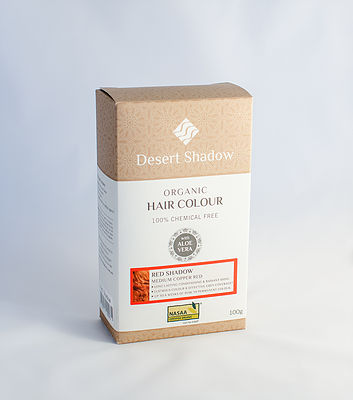
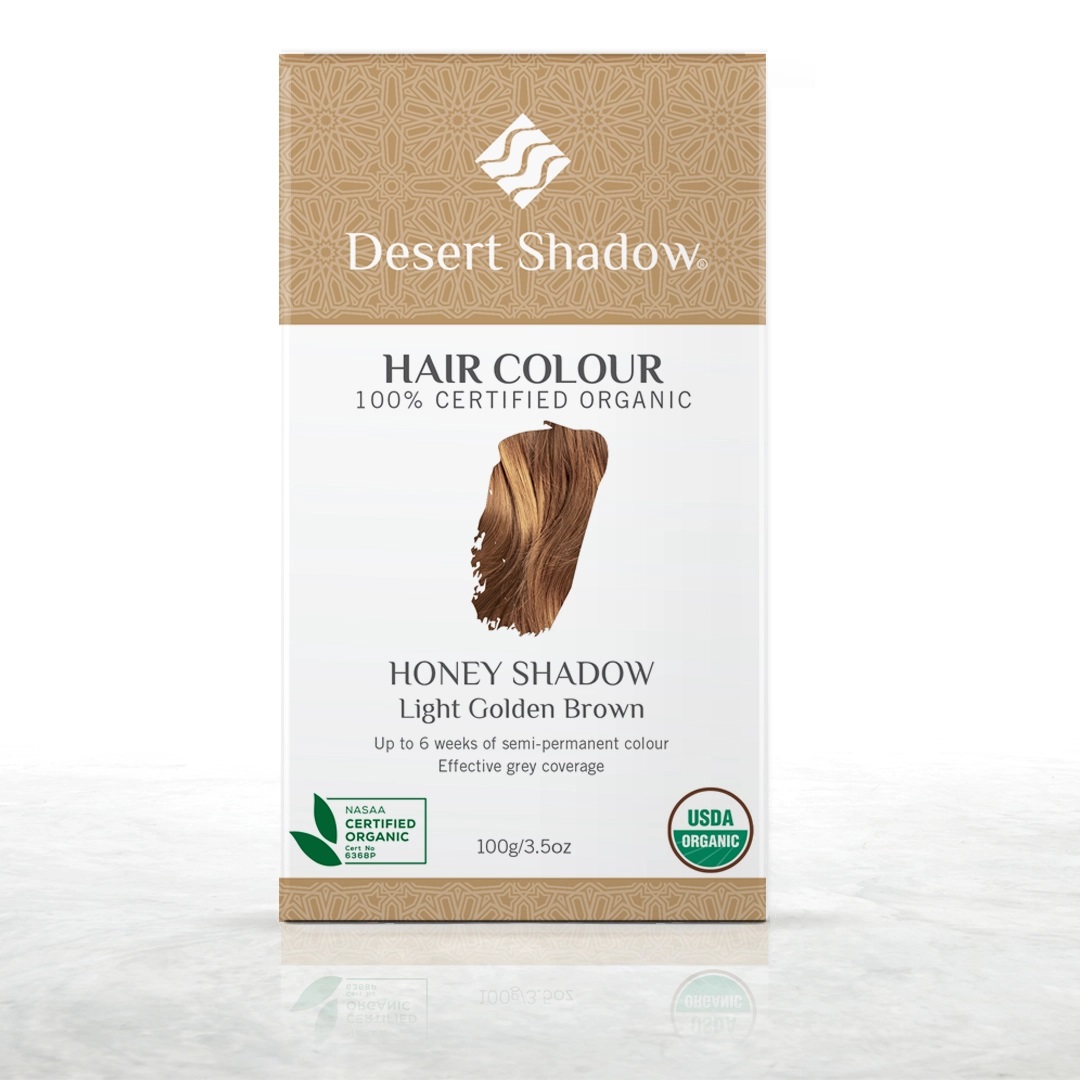
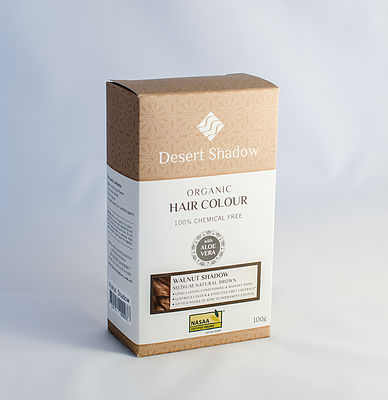
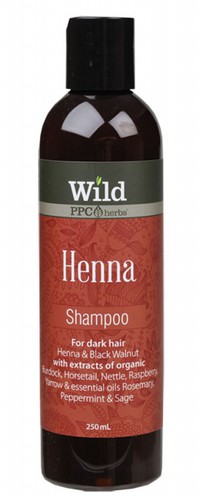
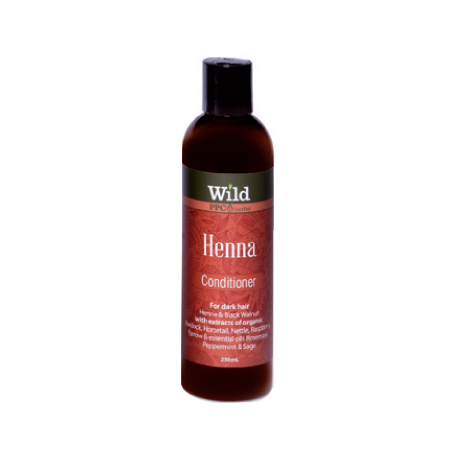
See the full range in Hair Care. Always follow the mixing and timing directions on the pack, and do a patch and strand test 48 hours before every use.