





Matcha at home, and what ceremonial grade actually means
Five years ago matcha was a thing we sold about one tin of a month. Now it is the busiest corner of the tea wall, and at least twice a week someone comes in with a photo on their phone of a very green drink from a cafe in Bondi, asking how to make that at home for less than nine dollars a go. So here is the whole thing, plainly.
What matcha actually is
Green tea leaves are usually steeped and thrown away. With matcha you drink the leaf. The plants are shaded for a few weeks before picking, which pushes up the chlorophyll and the amino acids, then the best leaves are dried, destemmed and stone ground into a powder fine enough to feel like talc between your fingers. That is why matcha is more expensive than a box of green tea bags, and why it tastes like nothing else. It is also why the freshness date on the tin matters more than most people realise.
Ceremonial, premium, culinary, and what those words are worth
None of these grades are legally defined in Australia, so treat them as a description of intended use rather than a certificate. In practice, ceremonial grade means the young top leaves, ground finest, meant to be drunk with just water. It is the sweetest and the least bitter, and it is the one to buy if you drink matcha straight. Culinary grade uses older leaves, tastes stronger and more astringent, and is built to hold its own against milk and sugar in a latte or a cake.
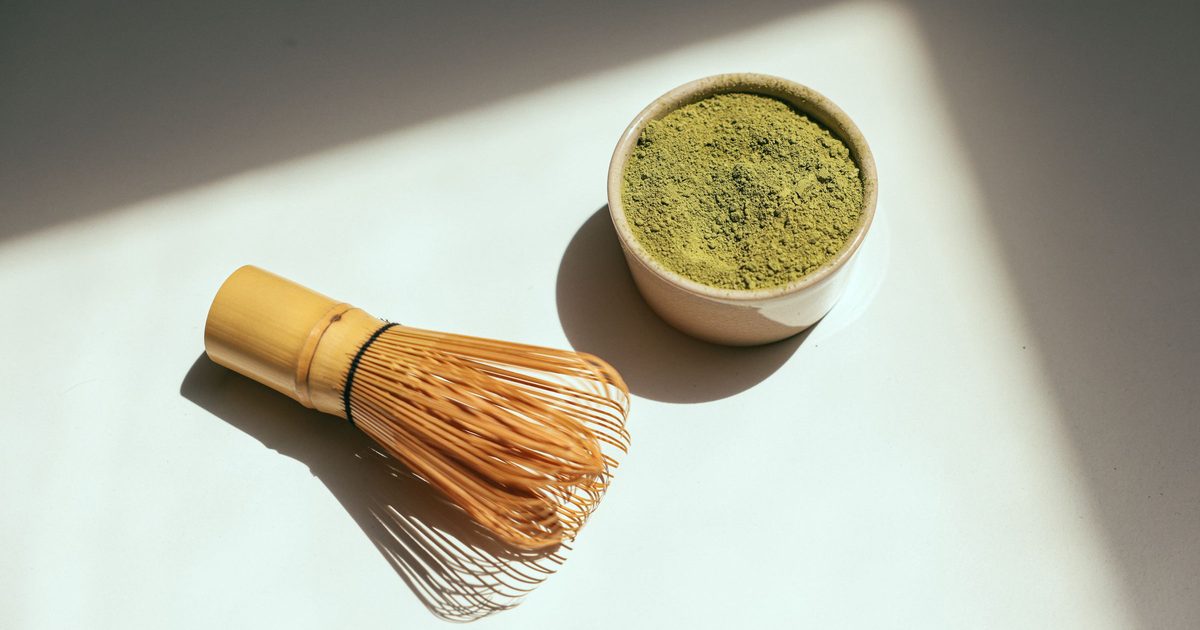
The most reliable test is your eyes. Good matcha is a vivid jade green, almost fluorescent. Dull, khaki, olive or yellowish powder means older leaves, oxidation, or both, and it will taste flat and bitter no matter how carefully you make it. Buy small tins, keep them sealed in the fridge once opened, and finish them within a month or two.
How to make one that does not taste like a lawn
Almost every bad cup of home matcha comes down to two things, lumps and boiling water. Fix those and you are most of the way there.
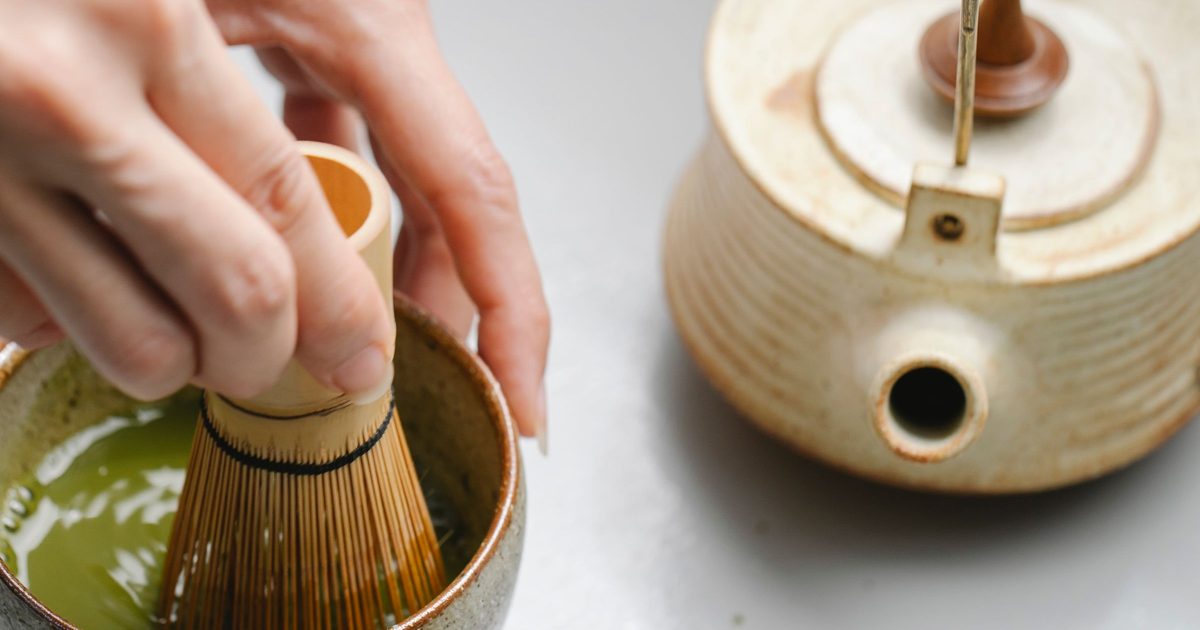
Sift one to two teaspoons of powder through a small tea strainer into your bowl. Add about 60ml of water at roughly 75 to 80 degrees, which is a kettle boiled and then left to stand for three or four minutes, or a splash of cold water added to boiling. Whisk briskly in a W or M shape rather than stirring in circles, keeping the whisk near the surface, for about twenty to thirty seconds until you have a fine foam on top. Drink it while it is hot and foamy. If you want a latte, whisk that paste first and then pour your milk in, because dumping powder into milk guarantees lumps.
The iced version most people actually drink
Whisk the powder with a small amount of room temperature water first, fill a glass with ice, pour over your milk of choice, then add the matcha last so you get that layered look. Oat milk is the crowd favourite because the natural sweetness balances the grassiness, and a barista blend froths better if you want it thick. Now that the weather is turning this is the version we get asked about most, and honestly it is the easiest place to start.
Caffeine, and why it feels different to coffee
A cup of matcha lands somewhere around 35 to 70mg of caffeine depending on how much powder you use, so less than a double shot but more than a bag of green tea. What people notice is the character of it rather than the amount. Matcha is high in L-theanine, an amino acid that tends to take the edge off caffeine, so the lift feels steadier and the drop off is less obvious. That is the honest reason so many of our customers moved across from their second and third coffee of the day. If you are working on cutting back more broadly, we wrote about the rest of the options in what to drink when you are cutting back on coffee.
Do you really need the bamboo whisk
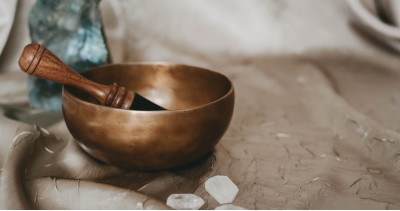
A chasen, the bamboo whisk, is still the best tool for the job because the hundred odd tines break up clumps in a way a spoon never will, and they are not expensive. That said, a small electric milk frother works well, and the cheat that gets used most in real kitchens is a screwtop jar. Powder, water, lid on, shake hard for fifteen seconds, pour. Rinse a bamboo whisk in warm water only, never soap, and stand it upright to dry.
Two honest notes. Matcha is not a free pass on caffeine, so if you are pregnant, sensitive to stimulants or already lying awake at night, count it in your daily total the same way you would a coffee. And green tea tannins reduce how much iron you absorb from plant foods, so if you are working on low iron, keep your matcha well away from meals rather than with them.
What we keep on the shelf
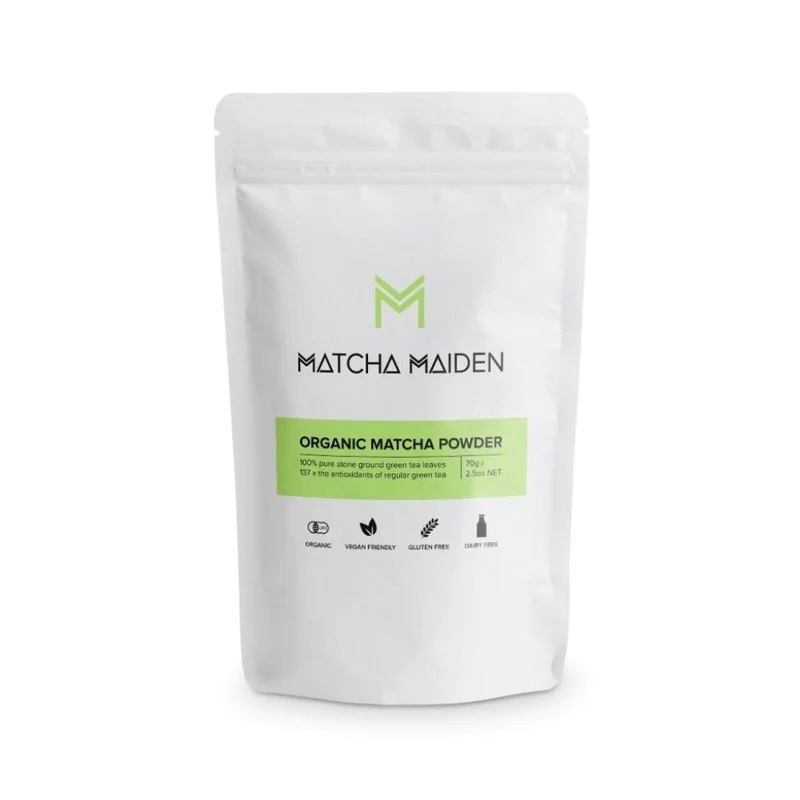
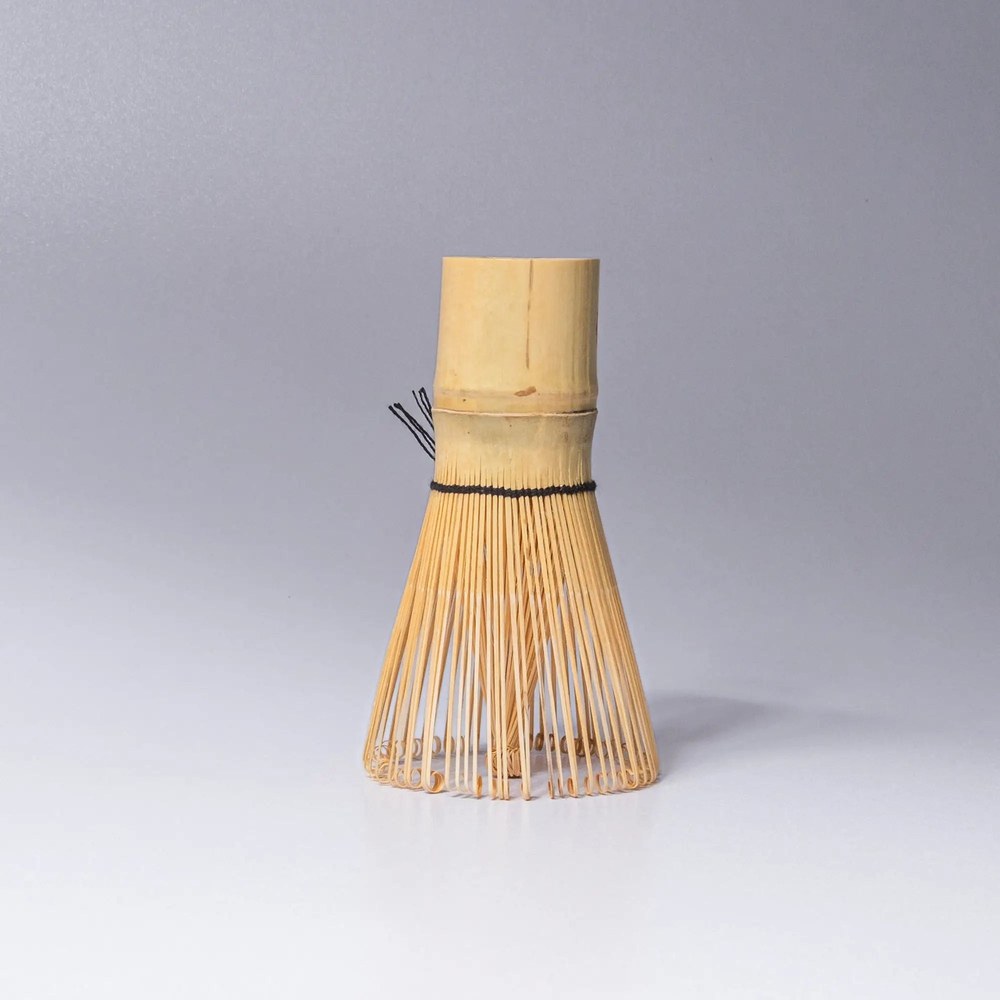
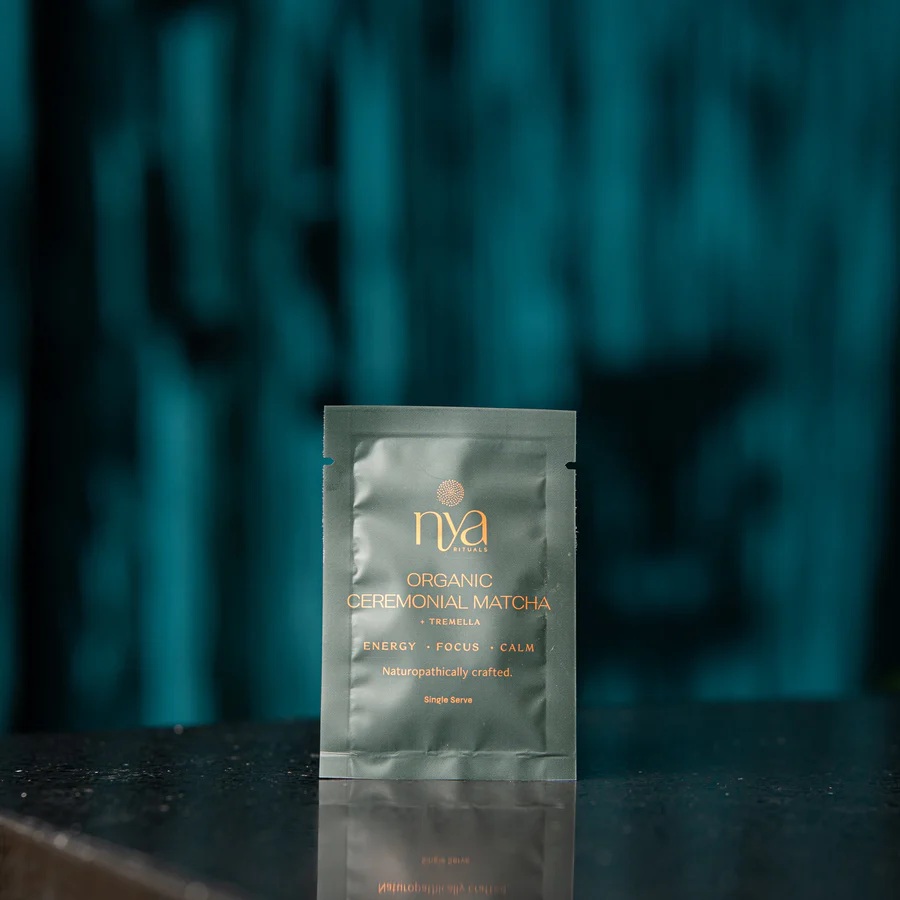
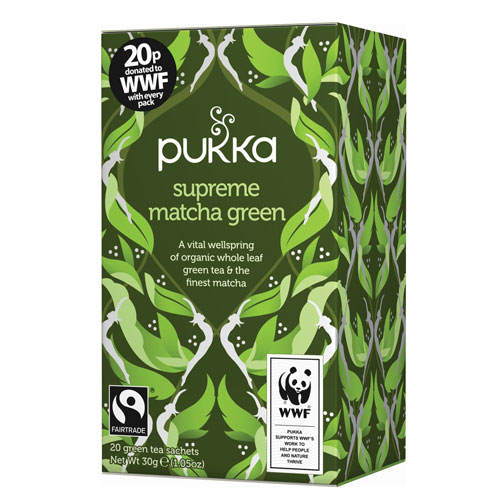
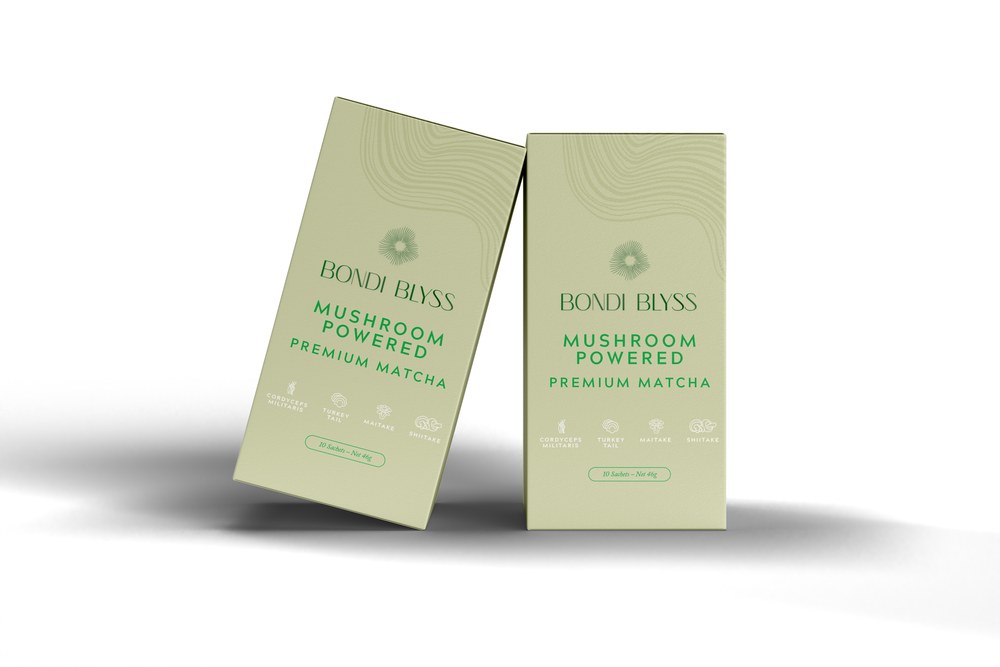
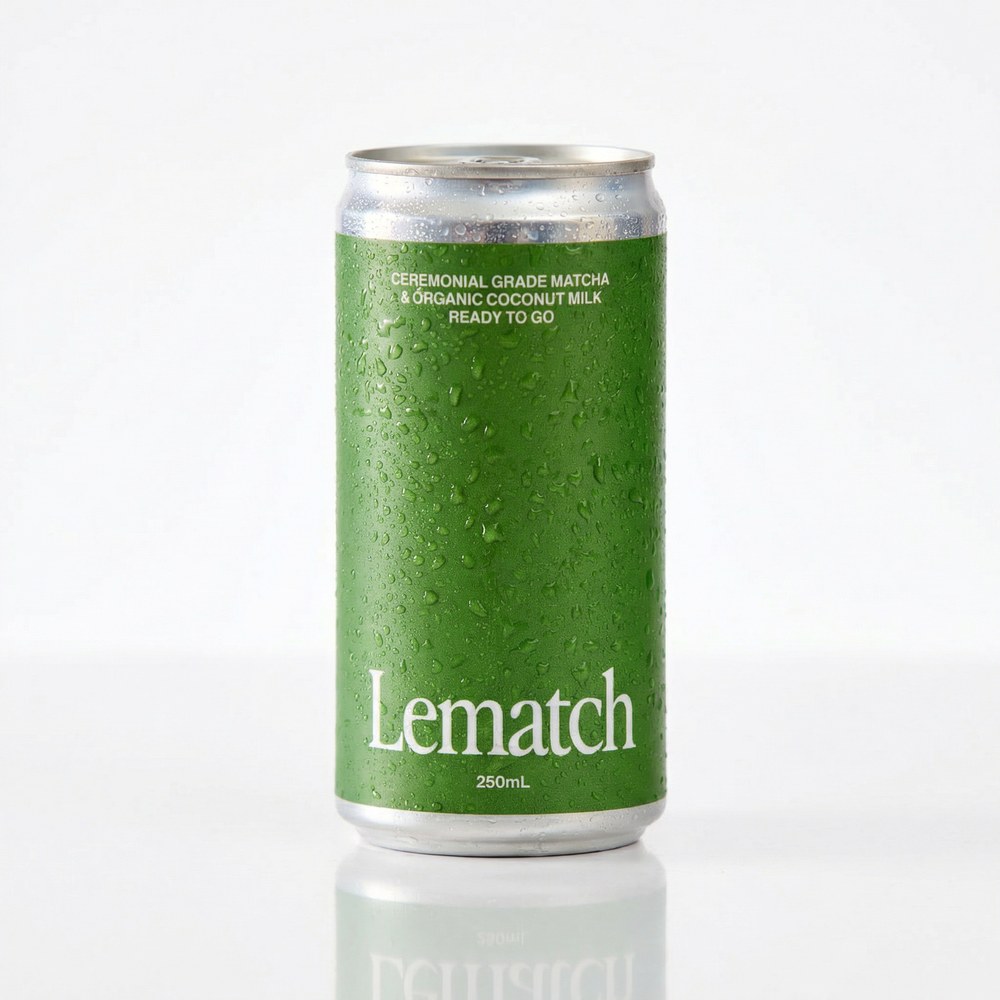
If you are starting from scratch, a tin of decent ceremonial powder and a bamboo whisk will cost you less than three cafe matchas and last months. The single serve sachets are worth grabbing first if you want to find out whether you actually like the taste before committing to a tin. The rest of the range sits under Hot Beverages and Superfoods, and we are at 936 Anzac Parade, Maroubra, open seven days, if you would rather smell a few before you buy.