







Do you need a greens powder if you already eat your vegetables?
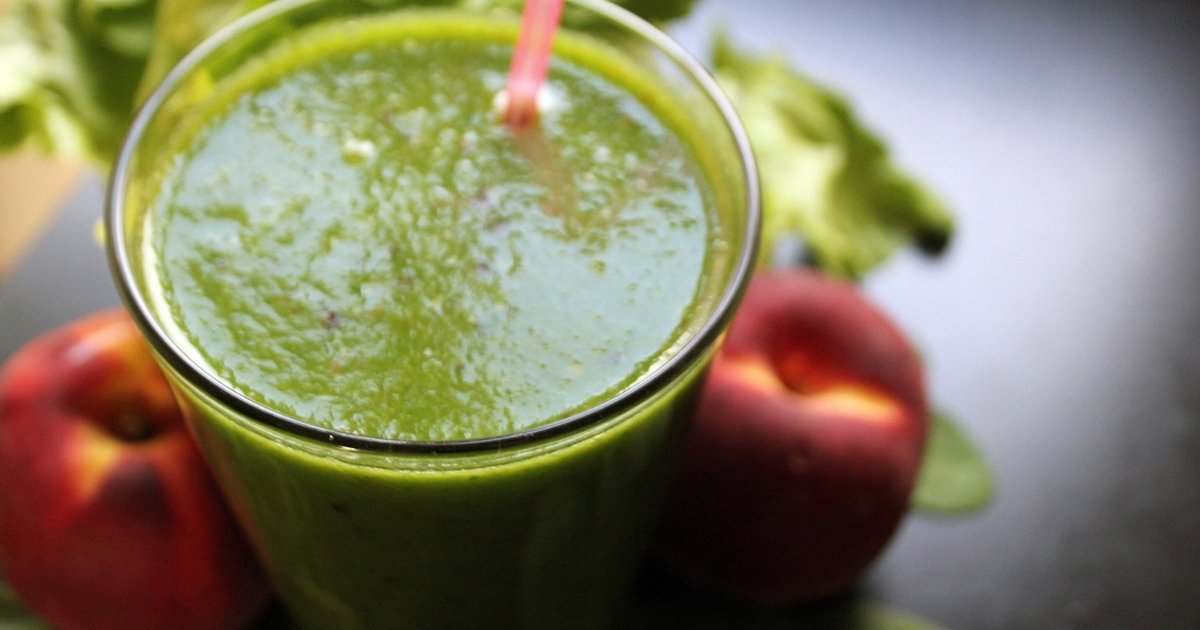
Greens powders have gone from health shop niche to the most talked about scoop on social media. The pitch is simple: a spoonful a day covers the vegetables you did not get around to eating. The truth is a little less tidy. A good greens powder can be a useful top up, but it is not a salad in a jar. Here is what goes into them, who tends to get the most out of one, and how to tell a carefully made blend from an expensive tub of fillers.
What is in a greens powder
Most blends are built from the same handful of ingredients, dried and ground:
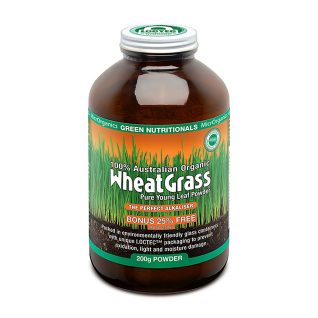
- Cereal grasses. Wheatgrass and barley grass are the young shoots of the plant, harvested before the grain forms. They are rich in chlorophyll and contain some vitamins and minerals.
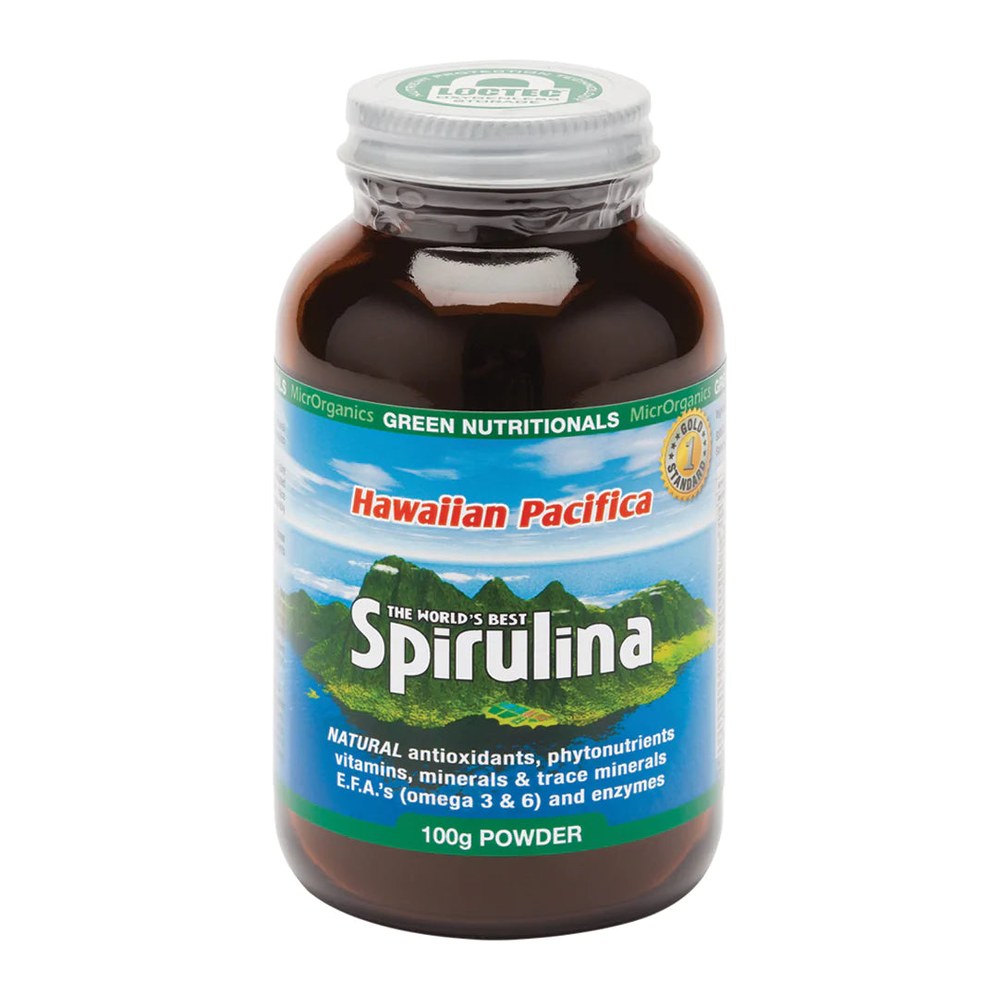
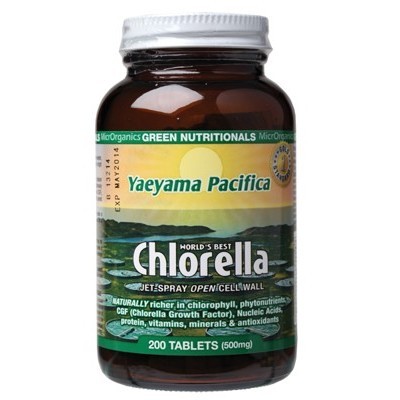
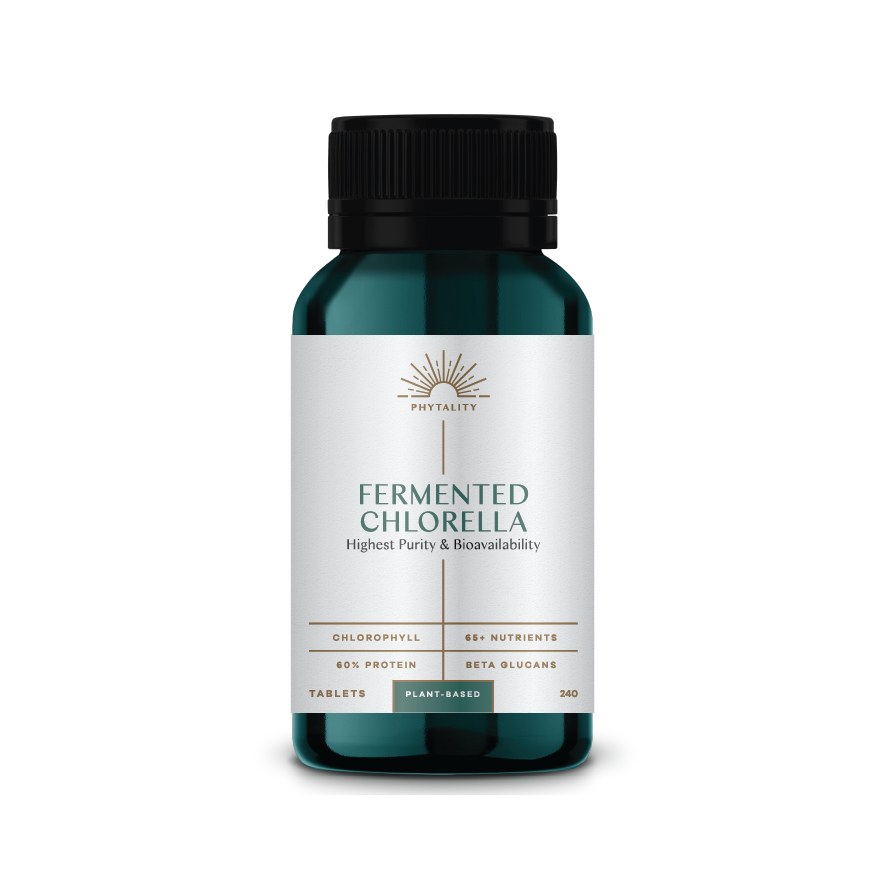
- Algae. Spirulina is a blue green alga that is around 60 percent protein by weight. Chlorella is a single celled green alga with a tough cell wall, which is why it is usually sold as cracked cell wall or fermented.
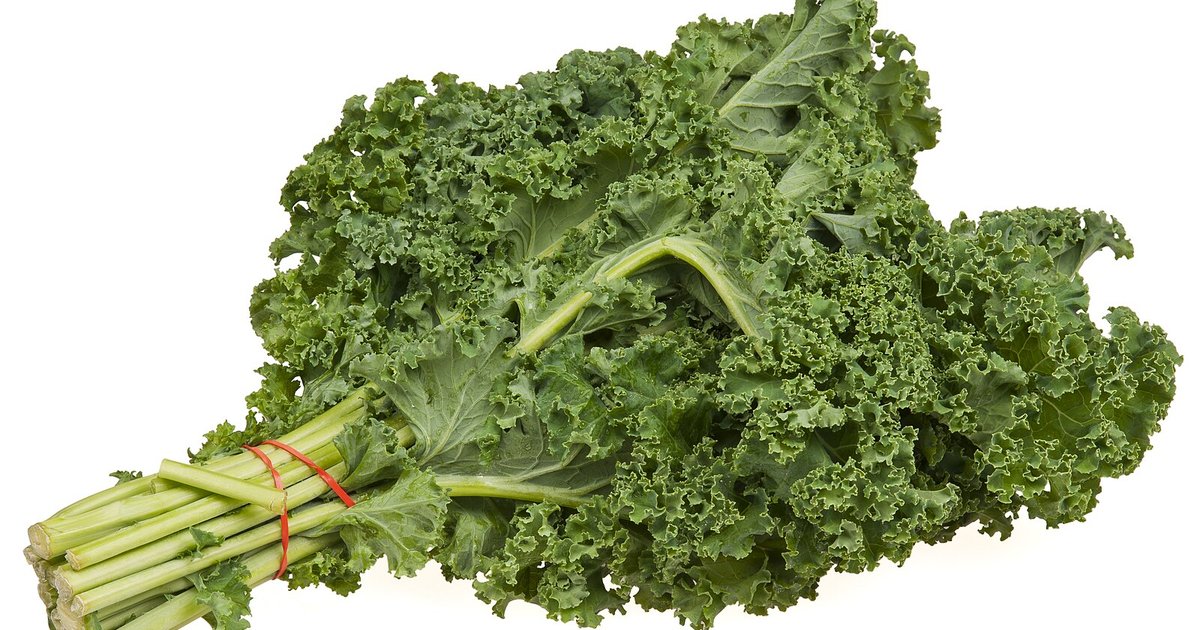
- Vegetable and fruit powders. Spinach, kale, broccoli, beetroot and berries are common, often in small amounts.
- Extras. Many add probiotics, prebiotic fibre like inulin, digestive enzymes, mushrooms, adaptogens or added vitamins, plus flavours and sweeteners to make it drinkable.
What a scoop can and cannot do
A typical serve is somewhere between 5 and 12 grams of powder. Whole vegetables are mostly water, so a dried scoop can carry a decent amount of certain nutrients, such as vitamin K, folate, iron and some antioxidants. What it cannot carry is volume. You get only a gram or two of fibre, none of the chewing and fullness that comes with a plate of vegetables, and a much narrower range of plant compounds than eating a mix of whole foods. There is also very little independent research on greens powders as a category. Most studies are small, and many are funded by the brands themselves.
So the honest answer to the title question is no, not if your diet already has plenty of vegetables. The people who tend to find them useful are those going through a stretch where good meals are hard: travel, a newborn, long shifts, a fussy appetite, or a busy season at work. On those days, a greens drink is better than nothing. Our guide to eating more fibre has easy ways to get more whole plants in, which is still the main event.
How to read the label
- Proprietary blends. A label that lists 40 ingredients under one blend weight tells you very little. If the first ingredient is a filler like rice bran or apple fibre, the impressive ingredients further down may only be present in tiny amounts. Brands that list grams per ingredient have less to hide.
- Sugar and sweeteners. Check the nutrition panel per serve. Fruit powders, stevia or monk fruit are common. A small amount is fine, but the main ingredient should be greens.
- Testing. Algae and grasses can take up heavy metals from the water and soil they grow in. Look for brands that test each batch and say so, and buy from growers with a known source.
- Organic certification. Because grasses are grown to be eaten whole and concentrated, certified organic is worth looking for here. Australian grown wheatgrass and barley grass are available.
- Probiotic claims. If a powder lists probiotics, check the strain names and the count at the end of shelf life. Our gut health guide explains what to look for.
On blood thinners? Greens powders can be very high in vitamin K, which affects how warfarin works. If you take warfarin, talk to your doctor before adding one, and keep your daily intake steady rather than starting and stopping. The same caution applies during pregnancy, and for anyone with a thyroid or kidney condition.
Single greens or a blend?
A blend is convenient and usually tastes better. A single ingredient powder, like pure barley grass or spirulina, costs less per serve, lets you know exactly what you are taking, and mixes well into a smoothie where the flavour is covered. Spirulina has a strong sea taste, wheatgrass and barley grass are grassy and mild, and chlorella is easiest taken as tablets. If you are trying greens for the first time, start with half a serve for the first week. Some people notice a change in digestion when they add a concentrated source of fibre and chlorophyll, and a slow start makes that easier.
Easy ways to take them
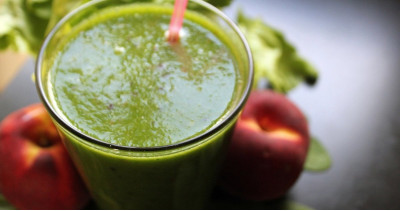
Stir a scoop into cold water or coconut water with a squeeze of lime, blend it with frozen banana, pineapple and a handful of spinach, or whisk it into a dressing. Avoid very hot liquids, which can damage some of the vitamins and any probiotics. Morning is the easiest time to remember, but the timing does not matter much.
Keep the tub sealed in a cool, dry cupboard rather than the fridge, where condensation can make the powder clump. Use a dry spoon every time, and if the powder smells musty or has turned brown, it is past its best. Most powders are made to be used within a couple of months of opening, so a smaller pack is often the better buy while you work out whether you like it.
Greens we stock
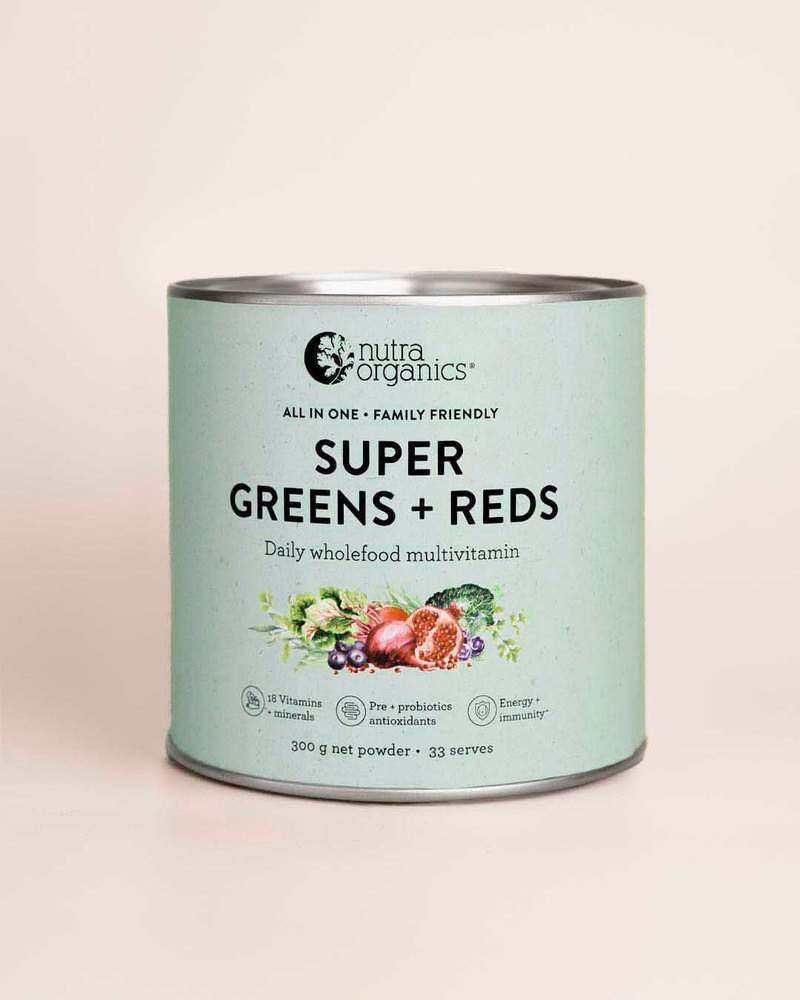
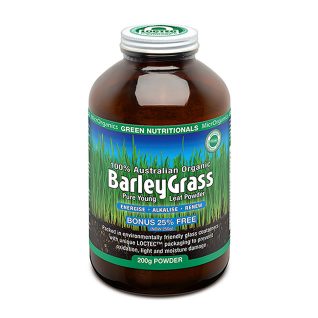
Find more in Superfoods. Supplements should not replace a balanced diet. Always read the label and follow the directions for use.