











Oat, almond, soy or coconut? Choosing a plant milk for coffee, cooking and kids

The plant milk fridge has grown from one or two soy cartons to a whole wall: oat, almond, cashew, macadamia, coconut, rice, pea, tiger nut and blends of all of them, each in a regular and a barista version. They are not interchangeable. Some are close to dairy milk for protein, some are mostly water with a little nut, and some are made specifically so they will not split in your flat white. This guide sorts them out by what you want them for.
How the main types compare
As a rough guide, cow's milk has about 3.4 grams of protein per 100ml. Here is how the common plant milks stack up, though brands vary a lot, so check the panel:
- Soy. Around 3 grams of protein per 100ml, the closest match to dairy. Creamy, mild and a good all rounder for cooking and baking.
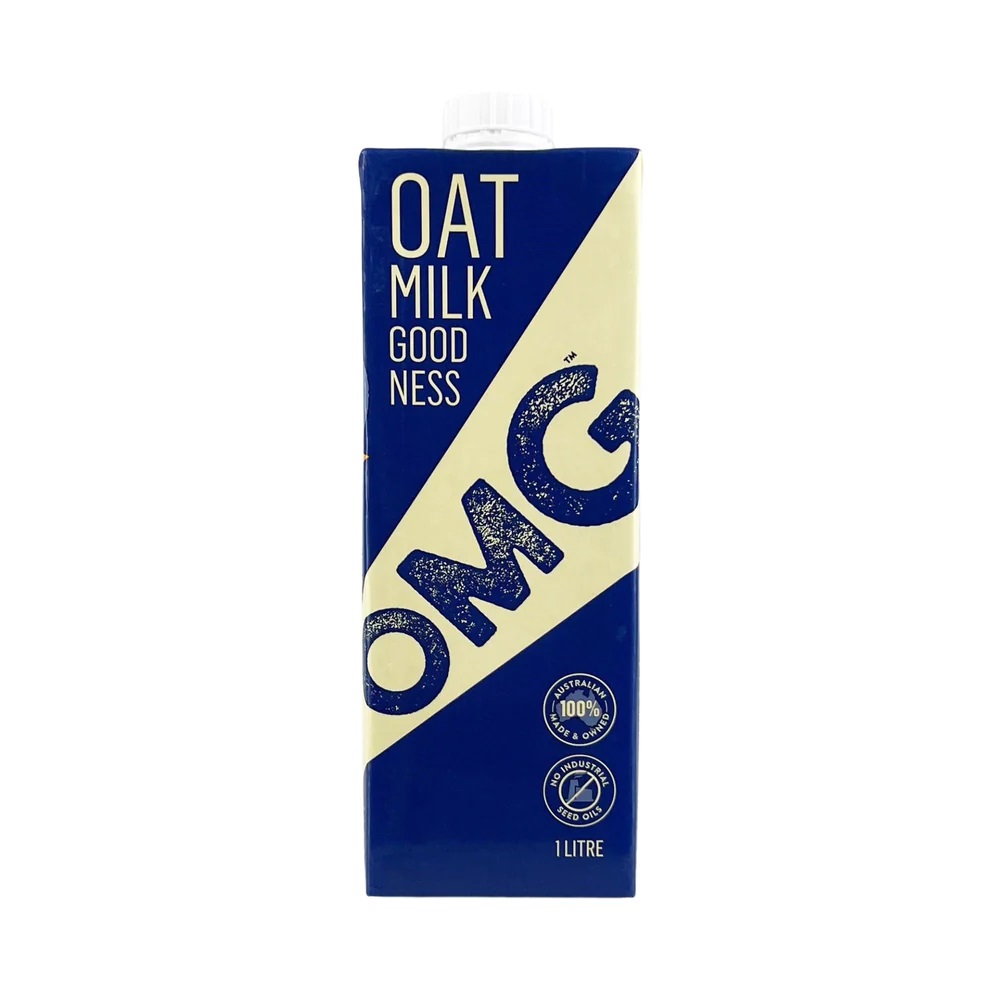
- Oat. About 1 gram of protein, naturally a little sweet, and very creamy. The most popular choice for coffee. Oat milk contains gluten unless it is made from uncontaminated oats, so it is not suitable for people with coeliac disease.
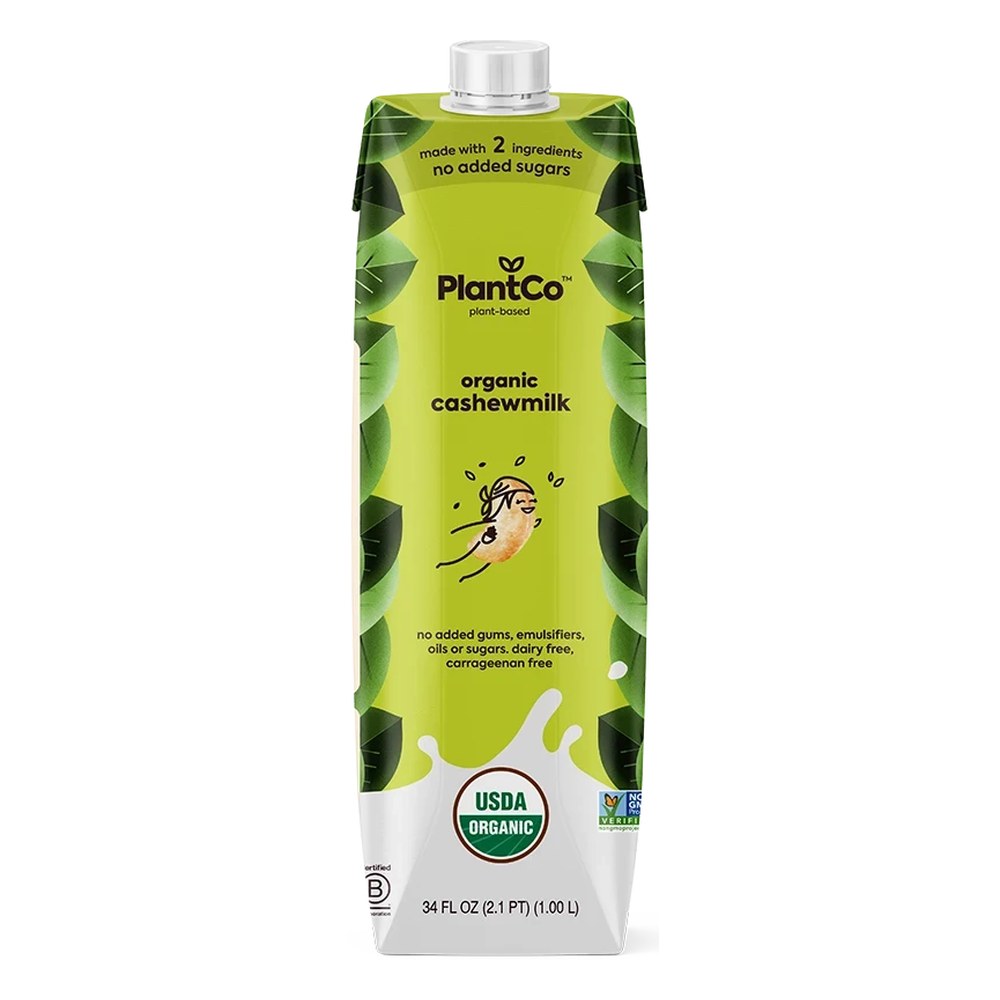
- Almond, cashew and macadamia. Usually under 1 gram of protein, light and low in kilojoules. Check the nut percentage on the label: some contain as little as 2 or 3 percent nuts.
- Coconut. Almost no protein, but rich and creamy, which suits smoothies and curries. The drinking kind in a carton is far lighter than tinned coconut milk.
- Rice. Thin, sweet and low in protein. Rice naturally takes up arsenic from soil, so it is best as an occasional choice rather than an everyday drink, especially for children.
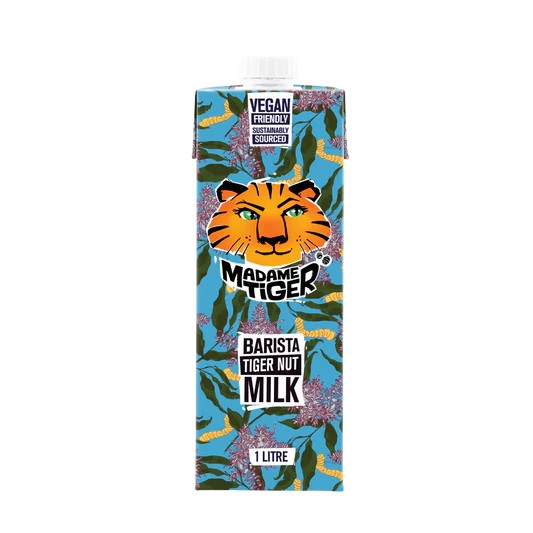
- Tiger nut and pea. Tiger nuts are a small tuber, not a nut, which makes this milk a handy option for nut allergy households. Pea milk is higher in protein than most.
Calcium and fortification
Dairy milk provides about 120mg of calcium per 100ml, and for many people it is a main source. Plant milks only match that if calcium has been added. Look for around 120mg per 100ml on the nutrition panel. Some brands also add vitamin B12 and vitamin D. Many certified organic plant milks are not fortified at all, which is fine if you get calcium from other foods like tahini, almonds, tofu set with calcium, leafy greens and tinned fish with bones, but worth knowing if plant milk is your main source.

What makes a barista milk different
Coffee is hot and acidic, which makes plant proteins clump, so a regular almond milk can split into flecks the moment it meets espresso. Barista versions are built to cope. They usually contain more fat, from added oil, so the milk foams and feels creamy, plus an acidity regulator such as dipotassium phosphate that keeps the proteins smooth. If you would rather avoid seed oils, read the ingredient list: some brands use olive oil, coconut or the natural fat of the nut instead of sunflower or canola. A barista milk is also good for hot chocolate and chai. Our coffee alternatives guide has ideas if you are cutting back on caffeine.
Reading the ingredient list
A short list is usually a good sign: water, the main ingredient, perhaps salt, and any added minerals. Things to check are added sugar (unsweetened versions are widely available), the percentage of the hero ingredient, and thickeners like gellan gum, which are harmless for most people but some prefer to skip. If you want the simplest possible milk, making your own is easy. Soak a cup of almonds or cashews overnight, blend with four cups of water and a pinch of salt, and strain through a nut milk bag. It keeps for three or four days in the fridge, and it will not be fortified.
Plant milks and young children. Plant milks are not a substitute for breast milk or formula for babies under 12 months. For toddlers moving off formula, most plant milks are too low in protein, energy and calcium to be the main drink. Fortified soy milk is the usual alternative to cow's milk from 12 months, and rice milk is not recommended for children under five. If your child is allergic to dairy or you are raising them vegan, ask your GP or a dietitian to help plan their milk.
Matching the milk to the job
- Coffee: a barista oat, soy or tiger nut milk.
- Cereal and porridge: oat or almond for flavour, soy for staying power.
- Baking and sauces: unsweetened soy, which behaves most like dairy.
- Smoothies: coconut for creaminess, soy or pea if you want more protein. Our protein powder guide covers adding a scoop.
- Curries and Asian sweets: coconut, from the carton or the tin.
Once opened, most cartons keep for 7 to 10 days in the fridge. Give them a good shake before pouring, as natural plant milks settle.
If the environment is part of your reason for switching, most plant milks use less land and water than dairy, though they differ from each other. Almonds need a lot of water to grow, while oats and soy need far less. Choosing an Australian made milk, or making your own, cuts down on transport and packaging.
Plant milks in our fridge and pantry
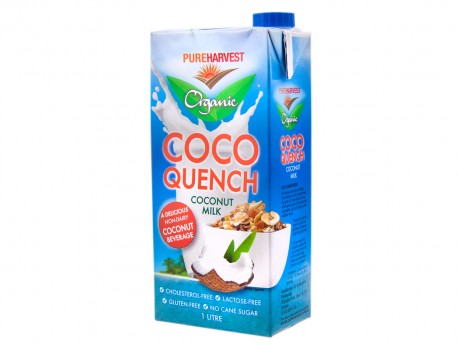
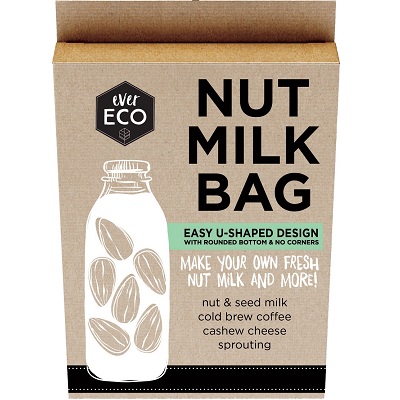
Browse the full range in Milks. Stock changes often, so the shop in Maroubra usually has a few more on the shelf than you will see here.