









Shopping gluten free in Australia: labels, oats and the flours worth knowing
Some people eat gluten free because they have to, and some because they feel better for it. Either way, the shopping is easier once you know how Australian labels work, where gluten tends to hide, and which grains and flours can stand in for wheat without leaving dinner tasting like a compromise. This guide is a practical starting point, whether you are newly diagnosed or cooking for someone who is.
Coeliac disease, intolerance and preference
Coeliac disease is an autoimmune condition. In people who have it, gluten triggers the immune system to damage the lining of the small intestine, which can affect how nutrients are absorbed. Coeliac Australia estimates it affects about 1 in 70 Australians, and that most of them have not been diagnosed. Symptoms vary widely, from bloating and diarrhoea to tiredness, low iron and mouth ulcers, and some people have none at all. For people with coeliac disease, even crumbs matter, and a gluten free diet is lifelong.
Others react to wheat without having coeliac disease, and some simply feel better eating less of it. Those are real experiences, but the strictness needed is different.
Get tested before you cut it out. The blood test and biopsy for coeliac disease only work while you are still eating gluten. If you stop first, the results can come back falsely normal. If you suspect gluten is a problem, see your GP before changing your diet. Low iron with no obvious cause is a common clue; our low iron guide has more.
What gluten free means on an Australian label
Australia has one of the strictest gluten free rules in the world. A food labelled gluten free must contain no detectable gluten, which in practice means below what laboratory tests can pick up, a few parts per million. Many other countries allow up to 20 parts per million. Phrases like low gluten, gluten friendly or 99 percent gluten free are not permitted.
The ingredient list matters too. Wheat, rye, barley and oats, and anything made from them, must be declared, and under plain English allergen labelling rules, phased in from 2021, the allergen summary must name them in plain words. The Coeliac Australia endorsement logo, a crossed grain symbol, is a quick shortcut, but plenty of safe products do not carry it.
Why oats are a special case
Oats contain a protein called avenin, which is different from the gluten in wheat. Most people with coeliac disease tolerate pure oats, but a minority react to them, and regular oats are often contaminated with wheat or barley from farms and mills. Under Australian rules, oats cannot be labelled gluten free at all. Uncontaminated oats are grown and processed away from other grains, and some people with coeliac disease can include them after talking it through with their gastroenterologist or dietitian. They are not right for everyone, so treat them as a decision for you and your specialist rather than a given.
Where gluten hides
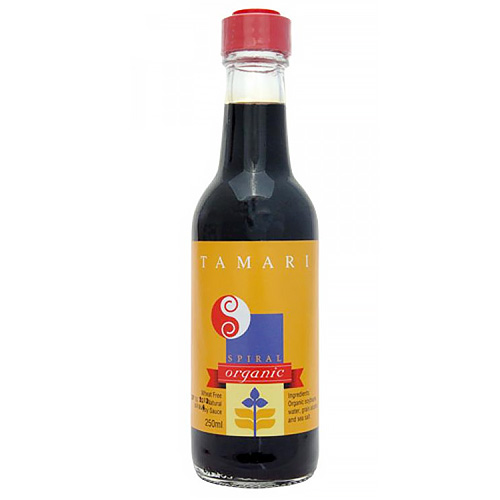
- Soy sauce. Most is brewed with wheat. Tamari is the usual swap, but check the label, as not every tamari is wheat free.
- Stock cubes, gravy and sauces. Wheat flour is a common thickener.
- Malt. Malt vinegar, malt extract and barley malt in cereals and chocolate come from barley.
- Spelt, kamut and freekeh. All are forms of wheat, despite their health food image.
- Beer. Brewed from barley, unless it is specifically gluten free.
- The toaster. At home, a separate toaster, chopping board and butter or spread jar avoids cross contact.
Grains and flours worth knowing
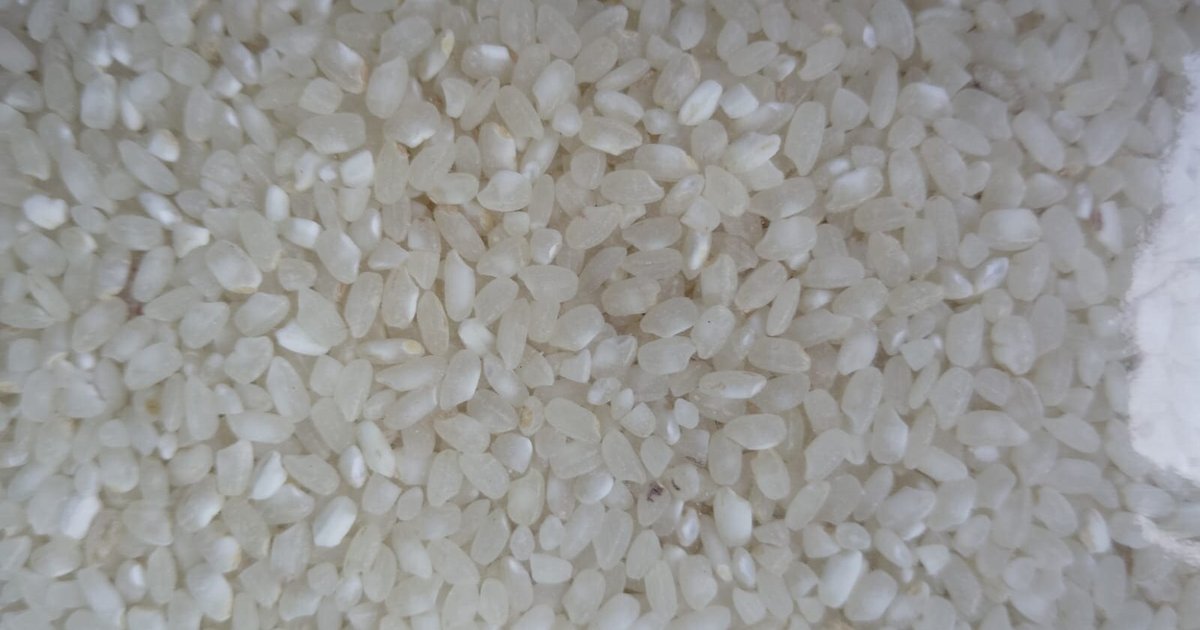
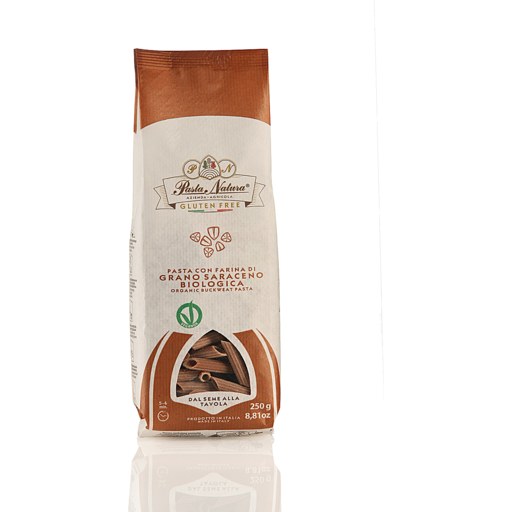
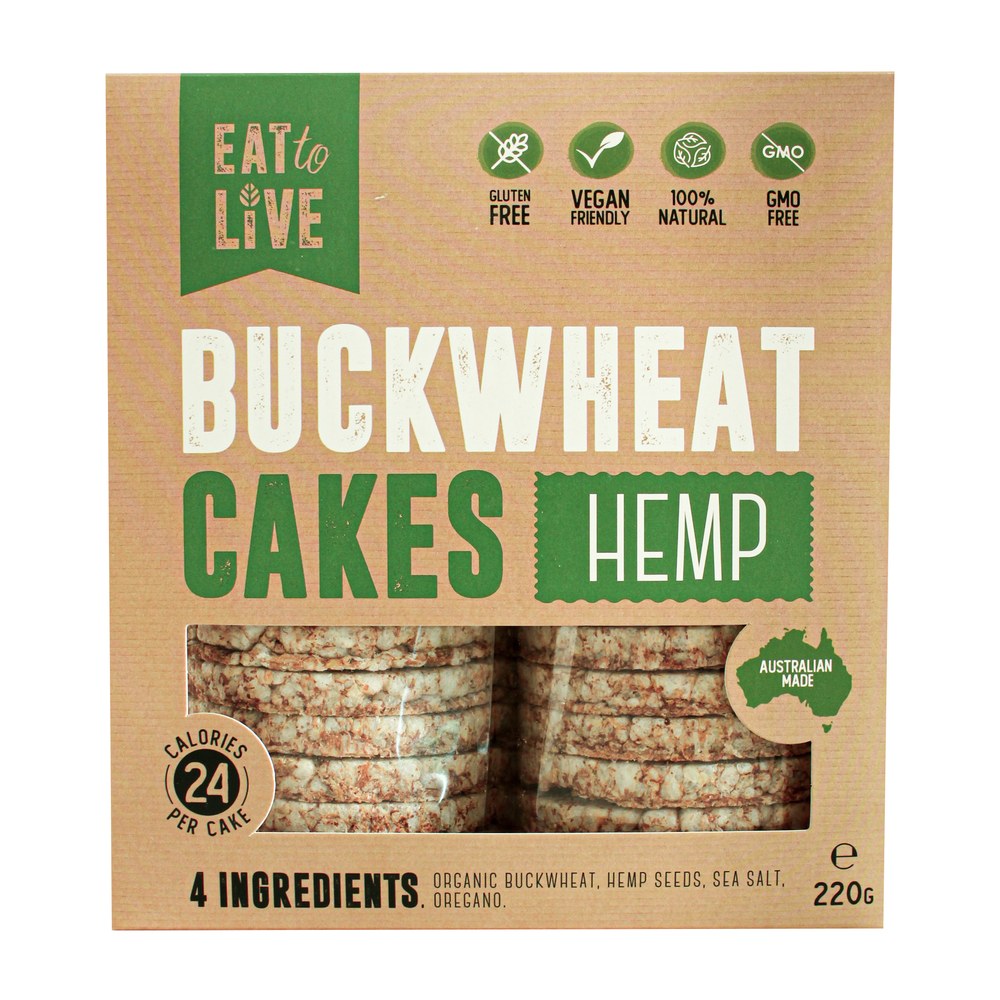
Going gluten free is a good excuse to cook with grains you might never have tried. Rice, quinoa, millet, amaranth, sorghum and teff are naturally gluten free. So is buckwheat, which despite the name is a seed related to rhubarb, not wheat. Buckwheat pasta and soba made from 100 percent buckwheat are nutty and filling, though many soba noodles also contain wheat, so read the packet.
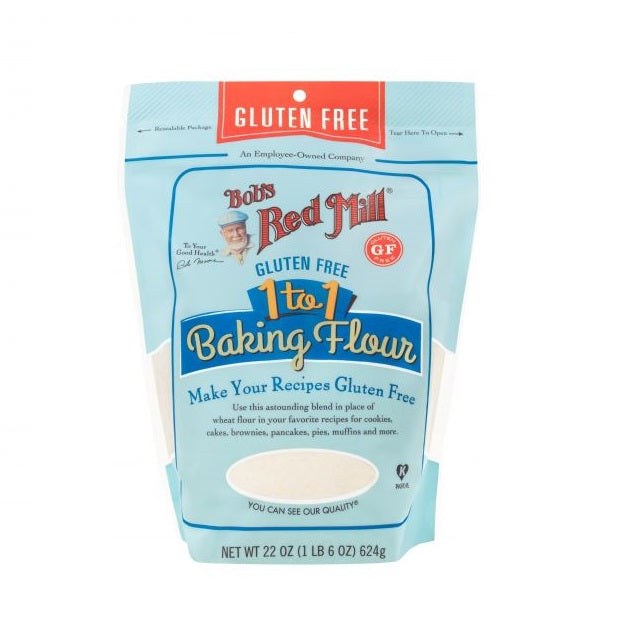
For baking, no single gluten free flour behaves like wheat. Blends combine rice or sorghum flour with starches such as tapioca or potato, plus a binder like xanthan gum or psyllium to stand in for gluten's stretch. A 1 to 1 blend is the easiest place to start for cakes, muffins and pancakes. Almond and coconut flours add richness but absorb liquid very differently, so follow recipes written for them. Gluten free bread has come a long way too, and gluten free sourdough mixes make a loaf with real crust.
Keep the diet balanced
Many gluten free packaged foods are made from refined starches and are lower in fibre than the wholegrain wheat versions. Lean on naturally gluten free whole foods, such as legumes, buckwheat, quinoa, brown rice, nuts and seeds, to keep fibre and B vitamins up. Our fibre guide has more ideas, and the Japanese pantry staples guide covers tamari and soba.
Eating out takes a little more care. Tell the staff it is for coeliac disease rather than a preference, so they know to take cross contact seriously, and ask about shared fryers, pasta water and toasters. Chips from a fryer shared with battered fish, for example, are not safe even though potatoes are gluten free.
Gluten free staples from our shelves
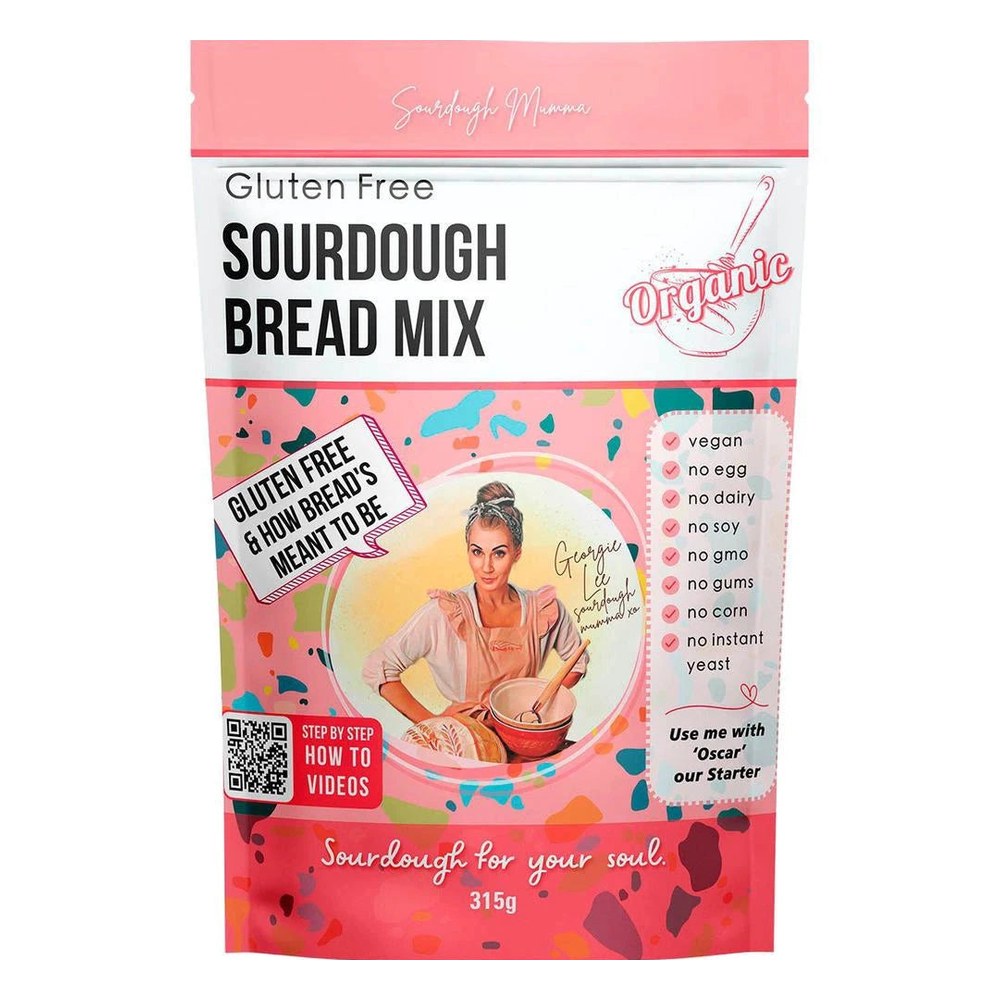
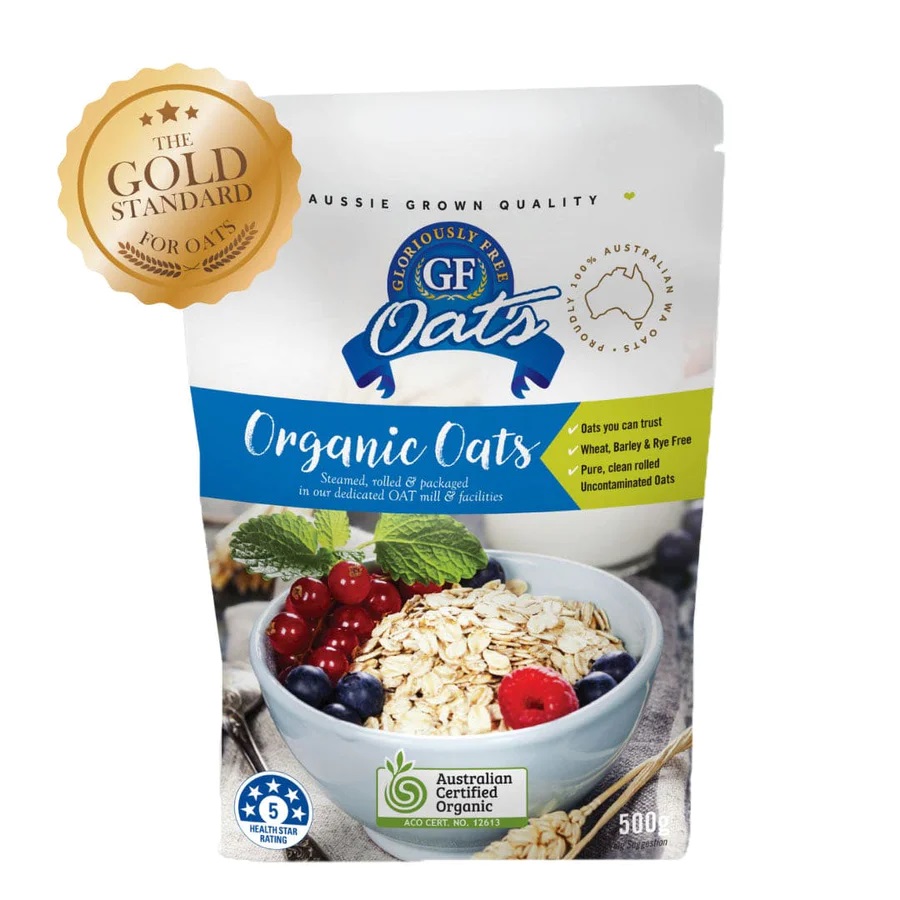
See more in Baking and Noodles, Pasta and Rice. The oats above are uncontaminated oats and are not labelled gluten free, for the reasons explained above.