



Pink, Celtic or iodised? How to choose a salt, and why iodine still matters
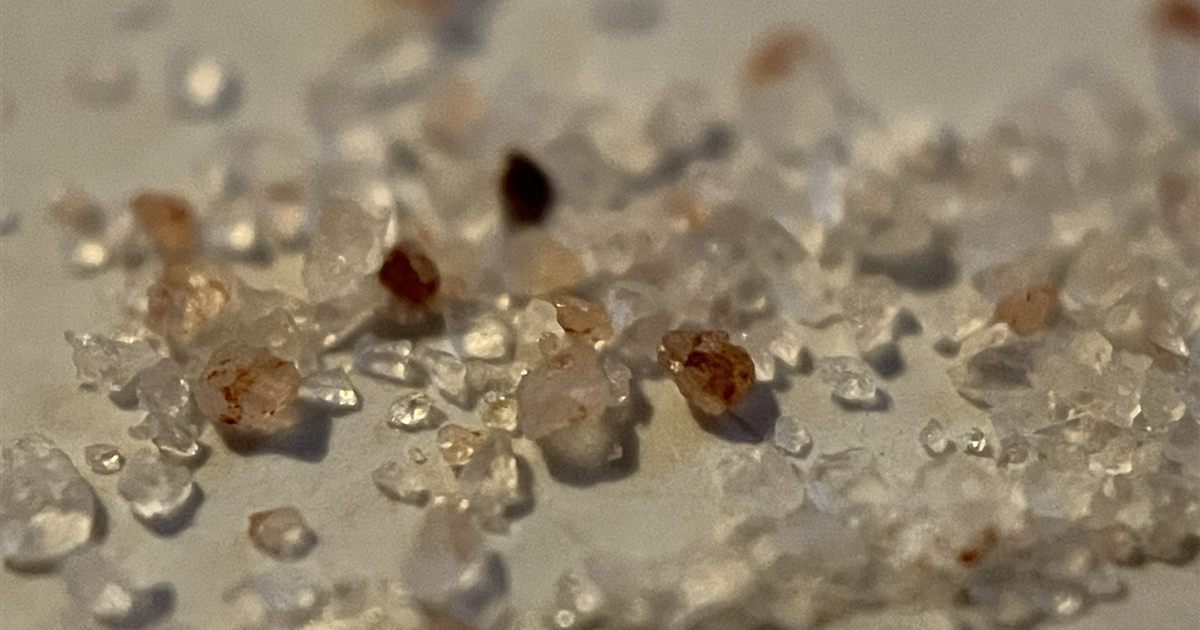
Walk down the salt section of any health food shop and you will find pink salt, grey salt, flaky salt, black salt and, somewhere near the bottom, plain iodised table salt. Each comes with its own story about minerals and purity. The truth is simpler than the marketing: almost every salt is mostly sodium chloride, the differences are mainly about flavour, texture and how it is made, and the one nutrient that really matters in Australia is the one many fancy salts leave out. Here is how to choose.
All salt is mostly the same thing
Whether it is mined from an ancient seabed or raked from a coastal pan, salt is around 95 to 99 percent sodium chloride. The rest is trace minerals such as magnesium, calcium, potassium and iron, plus some moisture. Those traces give each salt its colour and a slightly different taste, but they are present in tiny amounts. To get a meaningful dose of magnesium or calcium from salt, you would need to eat far more salt than is safe. Leafy greens, nuts, seeds and legumes are much better sources.
So the reason to choose a particular salt is how it tastes and behaves in your cooking, and, for your everyday salt, whether it contains iodine.
The main types of salt
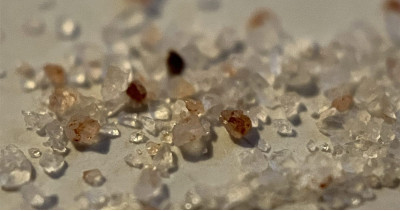
- Pink Himalayan salt is rock salt mined in the Punjab region of Pakistan. The pink colour comes from traces of iron oxide. It has a clean, mild taste and comes in fine, granule and grinder forms. It is a good all-rounder for the table.
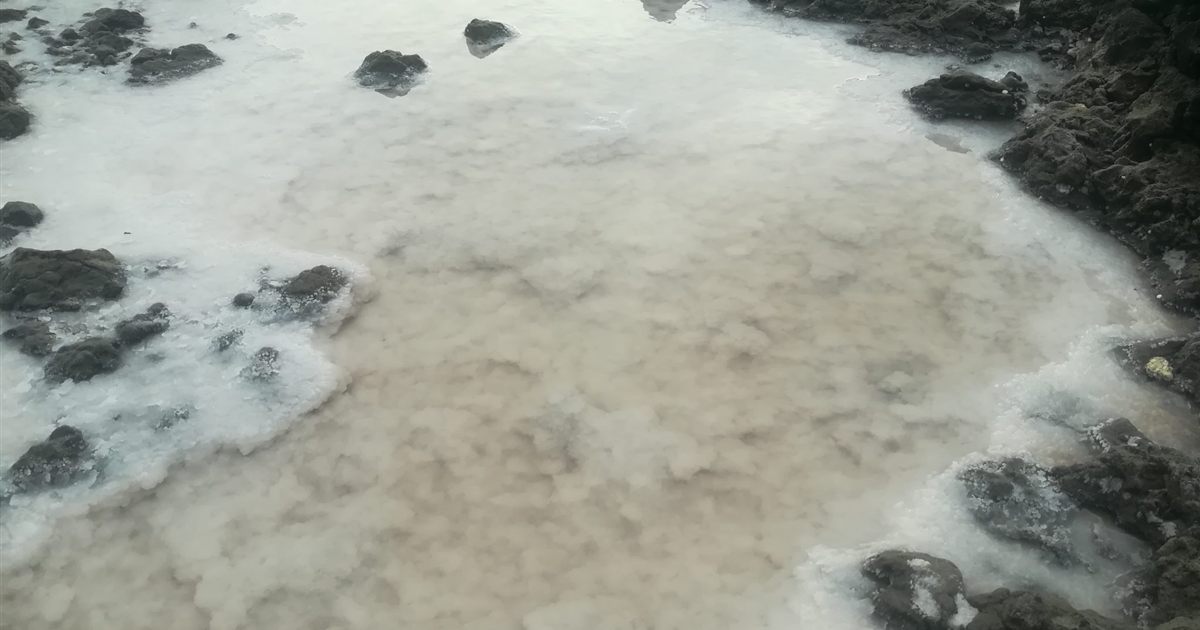
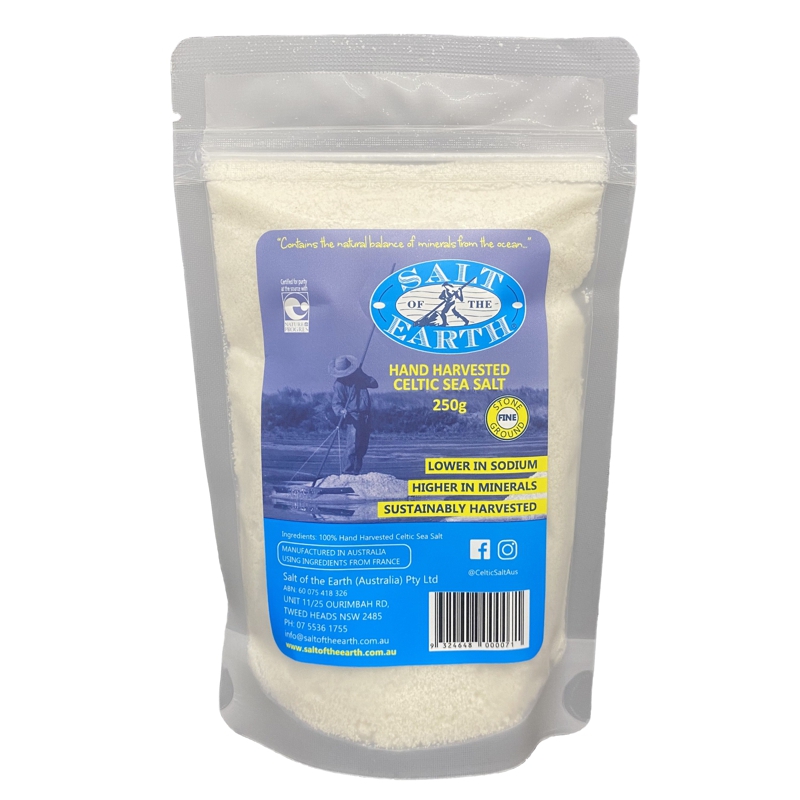
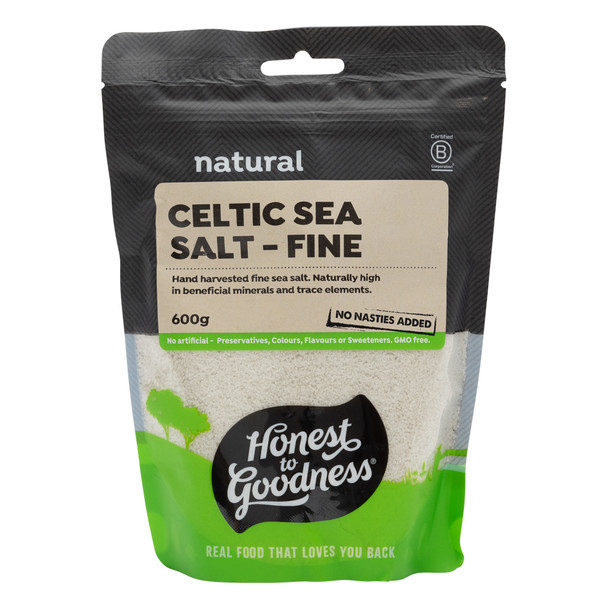
- Celtic sea salt is a grey, slightly damp sea salt traditionally harvested from clay-lined pans on the coast of Brittany in France. It holds more moisture than other salts, which gives it a softer, briny, mineral taste. Coarse Celtic salt is lovely in a grinder or crushed over roast vegetables; the fine version works everywhere.
- Salt flakes are thin, crunchy pyramids made by slowly evaporating brine. They dissolve quickly and are best as a finishing salt, sprinkled over food just before serving.
- Kala namak (black salt) is a volcanic rock salt with a strong eggy, sulphur smell. A pinch is a favourite trick in vegan egg dishes and Indian chaats.
- Iodised table salt is fine, free flowing salt with iodine added. It is the least romantic salt on the shelf and, for many households, the most useful.
Teaspoons are not equal. Coarse salts and flakes have big gaps between the crystals, so a teaspoon weighs less and contains less sodium than a teaspoon of fine salt. If a recipe was written for fine table salt and you use flakes, you may need a little more. If it was written for flakes and you use fine salt, use less, or taste as you go.
Why iodine matters in Australia
Iodine is needed to make thyroid hormones, which control metabolism and, during pregnancy, a baby's brain development. Australian soils are low in iodine, and by the early 2000s mild iodine deficiency had returned in parts of the country. Since 2009, bakers have been required to use iodised salt in most bread, which fixed much of the problem.
Health food shoppers can slip through that net. Certified organic bread is exempt from the iodised salt rule, homemade and sourdough loaves often use sea salt, and pink, Celtic and flaked salts are rarely iodised. If you also eat little dairy, seafood or eggs, your iodine intake may be low. Pregnant and breastfeeding women need even more, which is why iodine is usually included in pregnancy vitamins. Our prenatal vitamins guide covers this, and eating plant-based explains the gaps for vegans.
The easy fix is to keep an iodised salt for everyday cooking and use the special salts at the table and for finishing. Seaweed helps too, but treat kelp with care: it can contain far more iodine than the body needs, so use it in pinches, not spoonfuls.
How much salt is too much?
Sodium is essential, but most Australians eat more than they need. The suggested target for adults is no more than 2000 milligrams of sodium a day, which is about 5 grams of salt, or one level teaspoon in total. Too much over time raises blood pressure, a major risk for heart disease and stroke.
Here is the part that surprises people: most of the sodium we eat does not come from the salt shaker. It comes from bread, cheese, processed meats, sauces, stock, snacks and takeaway. Switching to a pink or Celtic salt does not lower your sodium if you use the same amount, but cooking more meals from scratch, where you control the salt, usually does. When reading labels, under 120 milligrams of sodium per 100 grams is low, and over 600 milligrams is high.
There are times you may need more salt, not less. People who sweat heavily through a Sydney summer, train hard or work outside can lose a lot of sodium, and a pinch of salt in water or an electrolyte drink can help. Our electrolytes guide explains who benefits. If you have high blood pressure, heart or kidney disease, follow your doctor's advice on salt.
A simple salt setup for the kitchen
- Iodised salt by the stove for everyday cooking, pasta water and baking.
- A grinder of pink or Celtic salt on the table.
- A small box of flakes for finishing salads, steaks, roast vegetables and chocolate desserts.
- Fresh herbs, lemon, garlic, spices and a little vinegar to add flavour without extra salt.
Salt picks from our shelves
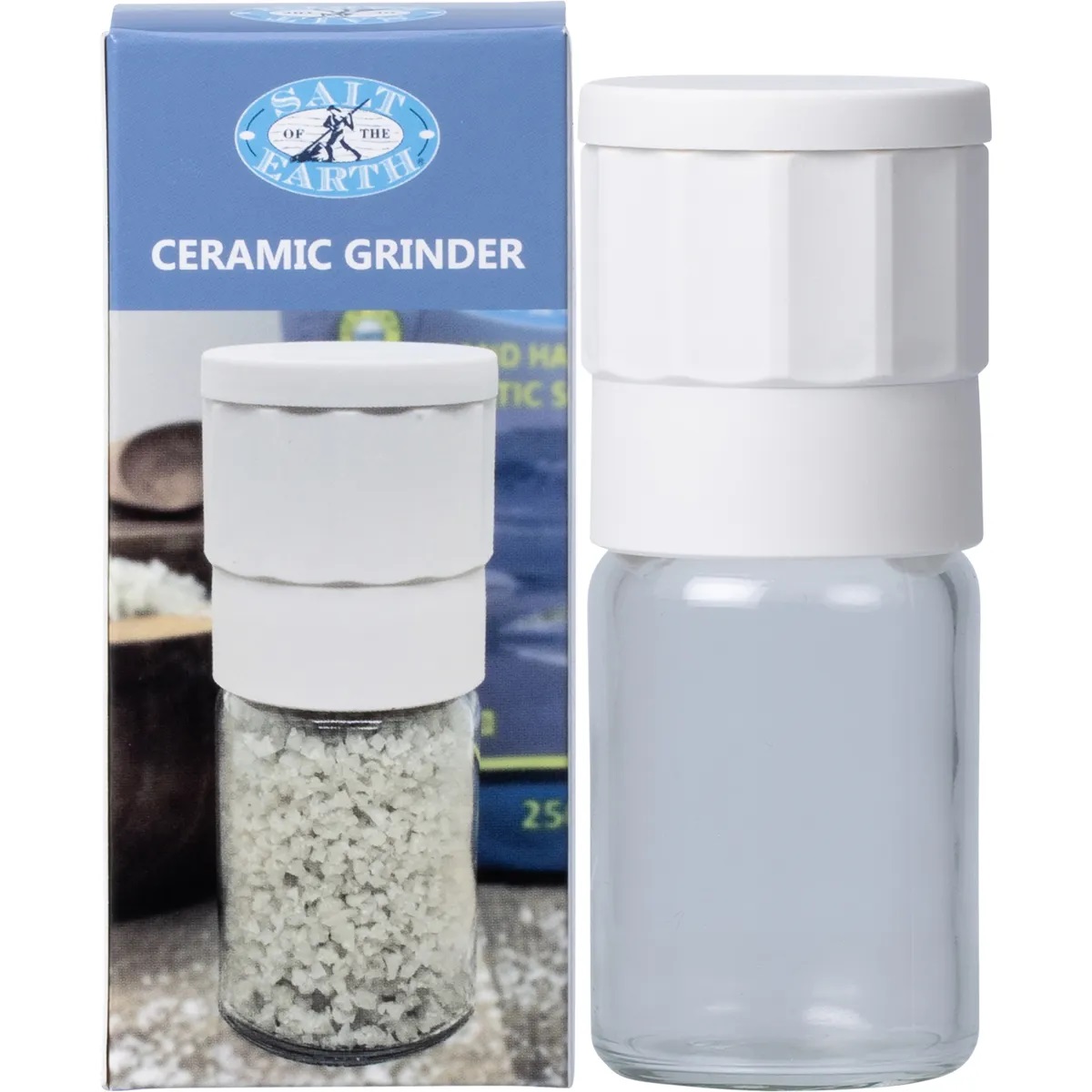
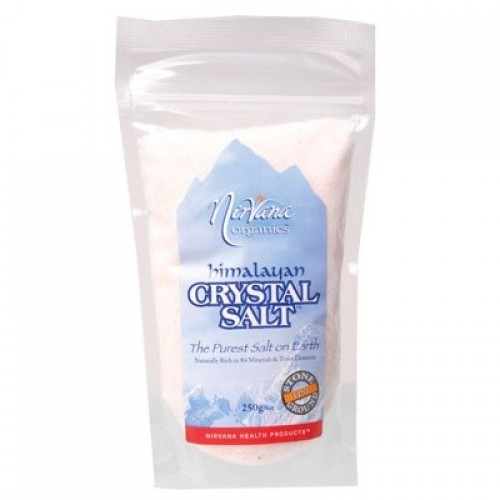
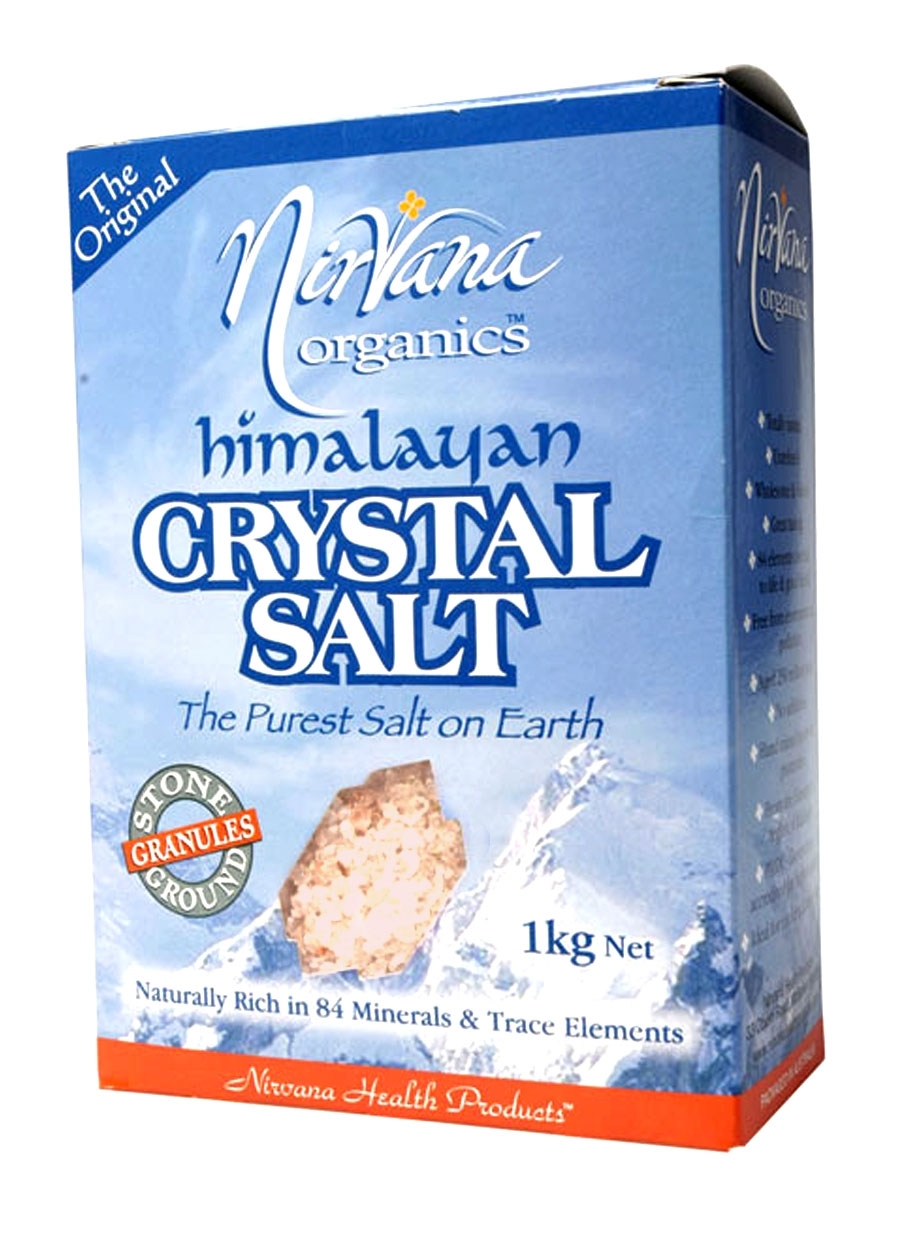
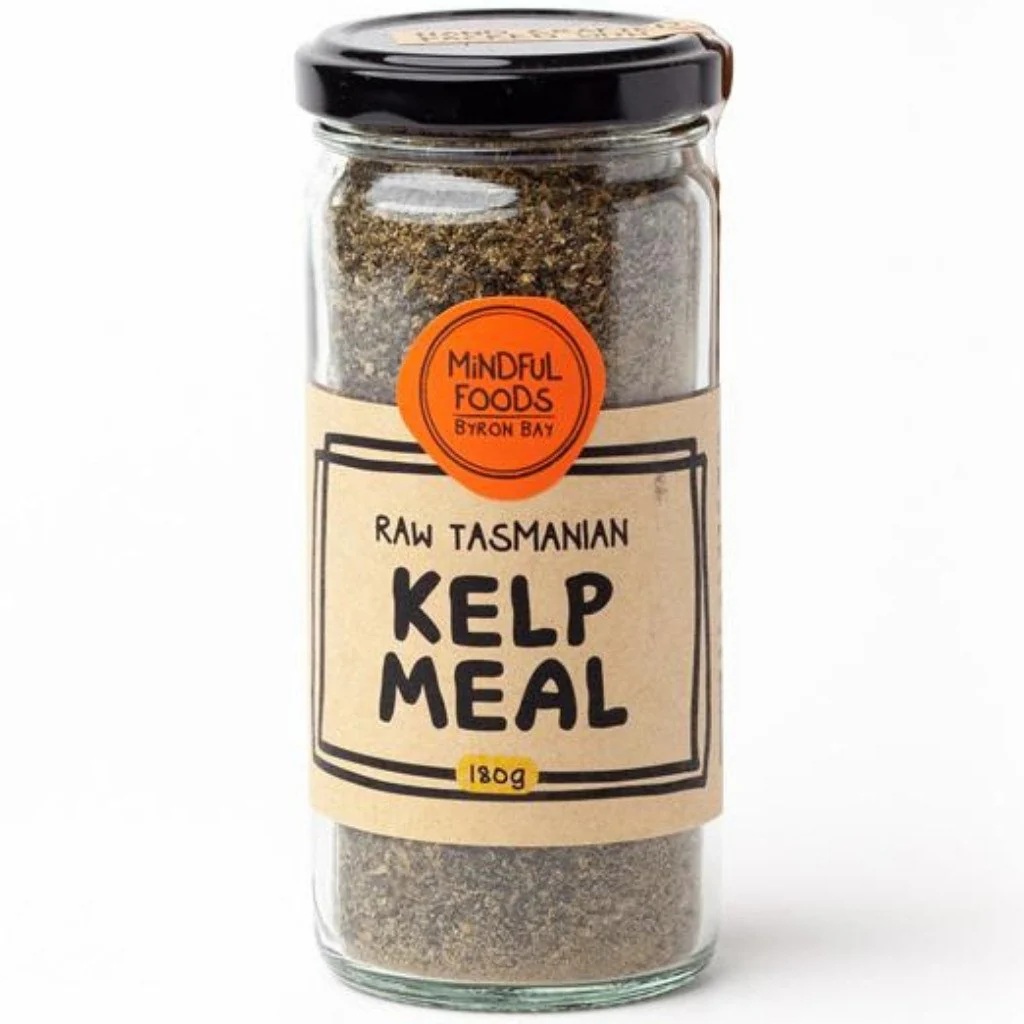
See the full range in Herbs, Spices and Salts. If you have a thyroid condition, talk to your doctor before changing how much iodine you take.