









Is organic worth the extra? Where to spend first, and how to read the label

Organic food costs more, sometimes a lot more, and most of us cannot buy everything organic. So it is a fair question: what are you paying for, and where does the extra money do the most good? This guide covers what the word means on an Australian label, how to tell a certified product from a marketing one, and a simple order for switching that fits a normal budget.
What certified organic means
Certified organic farms grow food without synthetic pesticides, herbicides or fertilisers, and without genetically modified seed. Soil is fed with compost, manure and crop rotation, and pests are managed with methods like beneficial insects and physical barriers. Organic livestock have access to pasture, are not given synthetic growth hormones, and are not dosed with antibiotics as a routine. Processed products, like a jar of passata or a bag of crackers, have to be made mostly from organic ingredients, with tight limits on additives.
The word alone is not enough
Here is the catch most shoppers do not know: in Australia, using the word organic on food sold locally does not require certification. There is a national standard, AS 6000, but following it is voluntary, and only exported organic products must be certified. False or misleading claims are still against Australian Consumer Law, but the simplest protection is to look for a certifier's logo rather than the word itself.
Look for the logo, not the word. Common Australian certifiers include Australian Certified Organic (the bud logo), NASAA Certified Organic and Organic Food Chain. A genuine product carries the certifier's logo and a certification number you can look up on the certifier's website.
What about pesticide residues?
Food Standards Australia New Zealand tests the food supply regularly, and its surveys find that residues on conventional produce are mostly well under the safety limits. That is reassuring, and it means nobody should skip fruit and vegetables because they cannot afford organic. Plenty of people still choose organic to keep their own exposure as low as possible, especially during pregnancy and for young children, and because organic farming is gentler on soil, waterways and farm workers. Both are reasonable reasons to spend a little more where you can.
Where to spend first
If you are switching a little at a time, these four rules of thumb stretch the budget furthest:
- What you eat every day. Oats, olive oil, coffee, tea, rice and the fruit in your lunch box add up over a year. Swapping a daily staple matters more than an occasional treat.
- Thin skins you eat whole. Berries, leafy greens, apples, grapes, stone fruit and celery are eaten skin and all. The US based Dirty Dozen list is a rough guide here, though it uses American testing data.
- Thick peels can wait. Avocado, banana, pineapple, mango, onions and citrus you peel are lower on the list.
- Animal products, for welfare. Organic eggs, dairy and meat come with higher animal welfare standards, which for many people is the main reason to pay more.
Making organic affordable
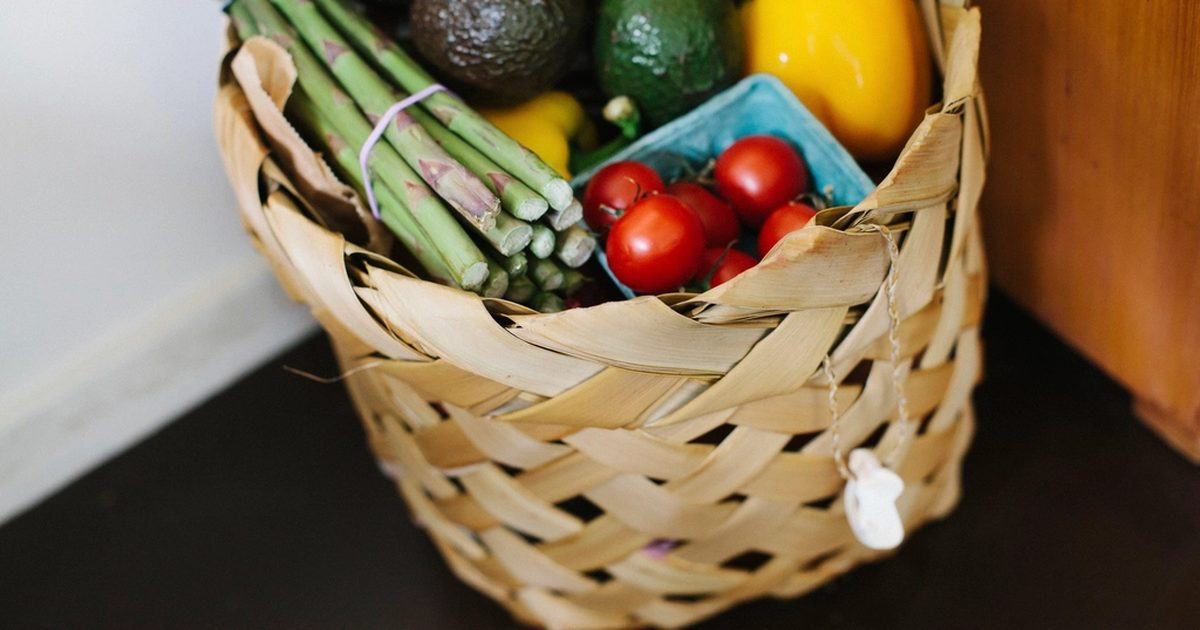
A few habits keep the cost down without much effort. Buy in season, when organic fruit and vegetables are plentiful and cheaper. Frozen organic berries and vegetables are picked ripe and cost less than fresh out of season. Pantry staples like oats, lentils, passata and flaxseed are cheaper per serve in larger packs, and they keep for months. Organic tinned legumes are one of the cheapest organic proteins you can buy.
Waste is the hidden cost. Organic food that goes off in the crisper is the most expensive food you buy, so plan a few meals around what you have, freeze bread and ripe bananas, and turn tired vegetables into soup or a frittata.
Read the whole label on packaged food
Certifiers usually allow a product to be called certified organic only when at least 95 percent of its ingredients are organic. A product with less, often between 70 and 95 percent, may say made with organic ingredients instead. Both can be good choices, but the wording tells you how much of what is inside was organically grown.
It is also worth remembering that organic describes how the ingredients were farmed, not how healthy the finished food is. Organic biscuits, chips and lollies can carry just as much sugar, salt and fat as the regular kind. Check the nutrition panel the same way you would for any snack, and save the organic budget for the everyday foods that make up most of your meals.
Wash it either way
Rinsing fruit and vegetables under running water and rubbing them gently helps remove dirt, bacteria and some surface residue, whether they are organic or not. Special produce washes are not needed. Peeling removes more residue but also some fibre and nutrients, so for most produce a good rinse is enough.
Organic, local or both?
Sometimes the choice is between an imported organic product and a local conventional one. There is no single right answer. Local food travels less and supports Australian growers, while organic certification tells you how it was farmed. Where you can get both, like Australian organic olive oil or oats, you get the best of each. Our local guide to eating well in Maroubra has more ideas.
Organic staples we keep on the shelf
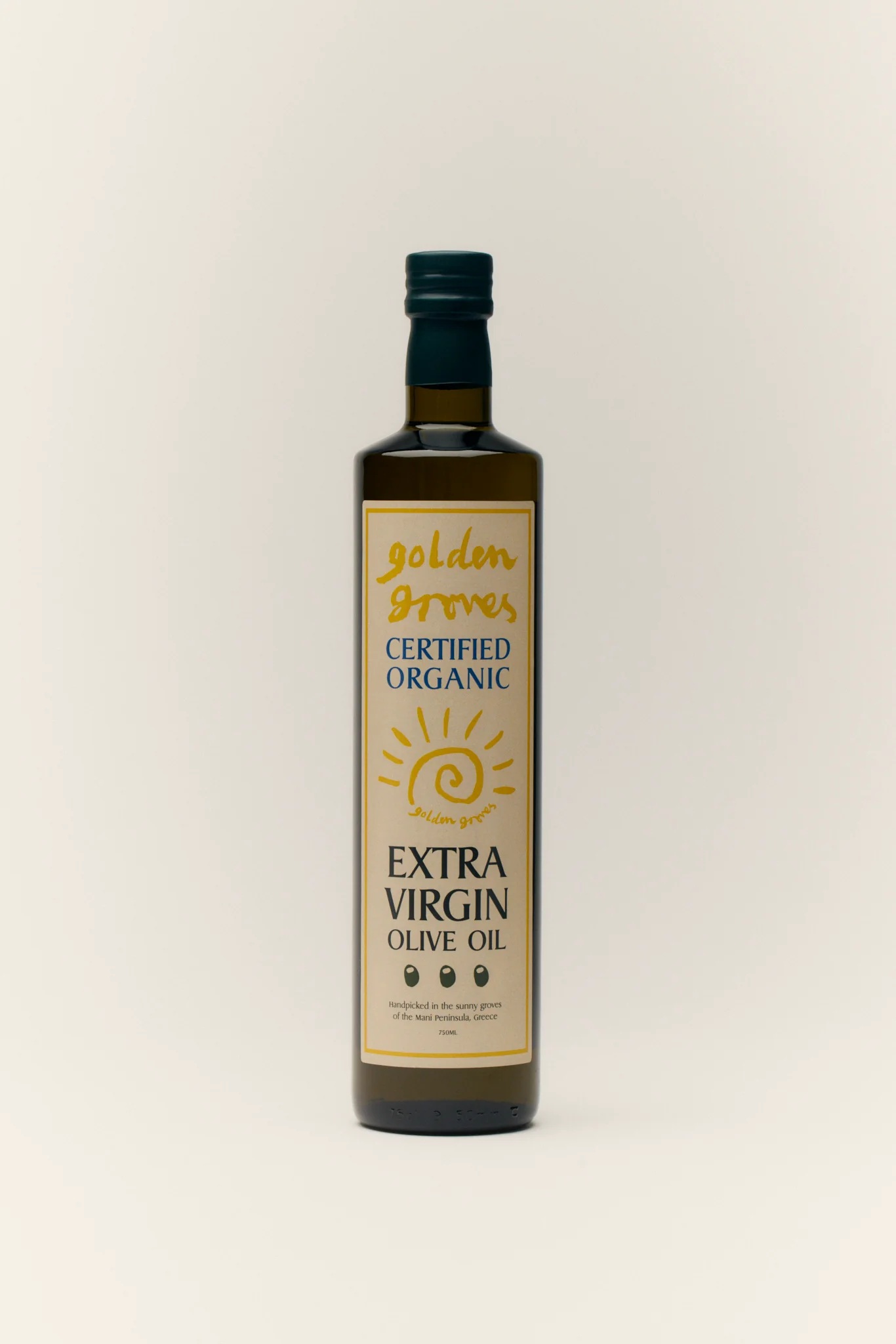
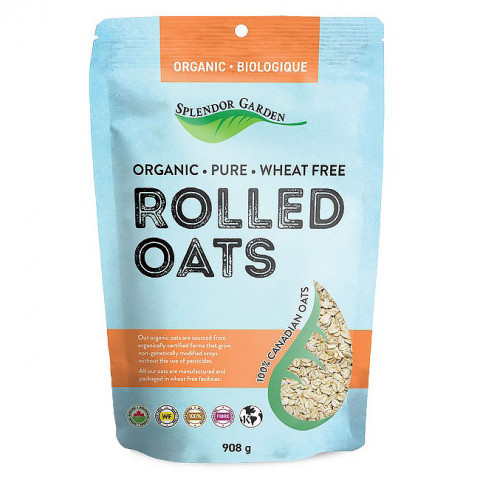
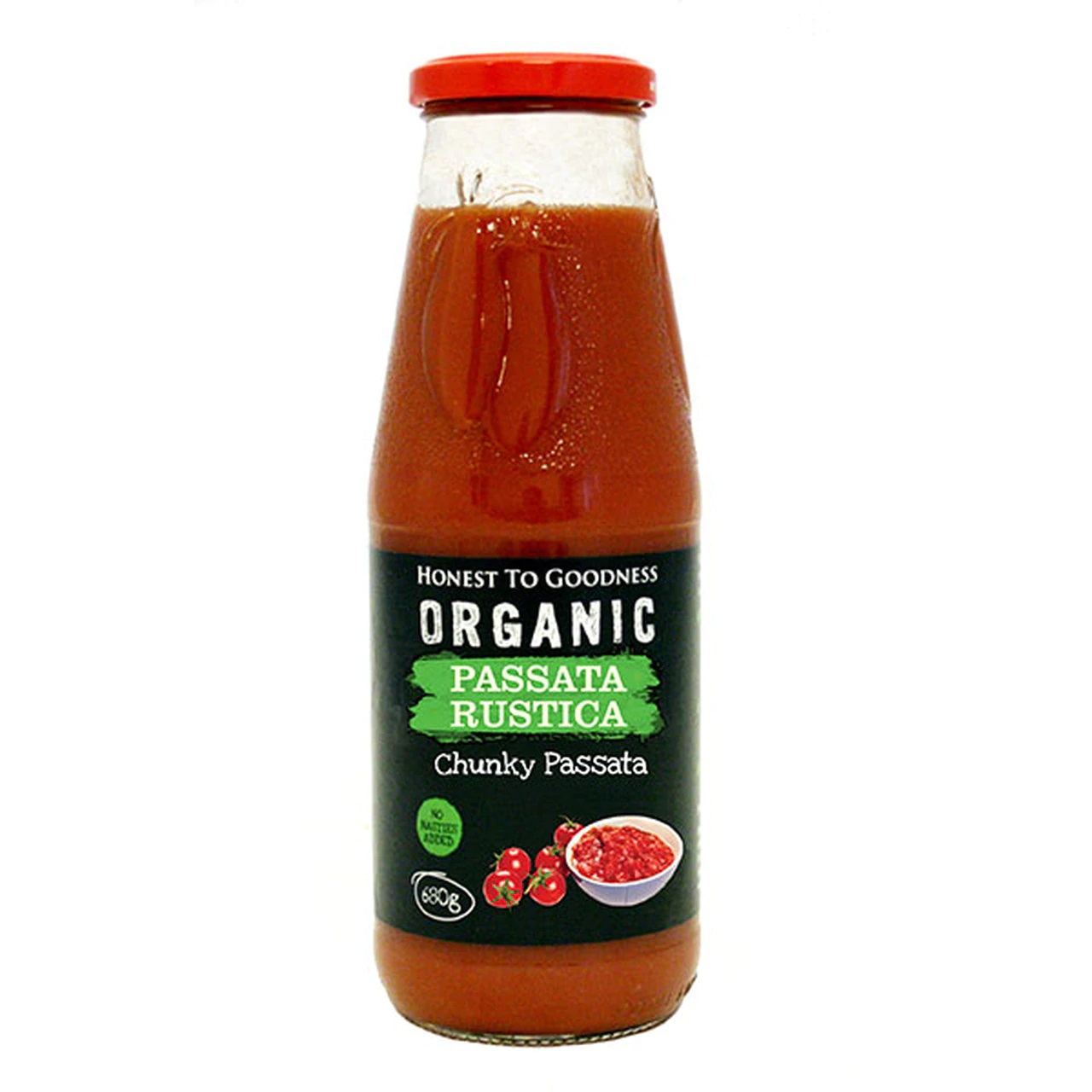
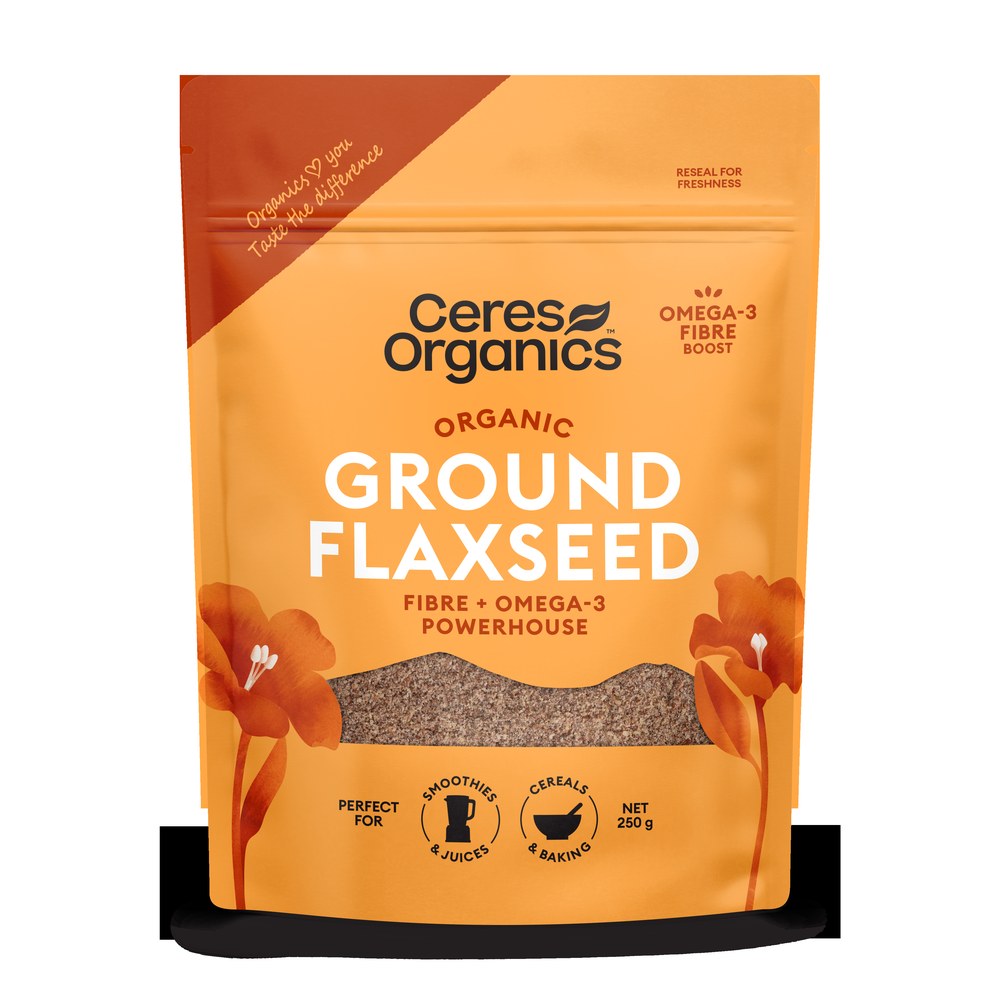
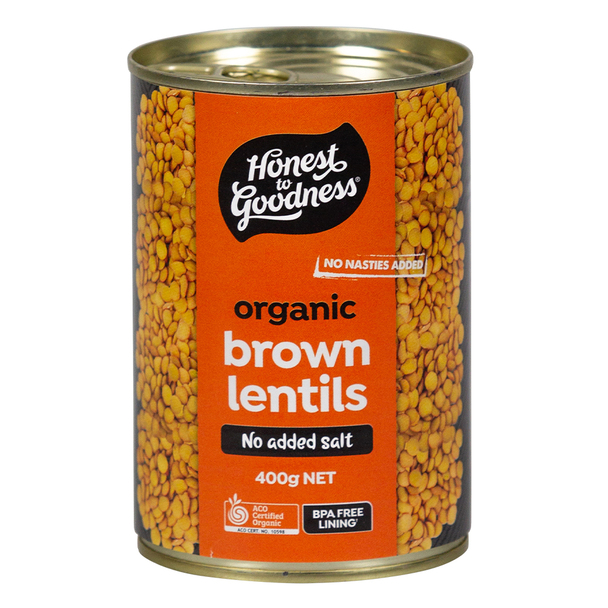
Browse Pantry Staples, Grains and Legumes and Oils for more certified organic choices.