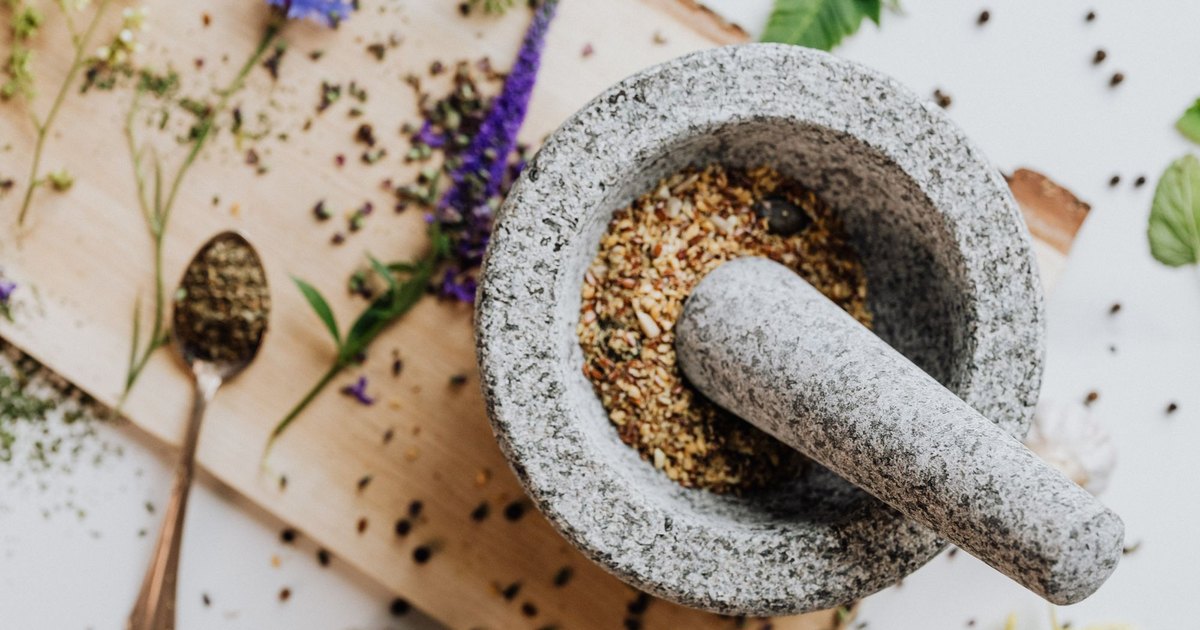
Ashwagandha has gone from a herb nobody could pronounce to something people ask for by name every week. It usually comes with a version of the same sentence. I am not sleeping properly, I am wired at night, work is a lot at the moment. So here is what these herbs are, which one suits which problem, and roughly how long before you can tell if it is doing anything.
What adaptogen actually means
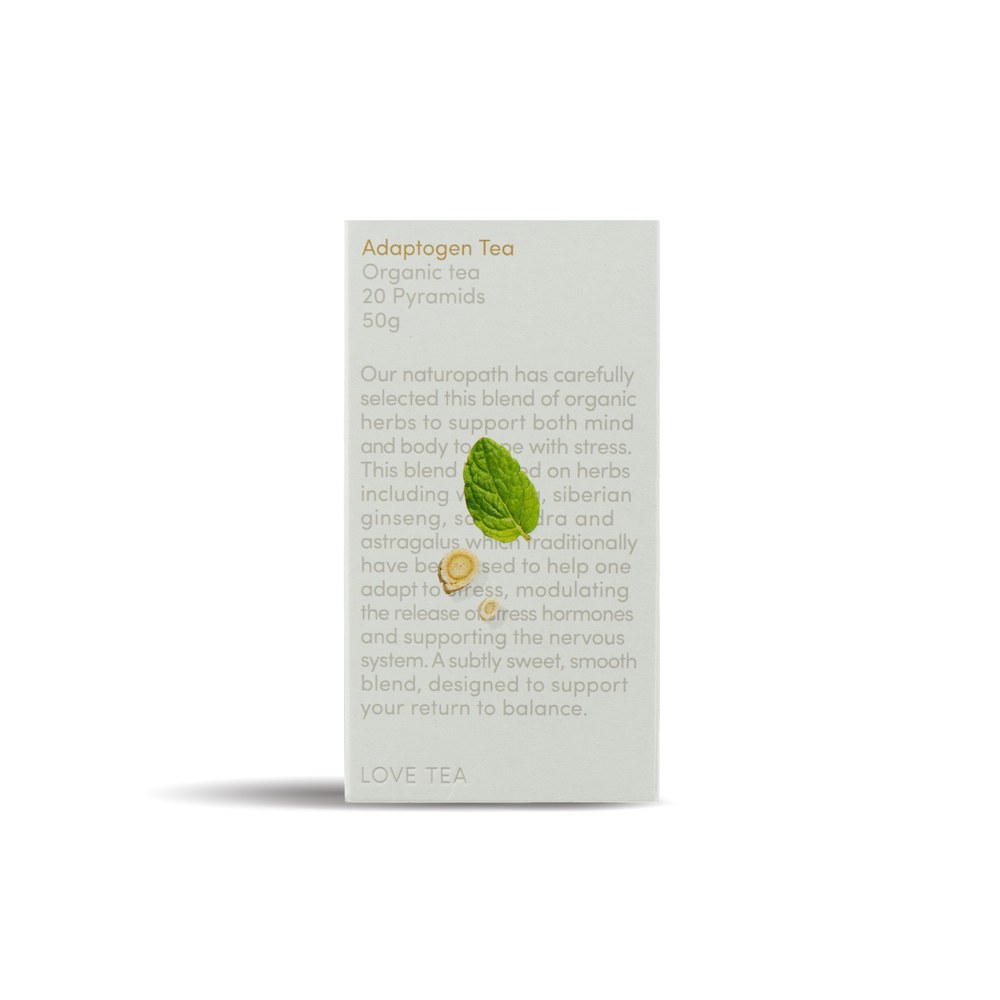
An adaptogen is a herb traditionally used to help the body cope with stress. Not stimulating like coffee, not sedating like a sleeping tablet, more like a herb that helps you handle a demanding week without the wheels falling off. Some are old Ayurvedic herbs, some come out of Chinese medicine, some are Russian sports research from the sixties. They are slow burners. Nothing here works in twenty minutes, and anyone promising that is selling something else.
Ashwagandha, the popular one
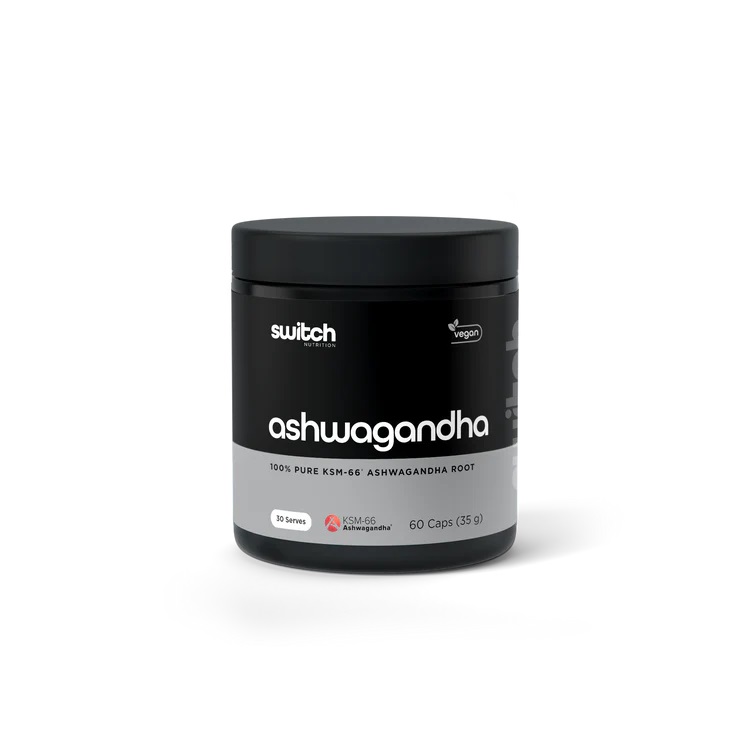
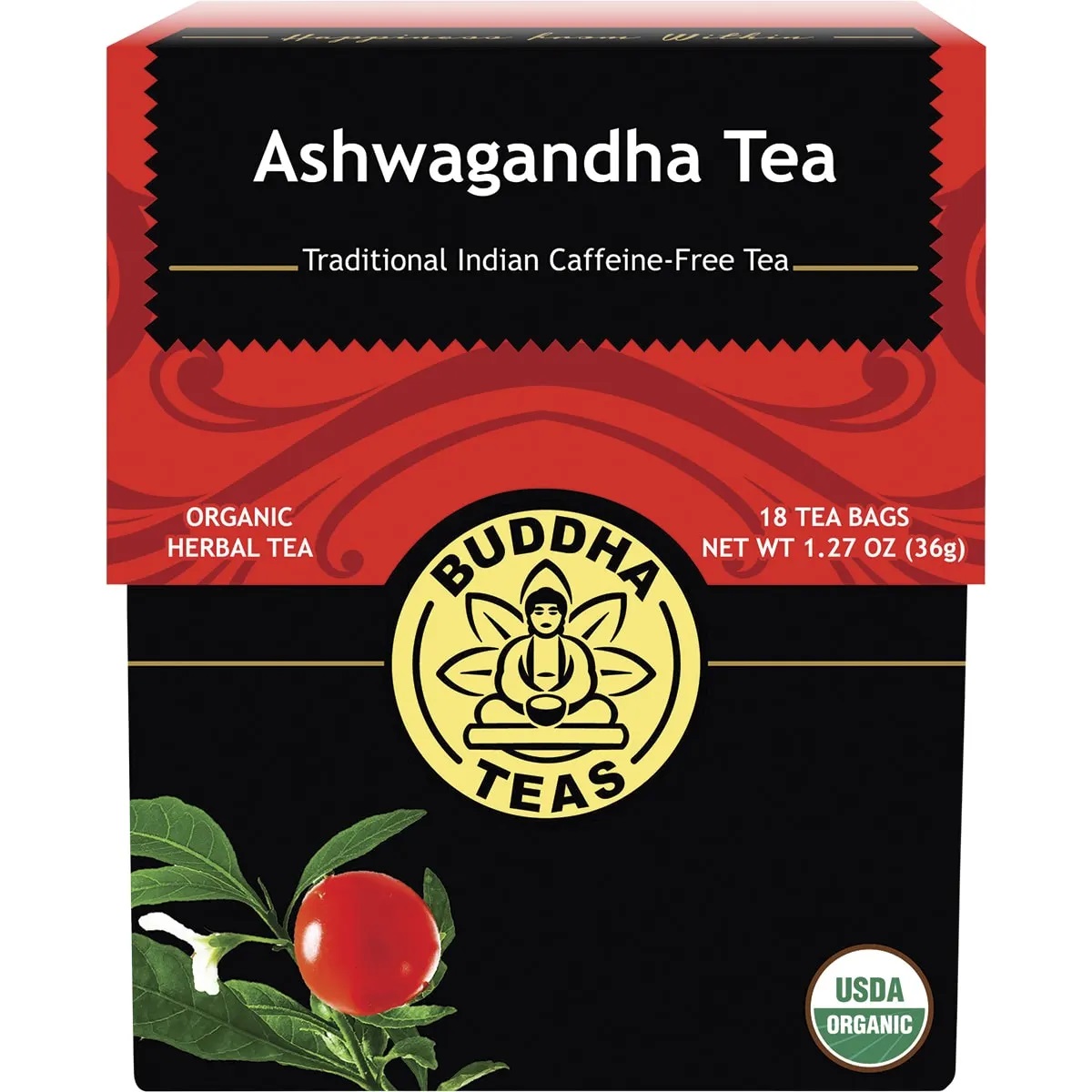
Ashwagandha is a root, and it has a reputation for taking the edge off a stressed nervous system rather than knocking you out. Most people who get on well with it take it in the evening, and the thing they usually notice first is falling asleep more easily rather than feeling different during the day. Give it four weeks. Capsules are the reliable way to take it because the root tastes strongly of horse paddock, though the tea has its fans and is a gentler way to try it before committing to a bottle.
Tulsi, for people who like a ritual
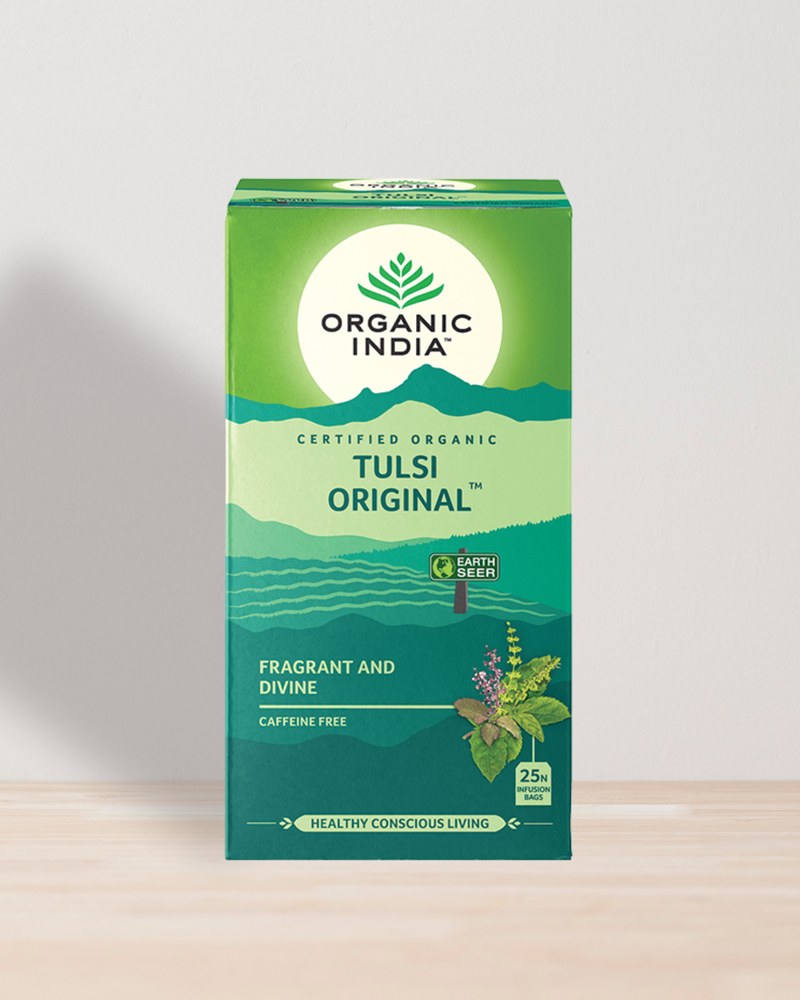
Tulsi, or holy basil, is grown in courtyards all over India and drunk daily. It is a lovely tea, faintly clove like, and it is the one we suggest to people who want something calming they can drink through the afternoon instead of a third coffee. Low commitment, hard to get wrong, and pleasant enough that people actually keep doing it, which matters more than any ingredient list.
Morning herbs and night herbs
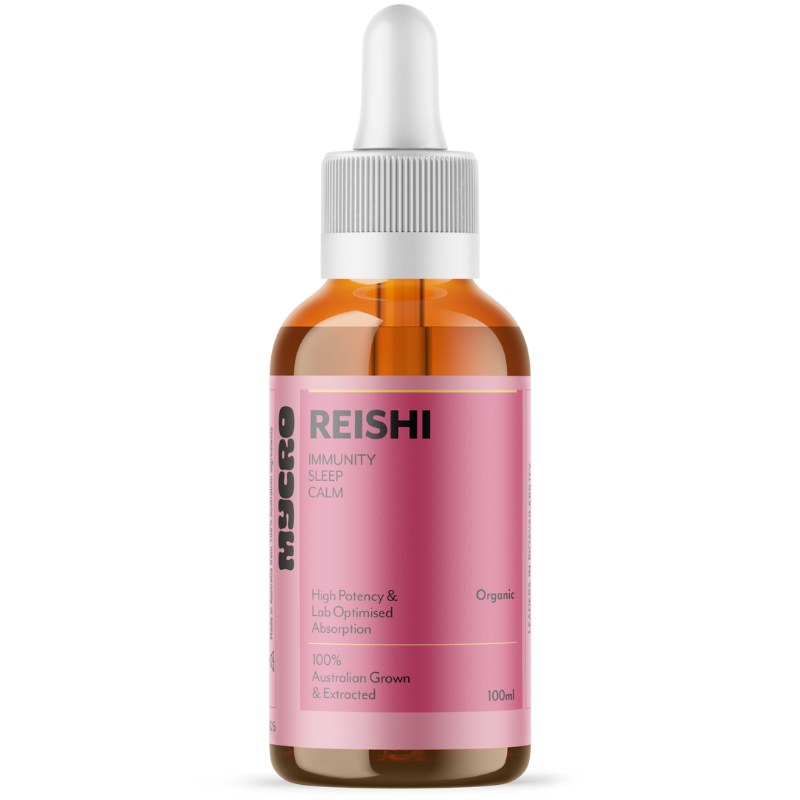
This is where people go wrong. Rhodiola is a morning herb. It is the one used for mental fatigue and flat energy, and taken late in the day it will happily keep you staring at the ceiling. Reishi is the opposite, a mushroom traditionally taken in the evening, and it suits the person who cannot switch off at night. Cordyceps sits with the morning crowd, more about stamina and getting up a hill than about calm. Match the herb to the time of day and you avoid most of the disappointment.
L-theanine, when you want something today
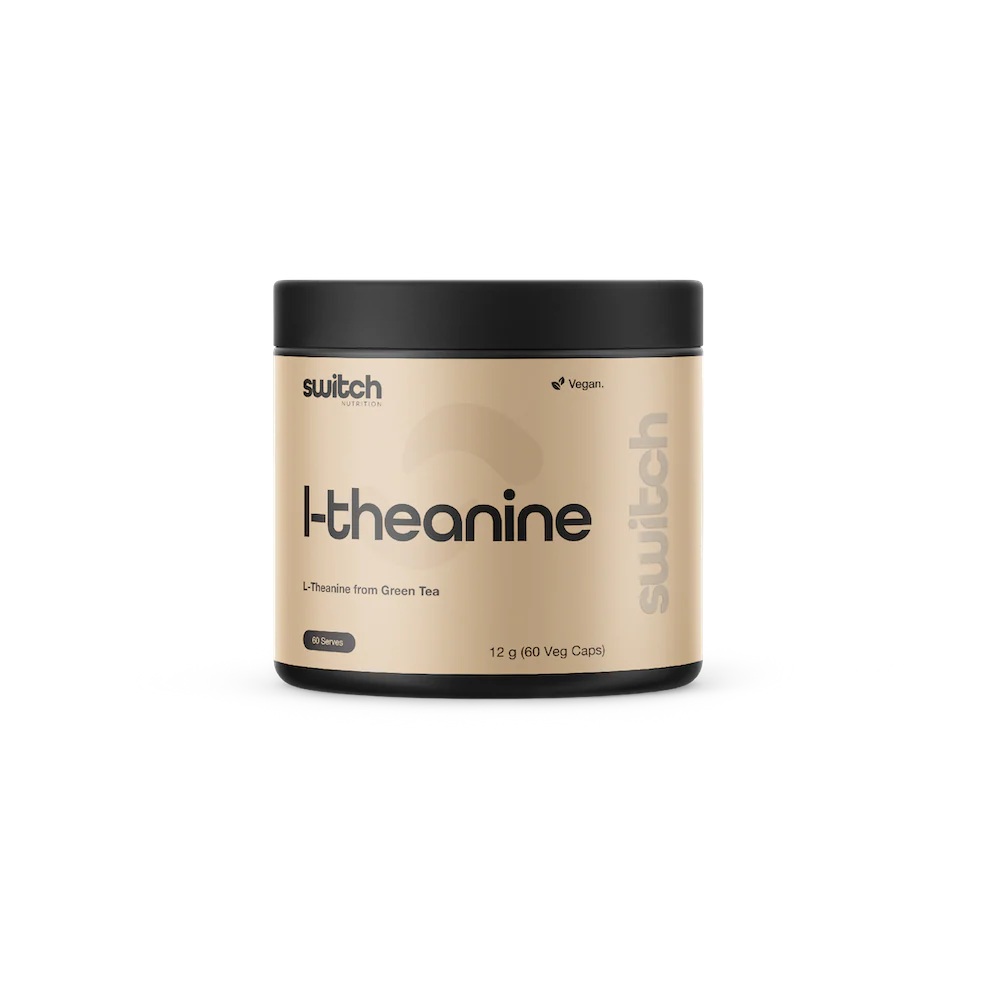
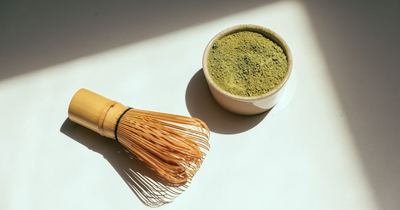
If everything above sounds too slow, l-theanine is the exception. It is the amino acid in green tea that makes a cup of matcha feel focused rather than jittery, and it works within an hour. People use it before a presentation, on a plane, or with their morning coffee to take the edge off the caffeine without losing the lift. It is not a treatment for anything, it is just a useful thing to have in the drawer.
Who should give these a miss. Adaptogens are not for pregnancy or breastfeeding unless your midwife or naturopath has said otherwise. Ashwagandha needs care if you have a thyroid condition or take thyroid medication, and it is in the nightshade family, which matters to a small number of people. If you are on medication for blood pressure, blood sugar, mood or immune conditions, check with your GP or pharmacist first. Herbs are still active things, that is the whole point of them.
How to actually start
One at a time. If you take a blend of six herbs and feel better, you have learned nothing about which one to buy again, and if you feel worse you have no idea what to drop. Pick the one that matches your problem, take it consistently for four weeks, then decide. Take it at the same time every day. And be honest about the basics first, because no herb outperforms a decent bedtime, and the person sleeping five hours and drinking six coffees is going to be disappointed in ashwagandha.
What we stock
Sleep is usually the first thing people want back, and magnesium is the other half of that conversation, which we went through in which magnesium is right for you. If mushrooms are the part that interests you, we wrote a plain guide to lion's mane, reishi and the rest. The full range lives under Stress & Relaxation and Sleep, or come and ask us at 936 Anzac Parade, Maroubra, open seven days.




 Coco's guideCeremonial cacao, cacao powder or cocoa?Which one to buy, and how to make a proper cup.Read the guide




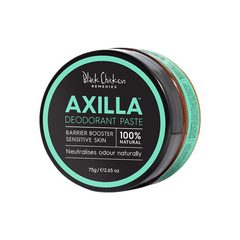
 Coco's guideNatural deodorant that actually worksHow to survive the switch, and what to try first.Read the guide


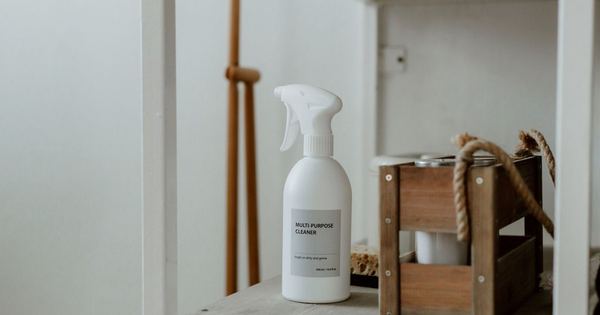 Coco's guideLow tox cleaning: five swaps to make firstRefills, castile and soapberries that really work.Read the guide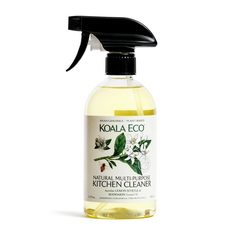








 Coco's guideHow to choose a natural sunscreenMineral or chemical, and one you will actually wear.Read the guide






 Baking & Raw Un-Baking
 Grains & Legumes
 Noodles, Pasta & Rice
 Herbs, Spices & Salts
 Oils
Oils Vinegars & Dressings
 Sauces & Marinades
 Condiments
 Sugars & Sweeteners
 Canned Goods
 Ready Made Mixes
 Bone Broth & Stock
 Snacks
 Bars
Bars Chips
Chips Fruit & Nuts
 Biscuits
 Crackers & Crispbreads
 Confectionery
 Cacao & Carob
 Dried Fruit
 Nuts & Seeds
 Chewing Gum & Lozenges