Almost every baby gets nappy rash at some point, and it can turn up quickly: a happy bottom at bedtime and an angry red one by morning. Most cases are mild and clear up in a few days with some simple changes. Here is what causes it, a routine that prevents most of it, what to put on the skin, and the signs that mean it is time to see the GP or your child and family health nurse.
What causes it
The skin under a nappy spends a lot of time warm and damp. Urine and poo contain substances that irritate skin, and when poo and urine mix they make the area more alkaline, which breaks the skin's natural barrier down further. Add the rubbing of the nappy itself and you have the classic rash: red, sometimes shiny, on the parts of the bottom and thighs that touch the nappy, while the creases are usually spared.
Rashes often flare when something changes: teething, starting solids, a course of antibiotics, a tummy bug with runny poo, or a longer stretch of sleep at night.
A change routine that prevents most of it
- Change often. As soon as you can after a dirty nappy, and every few hours for wet ones in the day. Newborns may need eight to twelve changes a day.
- Clean gently. Warm water and a soft cloth, or fragrance free wipes. Pat, do not rub.
- Dry properly. Let the skin air dry for a minute, or pat it dry with a soft towel, before the next nappy goes on.
- Use a barrier. A thin layer of zinc cream at every change keeps urine and poo off the skin. You do not need to scrub off the old layer each time, just wipe away the mess and top it up.
- Give nappy free time. A few minutes on a towel on the floor each day lets the skin breathe. Keep a spare towel close by.
- Check the fit. A nappy that is too tight rubs, and one that leaks keeps skin wet.

Zinc, calendula and balms
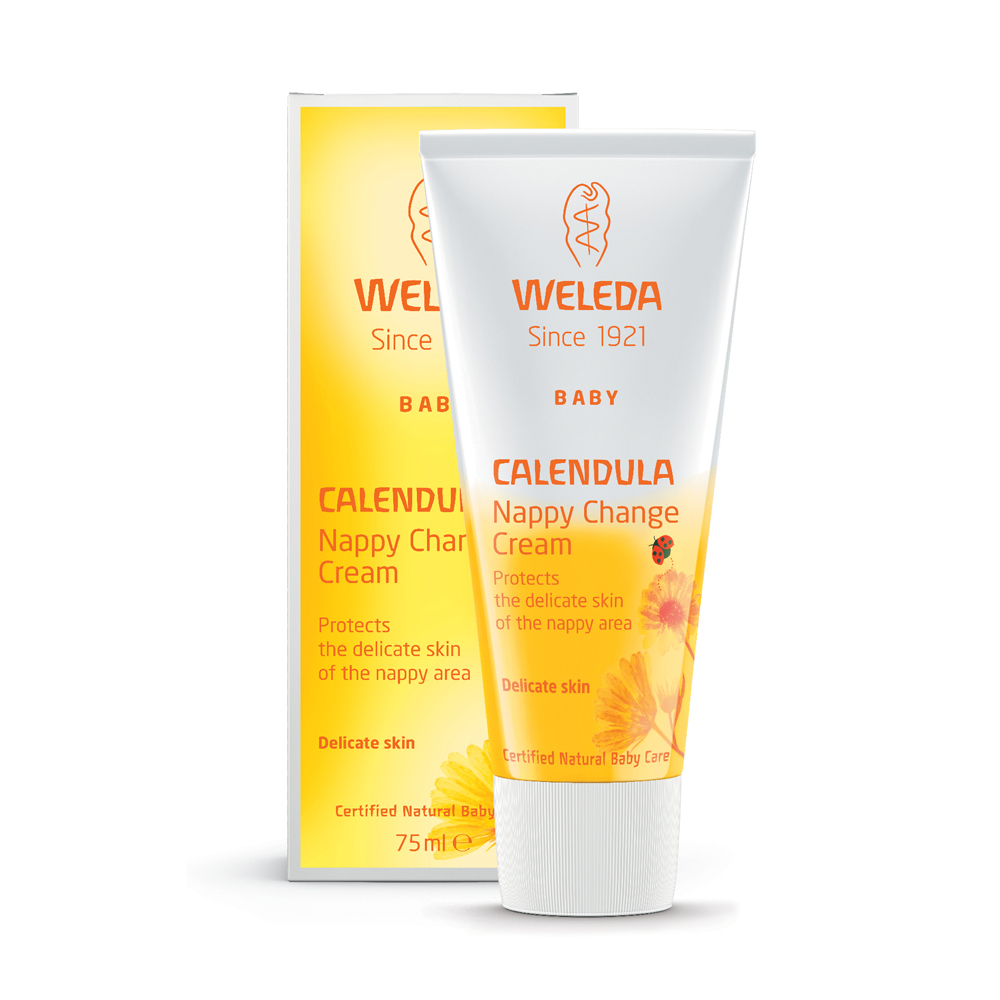
Zinc oxide is the workhorse of nappy creams. It sits on top of the skin as a physical barrier and has been used for generations. Weleda's Calendula Nappy Change Cream pairs zinc oxide with lanolin, sweet almond oil, calendula and chamomile, so it protects and soothes at the same time. It is a good everyday cream.
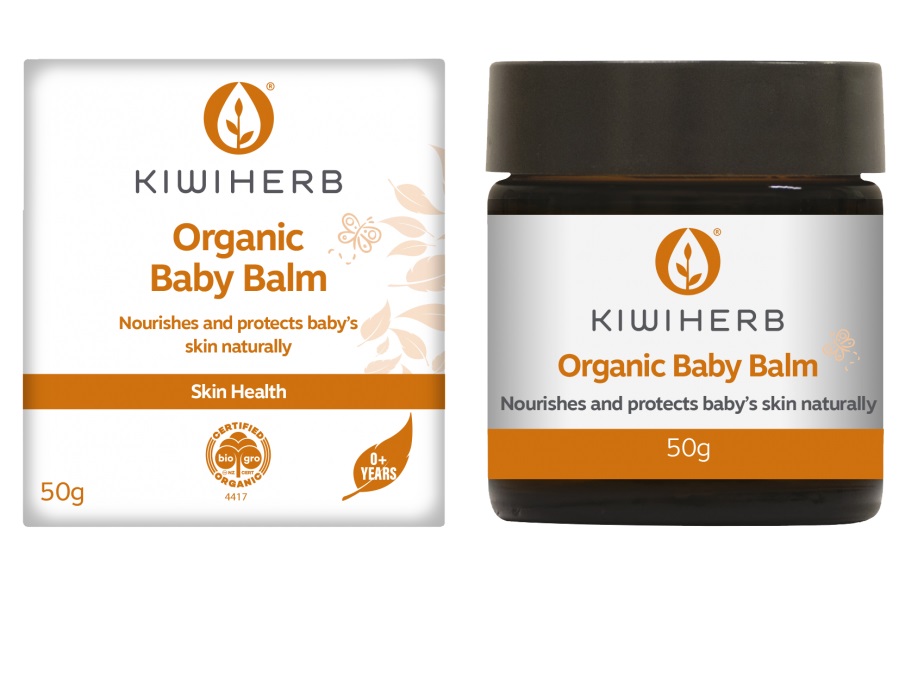
Calendula, from the marigold flower, has a long history in baby skincare as a soothing herb. Kiwiherb's Organic Baby Balm uses calendula and chamomile in olive oil, coconut oil and beeswax. It has no zinc, so it suits mild redness, dry patches and cradle cap as much as the nappy area, and you can use it alongside a zinc cream on harder days.
A couple of things to avoid: talcum powder, which babies can breathe in, and perfumed lotions or bubble bath on irritated skin. If a cream contains nut oils, such as almond, and there are nut allergies in the family, ask your GP whether it suits your baby.
Wipes: disposable or cloth
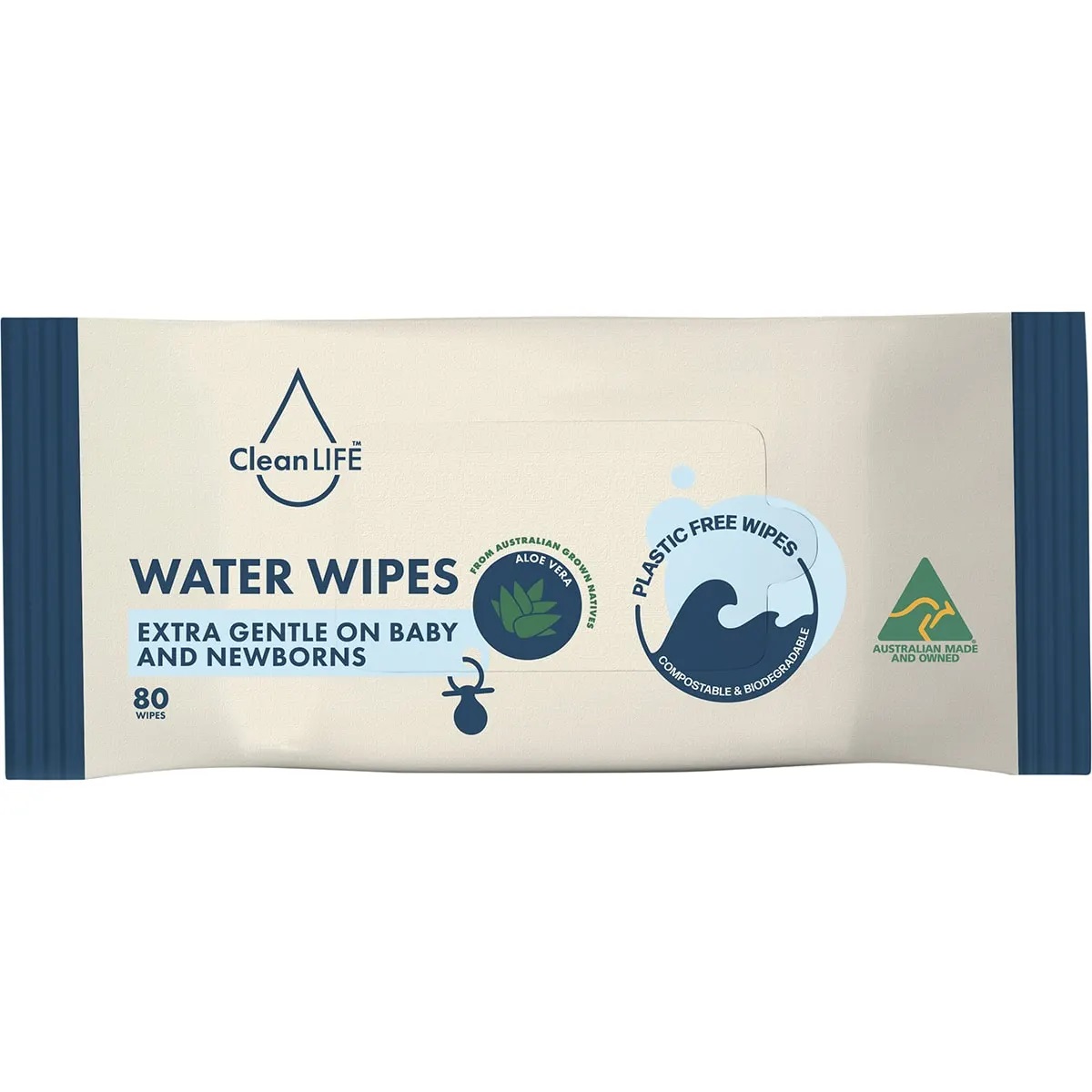
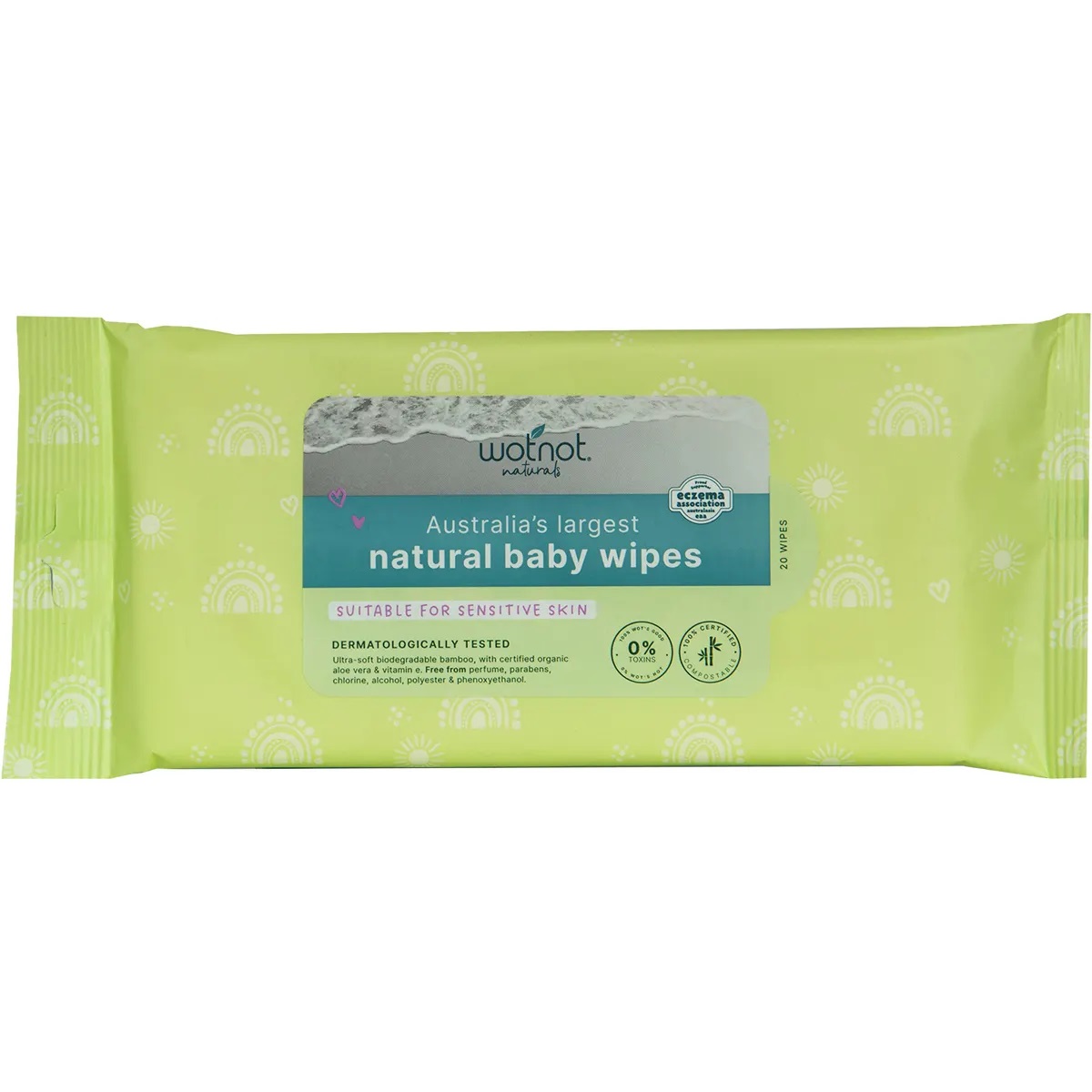
For newborns and rashy days, plain water is the gentlest option of all. Water based wipes, like the CleanLIFE ones, are the closest thing in a packet and are handy when you are out. WOTNOT's wipes are fragrance free and compostable.
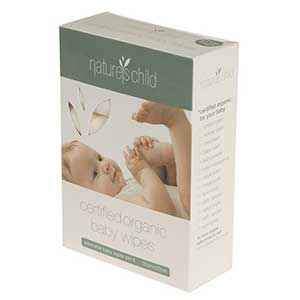
Reusable organic cotton wipes, like Nature's Child's box of eight, go a step further: wet them with warm water at the change table, use, rinse and wash with the nappies or towels. There is nothing on them but cotton and water, which makes them a good choice when skin is already sore, and they save a lot of money over a year.
Cloth or disposable nappies?
Both work, and neither causes nappy rash on its own. Modern disposables pull wetness away from the skin very well, which helps overnight. Cloth nappies need changing a little more often, because they hold moisture against the skin for longer. If you use cloth, skip fabric softener, which leaves a residue that can irritate, and rinse well so no detergent is left behind. When a rash flares on cloth, a few days in disposables while it heals is a perfectly reasonable shortcut.
Bath time
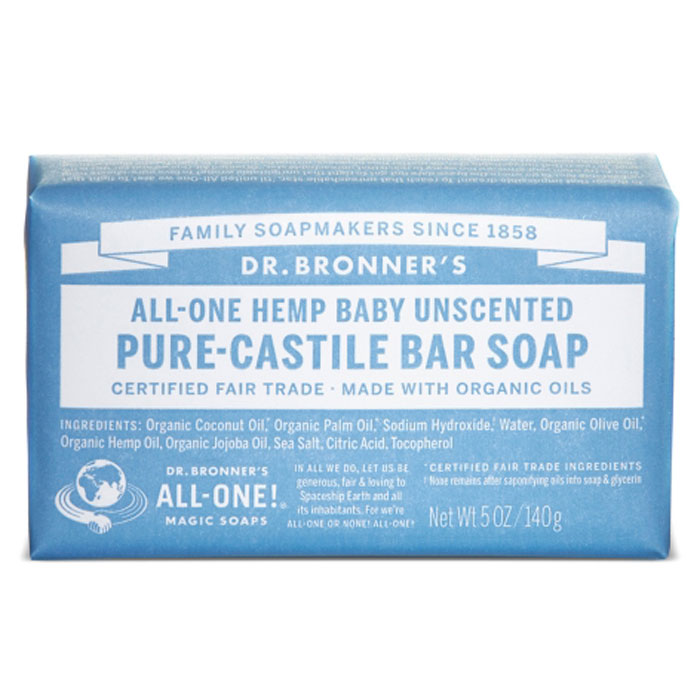
Babies do not need soap every day. A warm bath with plain water, or a small amount of a mild, unscented wash for the nappy area, is enough. Dr Bronner's unscented baby bar is a simple option for older babies. Rinse well, pat dry, and wait until the skin is fully dry before putting the next nappy on.
See your GP or child and family health nurse if the rash has not improved after three or four days of good care, if it is bright red in the skin creases with small red spots spreading outwards (this can be thrush), if there are blisters, pus, yellow crusts or broken skin, or if your baby has a fever or seems unwell. You can also call healthdirect on 1800 022 222 at any time.
What we keep on the shelf
You will find more under Baby Care, and if you are packing a nappy bag for a beach trip, our sunscreen guide covers what is suitable for little ones. We are at 936 Anzac Parade, Maroubra, if you would like to see the creams in person.




 Coco's guideCeremonial cacao, cacao powder or cocoa?Which one to buy, and how to make a proper cup.Read the guide


 Coco's guideNatural deodorant that actually worksHow to survive the switch, and what to try first.Read the guide


 Coco's guideLow tox cleaning: five swaps to make firstRefills, castile and soapberries that really work.Read the guide


 Coco's guideHow to choose a natural sunscreenMineral or chemical, and one you will actually wear.Read the guide


 Baking & Raw Un-Baking
 Grains & Legumes
 Noodles, Pasta & Rice
 Herbs, Spices & Salts
 Oils
Oils Vinegars & Dressings
 Sauces & Marinades
 Condiments
 Sugars & Sweeteners
 Canned Goods
 Ready Made Mixes
 Bone Broth & Stock
 Snacks
 Bars
Bars Chips
Chips Fruit & Nuts
 Biscuits
 Crackers & Crispbreads
 Confectionery
 Cacao & Carob
 Dried Fruit
 Nuts & Seeds
 Chewing Gum & Lozenges