





Calming a frazzled nervous system: breathing, the vagus nerve and what the evidence says

"Dysregulated", "stuck in fight or flight", "vagus nerve reset": the language of the nervous system has gone mainstream. Breathwork classes are full, somatic therapy is popular, and social media is full of humming, ice baths and ear massage promising instant calm. Under the hype is a useful idea. Your body has a built in brake for stress, and some simple, free practices can help you use it. Here is what is going on, and which techniques hold up.
Accelerator and brake
Your autonomic nervous system runs the things you do not think about, such as heart rate, breathing and digestion. It has two main branches. The sympathetic side is the accelerator: it raises heart rate and readies you to act. The parasympathetic side is the brake, often called "rest and digest". The vagus nerve, which runs from the brainstem to the heart, lungs and gut, carries much of that braking signal.
Both sides are meant to work together. Stress is normal and useful in bursts. The trouble starts when the accelerator rarely lets up, with poor sleep, constant busyness and little recovery.
Does the vagus nerve need a reset?
Not in the literal sense. There is no switch that trips and needs flicking back. Researchers estimate vagal activity indirectly, mostly through heart rate variability (HRV), the small natural changes in time between heartbeats. Higher HRV generally reflects a body that can shift easily between effort and recovery. Many smartwatches now track it. The practices below can raise HRV and calm you in the moment. Repeated over weeks, they make it easier to settle. They are not cures for anxiety, inflammation or disease, whatever the video says.
Slow breathing: the best evidence
Slow breathing has the strongest research behind it. Breathing at around six breaths a minute, for example in for four seconds and out for six, reliably increases HRV during and after practice, and many people feel calmer within a few minutes. The long exhale is the key part, since your heart rate naturally slows as you breathe out.
A 2023 Stanford study compared five minutes a day of different breathing techniques with mindfulness meditation. "Cyclic sighing" improved mood and reduced anxiety the most. To try it, breathe in through your nose, take a second short sip of air on top, then breathe out slowly and fully through your mouth. Repeat for five minutes.
A five minute daily reset. Sit or lie comfortably, put a hand on your belly and breathe in through your nose for four counts, then out through your mouth for six. Keep going for five minutes, ideally at the same time each day. Use it again whenever you notice your shoulders creeping up toward your ears.
Cold water
Splashing cold water on your face, or holding a cold pack over your eyes and cheeks, triggers the diving reflex, which slows your heart rate within seconds. It is a quick way to take the edge off a surge of panic. Cold showers and ice baths are more popular than proven for mood. If you enjoy them, they are fine for most healthy people, but people with heart conditions should check with their doctor first. A morning swim at Maroubra in spring is cold enough for most of us.
Humming, singing and other hacks
Humming, chanting and singing all lengthen the exhale, which is probably why they feel calming. Evidence for most other trending hacks, such as ear massage, gargling and eye movement drills, is thin. They are harmless, so use them if they help you, but do not expect them to replace the basics.
The everyday foundations
- Sleep on a regular schedule. Little else affects your stress response as much.
- Move every day, preferably outdoors. Regular exercise is linked to higher resting HRV.
- Spend time with people. Social connection is one of the strongest buffers against stress.
- Put the phone down for the first and last half hour of the day.
- Go easy on alcohol and late caffeine, both of which lower HRV overnight.
Calming support from the shelf
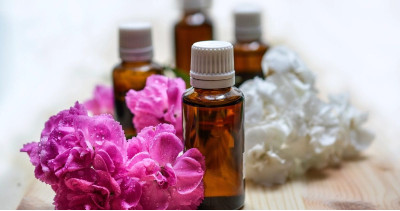
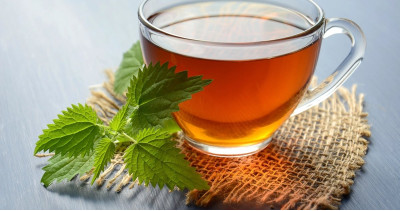
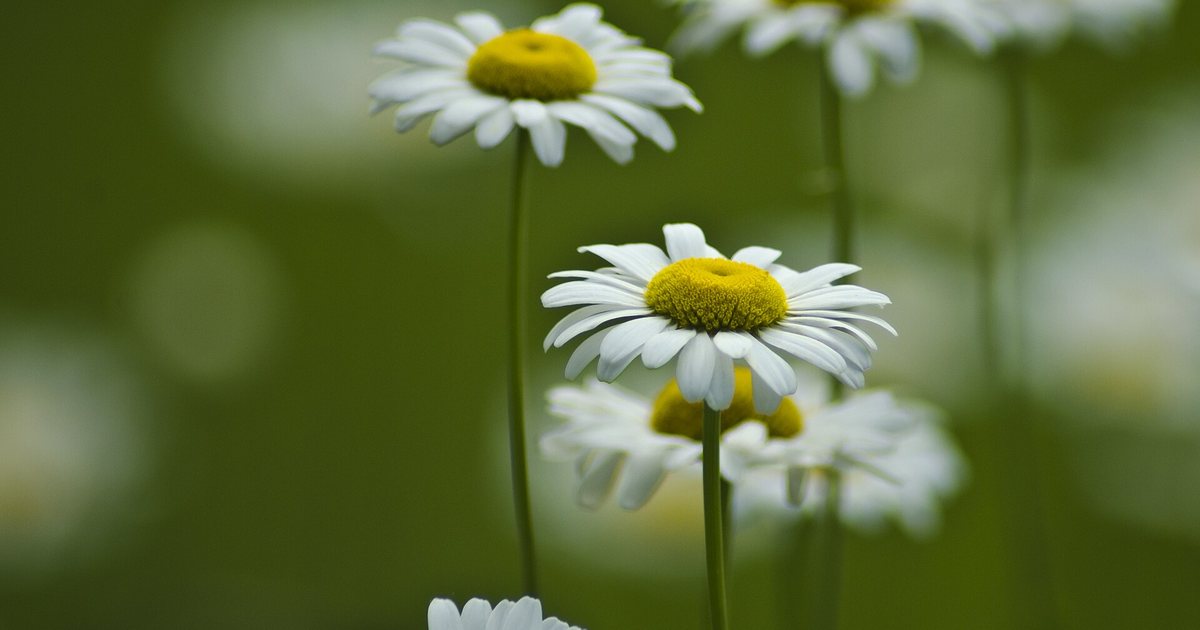
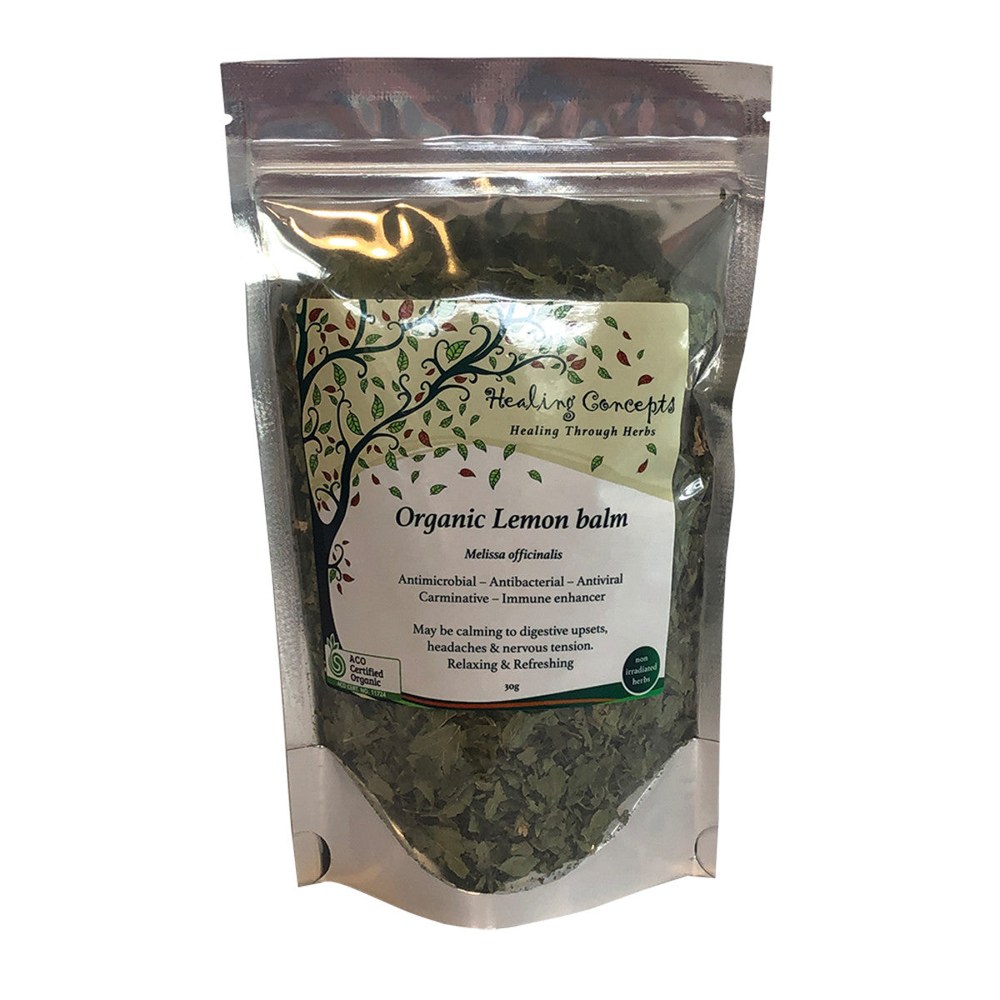
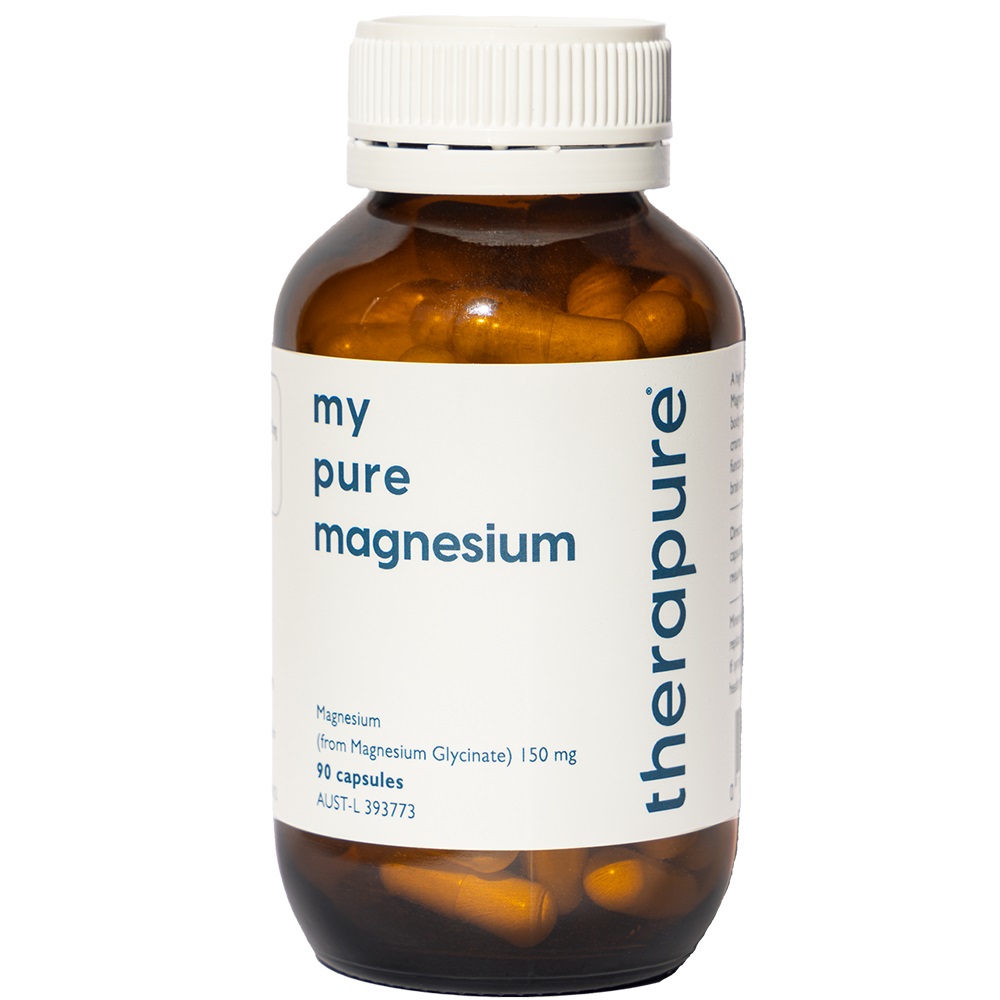
Herbal teas. Chamomile, lemon balm and passionflower are traditionally used for calm and sleep, and making a cup is a small pause in itself. A warm bath an hour or two before bed helps many people fall asleep faster. Whether magnesium from Epsom salts passes through the skin is unproven, but the warmth and quiet help. Lavender has some evidence for easing anxiety, mostly from studies of oral lavender oil capsules, and many people find the scent relaxing. Magnesium glycinate is a gentle form some people take in the evening; our magnesium guide compares the types. Our adaptogens guide covers ashwagandha and similar herbs.
When to get more help
If anxiety, panic or low mood are getting in the way of work, sleep or relationships, see your GP. They can set up a mental health treatment plan with subsidised sessions with a psychologist. For support any time, call Lifeline on 13 11 14 or Beyond Blue on 1300 22 4636. Breathing exercises are a helpful tool alongside proper care, not a replacement for it.
Calming support on our shelves
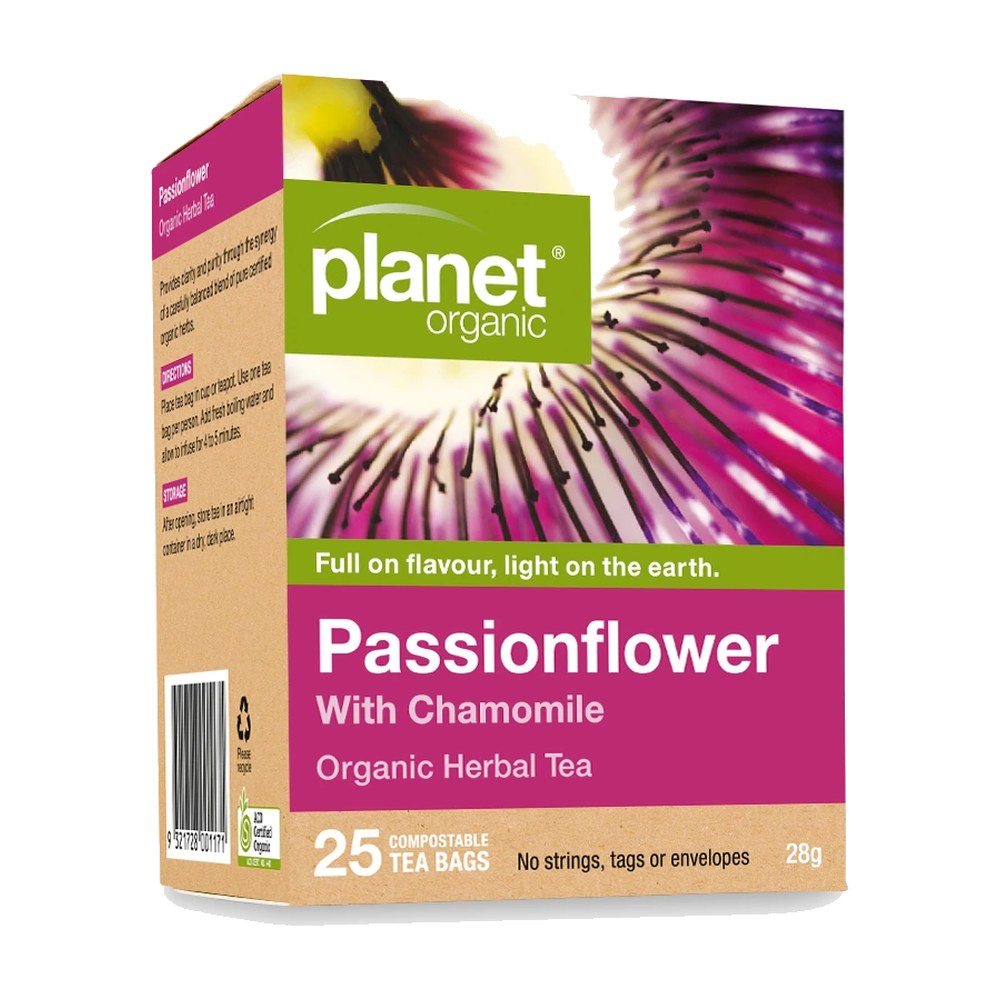
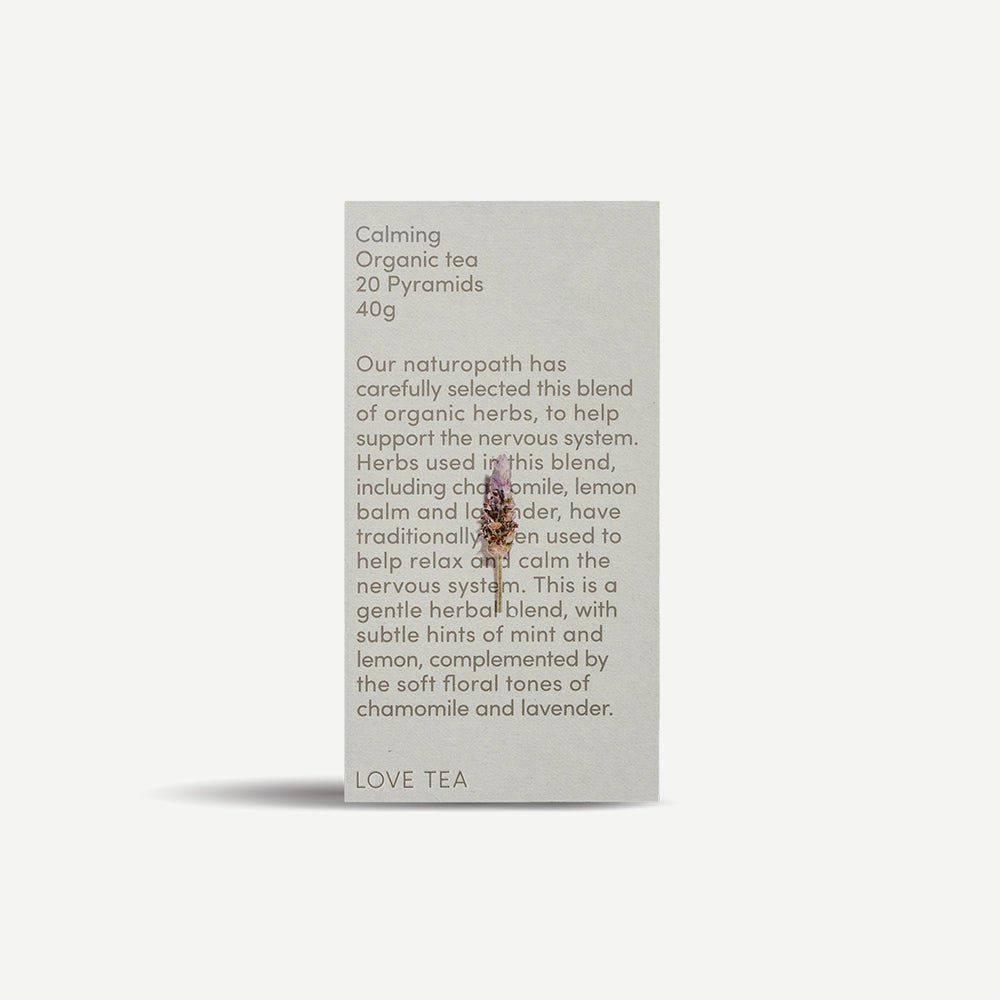
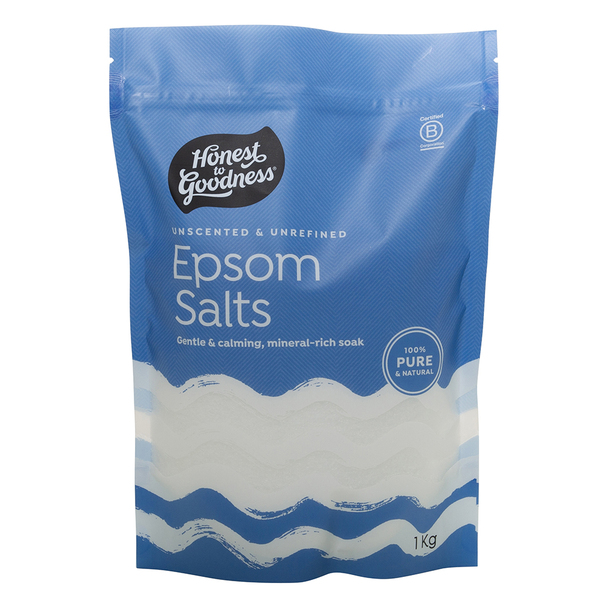
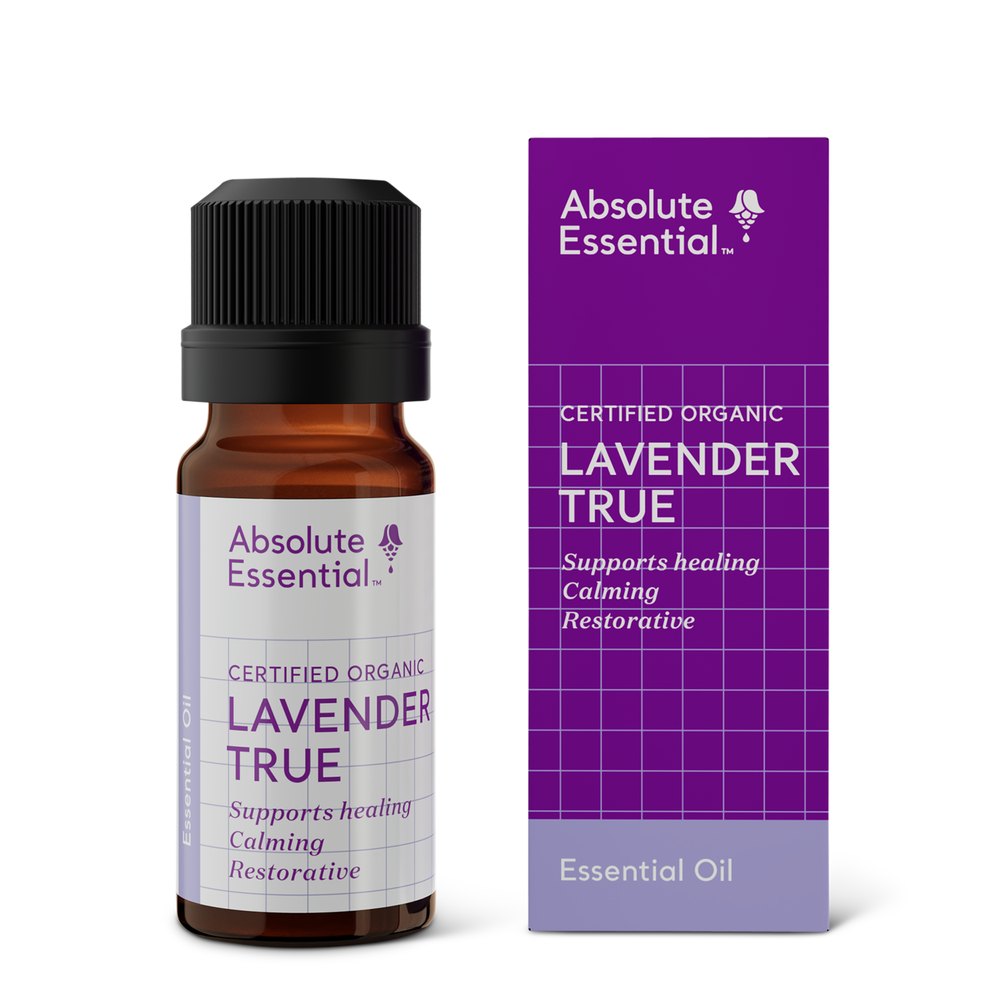
Browse Stress & Relaxation, Sleep and Aromatherapy, or come in for a cup of something calming and a chat.