






Sunburnt anyway? A calm guide to after-sun care, and when to see a doctor
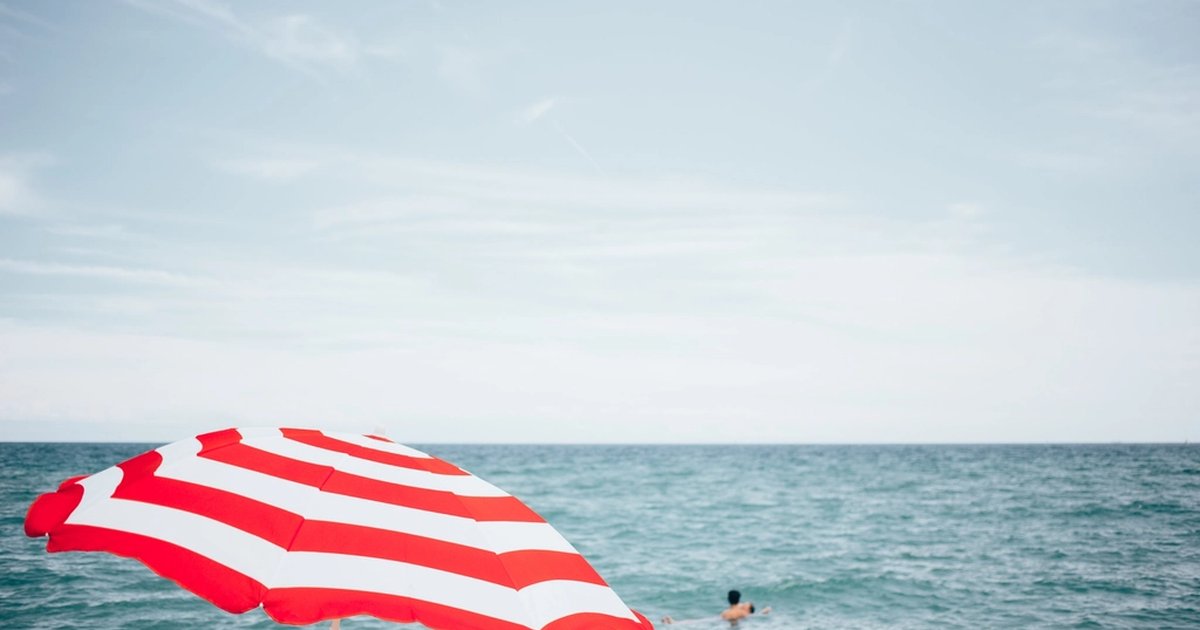
It happens to the most careful of us. A cloudy morning at the beach turns into a scorcher, the sunscreen stays in the bag after a swim, or a patch of back you could not reach turns pink by dinner. With the warmer months back in Sydney, here is how to look after sunburnt skin, which products help, what to leave in the cupboard, and the signs that mean it is time to see a doctor.
What sunburn is
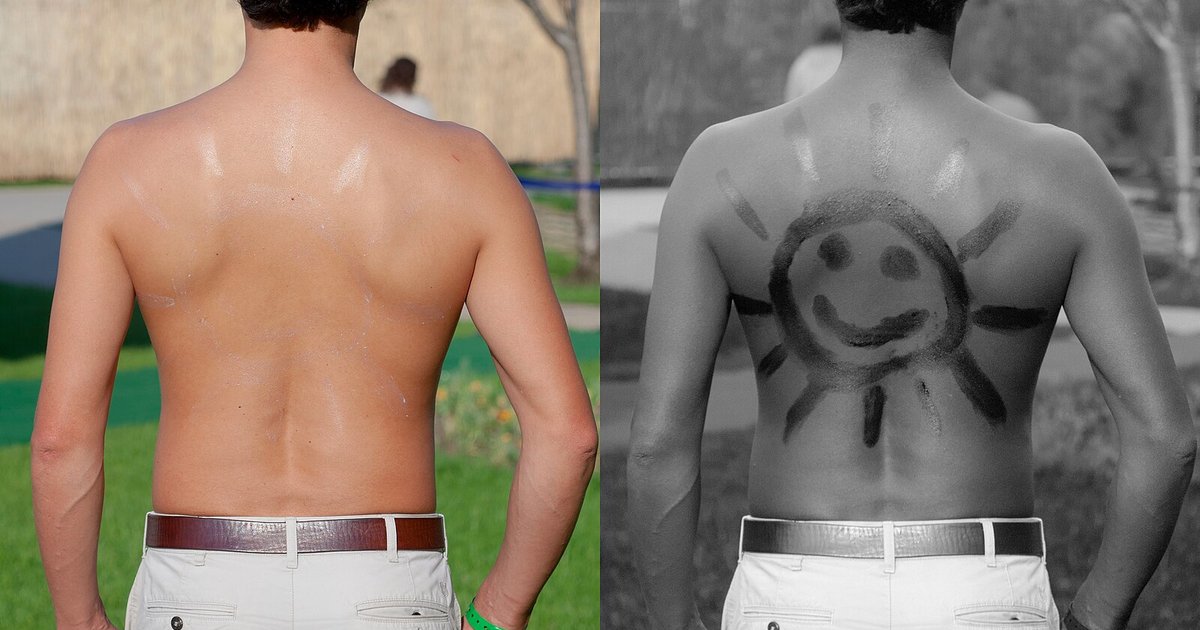
Sunburn is skin damage from ultraviolet radiation. The redness, heat and soreness are your body's inflammatory response to that damage, and they usually peak 12 to 24 hours after you were in the sun. That is why a burn often looks worse the next morning than it did at the beach. The redness settles over a few days, and peeling follows as the damaged surface layer is shed. Every burn adds to your lifetime skin cancer risk, so after-sun care soothes the symptoms but does not undo the damage. That is the reason prevention matters so much in Australia.
The first few hours
- Get out of the sun. Head inside or into full shade straight away. Burns keep developing while you stay out.
- Cool the skin. A cool shower or bath, or a cool damp cloth, takes some of the heat out. Skip ice and icy water, which can damage skin that is already hurt.
- Drink water. Sunburn draws fluid to the skin, and a day in the heat dehydrates you too. Water is best; coconut water or an electrolyte drink helps if you have also been sweating a lot. Our electrolytes guide covers when they are worth it.
- Ease the pain. A pharmacist can recommend an over the counter pain reliever and check it suits any other medicines you take.
Soothing the skin over the next few days
Aloe vera. The clear gel from inside the aloe leaf has been used on burns for centuries. It feels cool, it is light enough to spread over tender skin, and it helps keep the skin hydrated. The research on whether it speeds healing of sunburn is mixed, so think of it as comfort rather than a cure. Pure gels without added alcohol or fragrance are gentlest, and keeping the bottle in the fridge makes it more soothing.
A light moisturiser. Once the heat has gone, a fragrance free or gently scented lotion helps with the tight, dry feeling and makes peeling less uncomfortable. Apply it while your skin is still slightly damp from a cool shower.
Cooling gels for small areas. First aid gels made for minor burns and bites are handy for small patches like the tops of the feet, ears or the back of the neck.
Loose clothing. Soft cotton or linen that does not rub, and a break from tight straps, makes the next couple of days easier.
What to avoid
- Heavy oils, butter and thick balms on a fresh burn. They can hold heat in the skin. Save rich creams for the peeling stage.
- Popping blisters. Blisters protect the skin underneath from infection. Leave them alone, and if one breaks, clean it gently and cover it with a non stick dressing.
- Peeling the skin. Let it come away on its own.
- Numbing sprays and products with fragrance or alcohol. These can irritate damaged skin or cause a reaction. Ask a pharmacist before using an anaesthetic cream.
- More sun. Keep burnt skin covered and out of the sun until it has fully healed.
When to see a doctor. Get medical help if the burn blisters over a large area, or on the face, hands, feet or genitals, if there is fever, chills, headache, nausea, dizziness or confusion, if a blister looks infected, or if a baby under 12 months has any sunburn. You can also call healthdirect on 1800 022 222 for advice at any hour.
Making it the last one
The best after-sun care is not needing it. Check the UV Index, and when it is 3 or above, use all five of the Cancer Council's steps: slip on clothing, slop on SPF 30 or higher broad spectrum sunscreen, slap on a hat, seek shade and slide on sunglasses. Apply sunscreen 20 minutes before you go out and reapply every two hours, and after swimming or towelling off. Most people use far too little: a full adult body needs about seven teaspoons, or roughly 35ml. A zinc stick is handy for noses, ears and the tops of the feet, the places that burn first and get missed. Our natural sunscreen guide explains mineral filters and how to choose one you will happily wear every day.
Children need extra care. Their skin burns faster, and sunburn in childhood is strongly linked to skin cancer later in life. Keep babies under 12 months out of direct sun as much as possible, dress kids in rash vests and wide brimmed hats, and plan beach trips for the early morning or late afternoon, when the UV is lower.
After-sun and sun care from our shelves
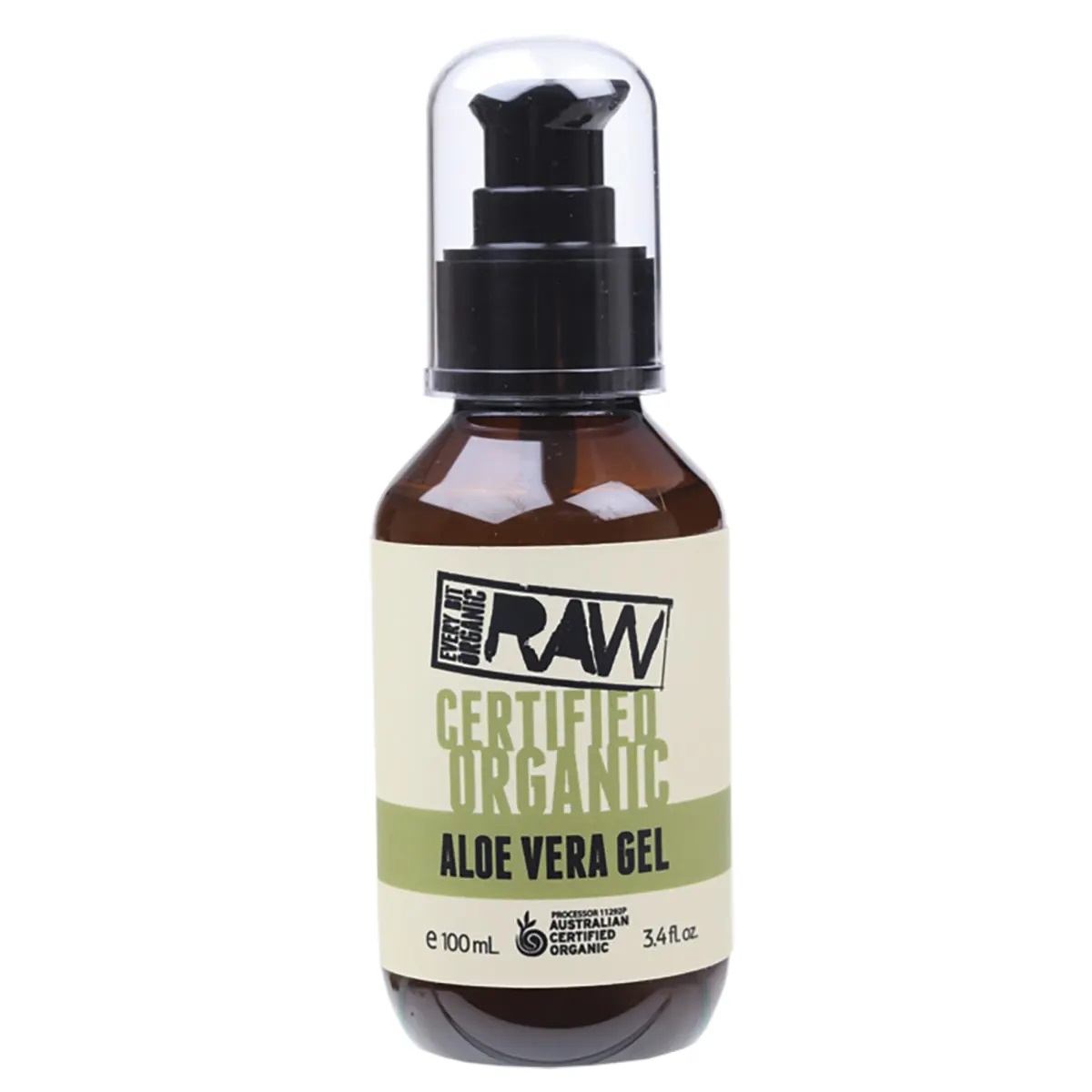
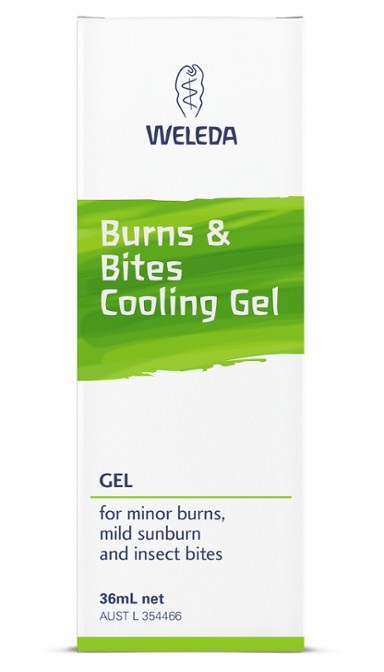
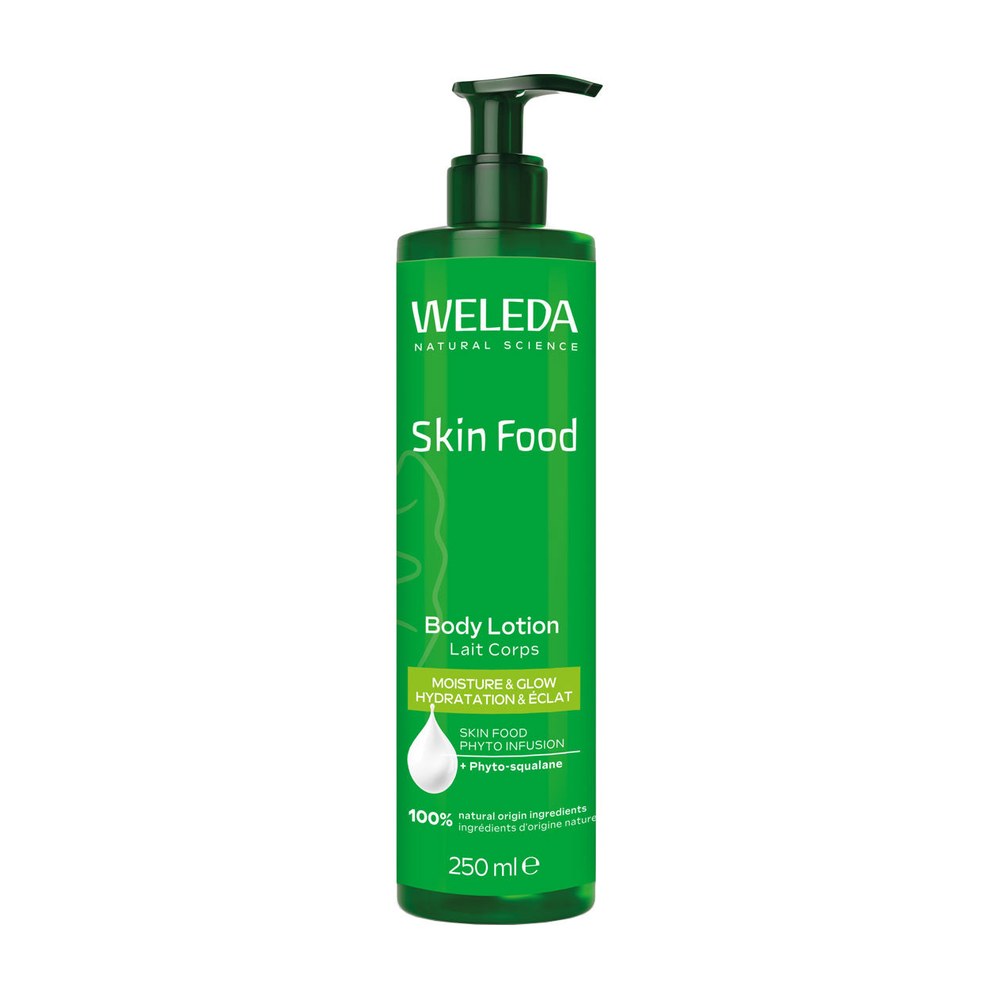
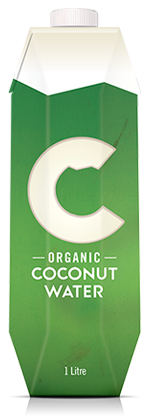
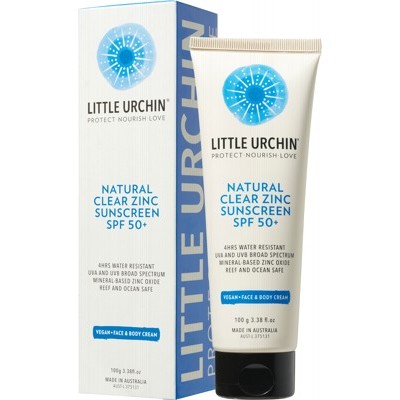
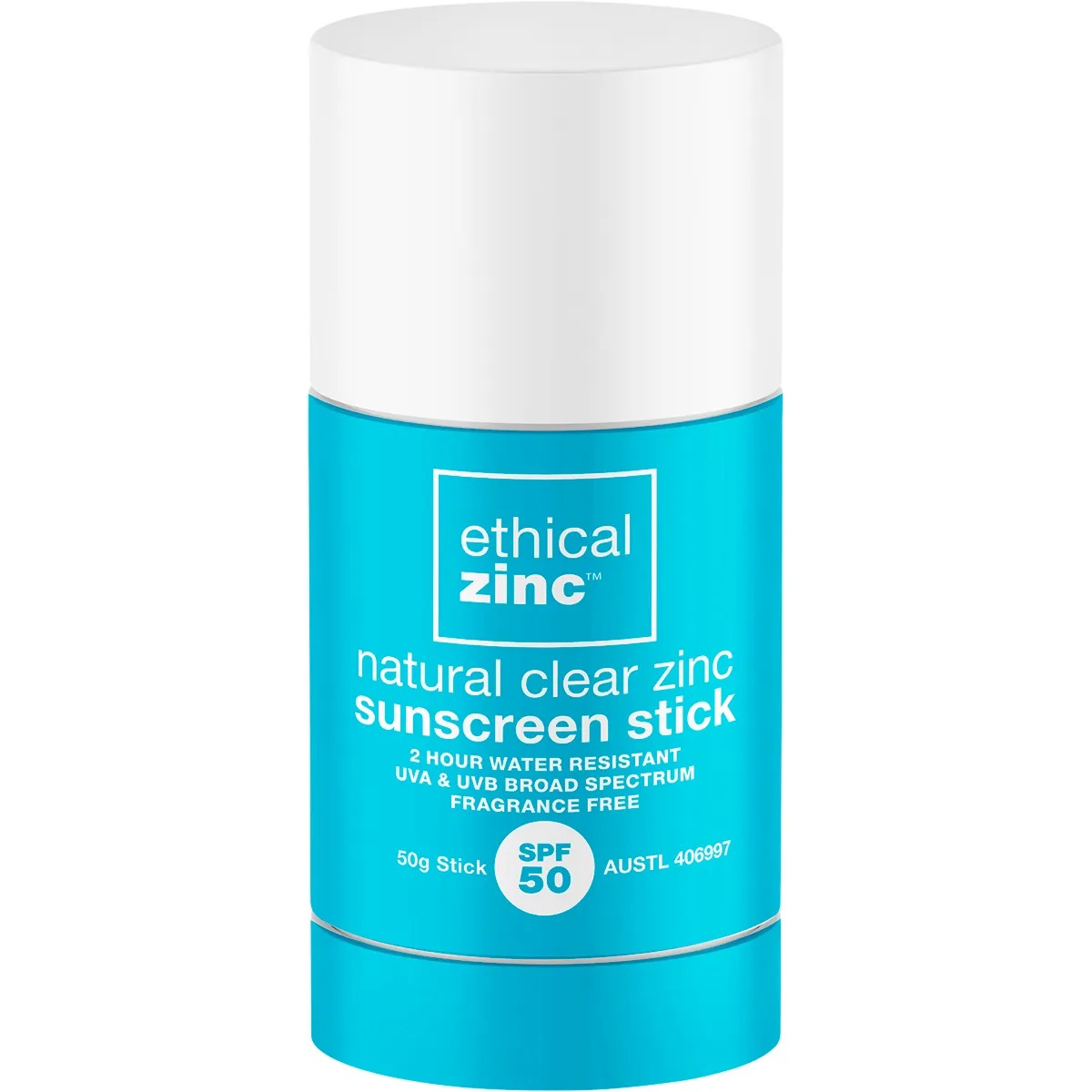
See more in Skin Care and Outdoor. Always read the label and follow the directions for use. If symptoms persist, see your healthcare professional.