For years the only people who bought creatine from us were young blokes training for something. Then, over about eighteen months, that changed completely. These days the person asking me about creatine is more likely to be a woman in her forties who has just started lifting weights, or someone who read that it might help with brain fog. So let us clear up what it is, why women are taking it, and what you actually need to buy.
What creatine is
Creatine is not a steroid, a stimulant or a hormone. It is a compound your body makes itself from amino acids, mostly in the liver and kidneys, and it is also in red meat and fish. Around 95 percent of it is stored in your muscles, where it helps recycle ATP, the energy your cells use for short, hard efforts like lifting, sprinting or getting up off the floor. Taking extra simply tops up those stores so they are full rather than half full.
It is also one of the most studied supplements on the planet, with decades of research behind it and a very good safety record in healthy people. That is a rare thing in this industry, and it is the main reason we are comfortable recommending it.
Why women in particular
Women tend to have lower natural creatine stores than men, and eat less red meat on average, so topping up can make a noticeable difference. The research in women shows the same thing it shows in men: paired with strength training, creatine helps you do a little more work in each session, which over time adds up to more strength and more lean muscle.
That matters most from the mid thirties onwards, when we start losing muscle and bone density, and the drop speeds up through perimenopause and after. There is growing research interest in creatine for exactly this group, for muscle, bone and even mood and sleep deprived thinking, since the brain uses creatine too. The early studies are promising rather than conclusive, but given how safe and cheap it is, a lot of women decide it is worth a go. If you are in that stage of life, our piece on perimenopause, and what women actually ask us for is worth a read alongside this one.
Will it make me bulky or bloated
No, and no, mostly. Creatine does not build muscle on its own. It helps you train a bit harder, and the muscle comes from the training. What it does do is pull a little water into the muscle itself, so you might see the scales go up by half a kilo or so in the first few weeks. That is water inside the muscle, not fat and not the puffy under the skin kind of bloating people worry about.
The stories of big bloating usually come from loading phases, where people take 20g a day for a week. You do not need to do that. A steady daily dose gets you to the same place in three or four weeks with far fewer side effects.
How much to take, and when
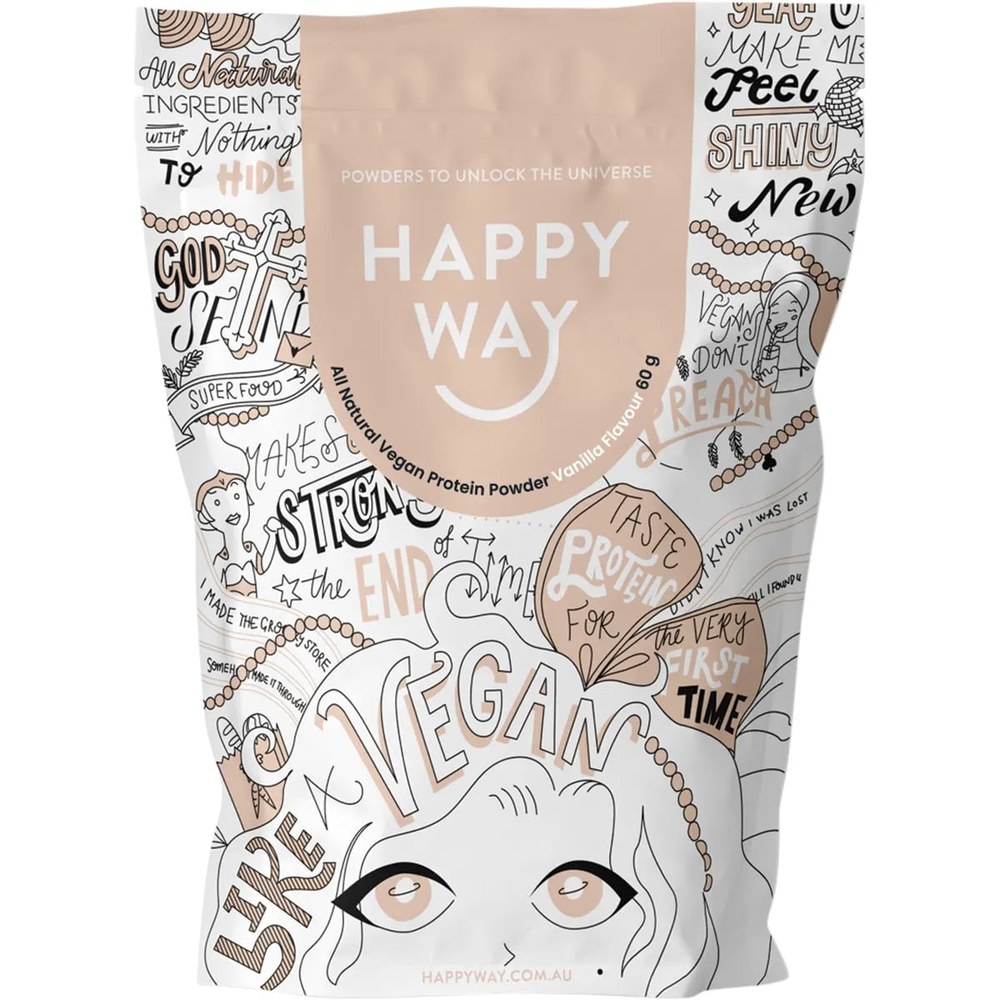
For most women, 3 to 5g a day is the sweet spot, which is usually one level scoop. Some of the newer research on brain benefits uses a bit more, but 3 to 5g is the well established dose. Timing does not matter much. Take it whenever you will remember, every day including rest days, because it works by keeping your stores full rather than by giving you a boost on the day. It has almost no taste, so stirring it into a smoothie, your morning protein or just a glass of water is fine.
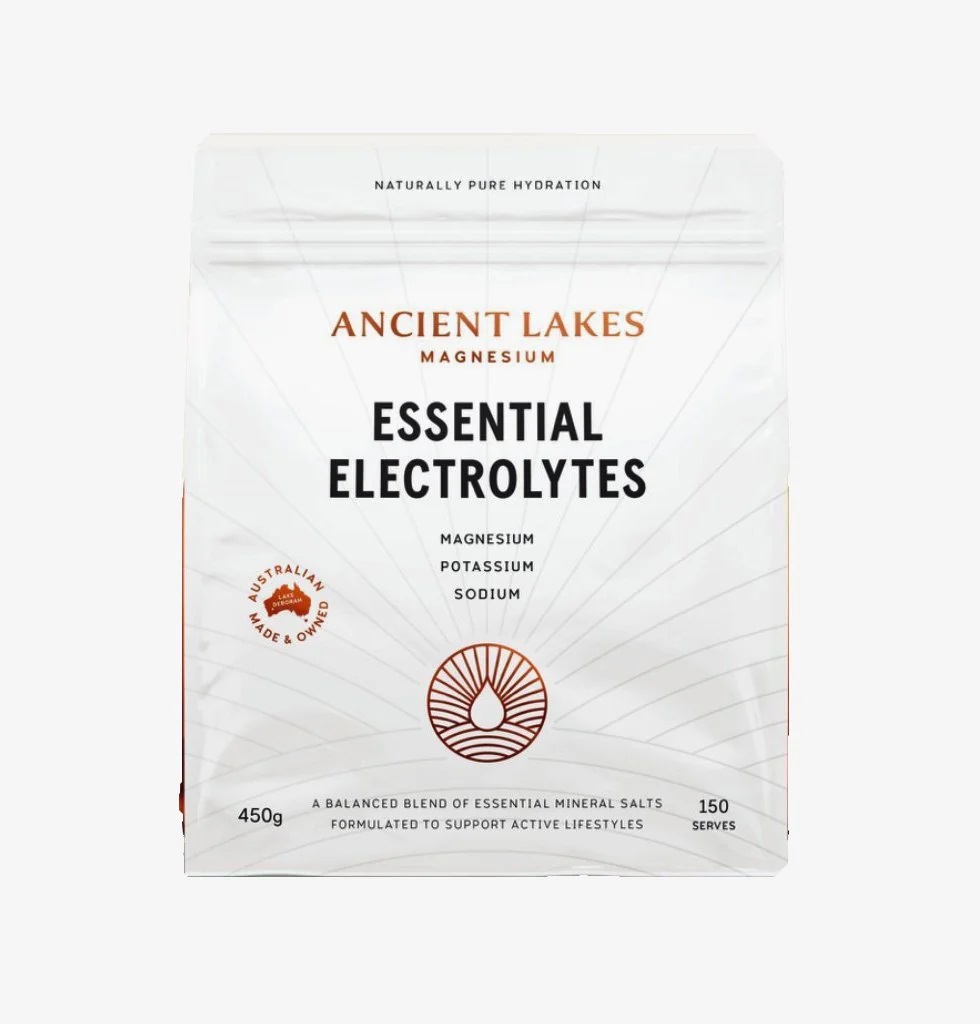
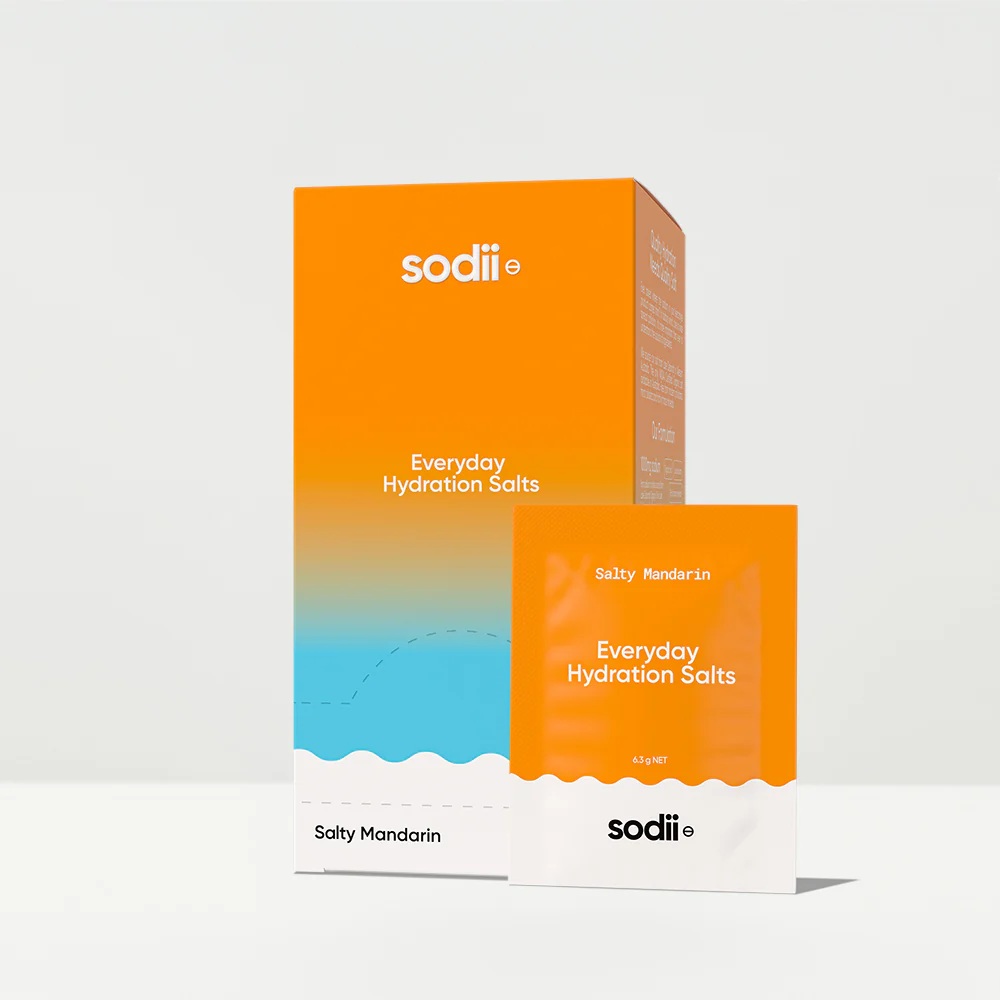
Drink enough water. That is always good advice, but especially once Sydney summer kicks in and you are training in the heat. If you sweat a lot, a good electrolyte mix in your drink bottle is worth more than people think.
Which creatine to buy
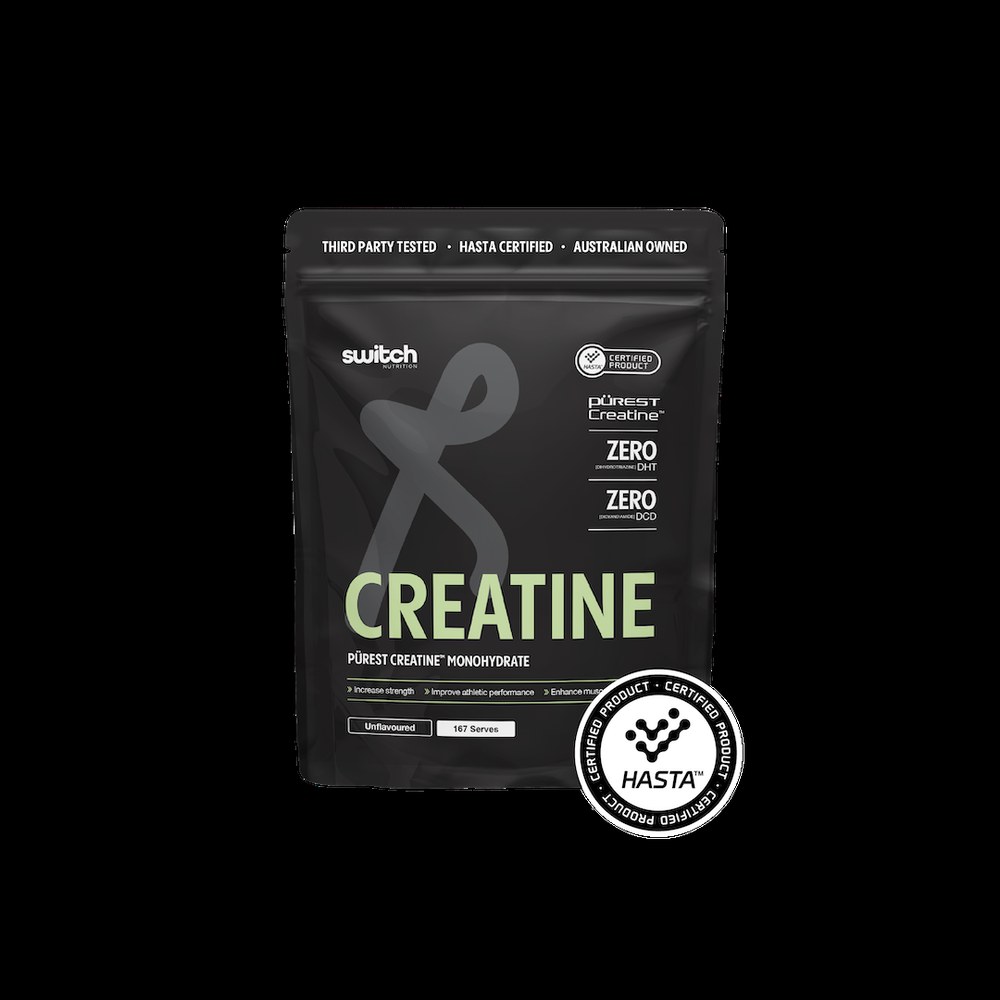
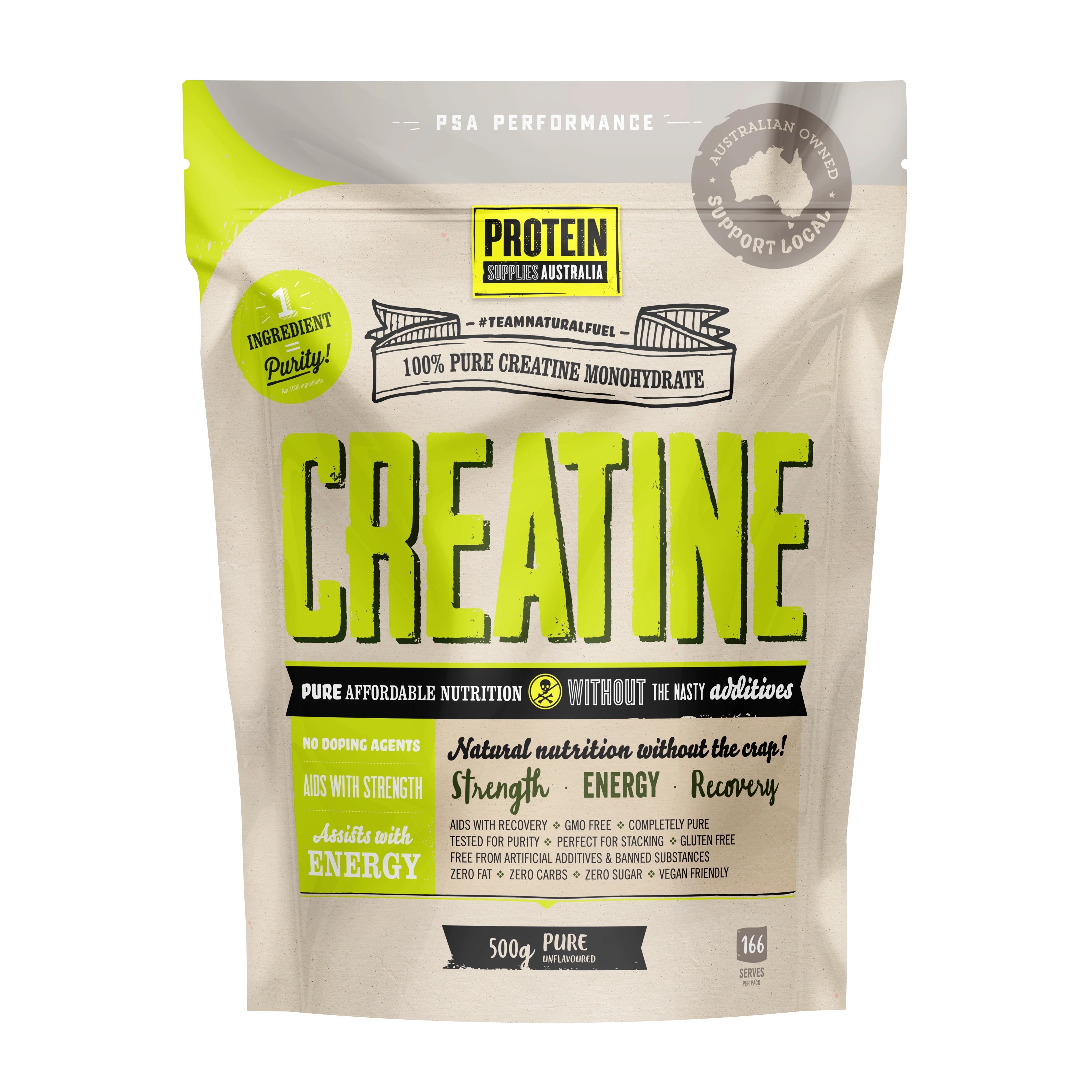
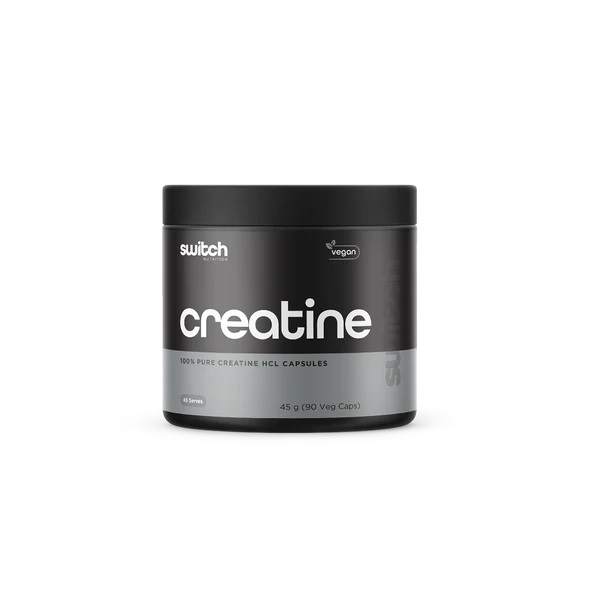
Plain creatine monohydrate is the one nearly all the research uses, and it is the cheapest. Look for a pure, unflavoured powder with one ingredient on the label. Creapure is a German made monohydrate with a strong reputation for purity, and a well tested local brand is just as good. Creatine HCL is more soluble and comes in smaller doses or capsules, which suits people who find monohydrate upsets their stomach or who just hate powders. Fancy blends, gummies and flavoured versions are fine if they get you taking it, but check how much creatine is actually in each serve, as some gummies have tested well short of the label overseas.
And remember creatine works alongside protein and training, not instead of them. If you are not sure how much protein you need or what kind, we wrote about that in plant, whey or collagen.
Creatine is safe for most healthy adults, but please talk to your GP before starting if you have kidney disease or reduced kidney function, diabetes, high blood pressure, or take medication that affects your kidneys. It is not recommended during pregnancy or breastfeeding without medical advice. If you ever have blood tests, mention that you take it, because it can nudge up your creatinine reading even when your kidneys are perfectly fine.
What we keep on the shelf
If you want the simplest place to start, a tub of pure monohydrate and a scoop a day is all it takes. Pair it with electrolytes for training in the heat and a protein you actually enjoy. Everything else in the range sits under Protein Powders, Electrolytes and Pre Workout. We are at 936 Anzac Parade, Maroubra, open seven days, and more than one of us behind the counter takes creatine, so ask away.