








Turmeric or curcumin? How to choose a supplement your body can actually absorb

Turmeric is one of the most asked about supplements on our shelves, and one of the most confusing to buy. One bottle says turmeric, the next says curcumin, a third adds black pepper, and the prices range from a few dollars to well over fifty. The short version is that the spice and the supplement do different jobs, and what matters most on a label is not the milligrams of turmeric but how much curcumin your body can actually absorb. This guide explains the difference, what the research supports, and the safety points worth knowing before you start.
Turmeric and curcumin are not the same thing
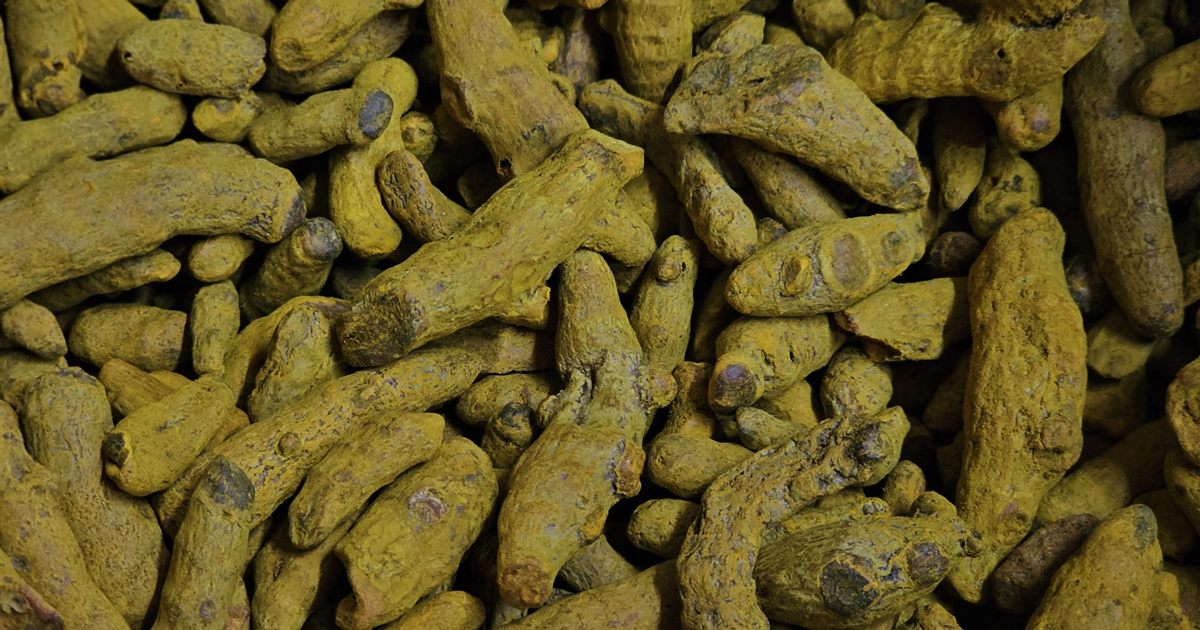
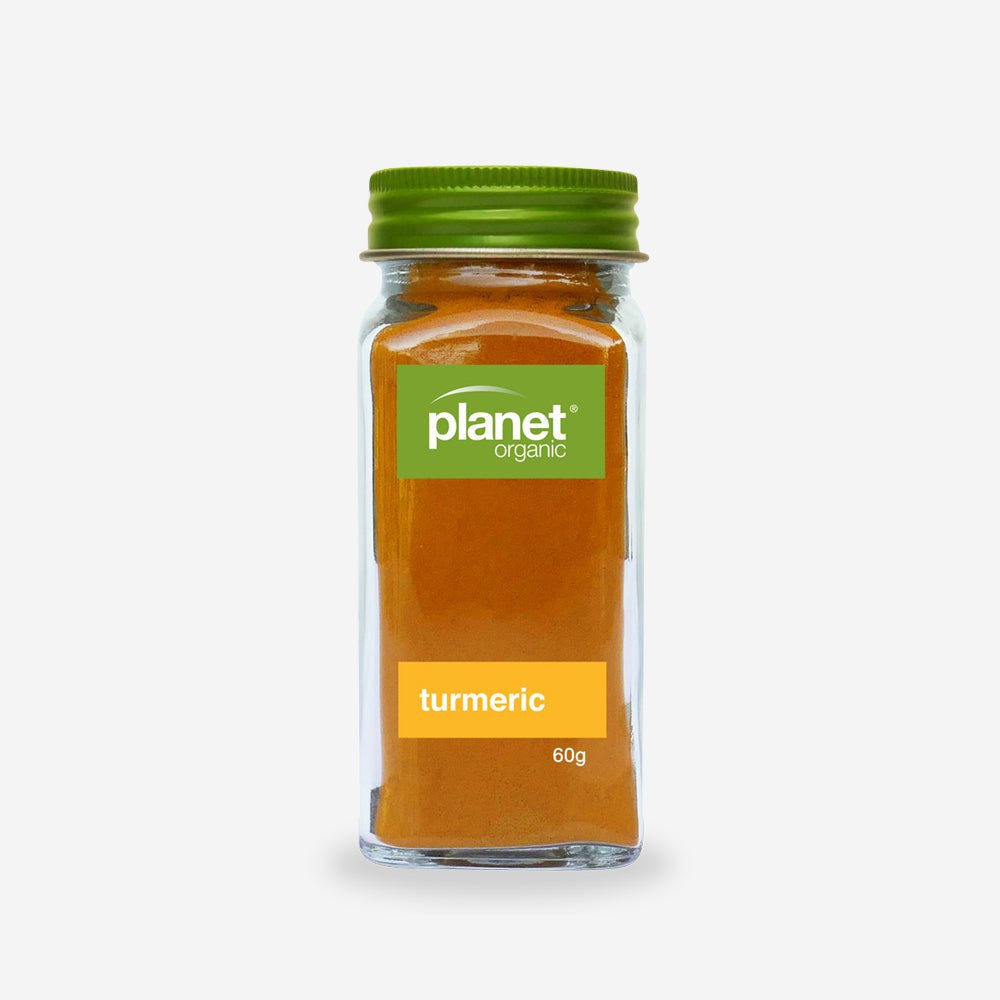
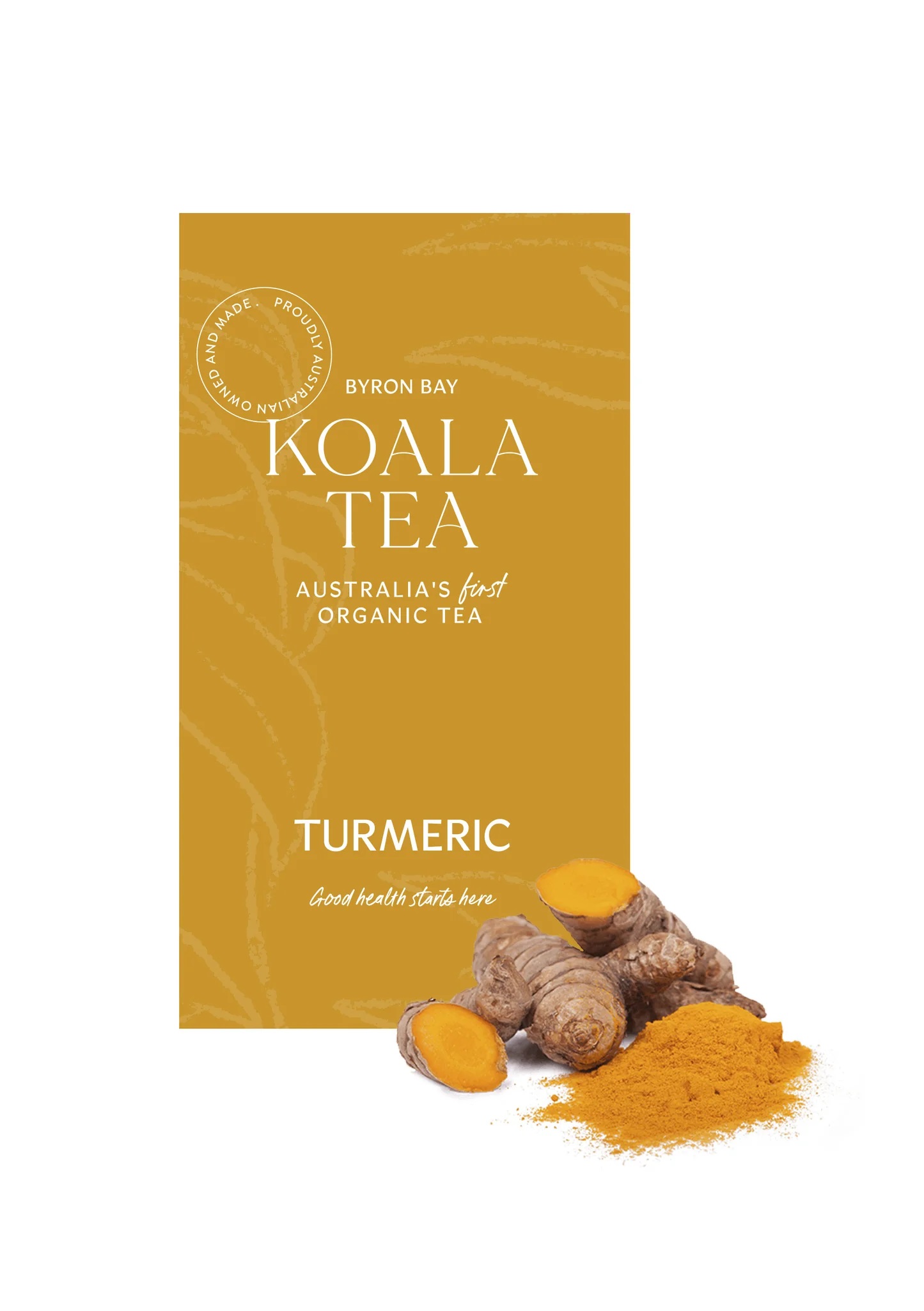
Turmeric is the dried, ground root of Curcuma longa, a relative of ginger. Curcumin is the main active compound inside it, and the one most of the research is about. The catch is that curcumin makes up only a small share of the root, usually around 2 to 5 percent by weight. A teaspoon of turmeric powder (about 3 grams) might hold somewhere near 100 milligrams of curcumin, while many studies use 500 to 1000 milligrams of curcumin a day.
That does not make the spice pointless. Turmeric in curries, soups, scrambled eggs and golden lattes is a lovely everyday habit, and it brings other compounds and flavour along with it. But if you are taking turmeric for a specific reason, such as sore joints, a concentrated curcumin extract is what the research has looked at.
The absorption problem
Curcumin on its own is poorly absorbed. It does not dissolve in water, a lot of it is broken down in the gut and liver, and what reaches the blood is cleared quickly. This is why so much of the turmeric market is really about absorption, and why two products with the same milligrams on the front can behave very differently.
There are a few common ways manufacturers get around it:
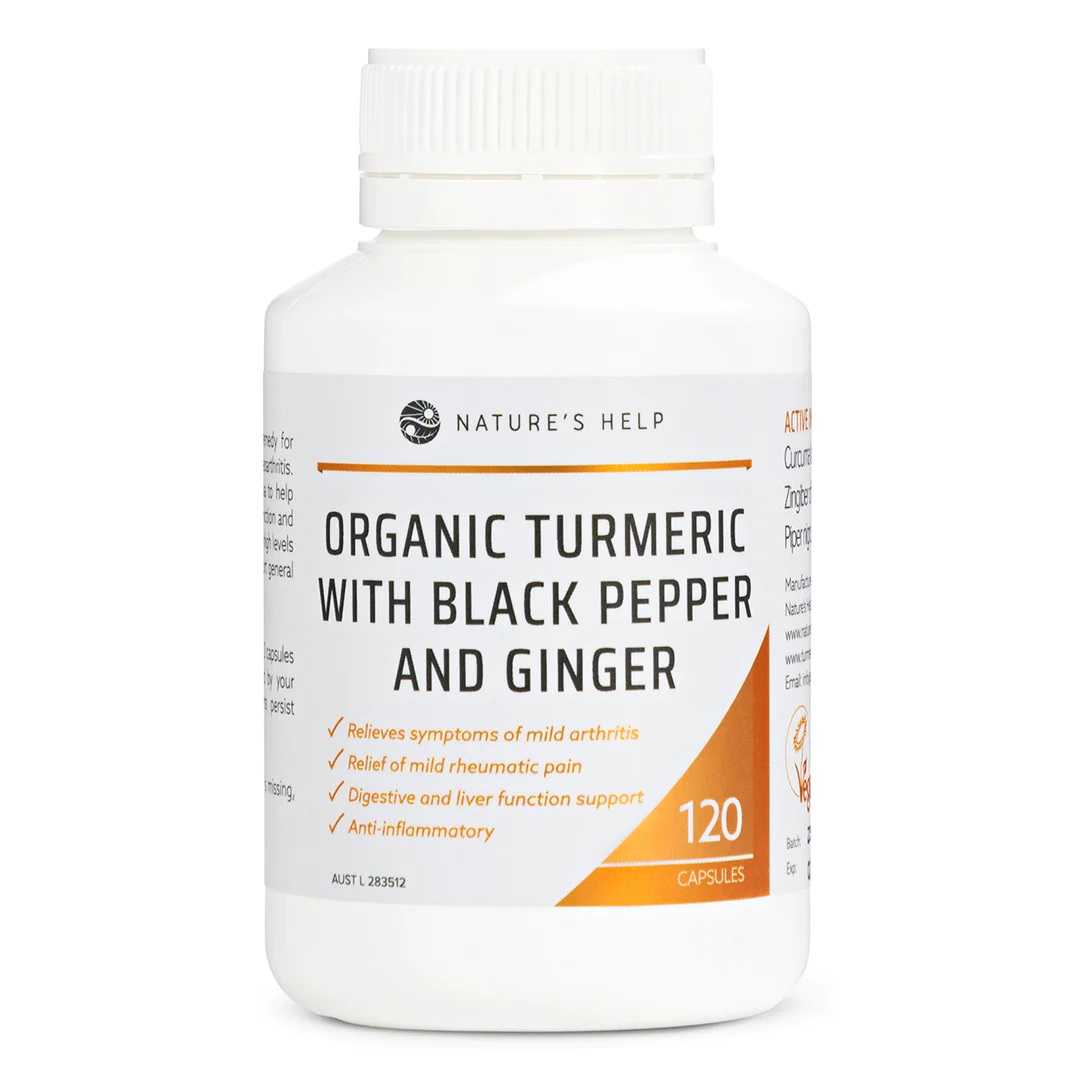
- Black pepper (piperine). Piperine slows the breakdown of curcumin in the liver and gut. One small, often quoted study found it raised curcumin levels in the blood around twenty times. It is the cheapest and most common fix.
- Fat. Curcumin dissolves in fat, so taking it with a meal that contains some oil, nuts, avocado or full fat milk helps. This is also why traditional recipes cook turmeric in ghee or oil.
- Formulated extracts. Phytosome (bound to phospholipids), micellar, liposomal and other patented forms are designed to carry curcumin into the blood more easily. They usually cost more, and often use a lower dose because more of it gets through. Our guide to liposomal vitamins explains how the tiny fat bubbles work.
Reading the label. Look for the amount of curcumin, or curcuminoids, per capsule, not just the amount of turmeric root. Then look for how it is absorbed: piperine, a named formulated extract, or a liquid or liposomal base. A capsule with 10,000 mg of "turmeric equivalent" may contain far less curcumin than a smaller, well formulated one.
What the research supports
Curcumin has been studied for a long list of conditions, and the honest picture is mixed. The most consistent results are for joint pain, especially knee osteoarthritis, where several trials found curcumin extracts eased pain and stiffness to a modest degree, in some cases comparable to common anti-inflammatory pain relievers. There is also early evidence for digestive comfort and for markers of inflammation after exercise.
Many of the bigger claims, about the brain, mood, skin or long term disease, rest on lab and animal studies or small human trials. They are interesting, but not strong enough to promise anything. If someone tells you turmeric cures everything, be sceptical. If you have stiff knees and want to try something gentle alongside movement and a good diet, curcumin is a reasonable thing to discuss with your practitioner.
Give it time. Most joint studies ran for at least eight to twelve weeks, so a few days is not a fair trial.
Safety: who should check first
Turmeric as a spice in food is very safe. Concentrated supplements are a different matter, and there are a few groups who should talk to their GP or pharmacist first:
- People on blood thinners such as warfarin, or on antiplatelet medicines. Curcumin may add to their effect and increase bleeding risk. Stop it before surgery, and tell your surgeon you take it.
- People with gallstones or bile duct problems. Turmeric stimulates bile flow, which can cause pain if the ducts are blocked.
- People on diabetes medicines, since curcumin may lower blood sugar a little further.
- Anyone pregnant or breastfeeding. Cooking with turmeric is fine; high dose supplements have not been shown to be safe.
- People with low iron. Large amounts of curcumin may reduce iron absorption, so take it away from iron supplements.
Piperine is worth its own note, because it slows the breakdown of many medicines as well as curcumin. If you take regular prescription medication, ask your pharmacist before choosing a product with black pepper extract.
Australia's Therapeutic Goods Administration has also reported rare cases of liver injury linked to turmeric and curcumin supplements, mostly with high dose or high absorption products, and these products now carry a liver warning on the label. If you notice yellowing of the skin or eyes, dark urine, unusual tiredness, nausea or pain under the right ribs, stop taking it and see your doctor.
Ways to enjoy turmeric in food
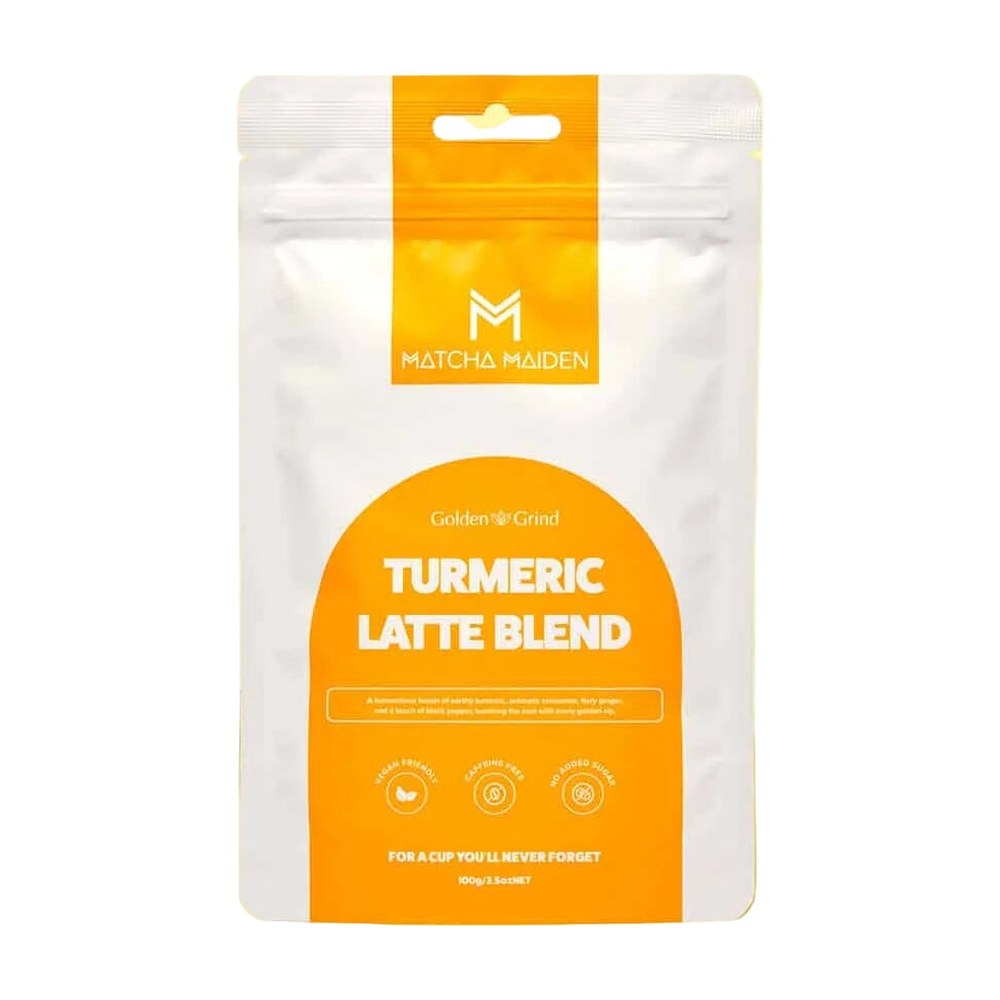
- A golden latte: warm milk or plant milk with turmeric, cinnamon, ginger, a pinch of black pepper and a little honey.
- Stir a teaspoon into soups, dahl, rice or roast vegetables with a drizzle of olive oil.
- Add it to scrambled eggs or tofu scramble, where it gives colour as much as flavour.
- Grate fresh turmeric root into stir fries and dressings. It stains, so use a spoon to peel it and wash boards straight away.
For more on calming inflammation through food, our guides to omega 3 oils and eating more fibre are good next reads.
Turmeric picks from our shelves
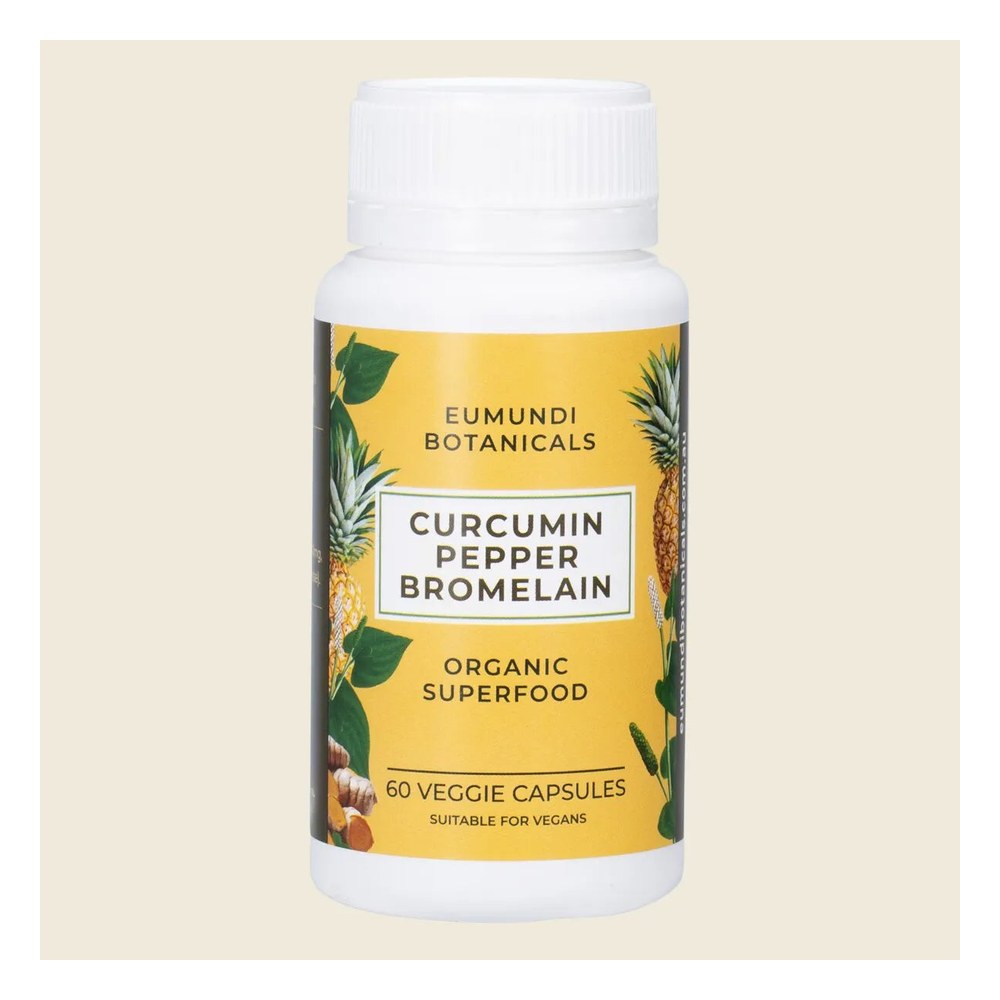
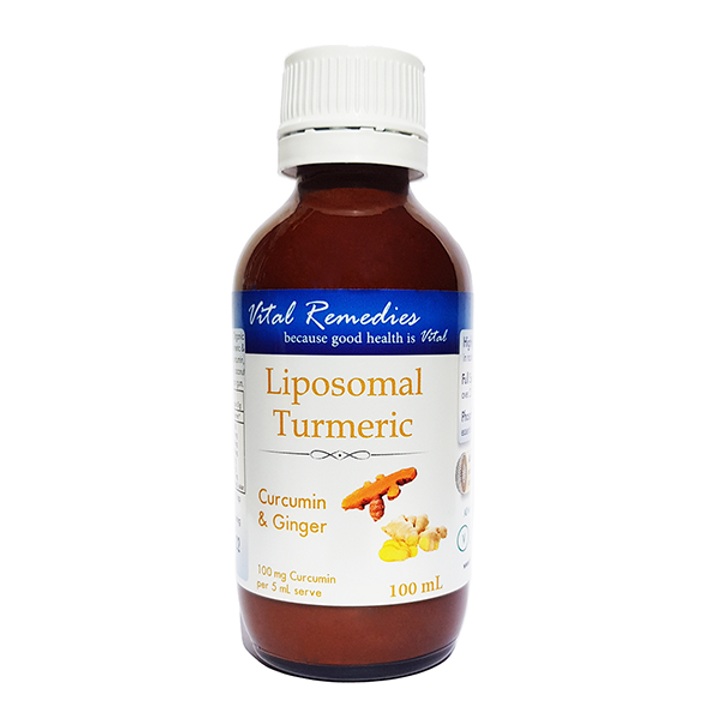
See more in Vitamins and Supplements and Herbs, Spices and Salts. Supplements should not replace a balanced diet. Always read the label and follow the directions for use, and if symptoms persist, talk to your health professional.