




Which cooking oil to actually use, and where the seed oil argument fits
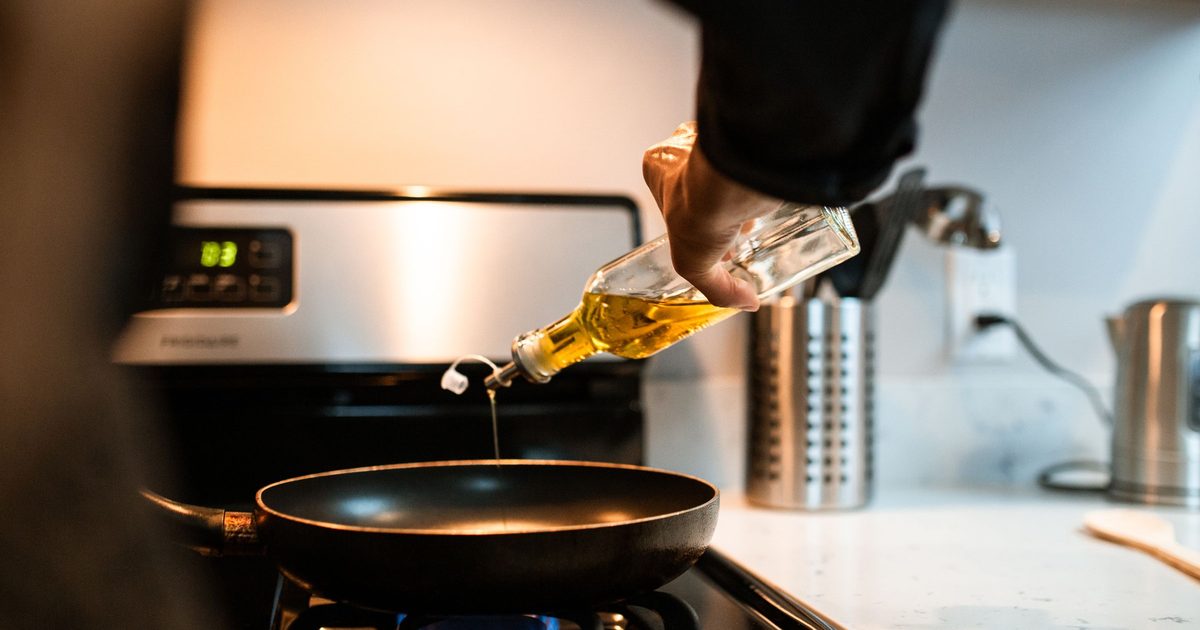
The oil shelf has quietly become the most argued about part of the shop. Ten years ago people asked which one was cheapest. Now they arrive with a screenshot and a firm opinion about linoleic acid. Here is how we actually think about it, and what we cook with at home.
Smoke point, and why it matters less than the internet thinks
Smoke point is the temperature at which an oil starts to break down and smoke. It is worth knowing because burnt oil tastes acrid and it sets off your smoke alarm, but it gets treated as a health ranking when it is really a cooking instruction. Most home cooking sits between 150 and 200 degrees, which almost every oil on our shelf handles. Deep frying and searing steak are the two places it genuinely matters.
The more useful question is stability, meaning how well an oil holds up to heat, light and air without going off. Saturated and monounsaturated fats are the steady ones, which is why ghee, tallow, coconut oil and olive oil all behave well in a pan. Highly polyunsaturated oils like flaxseed are the fragile ones and belong nowhere near heat.
Extra virgin olive oil, the one that does most of the work
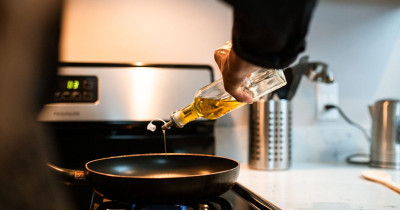
Somewhere along the way people were told not to cook with extra virgin olive oil. It is not true. Its smoke point sits around 190 to 210 degrees depending on the oil, which covers sauteing, roasting and pan frying comfortably, and it is loaded with antioxidants that help it hold up. What you should not do is deep fry with a forty dollar bottle, purely on cost.
When you are buying it, three things matter more than the label design. Dark glass or tin, because light is what kills olive oil. A harvest date rather than just a best before, because good oil is a fresh product and you want it inside two years of picking. And the words extra virgin, since plain olive oil, light olive oil and pomace are refined, blended or both. Australian oil has an advantage here, since it has not spent months on a ship.
Ghee, for anything you want browned
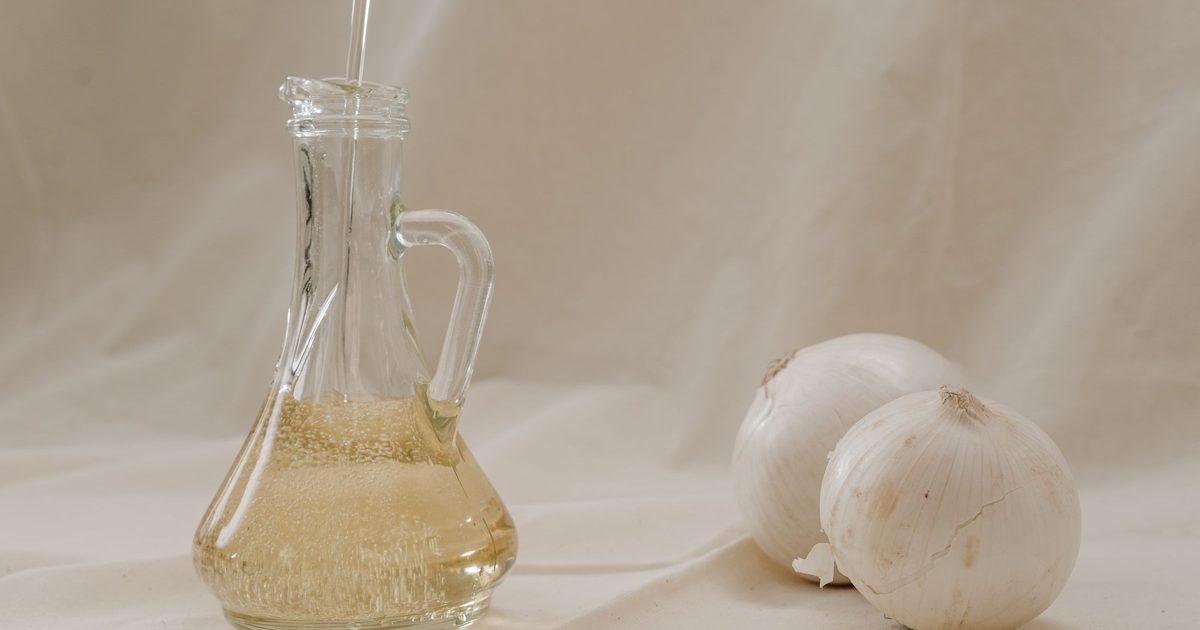
Ghee is butter that has been simmered until the water cooks off and the milk solids are strained out, which leaves you with pure butterfat and a smoke point up around 250 degrees. It tastes nutty, it does not burn the way butter does, and it keeps in the cupboard rather than the fridge. Because the milk solids are gone, most people who are lactose intolerant find they get along with it fine, although it is still a dairy product and not suitable if you have a milk protein allergy. It is the best thing we sell for fried eggs and for roasting cauliflower.
Tallow and duck fat, for the roast
If you have never done roast potatoes in tallow or duck fat, you have been missing the point of Sundays. Both are very stable at high heat, both give you a crust that oil cannot quite manage, and a jar lasts a long time because you only need a spoonful. Grass fed beef tallow has picked up a following well beyond the roasting tray lately, partly on the back of the same conversation people are having about tallow for skin.
Coconut oil, and which one to buy
Virgin coconut oil tastes and smells like coconut, which is wonderful in a curry and strange in a bolognese. Deodorised coconut oil has been steam treated so it is neutral, and it is the one to reach for when you want the cooking properties without the flavour. Both are stable and both go liquid on a warm Maroubra afternoon, which is normal and not a sign anything is wrong.
The finishing oils, which you should not heat at all
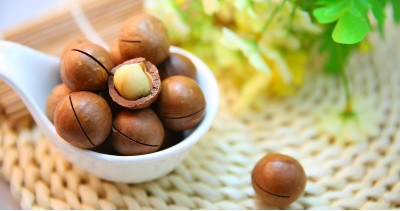
Toasted sesame, macadamia, pumpkin seed, hemp and flaxseed oils are for the end of cooking, not the middle. Heat wrecks both the flavour you paid for and the delicate fats. Toasted sesame goes in after the wok comes off the heat. Macadamia and pumpkin seed are lovely over roast vegetables or in a dressing. Flaxseed and hemp belong in the fridge and on top of things, never in a pan.
The seed oil question, answered honestly
We get asked this every week, so here is where we land. The strong version of the claim, that seed oils are driving most modern disease, runs well ahead of the evidence. The strong version of the counter argument, that there is nothing at all to think about, is also a bit convenient. What is fair to say is that industrially refined oils are usually extracted with heat and solvents, are often the fats hiding in ultra processed food, and are frequently reheated for hours in commercial fryers, which is genuinely not great.
The practical takeaway does not require you to pick a side. Cook at home more often than you eat out. Buy oil in glass or tin, cold pressed where you can, in a size you will finish. Use olive oil as your default, keep a jar of ghee or tallow for high heat, and keep the delicate oils cold and raw. That covers about ninety percent of it without any need to argue on the internet.
Three storage rules that matter more than which oil you chose. Keep it in a dark cupboard and not next to the stove, because heat and light do the damage. Put the lid back on properly, since oxygen is the other culprit. And buy a size you will get through in about three months. Rancid oil smells like crayons or old nuts, and if it smells like that, tip it out.
What we keep on the shelf
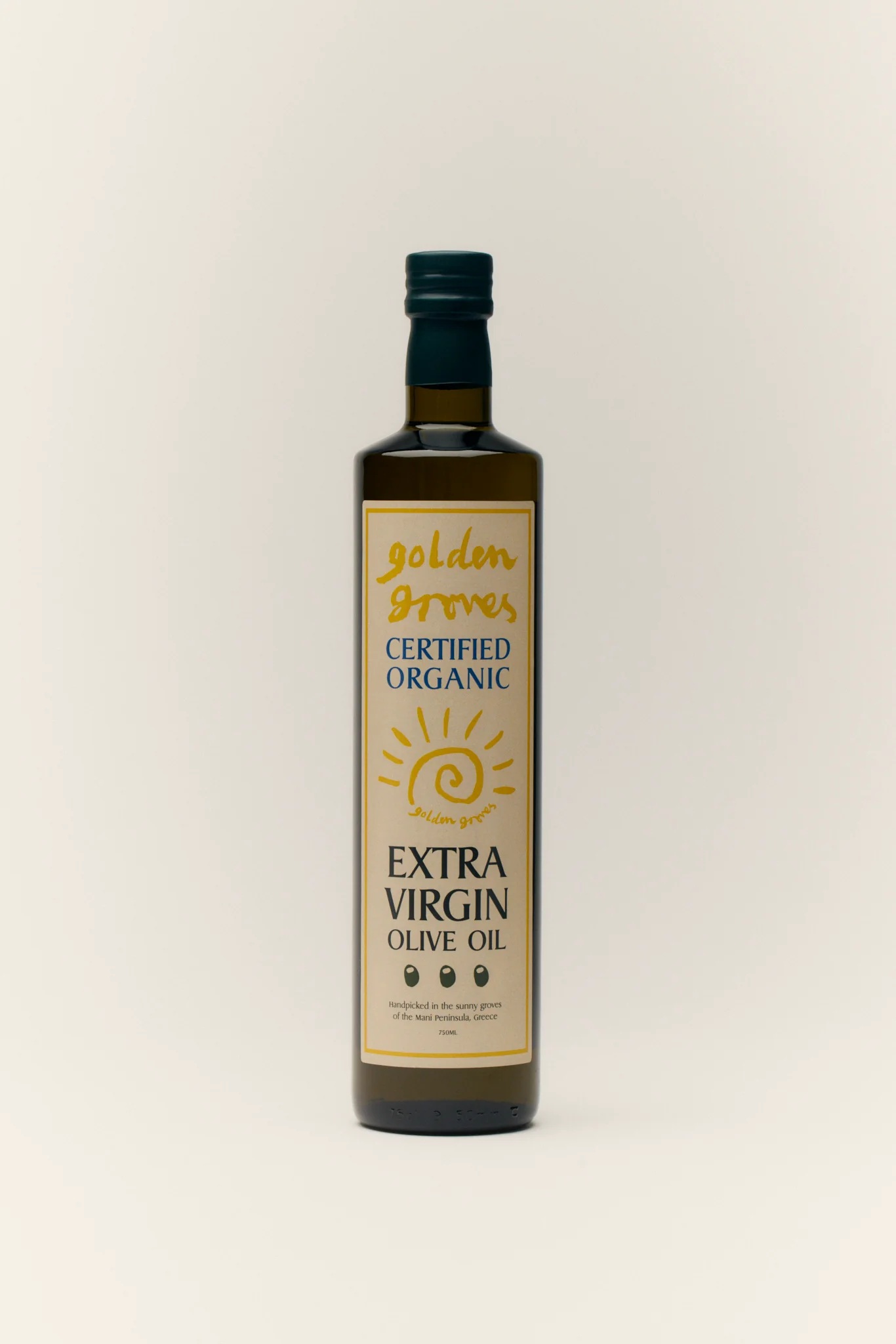
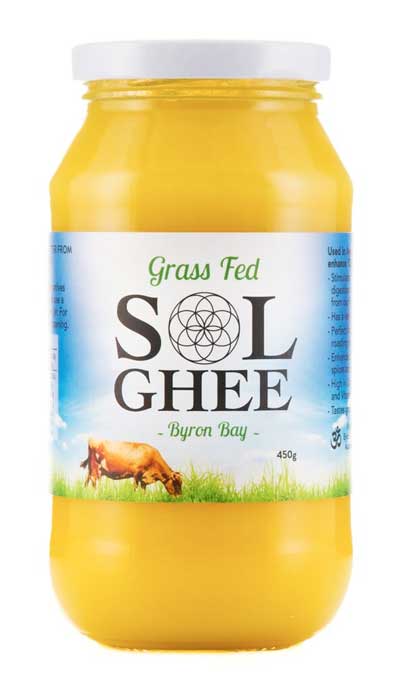
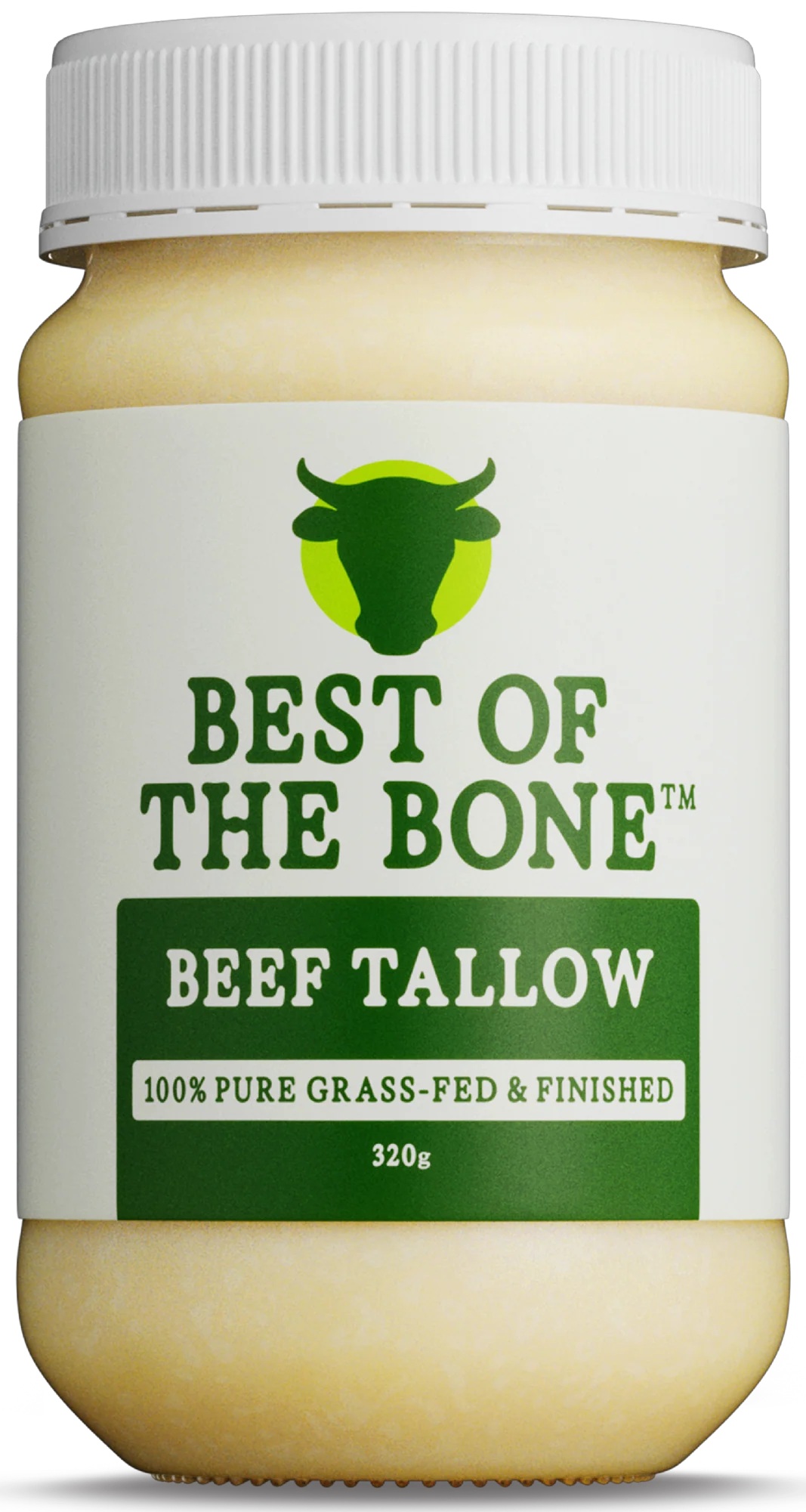
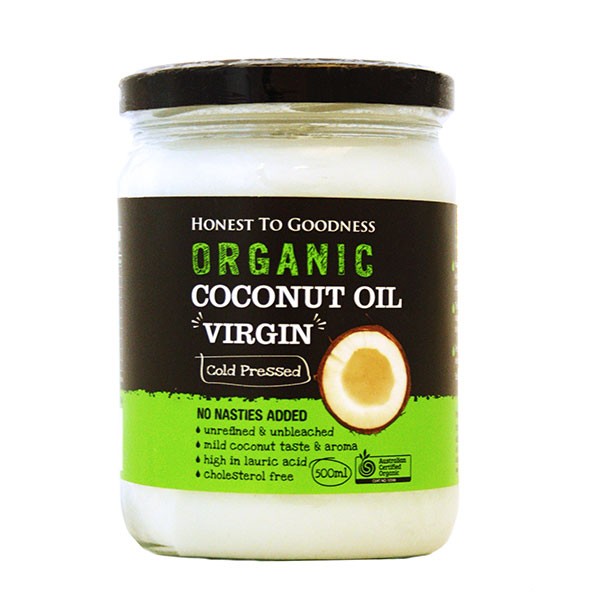
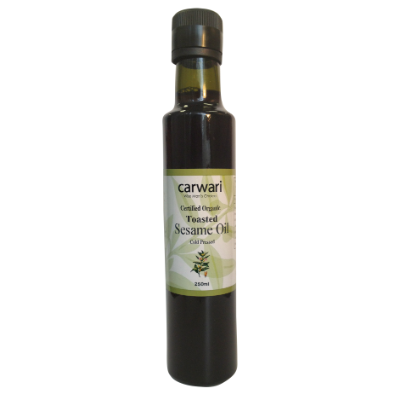
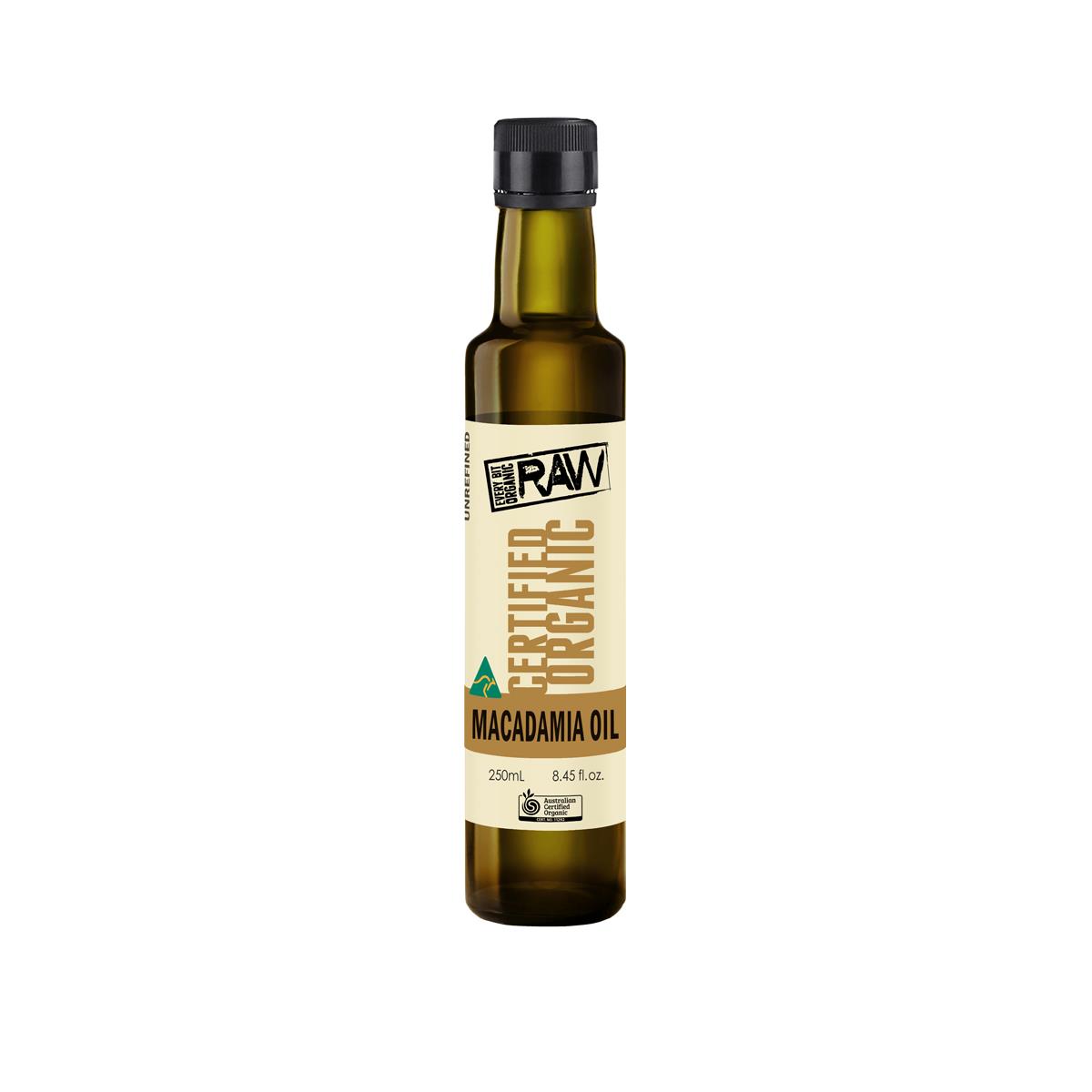
If you were only going to buy two things, make them a good Australian extra virgin olive oil for everyday and a jar of ghee or tallow for anything hot. The rest of the range is under Oils, with the dressings and vinegars next door under Vinegars & Dressings and the rest of the basics in Pantry Staples. We are at 936 Anzac Parade, Maroubra, seven days, and happy to let you taste an olive oil before you commit to a bottle.