







Fermented foods for beginners: kombucha, miso, sauerkraut and how to start small
Fermented foods are some of the oldest foods there are. Long before fridges, people kept cabbage, milk, soybeans and tea from spoiling by letting friendly bacteria and yeasts get to work on them. The result was tangy, salty, fizzy food that lasted for months. Today sauerkraut, kimchi, kefir, miso and kombucha are back in fashion for a different reason: what they might do for your gut. This guide covers how to tell a live ferment from a lookalike, how to use the common ones, and how to make a jar of sauerkraut yourself.
Fermented is not the same as pickled
A traditional ferment is made with salt, or a starter culture, and time. Microbes eat the natural sugars and produce acids, which give the sour taste and preserve the food. Many supermarket pickles skip this. They are cucumbers or cabbage in vinegar, which tastes similar but contains no live cultures.
Heat is the other catch. Shelf stable sauerkraut and jars of kimchi on an ordinary shelf are usually pasteurised, which keeps them safe and stable but kills the microbes. If live cultures are the point, look for these words: raw, unpasteurised, live, or naturally fermented, and a product kept in the fridge. Fresh sauerkraut, kimchi and kefir live in the cold section for that reason, so if you shop with us in Maroubra, ask at the counter which fresh ferments are in the fridge that week.
What the research says
The evidence is promising rather than settled. A Stanford University study published in 2021 gave adults six servings of fermented foods a day for ten weeks. Their gut microbes became more diverse and several markers of inflammation fell, changes that a high fibre diet alone did not produce in that trial. It was a small study, and fermented foods are not a treatment for any condition, but they are a simple way to add variety to the bacteria you eat. Our guide to looking after your gut explains how they fit with fibre and probiotics.
Kombucha: read the label
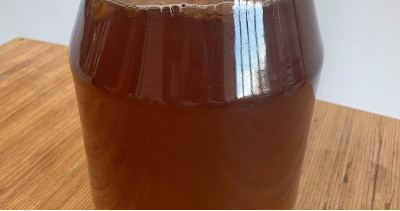
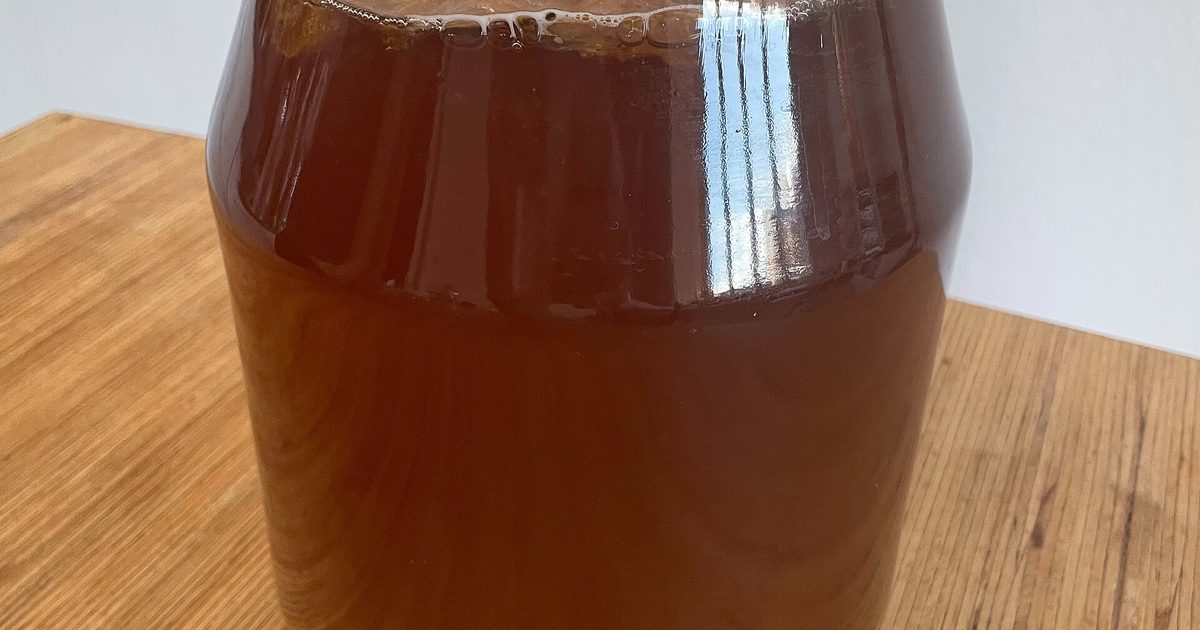
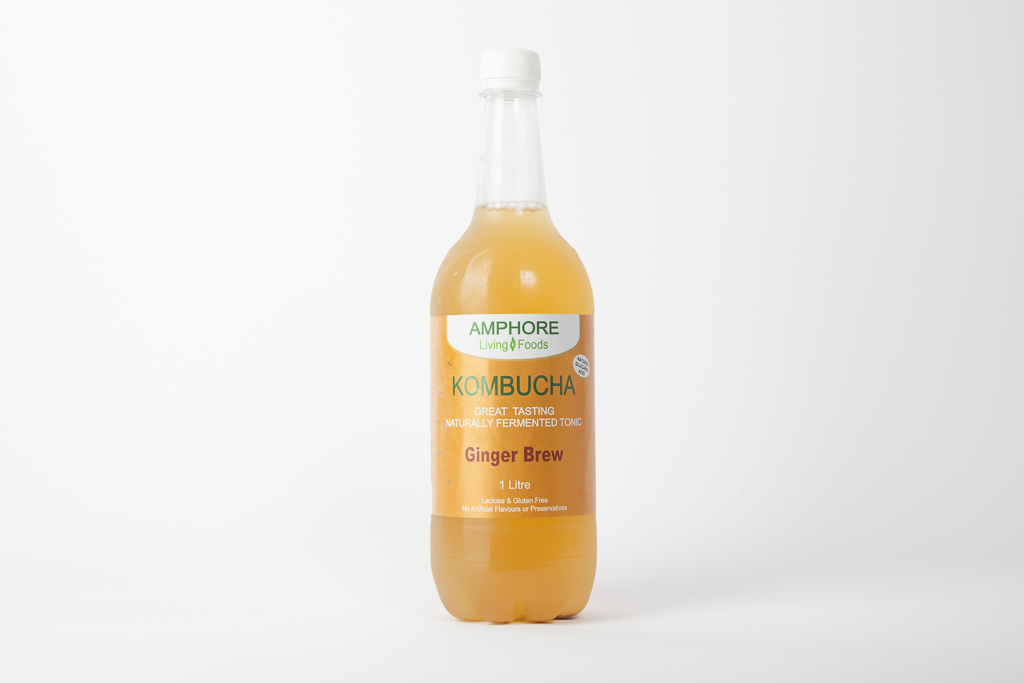
Kombucha is sweetened tea fermented with a SCOBY, a rubbery disc of bacteria and yeast. Three things are worth checking on the bottle. Sugar: the yeast eats most of it, but brands vary a lot, so compare the grams per 100ml. Alcohol: fermentation makes a small amount, and if you avoid alcohol altogether, are pregnant or are pouring it for children, check the label and choose a brand that states a low level. Live or not: some commercial kombucha is filtered or pasteurised, and fizzy drinks that only taste like kombucha exist too. A glass a day is plenty, and it is acidic, so drink it with food and rinse your mouth with water afterwards to look after your teeth.
Miso: add it last
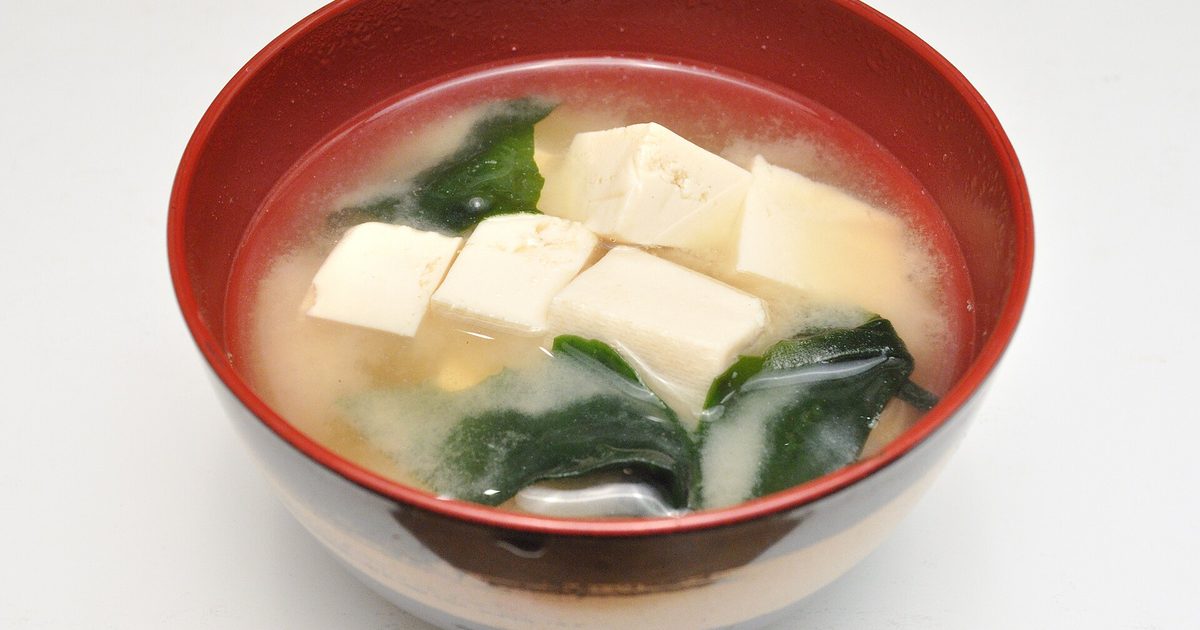
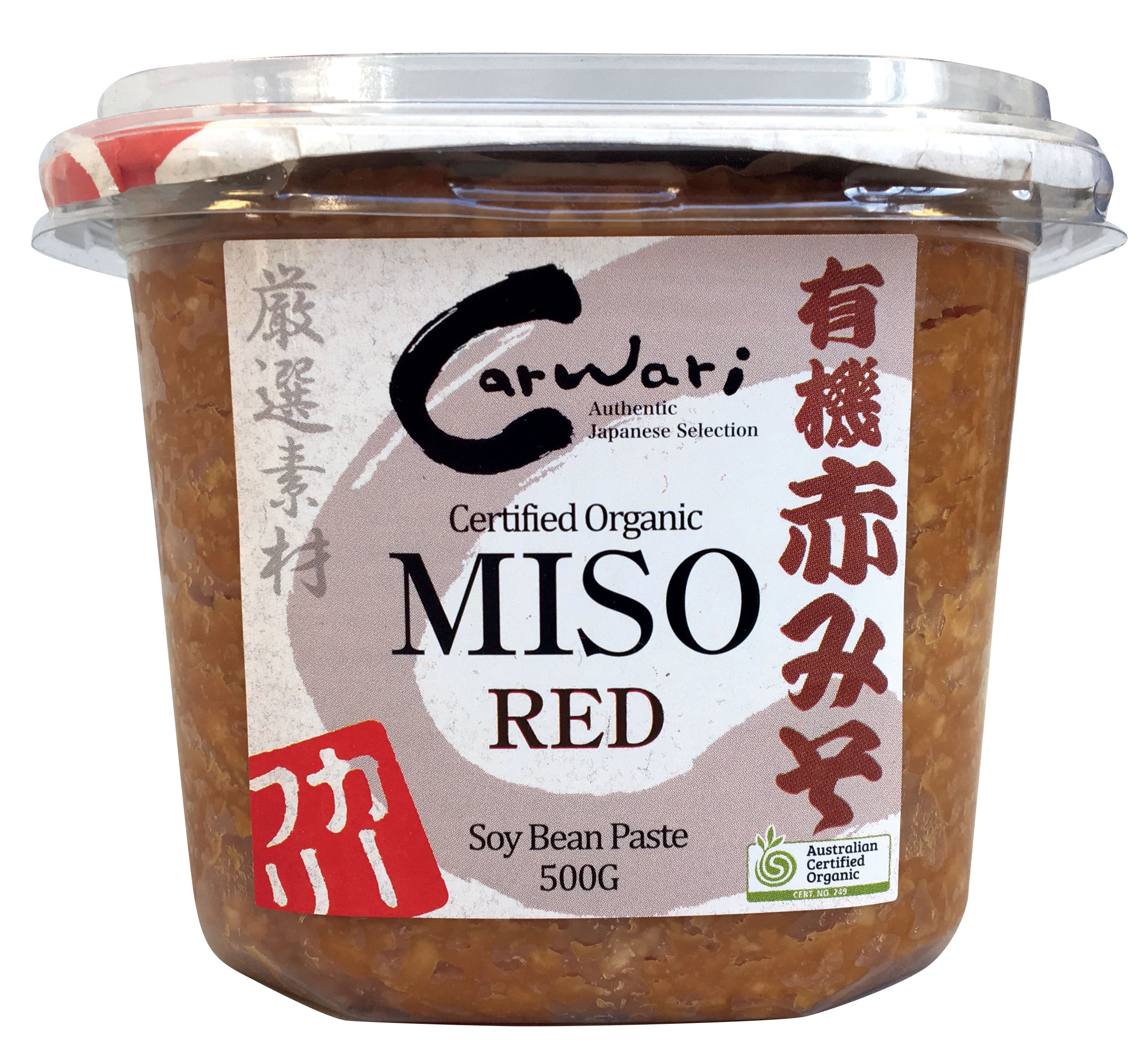
Miso is soybeans, often with rice or barley, fermented with a mould called koji for months or years. White miso is short fermented, sweet and mild. Red and brown misos ferment longer and taste deeper and saltier. Unpasteurised miso still contains live cultures, so treat it gently: take the pot off the heat, mix the miso with a little warm liquid, then stir it through just before serving. Boiling kills the cultures and dulls the flavour. Beyond soup, miso is excellent in salad dressings, glazes for eggplant or salmon, and stirred into butter for corn. It is salty, so a tablespoon goes a long way. Our Japanese pantry guide has more ideas.
The rest of the family
- Sauerkraut: finely sliced cabbage and salt. A forkful beside eggs, in a sandwich or on a salad is all you need.
- Kimchi: the Korean cousin, with chilli, garlic and ginger. Great in fried rice and on toasties.
- Kefir: milk or sugared water fermented with kefir grains. Milk kefir is tangier and thinner than yoghurt and contains a wider range of microbes.
- Tempeh: fermented whole soybeans pressed into a cake. It is cooked before eating, so the cultures are no longer alive, but fermentation makes the beans easier to digest and it is an excellent protein.
- Tamari: a fermented soy sauce usually made without wheat. Check the label if you avoid gluten.
Start with a forkful, not a bowlful. Live ferments can cause wind and bloating for the first week or two. Begin with a spoonful a day and build up. Fermented foods are naturally high in histamine, so people with histamine intolerance often react to them, and anyone who is immunocompromised should ask their doctor first.
Make your own sauerkraut
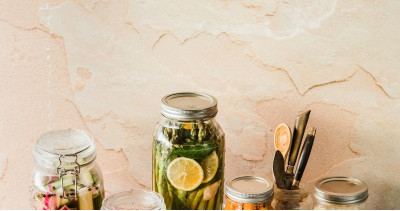
Homemade kraut costs a few dollars and needs no special gear. Weigh a finely sliced cabbage and add 2 percent of that weight in salt, so 20 grams of salt for every kilo of cabbage. Massage it with your hands for five to ten minutes until it softens and releases liquid. Pack it tightly into a clean jar, pressing down until the brine rises above the cabbage, and weigh it down with a small jar or a cabbage leaf. Leave it at room temperature, out of the sun, for one to four weeks, tasting every few days, then move it to the fridge when you like the flavour. Anything above the brine can grow mould, so keep the cabbage covered. If it smells rotten rather than sour, or grows fuzzy coloured mould, throw it out and start again.
Fermented foods on our shelves
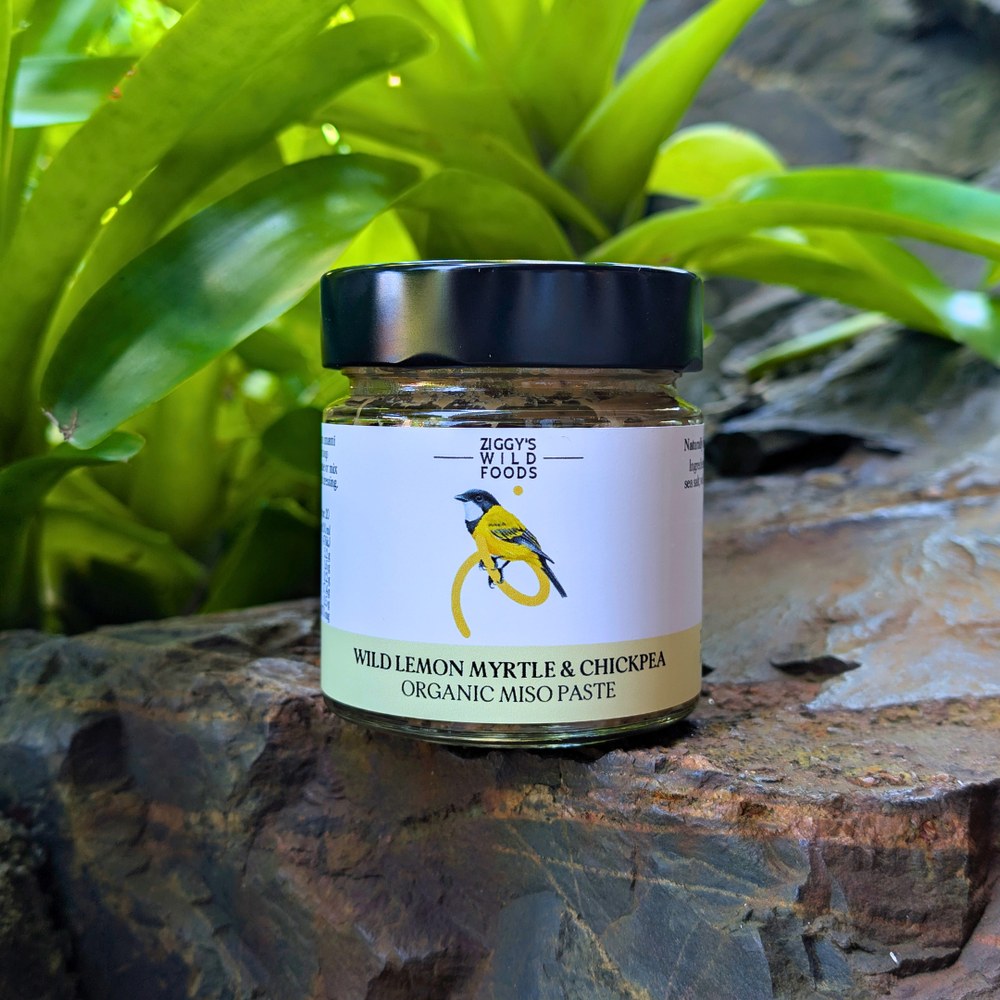

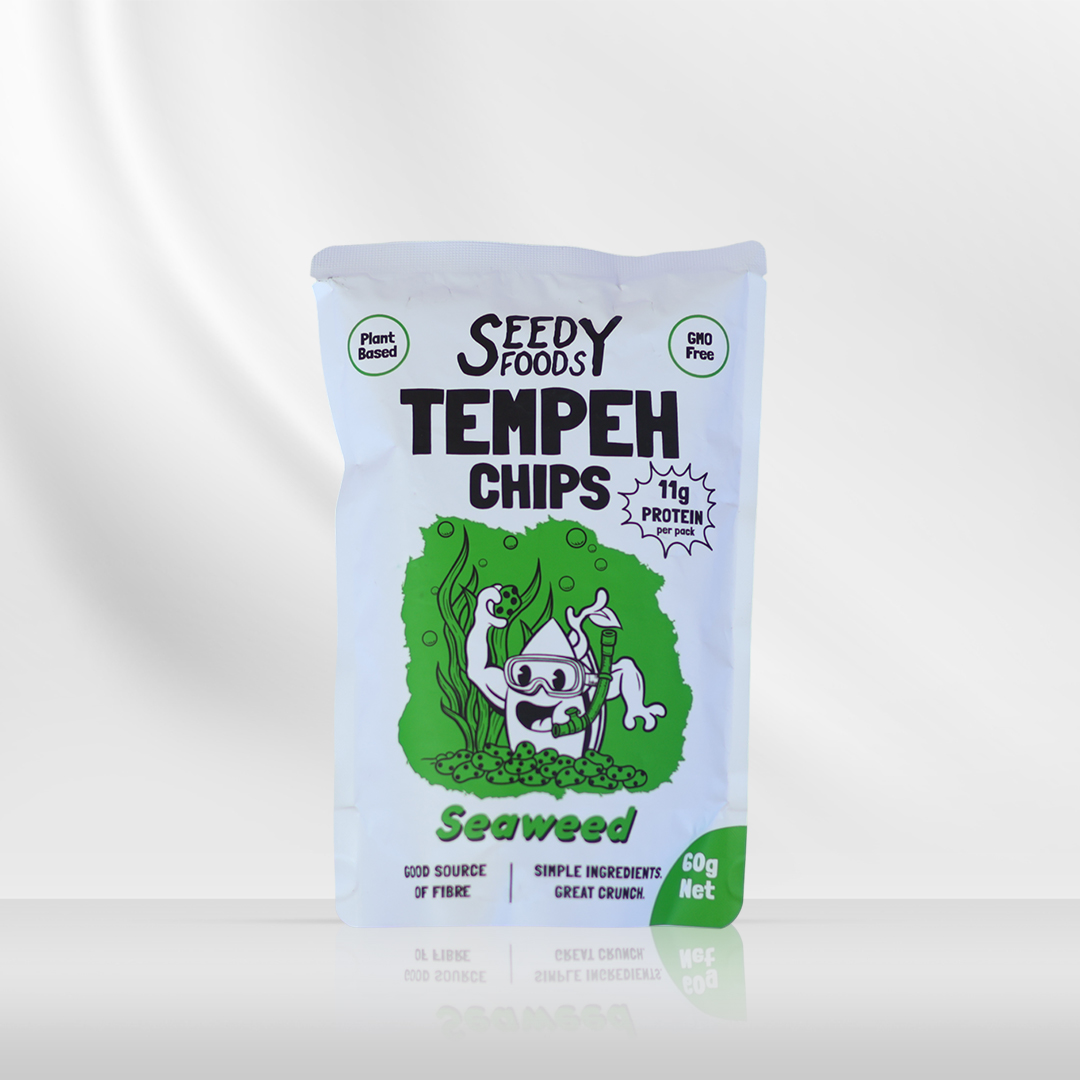
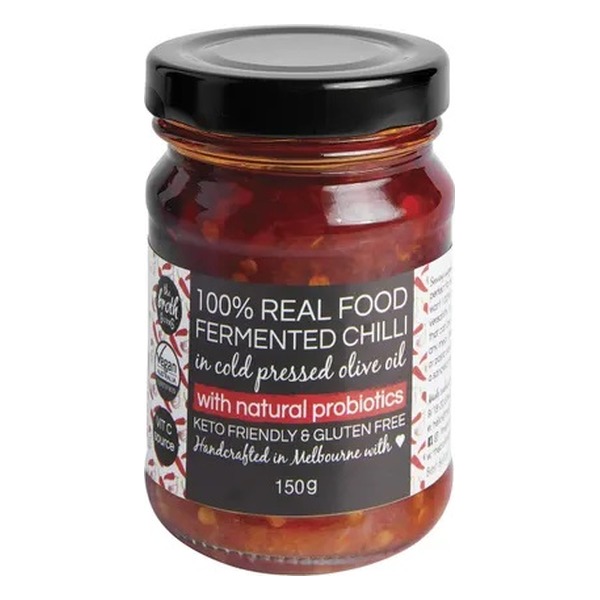
Find more in Japanese Grocery, Drinks and Sauces & Marinades, or ask us in store about fresh kraut, kimchi and kefir in the fridge.