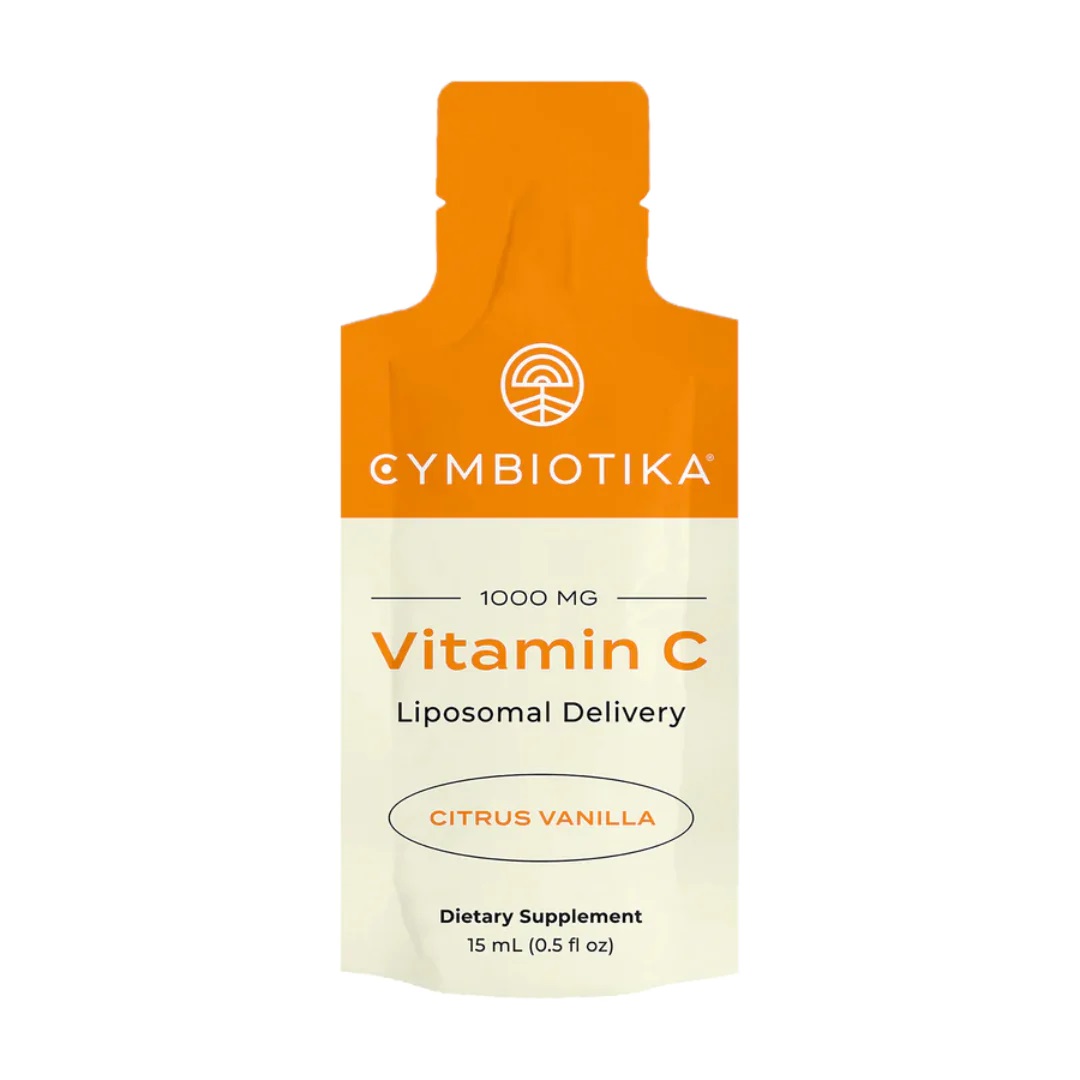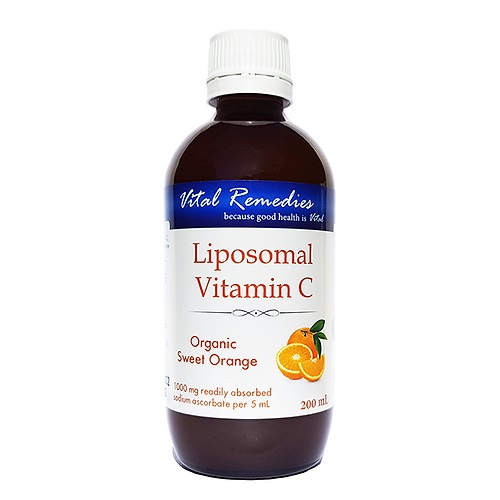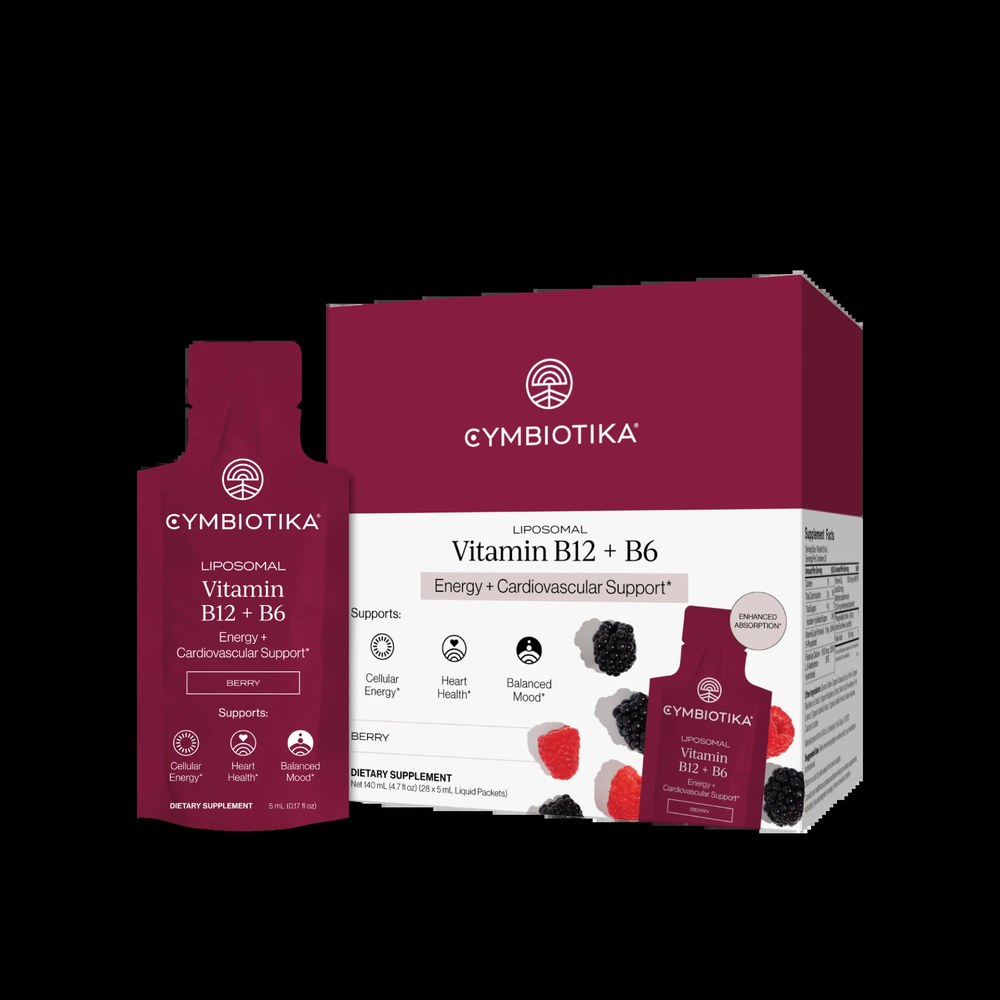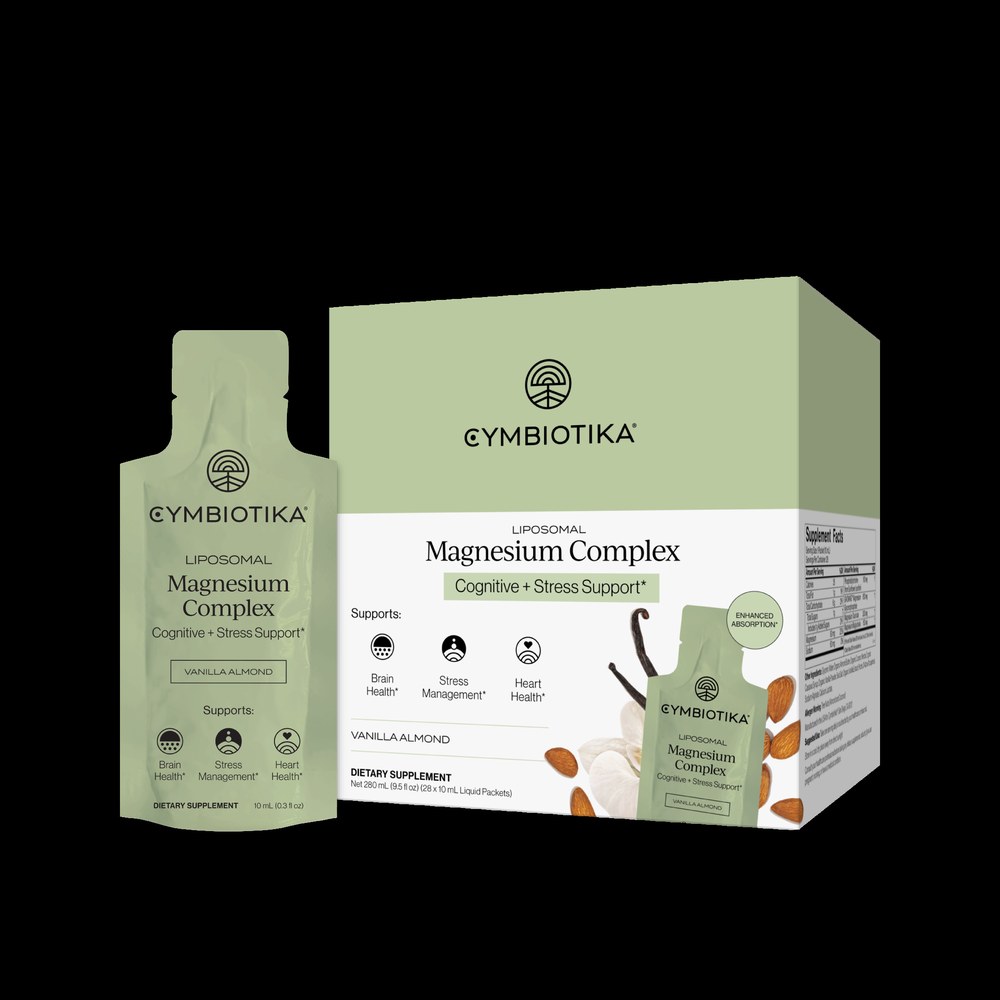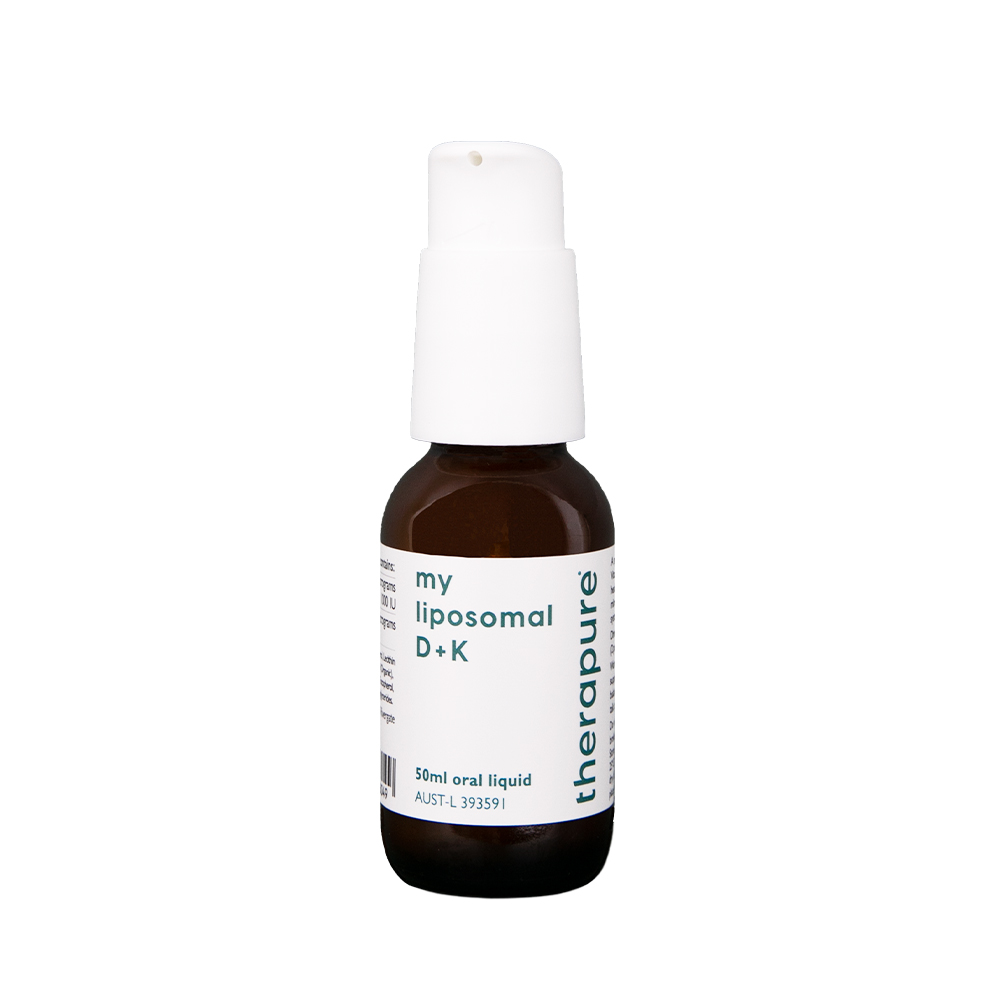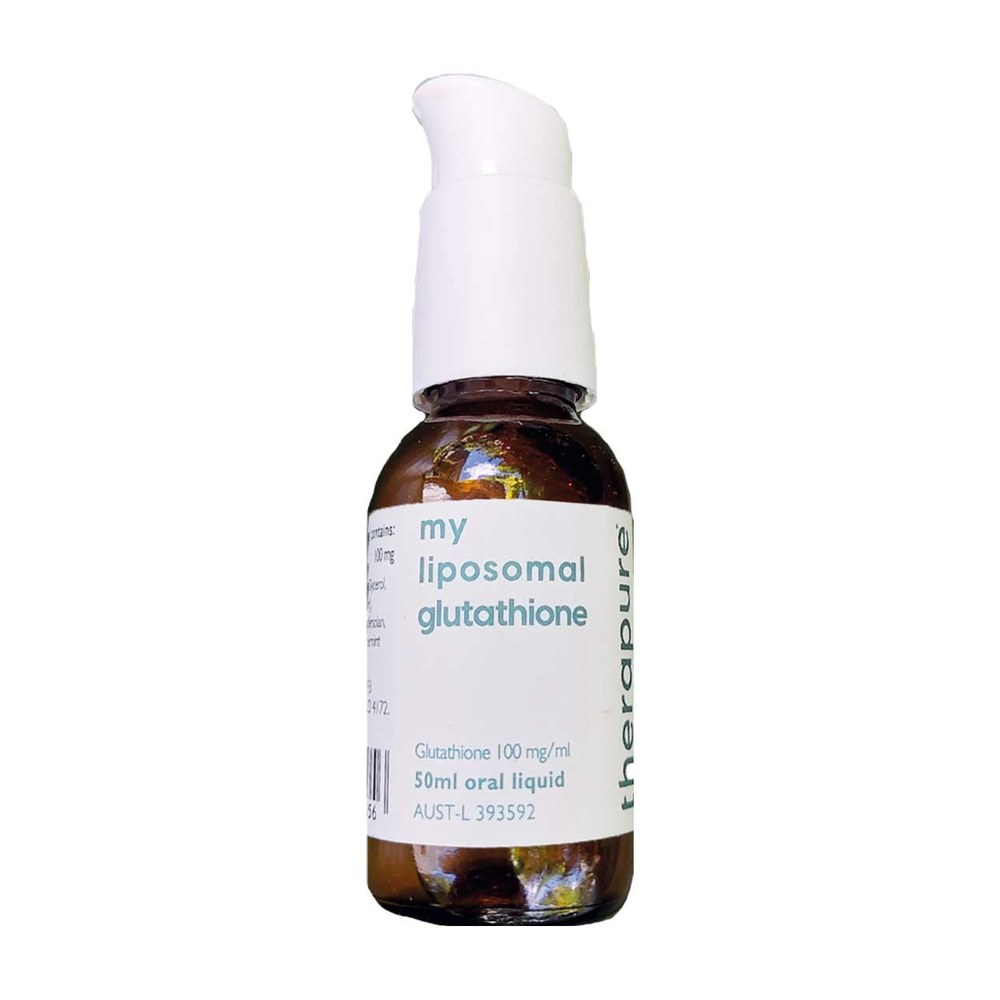
A sachet of liposomal vitamin C costs more than a whole bottle of vitamin C tablets, and people still come back for it. Liposomal supplements have gone from a niche product to a whole section of the shelf, with liquid vitamin C, B12, magnesium, glutathione and even NAD+. The idea behind them is sound. Whether you need one depends on the nutrient, the dose and what you have tried already.
What a liposome is
A liposome is a microscopic bubble made from phospholipids, the same kind of fat that forms the outer layer of every cell in your body. In supplements the phospholipid usually comes from sunflower or soy lecithin and is listed as phosphatidylcholine. The nutrient is tucked inside the bubble, or in its wall, and the bubble is meant to protect it on the way through the gut and help it cross into cells.
The technology came from medicine. Liposomal versions of some cancer and antifungal drugs have been used in hospitals for decades, because wrapping a drug this way changes where it goes and how much reaches the target. Supplement makers borrowed the idea for nutrients that the gut is not very good at absorbing in large doses.
Vitamin C: the best studied
Vitamin C is absorbed well at small doses, but the gut absorbs a smaller share as the dose rises, and big doses of ordinary vitamin C send some people running for the bathroom. A 2016 study by Davis and colleagues compared the same large dose of vitamin C taken as plain tablets and as a liposomal liquid, and found blood levels were higher with the liposomal form, though still well below what an intravenous drip achieves. People who find high dose tablets hard on the stomach often say the liquid is gentler.
For most people eating fruit and vegetables, the Australian recommended intake of 45mg a day is easy to reach from food. A single orange gets you most of the way. Liposomal vitamin C makes the most sense for people who choose to take higher doses for a period, such as during winter, and want to do it without the gut upset.

Glutathione
Glutathione is an antioxidant your body makes itself from three amino acids. As a plain capsule, much of it is broken down in the gut, which is why it has long had a reputation for being poorly absorbed. Small studies using liposomal glutathione have shown increases in the body's glutathione stores over several weeks. The research is early and the trials are small, but this is one nutrient where the liposomal form has a clear reason to exist.
B12, magnesium and vitamin D
For these three, the case is less about absorption and more about convenience.
- B12 is normally absorbed with the help of a protein made in the stomach. High dose oral B12 also gets through by simple diffusion, so standard tablets and sublingual sprays work well for most people, including vegans. A liquid is easier for anyone who struggles with tablets.
- Magnesium absorption depends more on the form, such as glycinate or citrate, than on the delivery. Our magnesium guide covers the forms in detail.
- Vitamin D is fat soluble and already absorbs well with a meal that contains some fat. A liposomal spray suits people who prefer a liquid, or who have been told they absorb fats poorly.
How to tell a good one
Not every product labelled liposomal contains well formed liposomes. Making them properly takes specialised equipment, and some cheaper products are closer to an emulsion. You cannot test this at home, but a few clues help:
- A phospholipid on the label. Look for phosphatidylcholine, sunflower lecithin or soy lecithin in the ingredients. No phospholipid, no liposome.
- The dose per serve. Check how much of the nutrient you get, not just the word liposomal. Some sachets carry far less than a standard tablet.
- Storage directions. Many liquids need the fridge after opening. Follow them, as heat breaks liposomes down.
- The taste. Phospholipids can taste a little fatty or bitter. Most brands add citrus or vanilla, and taking it in a little juice helps.
Is it worth the price?
Work out the cost per serve. A single liposomal sachet can cost as much as a month of basic tablets, so it pays to be clear about why you are choosing it. It is worth considering if high dose tablets upset your stomach, if you cannot or will not swallow capsules, if you are taking a nutrient like glutathione that absorbs poorly in other forms, or if you travel and the single sachets are the only thing you will take consistently. If a plain tablet already works for you and your blood tests are fine, there is no need to switch.
Supplements support a balanced diet, they do not replace one. If you are pregnant, breastfeeding, taking prescription medication or have a health condition, check with your GP or pharmacist before starting a new supplement, liposomal or not. Glutathione has not been well studied in pregnancy.
What we keep on the shelf
The single Cymbiotika sachets are a cheap way to try one before buying a box. More options are under Vitamins and Supplements, and our winter immunity guide covers where vitamin C fits with zinc and the rest. Come and ask us at 936 Anzac Parade, Maroubra.




 Coco's guideCeremonial cacao, cacao powder or cocoa?Which one to buy, and how to make a proper cup.Read the guide


 Coco's guideNatural deodorant that actually worksHow to survive the switch, and what to try first.Read the guide


 Coco's guideLow tox cleaning: five swaps to make firstRefills, castile and soapberries that really work.Read the guide


 Coco's guideHow to choose a natural sunscreenMineral or chemical, and one you will actually wear.Read the guide


 Baking & Raw Un-Baking
 Grains & Legumes
 Noodles, Pasta & Rice
 Herbs, Spices & Salts
 Oils
Oils Vinegars & Dressings
 Sauces & Marinades
 Condiments
 Sugars & Sweeteners
 Canned Goods
 Ready Made Mixes
 Bone Broth & Stock
 Snacks
 Bars
Bars Chips
Chips Fruit & Nuts
 Biscuits
 Crackers & Crispbreads
 Confectionery
 Cacao & Carob
 Dried Fruit
 Nuts & Seeds
 Chewing Gum & Lozenges