











How to choose a better chocolate: cacao percentage, sugar, mylk and fair trade

Chocolate is one of the few treats that comes with a respectable list of reasons to enjoy it, as long as you pick the right bar. The chocolate aisle can be confusing, though: 70 or 85 percent, organic or fair trade, dairy free mylk or sugar free. This guide explains what those labels tell you, so you can choose a bar that suits your taste and your goals.
What the percentage means
The cacao percentage is how much of the bar comes from the cacao bean: the cocoa solids plus the cocoa butter. Most of the rest is sugar. So a 70 percent bar can contain up to about 30 percent sugar, while an 85 percent bar has roughly half that. The percentage does not tell you everything, because some bars add milk powder or other ingredients, so the nutrition panel is the best check. Look at sugars per 100 grams and compare bars side by side.
If you are used to milk chocolate, go up in steps. Try 70 percent for a few weeks, then 80 or 85. Your taste adjusts surprisingly quickly, and a 90 percent bar that seemed bitter at first can become the one you reach for.
Why dark chocolate gets the good press
Cacao beans contain flavanols, plant compounds that research has linked to healthier blood vessels and blood flow. The more cacao in a bar, the more flavanols it is likely to have, although processing matters too. Cocoa treated with alkali, sometimes labelled Dutch processed, is milder and darker but loses much of its flavanol content. Dark chocolate is also a source of fibre, iron and magnesium. It is still energy dense, so it works best as a small daily pleasure rather than a health food.
Mylk chocolate and dairy free bars
Mylk is the name plant based brands use for creamy chocolate made without dairy, usually with rice, oat, coconut or nut milk powder. It suits people who are vegan or avoid dairy and still want that smooth milk chocolate taste. Dark chocolate is often dairy free already, but check the label: many bars say may contain milk because they are made on shared equipment, which matters if you have a milk allergy.

Sugar free and keto bars
Sugar free chocolate replaces sugar with sweeteners like stevia, erythritol or monk fruit, and sometimes adds fibre to keep the texture smooth. These bars can suit people watching their blood sugar or cutting back on sugar overall. Some sweeteners, especially in larger amounts, can upset sensitive stomachs, so start with a few squares. Our guide to sugar alternatives explains how each sweetener behaves.
Fair trade and organic
Most of the world's cacao is grown by small farmers in West Africa, where low prices have long been linked to poverty and child labour. Fairtrade certification guarantees farmers a minimum price plus an extra premium for community projects, and bans the worst forms of child labour. Organic certification means the cacao was grown without synthetic pesticides. Some brands, including Bennetto and Alter Eco, carry both. It costs a little more, and it means the people who grew the cacao were treated fairly.
Read the ingredient list
Good dark chocolate has a short ingredient list: cocoa mass (also called cocoa liquor, which is simply ground cacao nibs), cocoa butter, sugar and perhaps vanilla and an emulsifier like sunflower or soy lecithin. Be wary of bars that swap some of the cocoa butter for other vegetable fats. In Australia these are often labelled compound chocolate or chocolate flavoured, and they are cheaper to make but melt and taste quite differently. Real vanilla beats vanillin, the synthetic version, though it is a small detail next to the cacao and sugar.
Store chocolate somewhere cool and dry, ideally between 15 and 18 degrees, rather than in the fridge. The white streaks or dusty look that sometimes appear, called bloom, come from fat or sugar rising to the surface after a change in temperature. Bloomed chocolate is perfectly safe to eat and works well for baking or melting into a hot chocolate.
A word on heavy metals
In 2022, testing by the US magazine Consumer Reports found measurable lead and cadmium in many dark chocolate bars, a reminder that cacao can pick up metals from soil and processing. It is not a reason to give chocolate up. Enjoying a moderate amount, and varying the brands you buy, are sensible ways to keep any exposure low, particularly for children and during pregnancy.
How much is sensible?
Around 20 to 30 grams, two to four squares of a typical block, is a satisfying serve for most adults. Eat it slowly and on its own, after a meal, and it goes a lot further than a bar eaten in front of the TV. Pair dark chocolate with fresh berries or a handful of nuts for an easy dessert.
Keep chocolate away from pets. Chocolate contains theobromine, which dogs and cats cannot process well. Dark chocolate has the most, and even a small amount can make a dog seriously ill. If your pet eats chocolate, call your vet straight away.
Bars worth trying
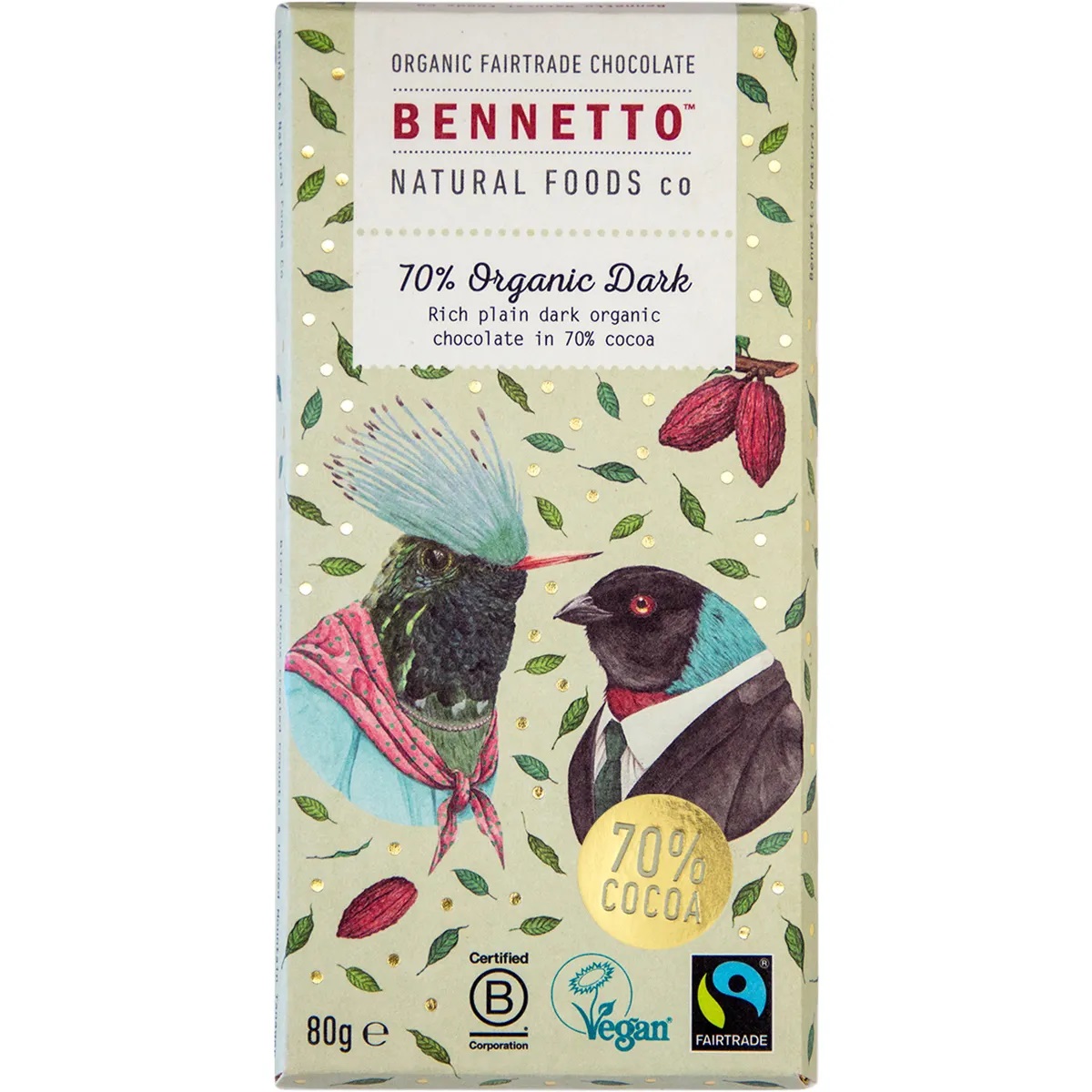
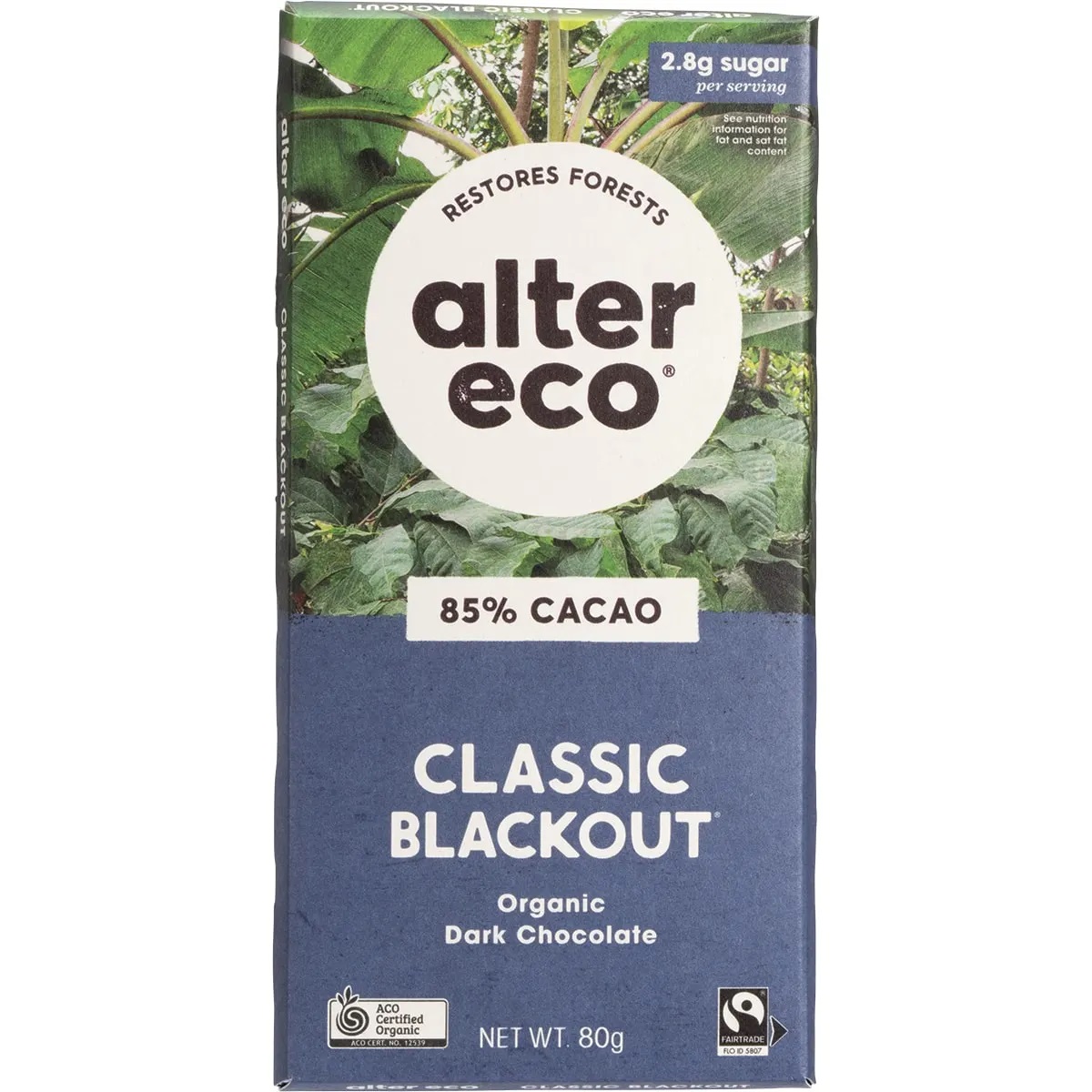
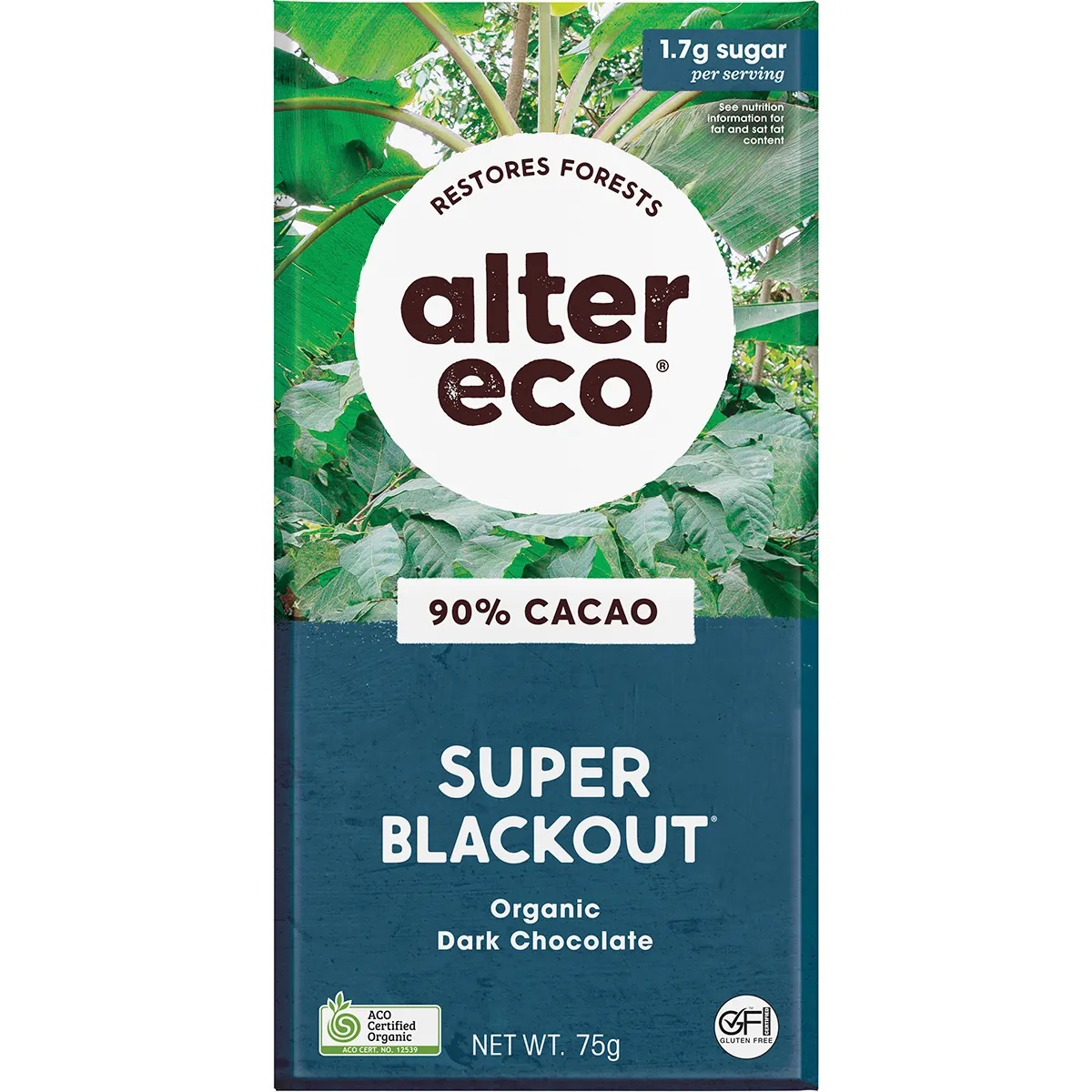
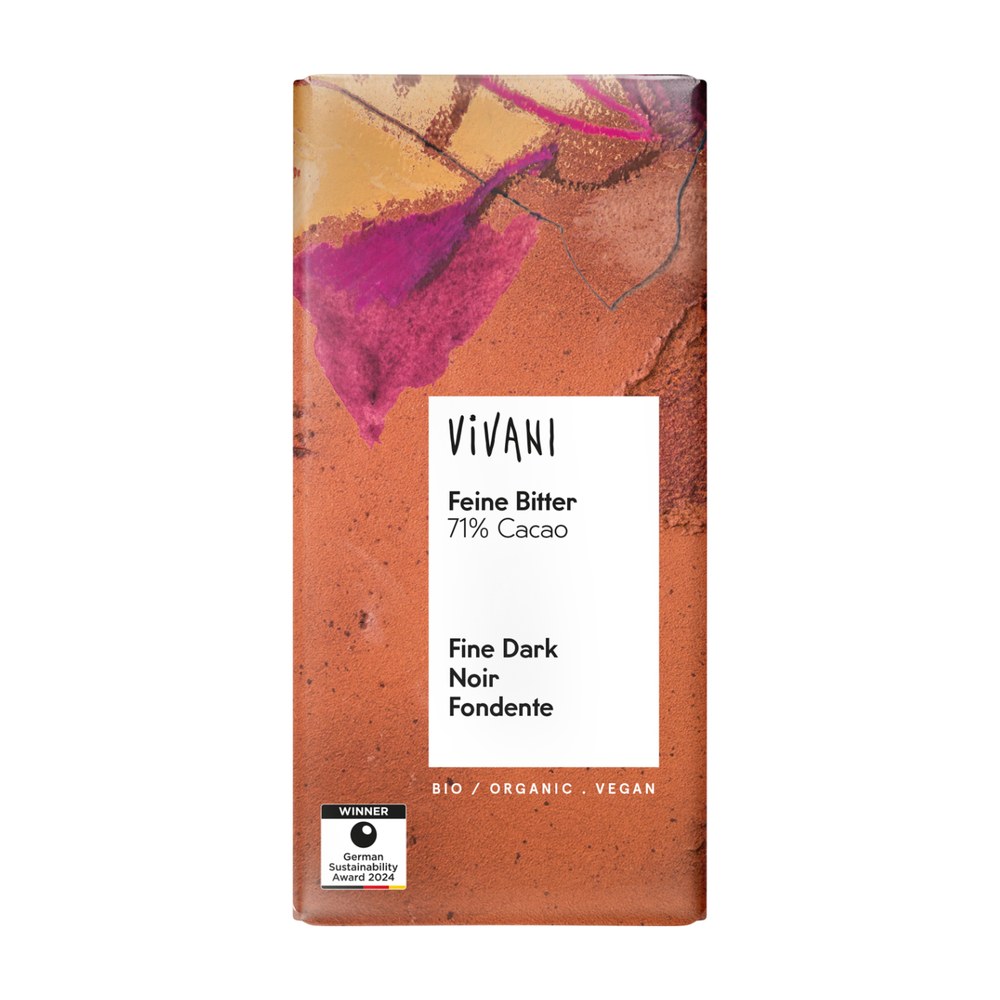
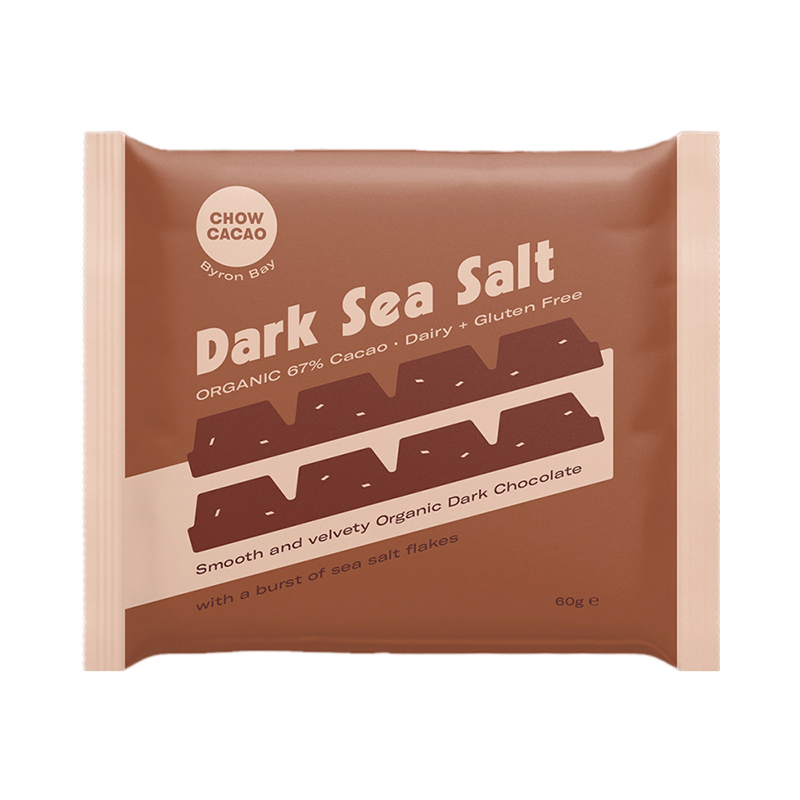
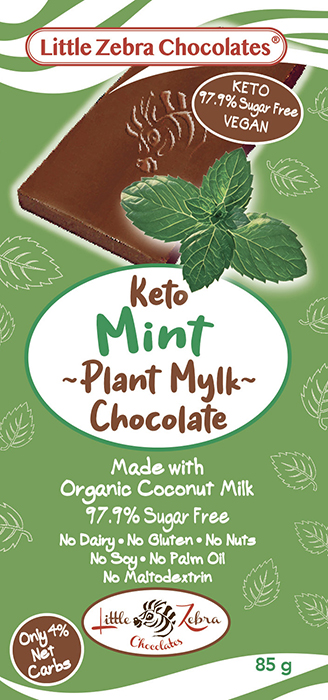
See the full range in Confectionery, or read about ceremonial cacao, cacao powder and cocoa if you love a rich hot chocolate.