The sweetener shelf has grown from a lonely box of stevia to a whole bay: monk fruit drops, erythritol blends, birch xylitol, coconut sugar and, lately, a syrup made from something called allulose. They all promise sweetness with less of the downside of sugar, and they all behave a little differently in your coffee, your baking and your gut. This guide walks through each one so you can pick the right bag for the job.
Why people cut back in the first place
The World Health Organization suggests keeping free sugars under 10 percent of your daily energy, and ideally under 5 percent, which works out to about six teaspoons a day for an adult. Free sugars include the white stuff, honey, syrups and fruit juice. Most Australians eat well over that, much of it hidden in drinks, sauces and snacks. Swapping the sugar you add yourself is an easy first step, and that is where these products come in.
Monk fruit
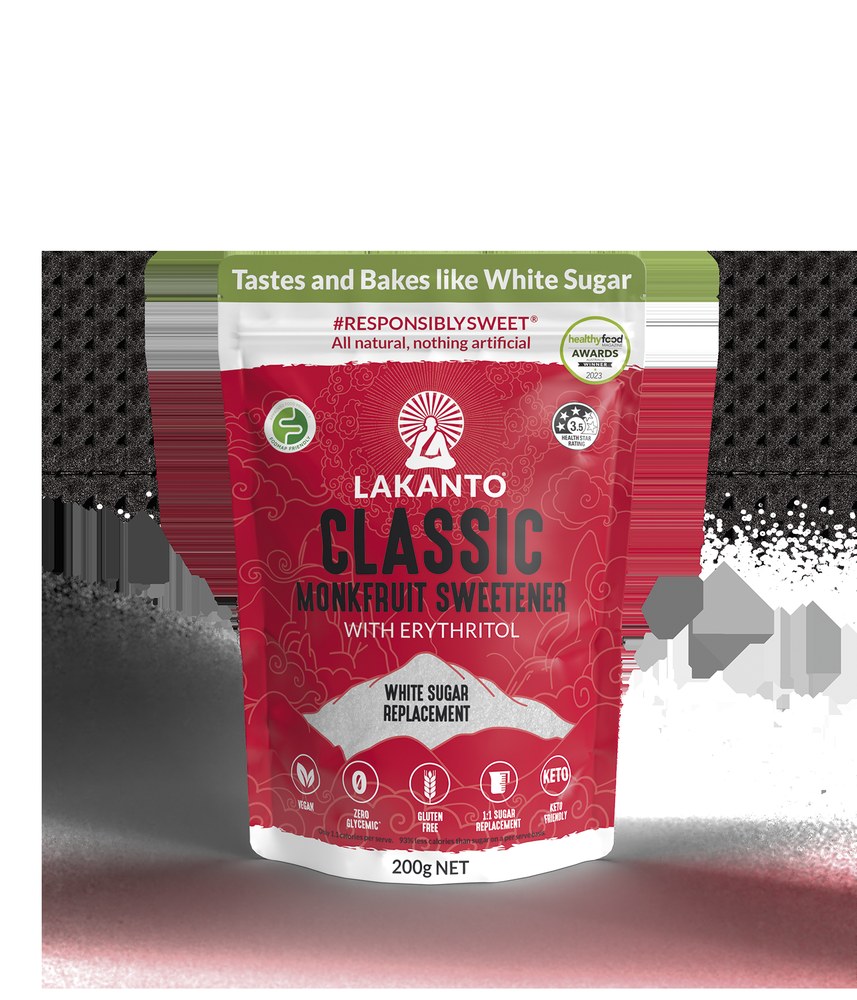
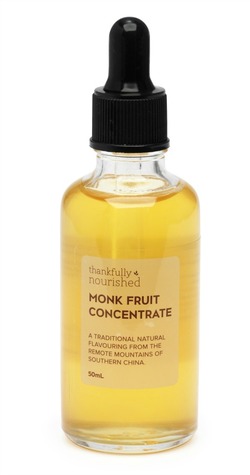
Monk fruit, or luo han guo, is a small melon from southern China. Its sweetness comes from compounds called mogrosides, which are somewhere around 150 to 250 times sweeter than sugar and carry almost no kilojoules. Pure monk fruit extract is so strong that it is sold as drops or tiny scoops. The bags you can swap cup for cup, like Lakanto, are mostly erythritol with a little monk fruit added to round out the flavour. That is worth knowing if erythritol does not agree with you.
Stevia
Stevia comes from the leaves of a South American shrub and is a few hundred times sweeter than sugar. It has no kilojoules and does not raise blood glucose. The catch is flavour: many people taste a bitter, liquorice like finish, especially if they use too much. A few drops in tea or a smoothie is where it shines. In baking it adds sweetness and nothing else, so cakes come out flat and pale.
Erythritol
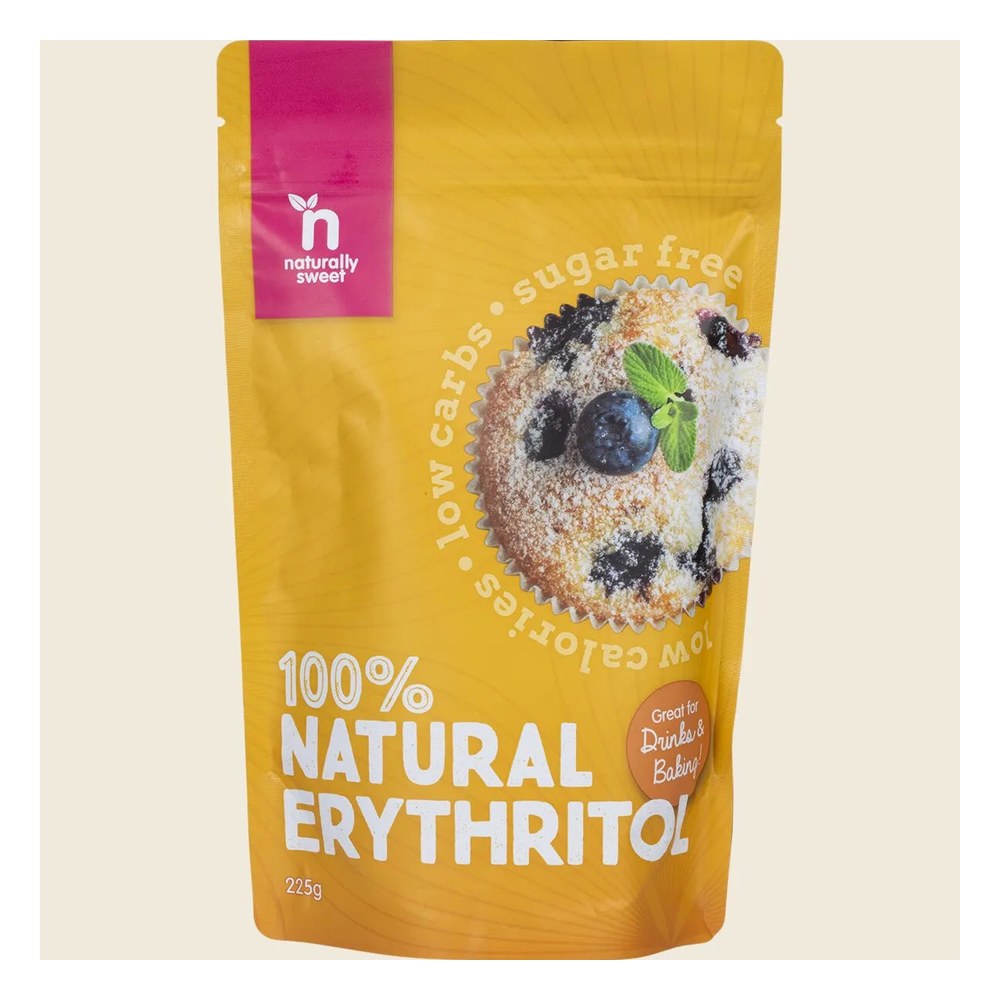
Erythritol is a sugar alcohol, found in small amounts in pears and grapes and made commercially by fermentation. It is about 70 percent as sweet as sugar with close to zero kilojoules, and most of it is absorbed and passed out in urine, so it causes far less bloating than the other sugar alcohols. It has a cool, minty feel on the tongue and can recrystallise in icings and cold desserts, which leaves a slightly crunchy texture.
A 2023 study in Nature Medicine linked high blood levels of erythritol with a higher rate of heart attack and stroke in people who already had heart disease. It was an observational study, so it cannot show cause and effect, and more research is under way. If you have a heart condition, it is a reasonable conversation to have with your GP before using large amounts every day.
Xylitol
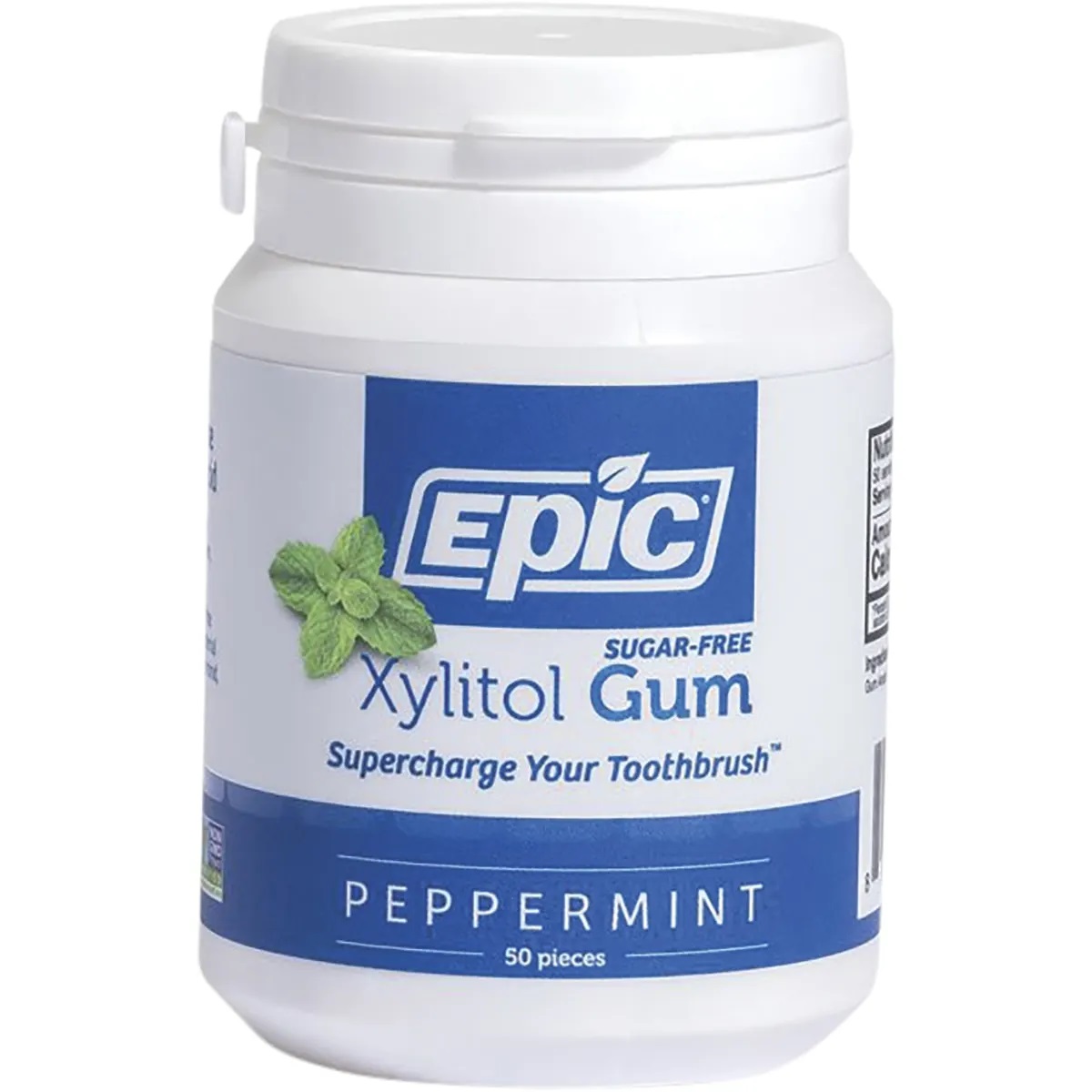
Xylitol tastes almost exactly like sugar, measures one for one, and has about 40 percent fewer kilojoules. It is the sweetener dentists like, because the bacteria behind tooth decay cannot use it for fuel, which is why it turns up in chewing gum and natural toothpaste. It is not absorbed as well as erythritol, so large amounts can loosen the bowels. Start with a teaspoon or two and build up. It also does not work in yeast breads, because yeast cannot feed on it.
Keep xylitol away from dogs. Even a small amount, such as a few pieces of gum or a xylitol sweetened muffin, can cause a dangerous drop in blood sugar and liver damage in dogs. If your dog eats anything containing xylitol, call your vet straight away.
Allulose
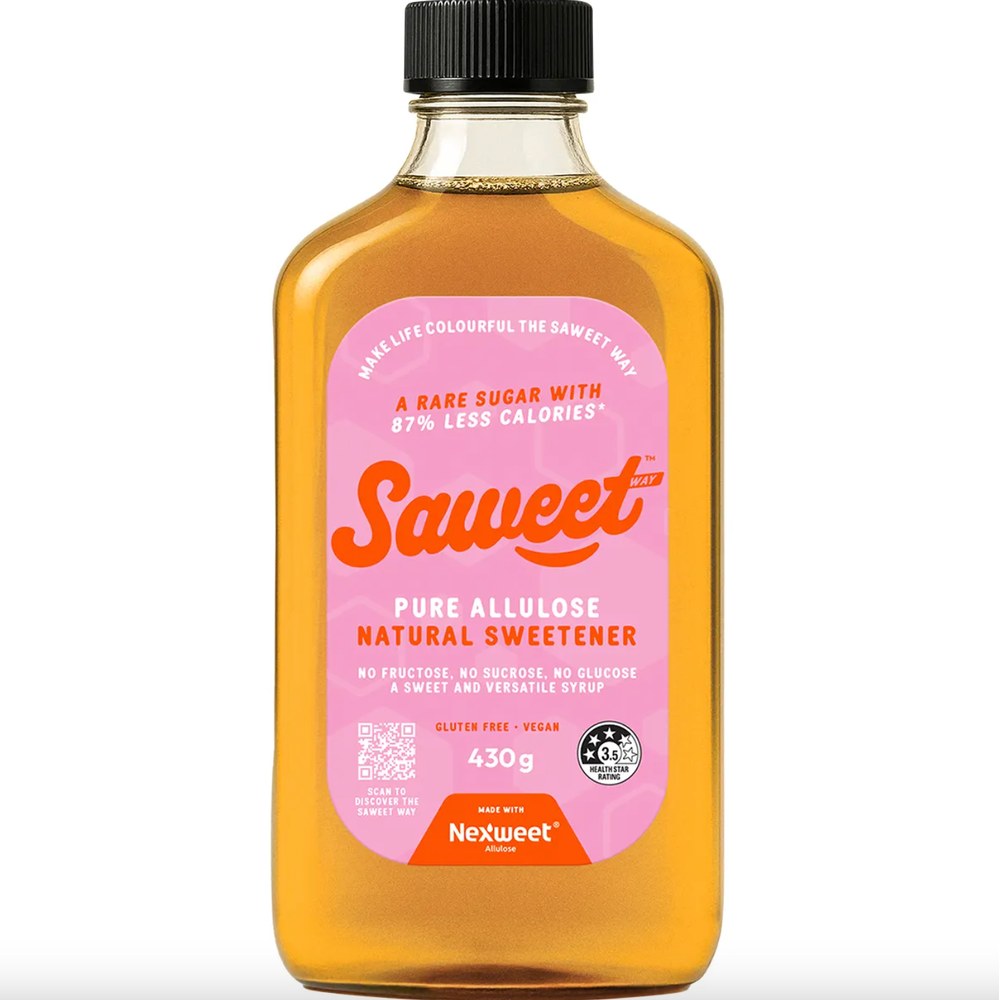
Allulose is a rare sugar found naturally in figs, raisins and maple syrup. It is about 70 percent as sweet as sugar with a fraction of the kilojoules, and the body does not use it the way it uses ordinary sugar. What makes it interesting to cooks is that it browns and caramelises like sugar, so it works in caramel sauces, sticky glazes and soft cookies where erythritol and stevia struggle. It can brown faster, so keep an eye on the oven. Saweet sells it as a syrup, which is handy for drinks and frozen desserts.
Coconut sugar, honey and maple
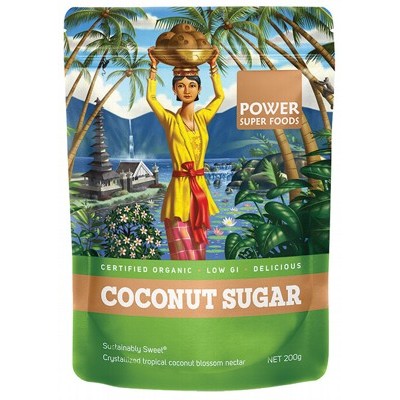
These are less processed, and they bring flavour: coconut sugar tastes like a light caramel, maple is warm and woody, raw honey changes with the flowers it came from. They are still sugar, though. Coconut sugar is mostly sucrose, the same molecule as white sugar, with similar kilojoules, and its small mineral content is too small to matter at a teaspoon a time. Use them because you love the taste, not as a health swap. Our guide to manuka honey covers the honey side of the shelf.
Baking with sugar swaps
Sugar does more than sweeten. It keeps cakes moist, helps them rise and turns crusts golden. A few things that help when you swap it out:
- Brownies, slices and crumbles are the most forgiving place to start. A one to one monk fruit and erythritol blend works well.
- Light sponges are hardest. Try replacing half the sugar first, rather than all of it.
- Caramel and glazes need something that browns: allulose or a real sugar.
- Icing made with granulated erythritol can feel gritty. Blitz it to a powder in a spice grinder first.
- Drinks are easiest of all: a few drops of monk fruit or stevia, or a spoon of allulose syrup.
Which one to choose
For a straight swap in everyday baking, a monk fruit and erythritol blend. For coffee and smoothies, monk fruit or stevia drops. For caramel, sauces and cold desserts, allulose. For gum and teeth, xylitol. For flavour, coconut sugar or maple, in small amounts. If you are managing diabetes, the low or no kilojoule options will have the smallest effect on blood glucose, but talk to your GP or dietitian about what fits your plan.
What we keep on the shelf
The rest of the range is under Sugars and Sweeteners. If you are cutting back on sugar to help your gut, our piece on looking after your gut is a good next read, and we are at 936 Anzac Parade, Maroubra, seven days a week.




 Coco's guideCeremonial cacao, cacao powder or cocoa?Which one to buy, and how to make a proper cup.Read the guide


 Coco's guideNatural deodorant that actually worksHow to survive the switch, and what to try first.Read the guide


 Coco's guideLow tox cleaning: five swaps to make firstRefills, castile and soapberries that really work.Read the guide


 Coco's guideHow to choose a natural sunscreenMineral or chemical, and one you will actually wear.Read the guide


 Baking & Raw Un-Baking
 Grains & Legumes
 Noodles, Pasta & Rice
 Herbs, Spices & Salts
 Oils
Oils Vinegars & Dressings
 Sauces & Marinades
 Condiments
 Sugars & Sweeteners
 Canned Goods
 Ready Made Mixes
 Bone Broth & Stock
 Snacks
 Bars
Bars Chips
Chips Fruit & Nuts
 Biscuits
 Crackers & Crispbreads
 Confectionery
 Cacao & Carob
 Dried Fruit
 Nuts & Seeds
 Chewing Gum & Lozenges