







Eating plant-based? The six nutrients worth keeping an eye on
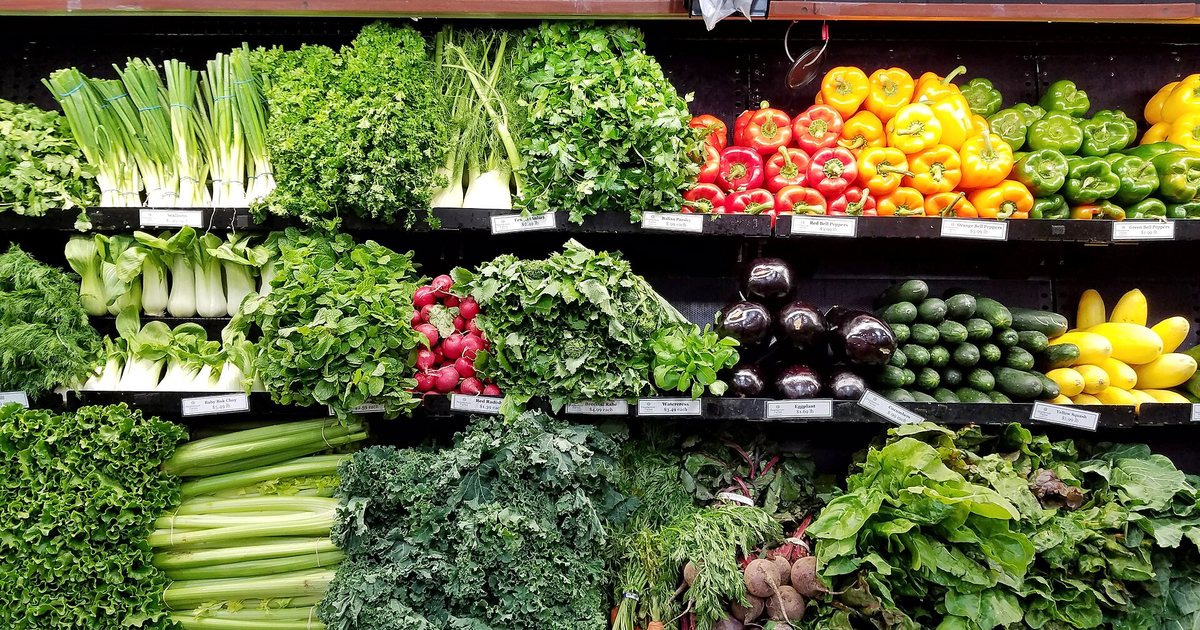
A well planned vegan or vegetarian diet can meet your needs at every stage of life. The key word is planned. Most nutrients take care of themselves when your plate is full of vegetables, legumes, whole grains, nuts and seeds, but a handful are harder to get without animal foods. This guide goes through the six that come up most often, what each one does, and the simplest way to cover it.
1. Vitamin B12: the one you cannot skip
B12 keeps your nerves and blood cells healthy and helps your body make DNA. It is made by bacteria, not plants, and there is no reliable plant source. Spirulina, nori and other seaweeds are sometimes sold as B12 sources, but much of what they contain is an inactive form that does not do the job, so do not count on them.
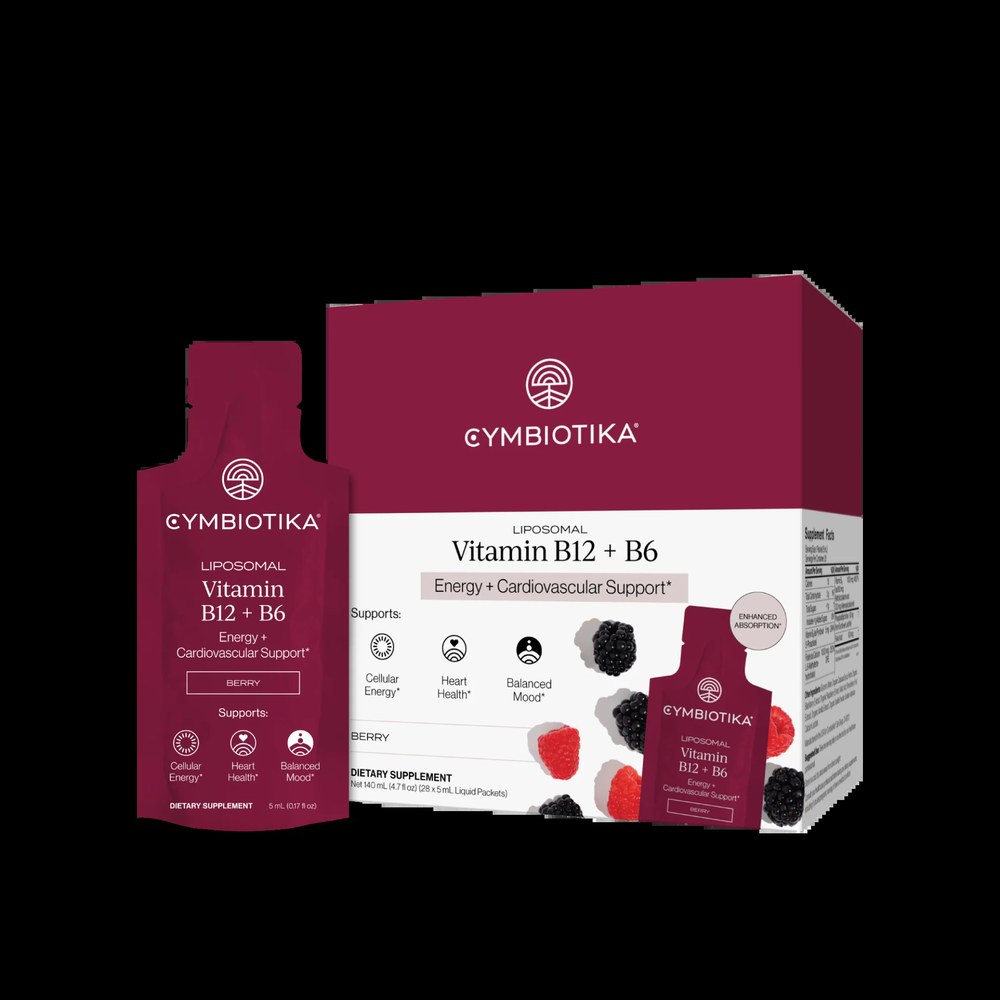
That leaves two options: foods fortified with B12, such as some plant milks, breakfast cereals and nutritional yeast flakes, or a supplement. Adults need 2.4 micrograms a day, a little more in pregnancy and while breastfeeding. Low B12 can take years to show, because the body stores it, and the early signs are vague: tiredness, pins and needles, a sore tongue, low mood or poor memory. Left too long, the nerve damage can be permanent. A diet high in folate from leafy greens can also hide B12 anaemia on a blood test, which is one more reason not to rely on feeling fine.
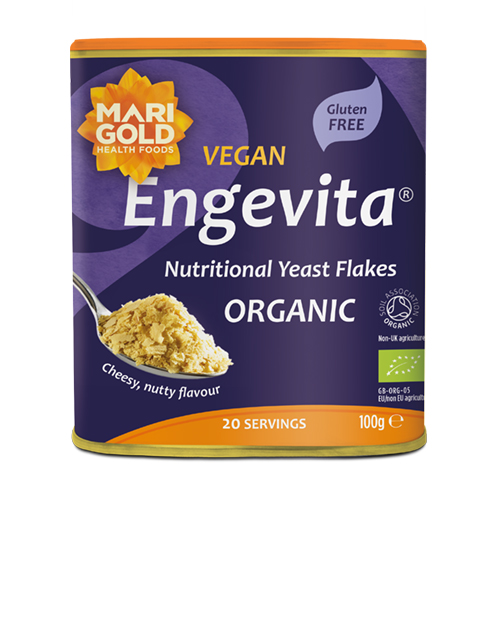
Nutritional yeast is worth a note of its own. Some flakes have B12 added and some do not, and many organic flakes are unfortified. If B12 is not listed in the nutrition panel, the flakes are a tasty source of other B vitamins, but not of B12.
Get a baseline. If you have been plant-based for a while, ask your GP for a blood test that checks B12, iron stores (ferritin) and vitamin D. It takes one appointment and tells you exactly where you stand, so you supplement what you need and skip what you do not.
2. Iron
Plants contain non-haem iron, which the body absorbs less easily than the haem iron in meat. Australia's nutrient reference values suggest vegetarians may need about 1.8 times as much iron as meat eaters. Good sources are lentils, chickpeas, tofu, tempeh, pepitas, cashews, oats and dark leafy greens.
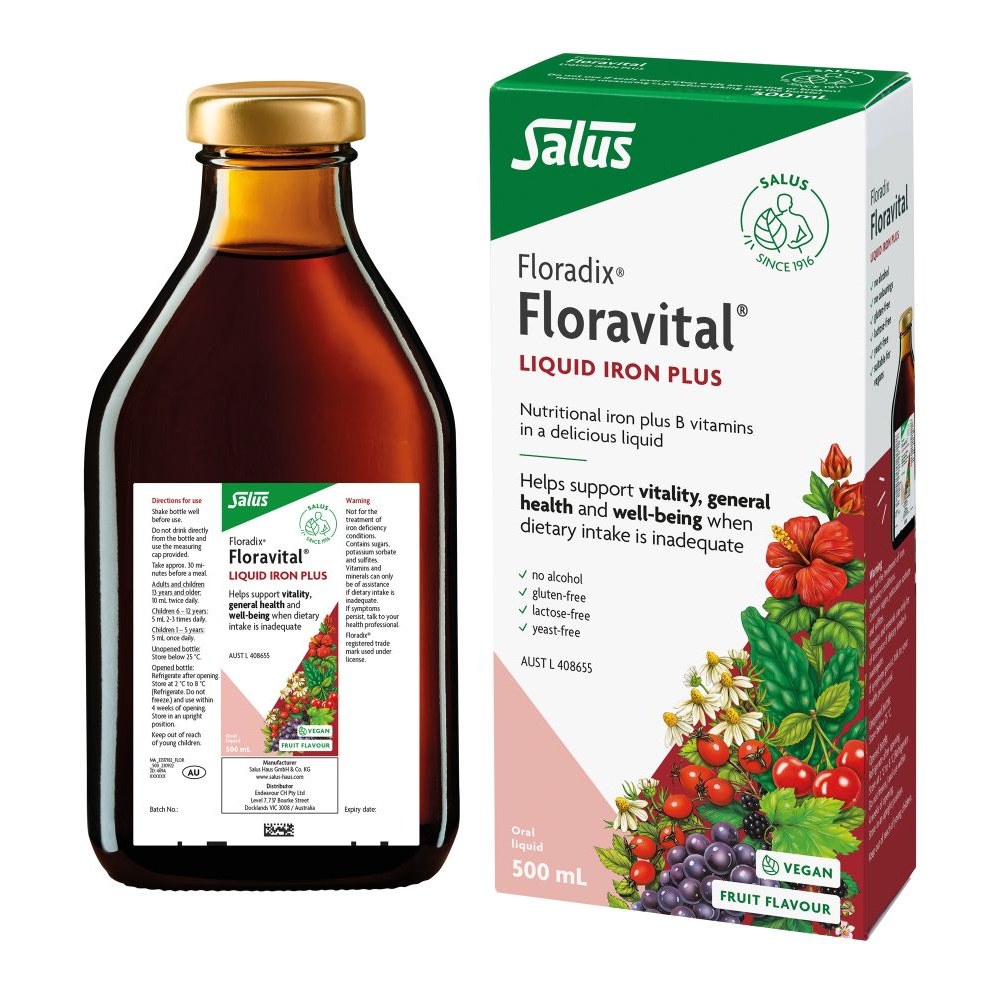
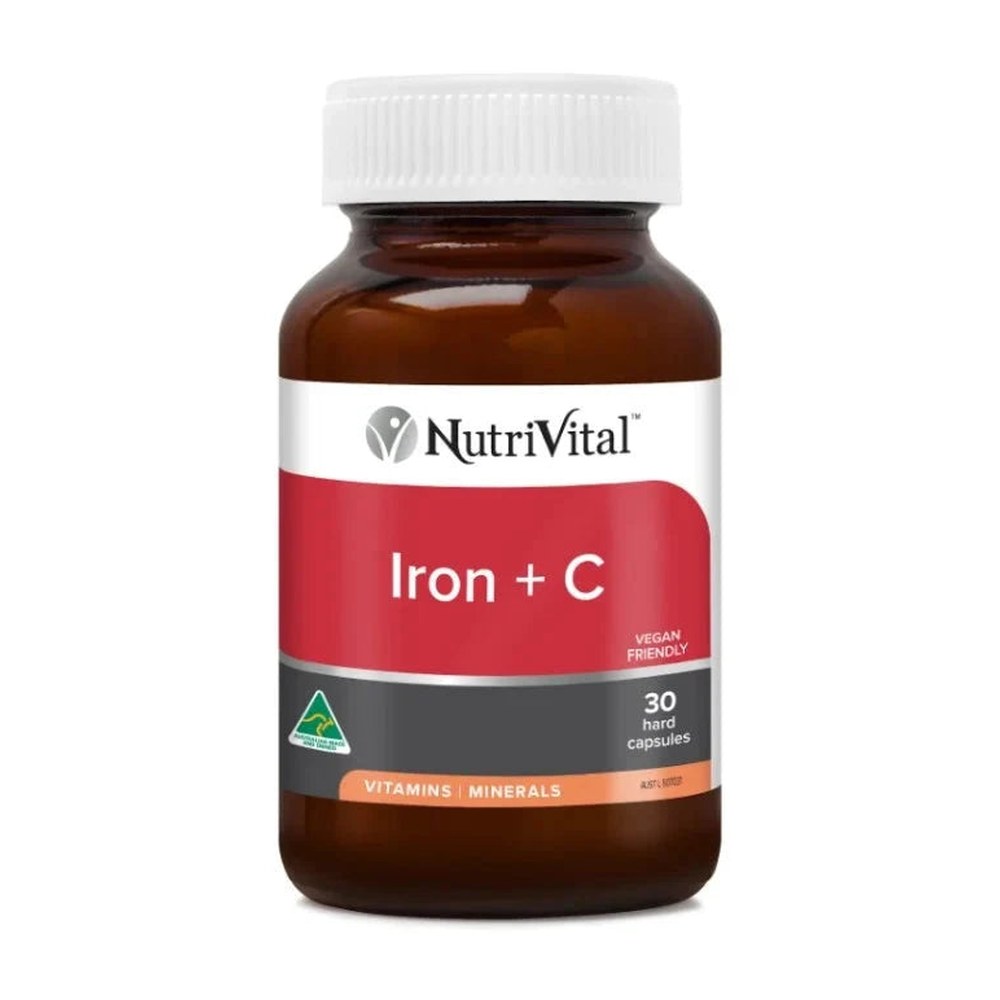
Two habits make a real difference. Eat a source of vitamin C with iron-rich meals, such as capsicum, tomato, citrus or broccoli. And keep tea and coffee for between meals, since the tannins cut absorption. Iron supplements are best taken only when a blood test shows you need them, because too much iron does harm. Our guide to low iron covers the symptoms and the test.
3. Iodine
Iodine is needed to make thyroid hormones, which run your metabolism and, in pregnancy, your baby's brain development. Adults need 150 micrograms a day. Australian soils are low in iodine, so most people get it from dairy, seafood, eggs, iodised salt and bread. Plant-based eaters miss the first three, and many health food shoppers miss the last two as well: sea salts are rarely iodised, and certified organic bread is exempt from the rule that requires iodised salt in bread.
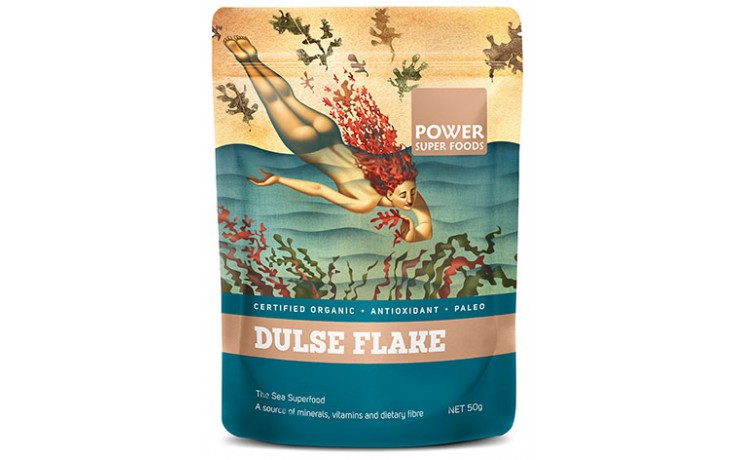
Seaweed helps, but the amount varies hugely between types. A small sprinkle of dulse or nori is a reasonable everyday source. Kelp is a different story: one kelp meal on our shelves lists 1800 micrograms per teaspoon, well over the adult upper limit of 1100 micrograms a day. Use kelp in tiny amounts, or choose iodised salt for cooking and keep seaweed as a flavour.
4. Omega 3 fats
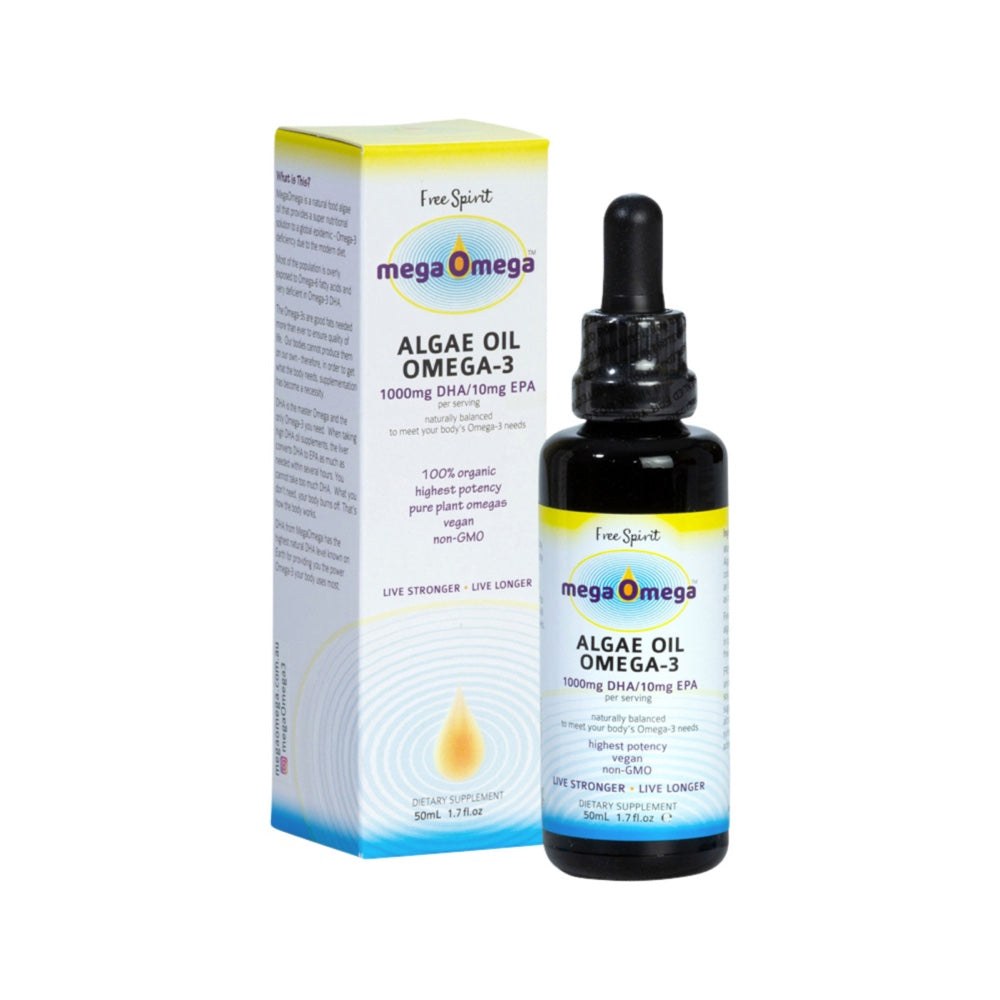
Flaxseed, chia, hemp seeds and walnuts are rich in ALA, a plant omega 3. The body can turn some ALA into EPA and DHA, the long chain fats found in fish, but only a small share. Fish get their DHA by eating algae, so algae oil is the direct plant source. If you do not eat fish, a daily spoon of ground flax or chia plus an algae oil is the simplest way to cover both. We compare the two in fish oil or algae oil.
5. Calcium
Most adults need 1000 milligrams a day, rising to 1300 for women over 50 and men over 70. Without dairy, the reliable sources are calcium-set tofu (look for calcium sulphate or calcium chloride on the label), fortified plant milks with at least 120 milligrams per 100ml, tahini, almonds, and low-oxalate greens such as bok choy, kale and broccoli. Spinach contains calcium but holds on to most of it. Our guide to choosing a plant milk shows which milks are fortified.
6. Zinc
Zinc supports immunity, wound healing, taste and smell. Legumes, whole grains, nuts and seeds all contain it, but they also contain phytates, which bind zinc and block some of it. The reference values suggest vegetarians may need up to 50 percent more. Soaking and sprouting legumes and grains, choosing sourdough bread, and eating fermented foods like tempeh and miso all lower phytates and help more zinc get through.
Protein and vitamin D
Protein is rarely a problem if you eat legumes, tofu, tempeh, nuts and seeds through the day. If you train hard or struggle to eat enough, a plant protein powder can fill the gap, and our protein powder guide explains the options. Vitamin D depends more on sun than diet for everyone, but if you supplement, look for vegan D3 from lichen or mushrooms. See vitamin D in Australia for more.
A simple weekly routine
- A B12 supplement or fortified foods every day, without fail.
- Legumes or tofu at most meals, with something rich in vitamin C alongside.
- A fortified plant milk or calcium-set tofu daily.
- Iodised salt in cooking, or a little seaweed a few times a week.
- Ground flax or chia daily, and consider algae oil.
- A blood test once a year, or sooner if you feel run down.
Children, teenagers, pregnant women and older adults on a plant-based diet have higher needs for some of these nutrients. An accredited practising dietitian can help build a plan that suits your family.
Plant-based picks from our shelves
See more in Vitamins and Supplements and Minerals. Supplements should not replace a balanced diet. Always read the label and follow the directions for use.