








Zinc: how much you need, the best food sources and how to choose a supplement

Zinc is one of those minerals people reach for at the first scratchy throat, then forget about for the rest of the year. Your body cannot store much of it, so you need a little every day. It is used in hundreds of enzymes, and it plays a part in immune function, wound healing, skin, taste and smell, and fertility. Most Australians get enough from food, but some groups run short, and the supplement aisle offers a confusing range of forms and strengths. Here is how to work out where you stand.
How much do you need?
Australian nutrient reference values put the recommended intake at 14 mg a day for adult men and 8 mg a day for adult women, rising to 11 mg in pregnancy and 12 mg while breastfeeding. The upper limit for adults, from food and supplements combined, is 40 mg a day. That gap between "enough" and "too much" is narrower than for many vitamins, which is why more is not better with zinc.
The best food sources
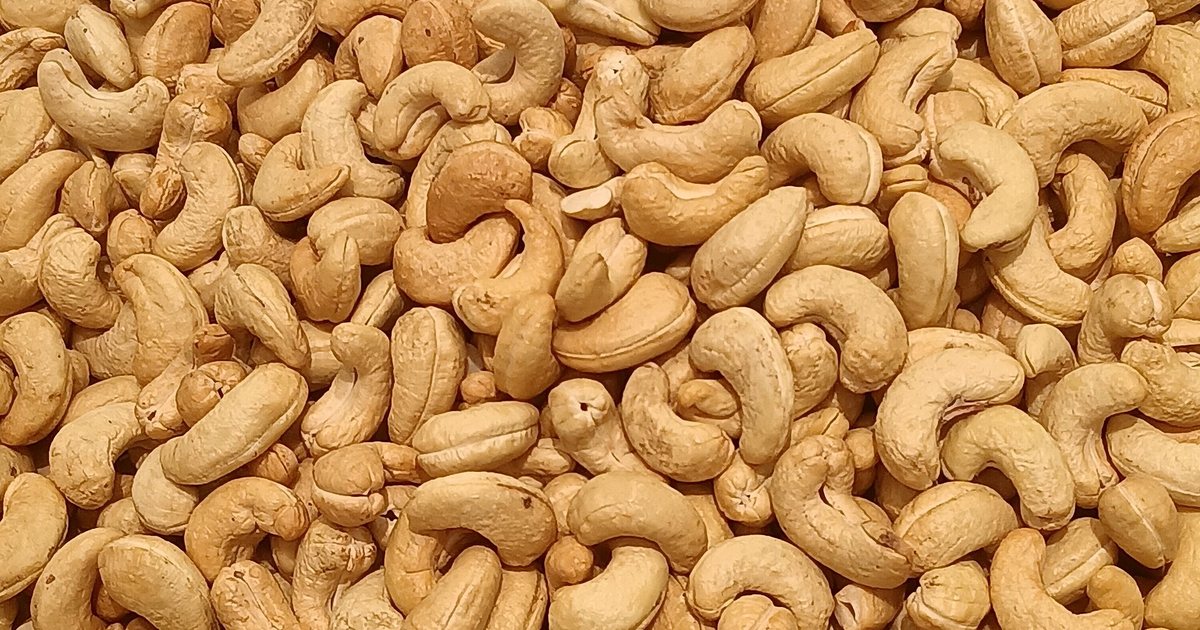
Oysters are in a league of their own: a few contain more than a full day of zinc. Red meat, lamb, chicken thigh, crab and eggs are good everyday sources. On the plant side, pumpkin seeds, cashews, hemp seeds, chickpeas, lentils, tofu, tempeh, oats and wholegrains all contribute. A small handful of pepitas gives you around 2 mg, which adds up when they go on your porridge, salads and roast vegetables most days.
Plant foods come with a catch. Grains, legumes and seeds contain phytates, which bind zinc and reduce how much you absorb. Soaking, sprouting, activating and sourdough fermentation all break down some of the phytate. This is one of the better arguments for activated nuts and seeds, and for real sourdough over yeasted bread.
Who tends to run low?
- Vegetarians and vegans. Because of phytates, the NHMRC suggests vegetarians may need up to 50 percent more zinc than meat eaters. Our plant-based nutrients guide covers the rest of that list.
- Pregnant and breastfeeding women, whose needs go up.
- Older adults, who often eat less and absorb less.
- People with gut conditions such as coeliac disease or inflammatory bowel disease, and people who drink heavily.
- Anyone taking high dose iron, which competes with zinc for absorption.
The signs of low zinc are vague: slow wound healing, poor appetite, a dulled sense of taste, frequent colds, brittle nails or thinning hair. All of these have many other causes, and blood zinc is not a perfect measure, so talk to your GP rather than guessing from a symptom list.
Zinc and colds
Zinc lozenges have been studied for decades. Some trials found they shorten a cold by a day or so when started within 24 hours of the first symptoms, while others found little effect, and the overall evidence is mixed. If you try them, start early, stop after a week, and stay under the upper limit. Zinc nasal sprays are a different matter: some have been linked to a lasting loss of smell, so avoid them. Our winter immunity guide puts zinc alongside vitamin C, echinacea and the rest.
Reading a zinc label
Zinc on a label is always bound to something else, and the bottle should tell you two numbers: the weight of the compound and the "equivalent to" weight of elemental zinc. Only the second number counts toward your daily intake. Zinc glycinate 32 mg, for example, gives roughly 10 mg of zinc.
- Glycinate (bisglycinate) and picolinate are well absorbed and gentle on the stomach.
- Citrate and gluconate are absorbed reasonably well and common in lozenges.
- Oxide is cheap and poorly absorbed as a supplement. It is the same compound that makes a mineral sunscreen white, where it works on the skin rather than in the gut.
- Whole food sources such as freeze dried oyster or beef liver give zinc alongside copper, B12 and other nutrients, at a lower dose.
The copper catch. Taking more than 40 mg of zinc a day for weeks or months can drain your copper, which can lead to anaemia and nerve problems. If you take zinc long term, keep the total dose modest, check whether your multi already contains some, and ask your practitioner whether you need a formula with a little copper.
How to take it
Zinc on an empty stomach often causes nausea, so take it with a meal. Keep it a couple of hours apart from iron and calcium supplements, and from some antibiotics (tetracyclines and quinolones), which it can block. If you take any regular medication, check with your pharmacist first. A short course of a moderate dose, while you work on food sources, suits most people better than a high dose taken indefinitely.
A zinc friendly day of eating
You do not need oysters every week to reach your target. Porridge made with oats and topped with a spoonful of pepitas, a lunch of lentil salad or a beef and salad wrap, a small handful of cashews in the afternoon, and a dinner with chicken thigh, tofu or tempeh will get most adults close to their daily needs. Plant based eaters can lift absorption by choosing activated nuts and seeds, soaking legumes before cooking, and swapping some bread for real sourdough. If your diet is varied like this, a supplement is more of an insurance policy than a necessity.
Zinc on our shelves
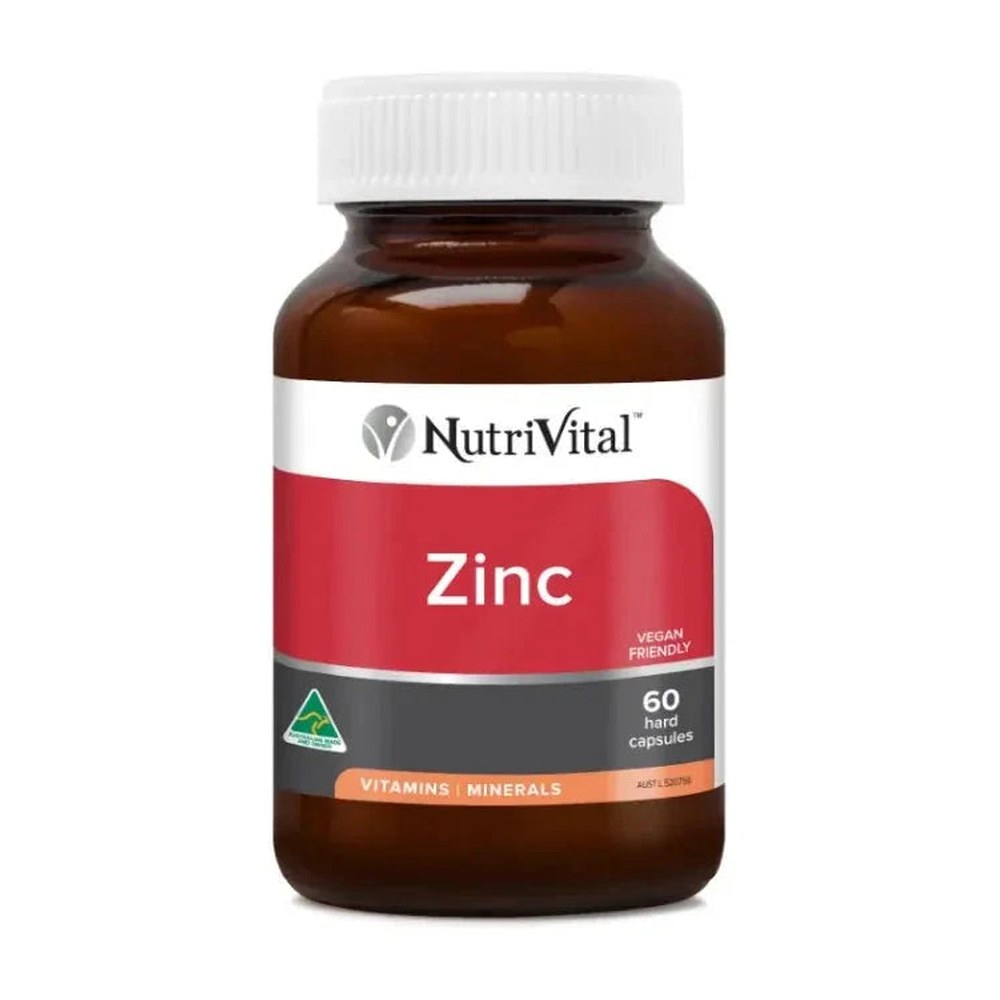
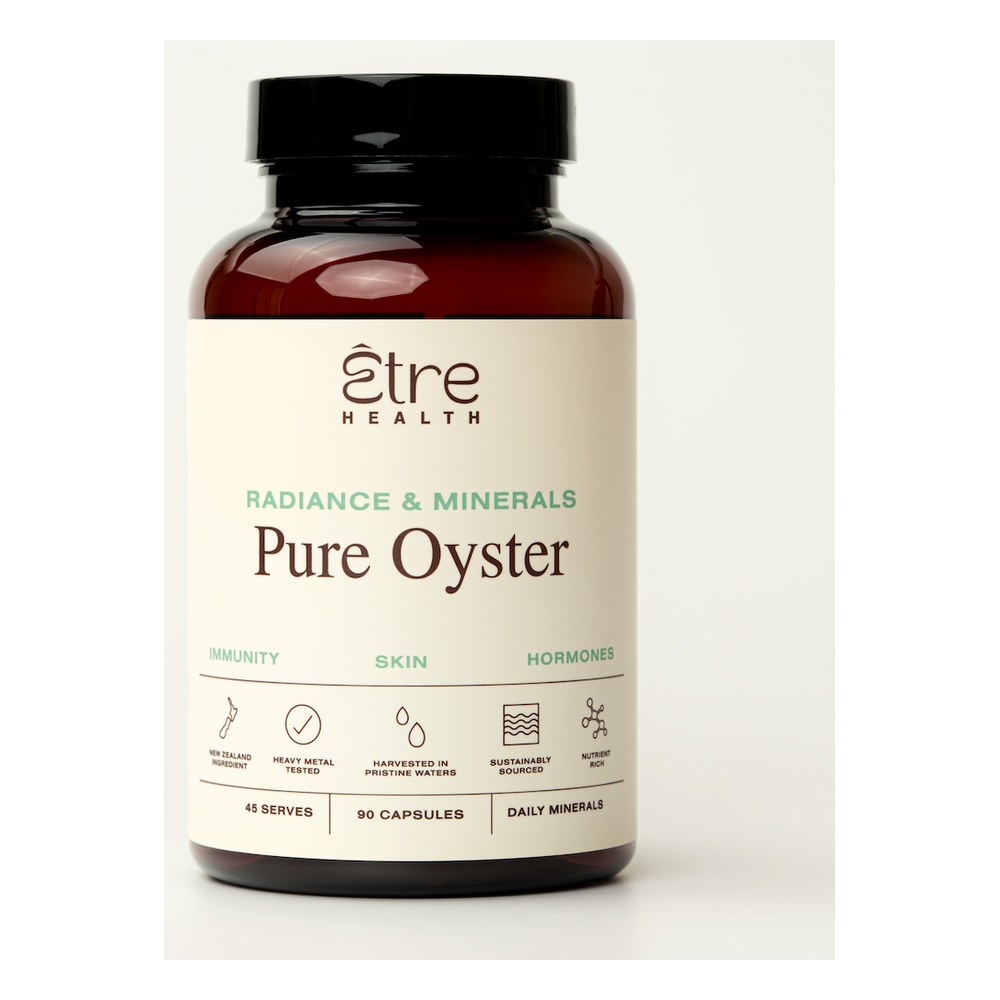
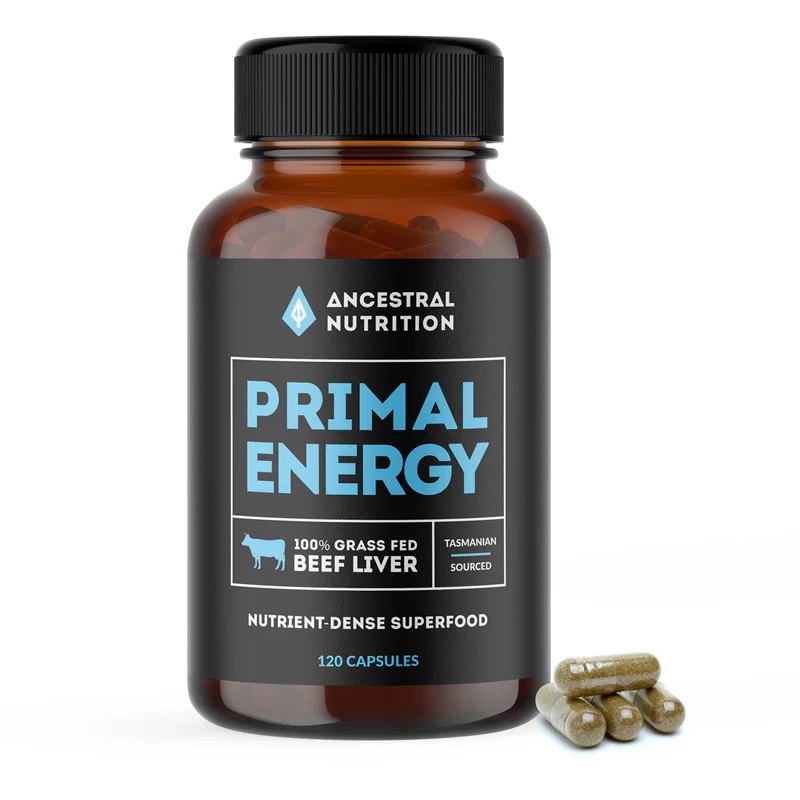
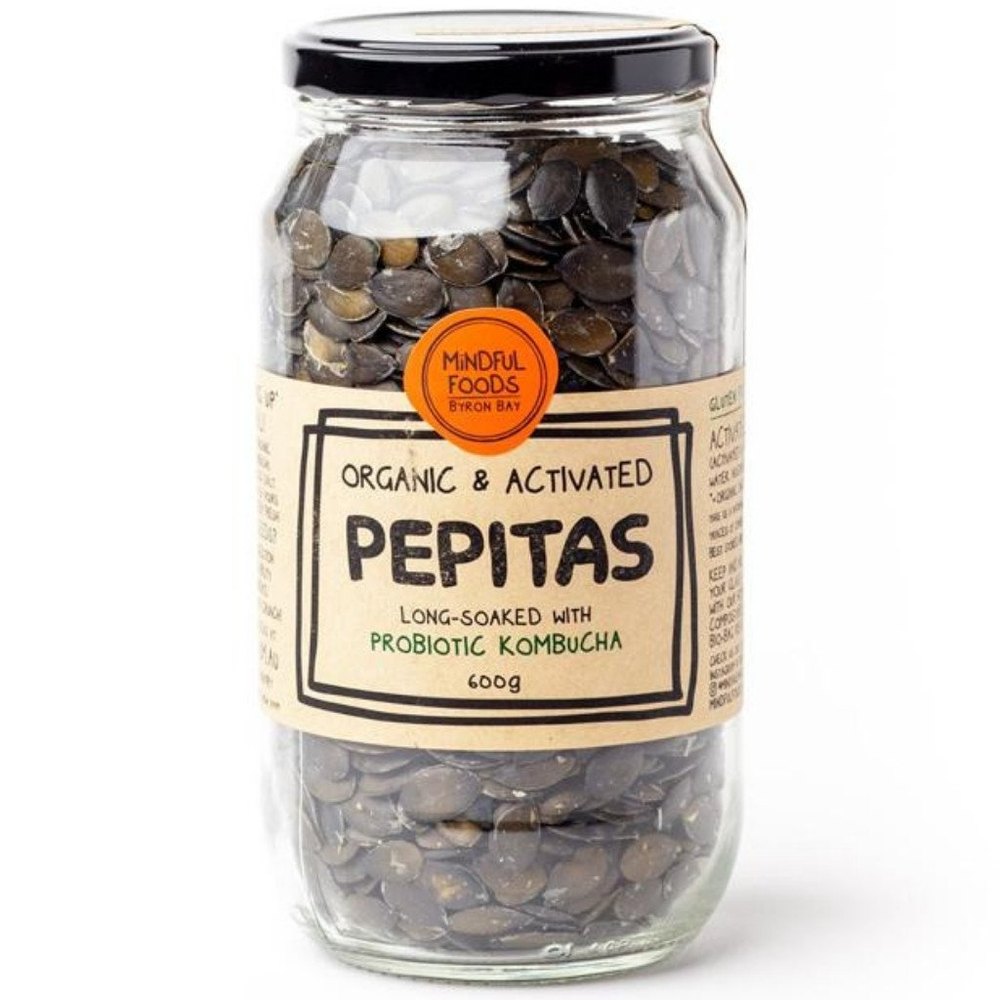
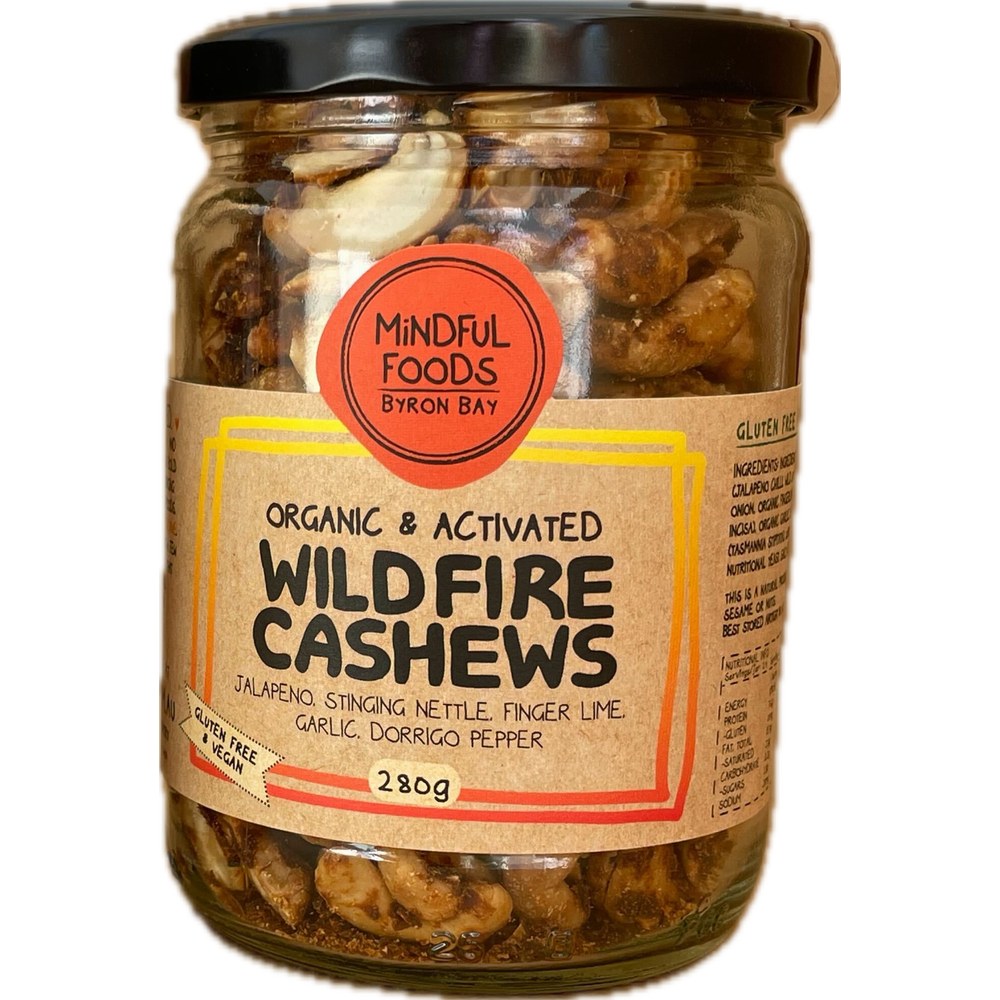
Browse the full Minerals and Immune Health ranges, or pick up activated nuts and seeds in Nuts & Seeds. If you are not sure which form suits you, ask us in store at 936 Anzac Parade, Maroubra.