







Beyond the toothbrush: tongue scraping, flossing and oil pulling, and what each one does
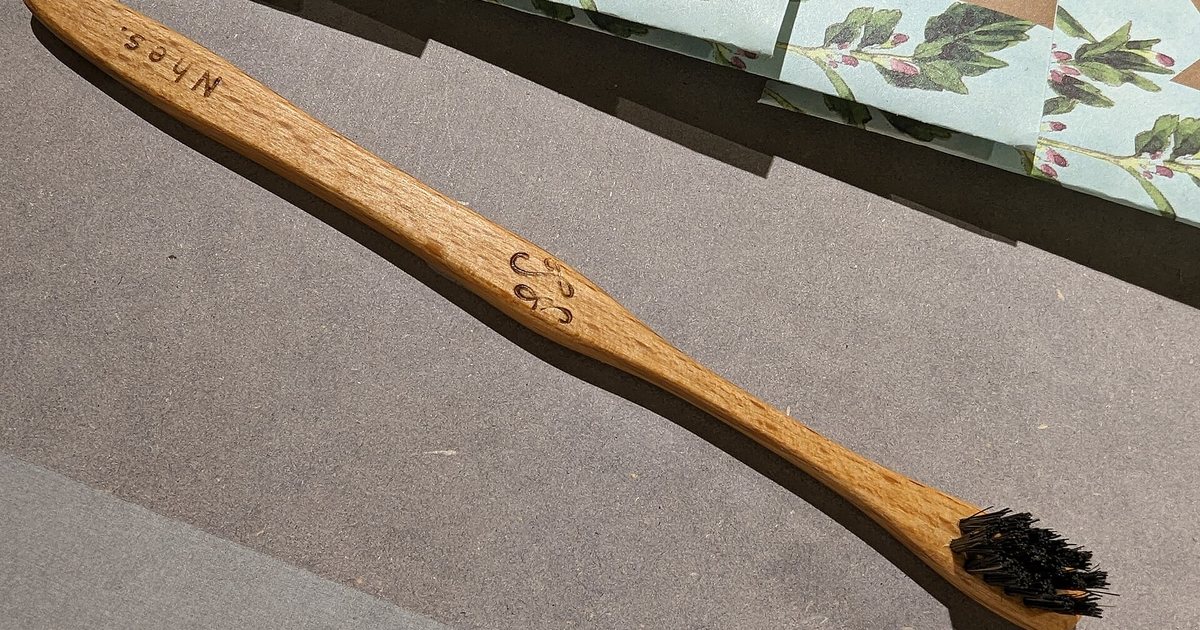
Brushing twice a day cleans the outer surfaces of your teeth well. It leaves out two areas where a lot happens: the gaps between teeth, and the surface of your tongue. Floss and tongue scrapers deal with those, and oil pulling is an old practice that has found a new audience. Here is what each one does, how to do it properly, and how much to expect from it.
Tongue scraping
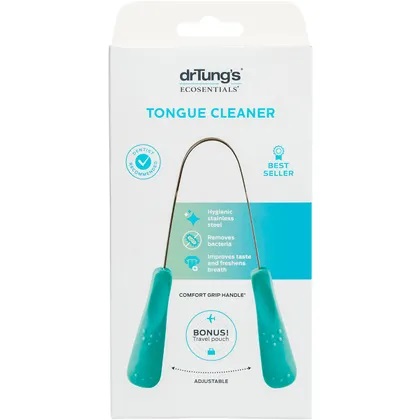
The top of your tongue is covered in tiny ridges that trap bacteria, dead cells and food. That coating, often white or yellowish toward the back, is a major source of morning breath. A tongue scraper lifts it off in a few seconds, and research shows it reduces the coating and the compounds that cause bad breath, at least for a few hours. Some people also find food tastes brighter.
How to do it: in the morning, before or after brushing, stick your tongue out, place the scraper as far back as is comfortable, and draw it forward with gentle pressure. Rinse the scraper and repeat five to ten times. You should never scrape hard enough to hurt. If you have a strong gag reflex, start further forward and breathe through your nose.
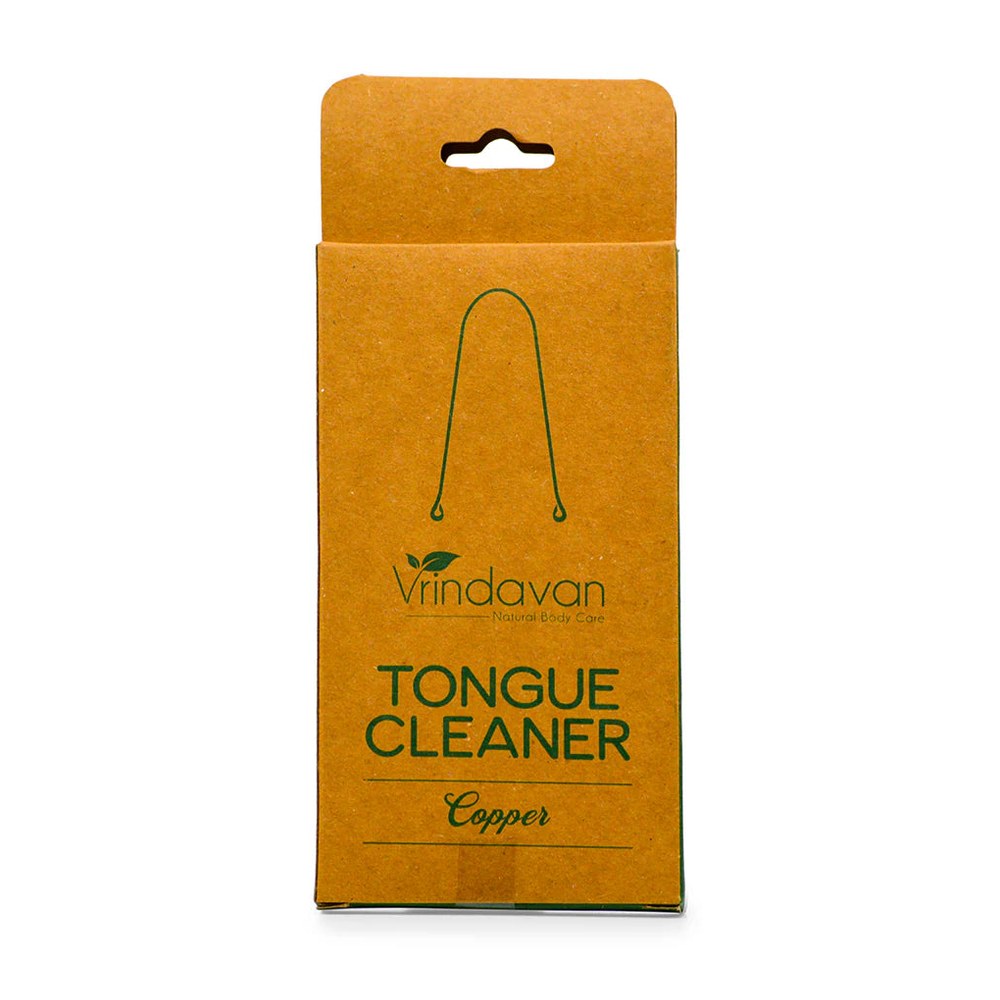
Stainless steel or copper? Both work well and are easy to clean and last for years. Copper is the traditional choice in Ayurveda and darkens over time, which is normal. A toothbrush works in a pinch, but a scraper covers more surface with less gagging.
Flossing
A toothbrush cannot reach between teeth, which is where a lot of decay and gum disease begins. The Australian Dental Association recommends cleaning between your teeth once a day. You may have seen headlines a few years ago saying flossing does not work. What the reviews found was that the studies were small and short, not that flossing is useless, and dentists still recommend it.
How to do it: take about 40 cm of floss and wind most of it round one finger. Slide it gently between two teeth, curve it into a C shape around one tooth and move it up and down, just under the gumline. Then curve it round the neighbouring tooth. Use a fresh section for each gap. Snapping floss down onto the gum is what makes it hurt.
Gums often bleed for the first week or two of regular flossing, then settle as they get healthier. If bleeding carries on beyond that, see your dentist. For wider gaps, braces or bridges, interdental brushes may suit you better than floss.
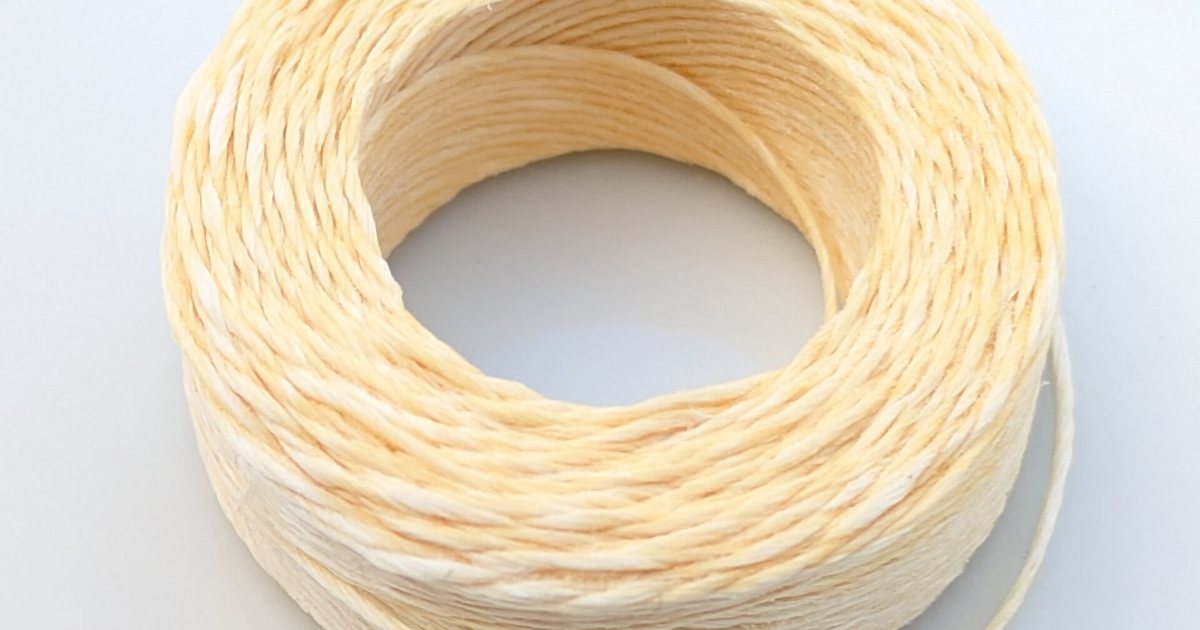
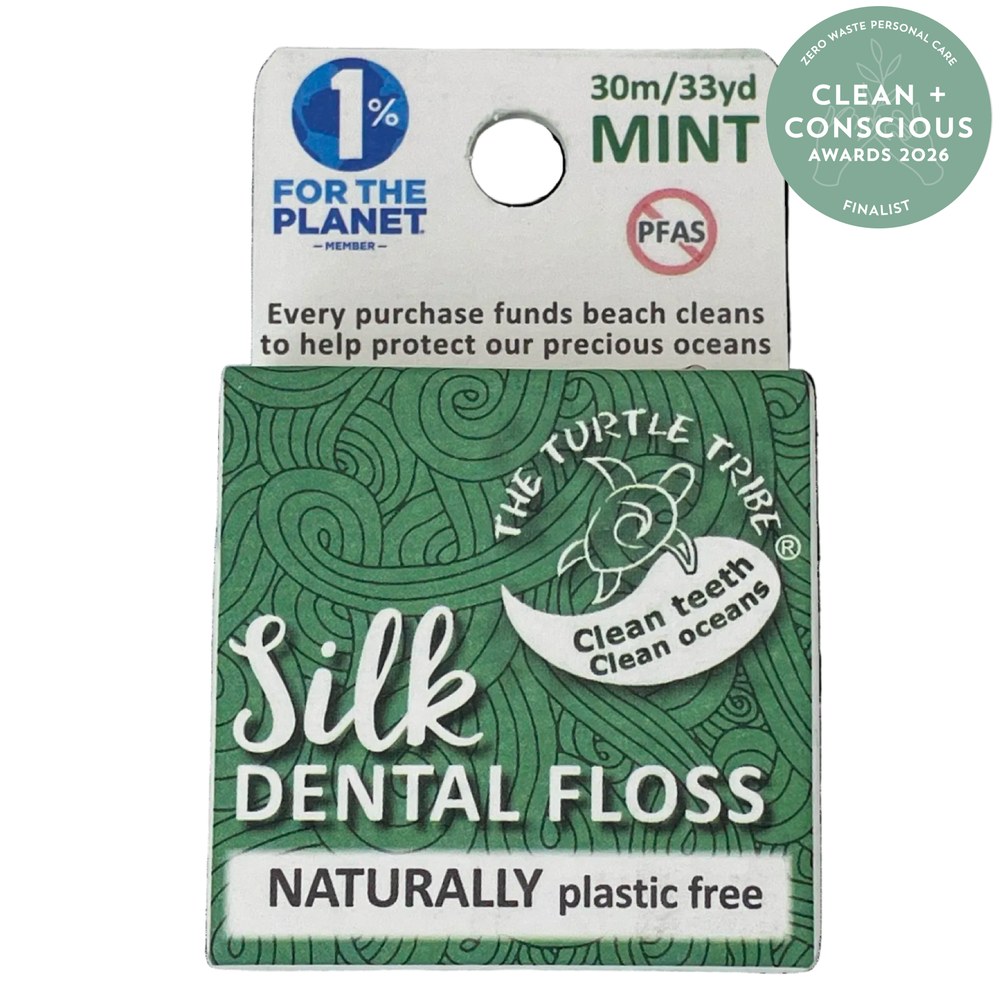
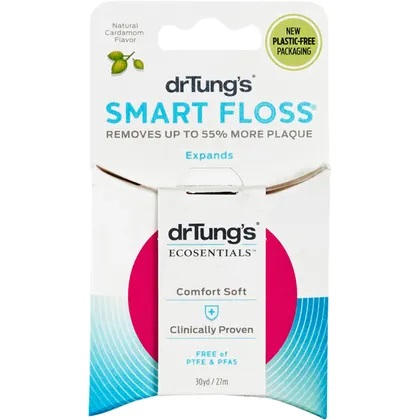
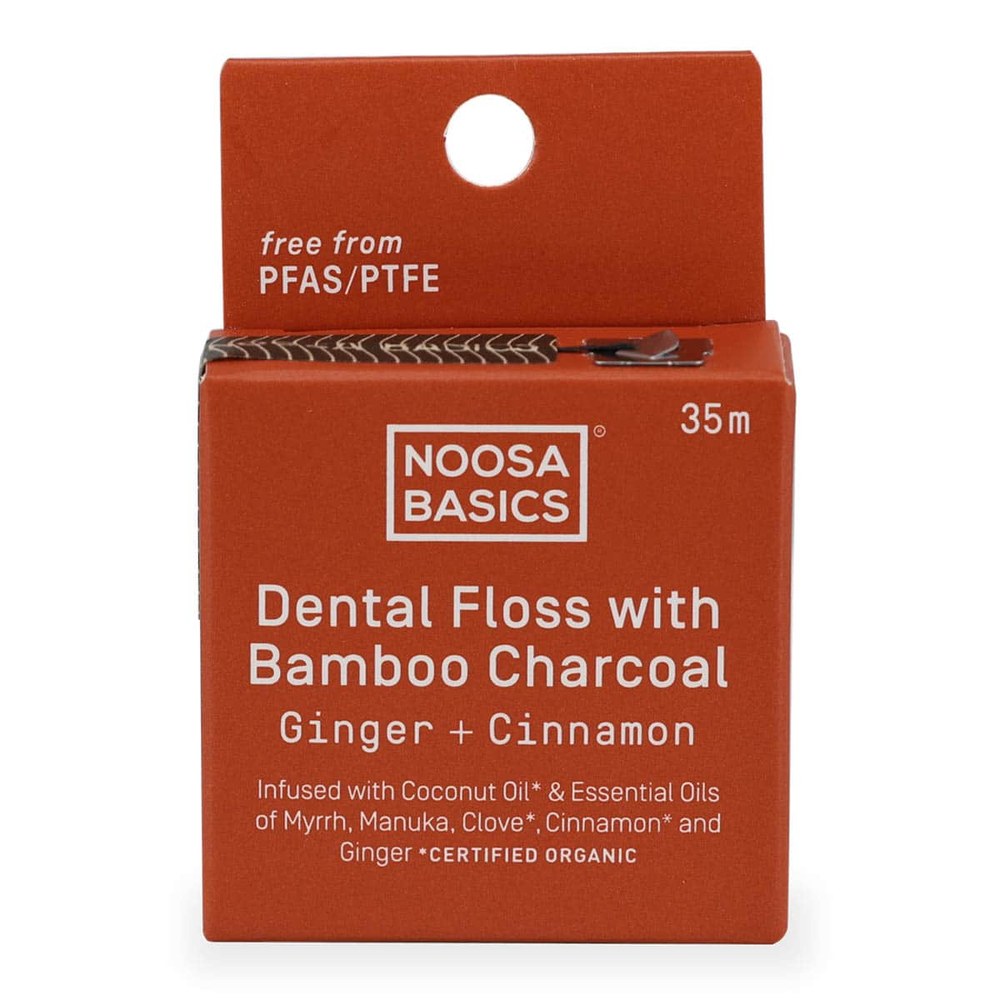
Which floss? Most floss is nylon or PTFE, which is plastic. Silk floss is compostable but not vegan. Thicker, textured floss that expands in use covers more surface on each pass. The best floss is whichever one you will use every day.
Oil pulling
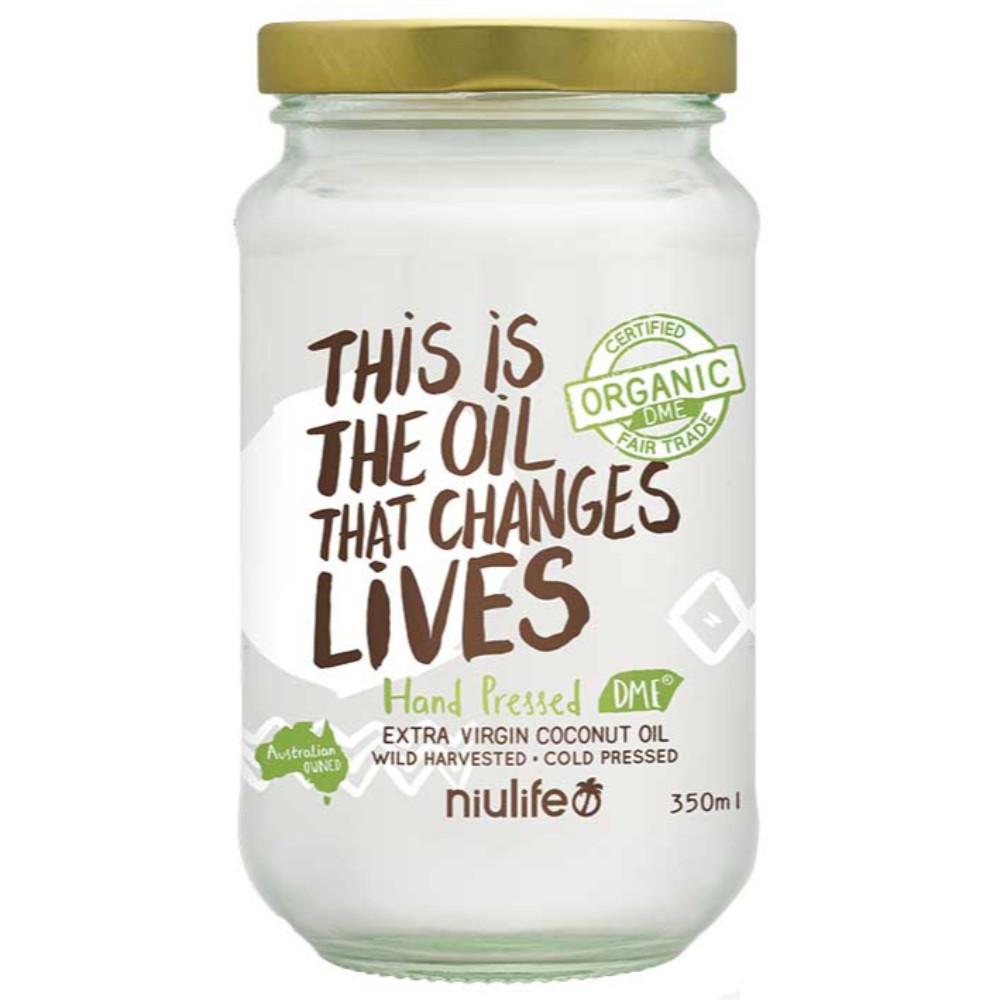
Oil pulling comes from Ayurveda. You swish a spoonful of oil, traditionally sesame and these days often coconut, around your mouth for several minutes, then spit it out. A handful of small studies suggest it may reduce plaque and bacteria and help gum health, but the research is limited, and it does not replace brushing or flossing. Think of it as an optional extra.
How to do it: first thing in the morning, put a teaspoon to a tablespoon of oil in your mouth. Coconut oil is solid below about 24 degrees, so it will melt within seconds. Swish it gently through your teeth for five to twenty minutes; start with five. Do not swallow it, since it is full of what it has picked up. Then brush as usual.
Spit oil in the bin, not the sink. Coconut oil sets as it cools and can block pipes over time. Spit it into a tissue or the bin. Oil pulling is not suitable for young children, who may swallow or inhale the oil.
Mouthwash
Mouthwash freshens breath and can help reach places a brush misses, but it is a finishing touch rather than a cleaning step. If your mouth gets dry, an alcohol free rinse is gentler. Use it at a different time from brushing, because rinsing straight after brushing washes away the fluoride from your toothpaste. Our natural toothpaste guide covers the fluoride question in more detail.
What you eat and drink matters too
How often you have sugar matters more than how much at once, because every snack starts a fresh acid attack on your teeth. Sipping a sweet drink, a kombucha or a juice over an hour is harder on enamel than having it with a meal. Acidic drinks are the other issue: after one, rinse with water and wait about half an hour before brushing, so you are not scrubbing softened enamel. Tap water with fluoride, crunchy vegetables, cheese and sugar free gum with xylitol all help keep your mouth in good shape between meals.
A simple routine
- Morning: scrape your tongue, oil pull if you like it, then brush for two minutes. Spit, do not rinse.
- Night: floss, then brush. Nothing to eat or drink but water afterwards.
- Every six to twelve months: a dental check up and clean.
Persistent bad breath that does not improve with good cleaning can come from gum disease, a dry mouth, sinus trouble or reflux, so it is worth raising with your dentist or GP.
Oral care on our shelves
See the full Dental Care range, including bamboo toothbrushes and natural toothpaste, or ask us in store.