







Muesli or granola? How to read a breakfast cereal box in under a minute
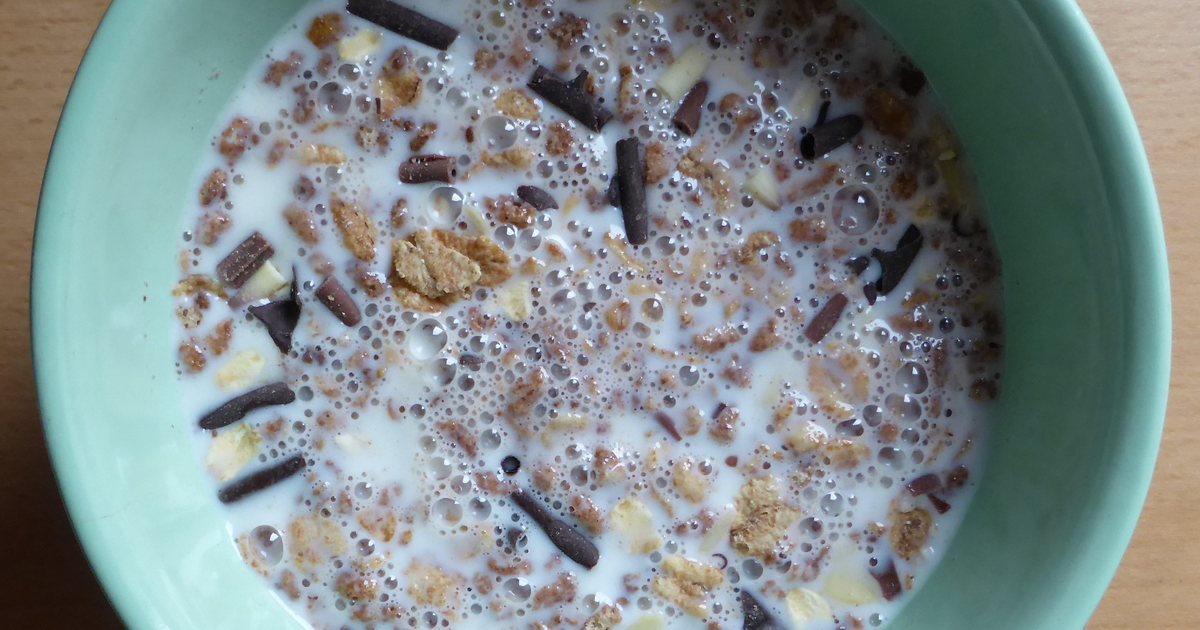
The cereal aisle is full of words that sound healthy: wholefood, ancient grains, no refined sugar, high protein, keto. Some of these products make a good everyday breakfast, and some sit closer to a biscuit. The difference is printed on the side of every box, and once you know where to look, comparing two packs takes less than a minute.
Muesli, toasted muesli and granola
The names are used loosely, but they usually mean this:
- Natural or Swiss muesli is raw: rolled grains, nuts, seeds and dried fruit, mixed and bagged. Nothing is baked, so there is usually no added oil, and any sugar comes mainly from the fruit. It is the base for bircher muesli.
- Toasted muesli is baked with oil and a sweetener such as honey or syrup to make it crunchy. That adds flavour, and also fat, sugar and energy.
- Granola is toasted muesli taken further, often with more sweetener so it forms clusters. Most granola is a toasted muesli by another name.
- Paleo, keto and low carb blends drop the grains and use nuts, seeds and coconut. They are low in sugar and carbohydrate, but high in fat and energy, so a serve is smaller than it looks.
Step 1: compare per 100 grams, not per serve
Every packaged food in Australia has a nutrition information panel with two columns, per serve and per 100 grams. Brands choose their own serve size, and in the cereal aisle they range from 30 grams to 60 grams, which makes the per serve column useless for comparison. Use the per 100 gram column for comparing products, then look at the serve size to see how much you would eat.
Step 2: sugar
The sugars line includes natural sugar from dried fruit as well as added sugar, so a natural muesli with sultanas will show some. As a rough guide, under 15 grams of sugar per 100 grams is a reasonable everyday cereal, and under 10 grams is low for a fruit muesli. A product labelled low sugar must have no more than 5 grams per 100 grams.
Then read the ingredient list, which is always in order of weight, heaviest first. Sugar goes by many names: honey, maple syrup, rice malt syrup, coconut sugar, rapadura, agave, date syrup, fruit juice concentrate and glucose. They are all sugar to your body, and No Refined Sugar on the front can still mean several of them inside. Dried cranberries are almost always sweetened, so check for sugar in brackets after them. Our sugar alternatives guide explains which sweeteners behave differently.
The one minute check. Turn the pack over. Per 100 grams: sugar under 15 grams, fibre over 7 grams. Ingredients: grains, nuts or seeds first, and no more than one or two sweeteners. If a box passes all three, it is a sound everyday breakfast.
Step 3: fibre
Fibre is where a good muesli earns its place. Oats, barley, bran, psyllium, chia and flaxseed all push the number up. In the per 100 gram column, 7 grams or more is a good result. On the front of the pack, Source of Fibre means at least 2 grams per serve, Good Source means 4 grams, and Excellent Source means 7 grams. If you are working toward more fibre in your day, our fibre guide covers how to build up without the bloat.
Step 4: fat and the type of oil
Nuts and seeds bring healthy fats, so a muesli with plenty of them will show a higher fat number, and that is fine. With toasted products, look at which oil is used. Olive oil, coconut oil and macadamia oil are common choices in the health food aisle. Saturated fat over about 5 grams per 100 grams usually means a lot of coconut, which is worth knowing if you are watching saturated fat.
Gluten free muesli
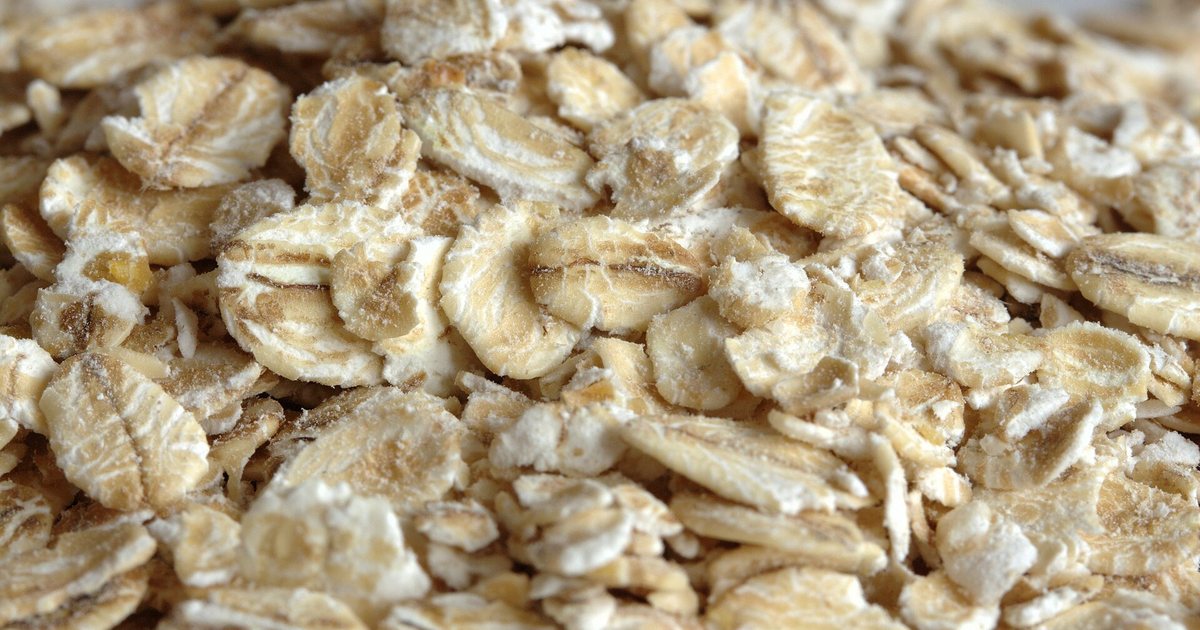
Oats contain avenin, a protein similar to gluten, and in Australia oats cannot be labelled gluten free. Gluten free muesli is therefore usually made from rice, buckwheat, quinoa, millet, amaranth and nuts instead. Uncontaminated oats are grown and processed away from wheat and are tolerated by some people with coeliac disease, but not all, so talk to your doctor or dietitian before trying them. Our gluten free shopping guide has the details.
Making the most of the box
- Use granola as a topping. A tablespoon or two over plain yoghurt and fruit gives you the crunch without a full bowl of sweetened clusters.
- Mix your own. Combine a natural muesli with plain rolled oats to stretch it and lower the sugar per bowl.
- Add protein. Greek or coconut yoghurt, a scoop of nut butter, or a handful of seeds keeps you fuller through the morning.
- Measure once. Weigh out a serve the first time you open a new pack. Most people are surprised at how small 45 grams of granola looks.
Overnight bircher, four ingredients
Stir half a cup of natural muesli or rolled oats with half a cup of milk or plant milk and a quarter cup of yoghurt. Grate in half an apple, cover, and leave it in the fridge overnight. In the morning, loosen it with a splash of milk and top with fresh fruit and a few nuts. It keeps for two days, so you can make a double batch.
Muesli and granola picks from our shelves
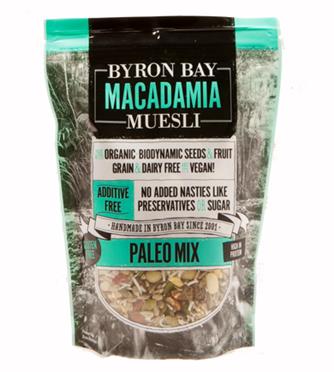
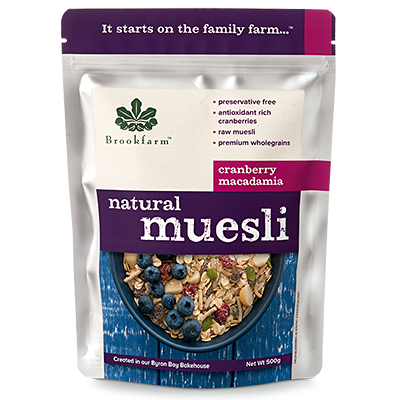
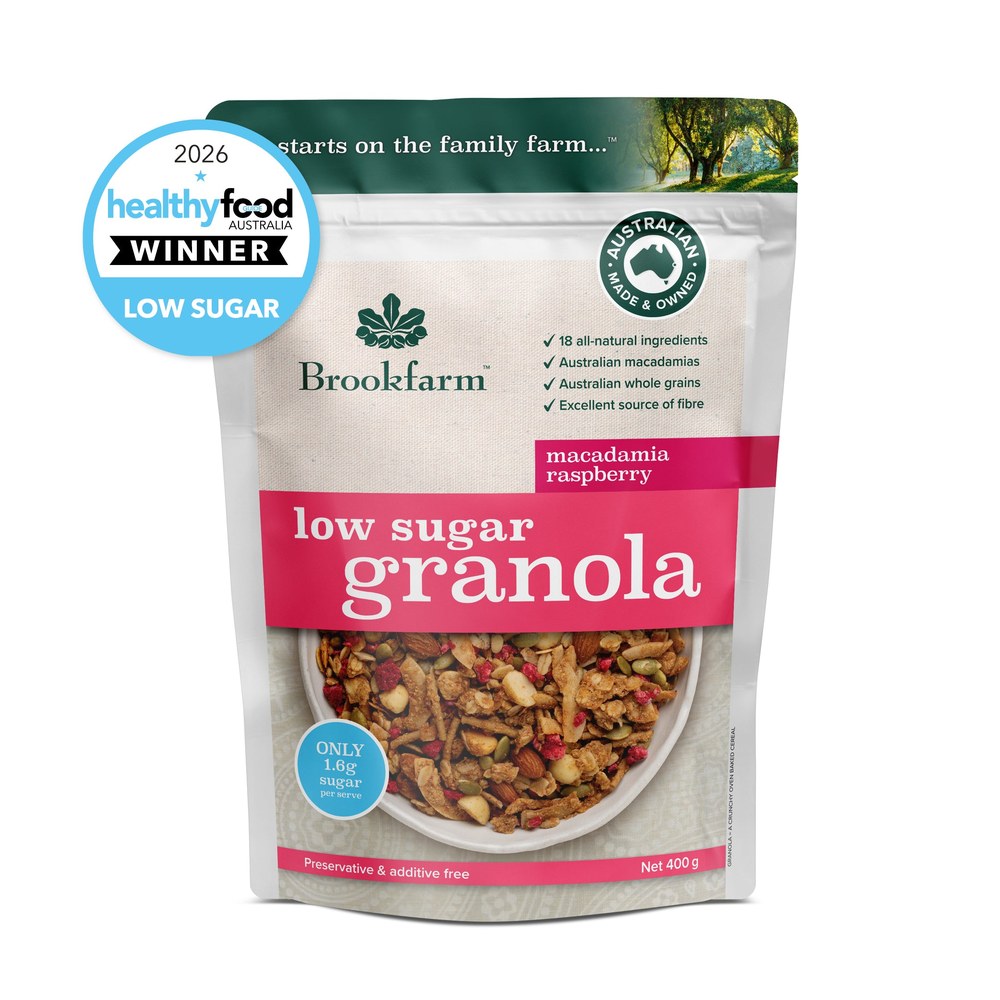
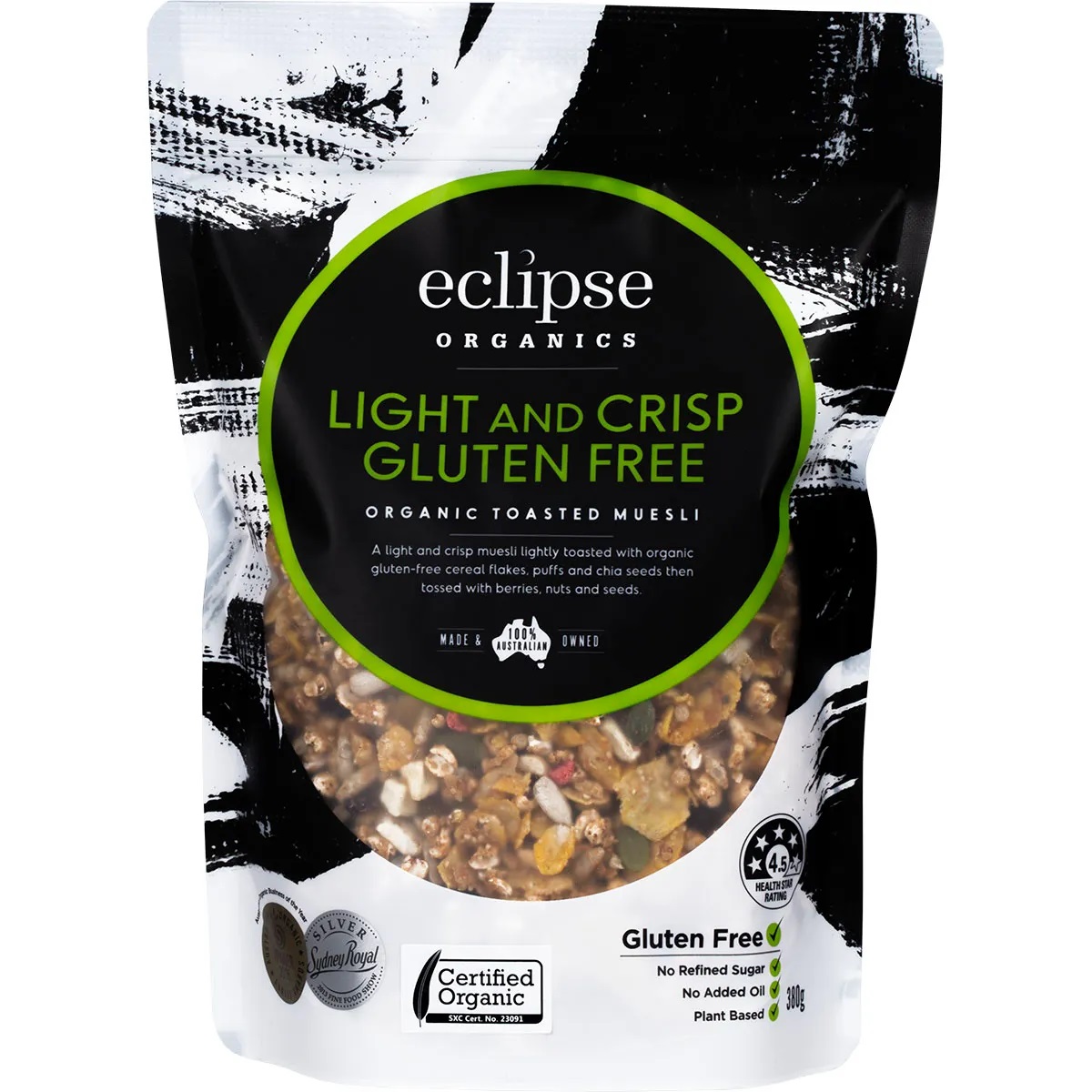
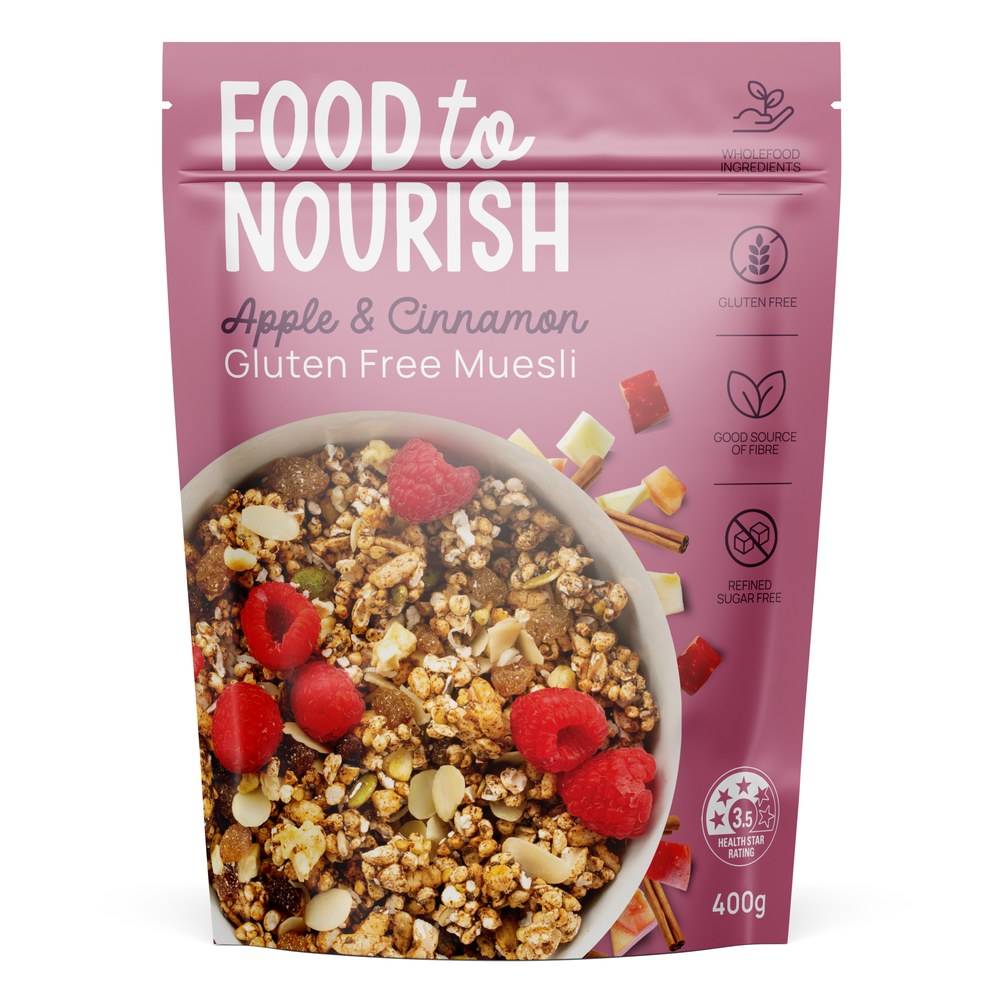
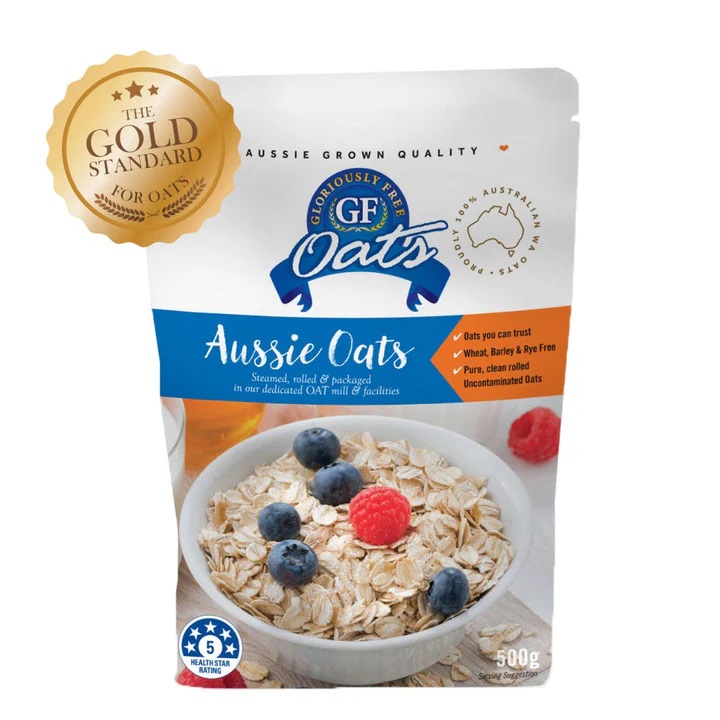
Browse the full range in Cereal and Muesli. Nutrition panels change from time to time, so check the pack in your hand.