Of all the health trends to come out of social media, fibremaxxing is one of the few we are happy to see. The idea is simple: eat a lot more fibre than you do now. Most of us should. The catch is that people go from 15 grams a day to 50 overnight, feel like a balloon by Wednesday and give up. This is the slower version that sticks.
How much you need
Australian guidelines set an adequate intake of 25g a day for women and 30g for men, and suggest closer to 28g and 38g respectively to lower the risk of chronic disease. Most Australians eat well under the first figure. That gap matters, because higher fibre diets are linked in large studies with lower rates of bowel cancer, heart disease and type 2 diabetes, and with better weight control. Fibre is also the main food for the bacteria in your large bowel, which turn it into short chain fatty acids that help keep the gut lining healthy.
Not all fibre does the same job
Soluble fibre dissolves into a gel. Oats, chia, flaxseed, psyllium, legumes and the flesh of apples and citrus are good sources. It slows digestion, helps keep you full and helps bring down LDL cholesterol.
Insoluble fibre stays mostly intact and adds bulk. Think wholegrains, bran, nuts and the skins of fruit and vegetables. It is what keeps you regular.
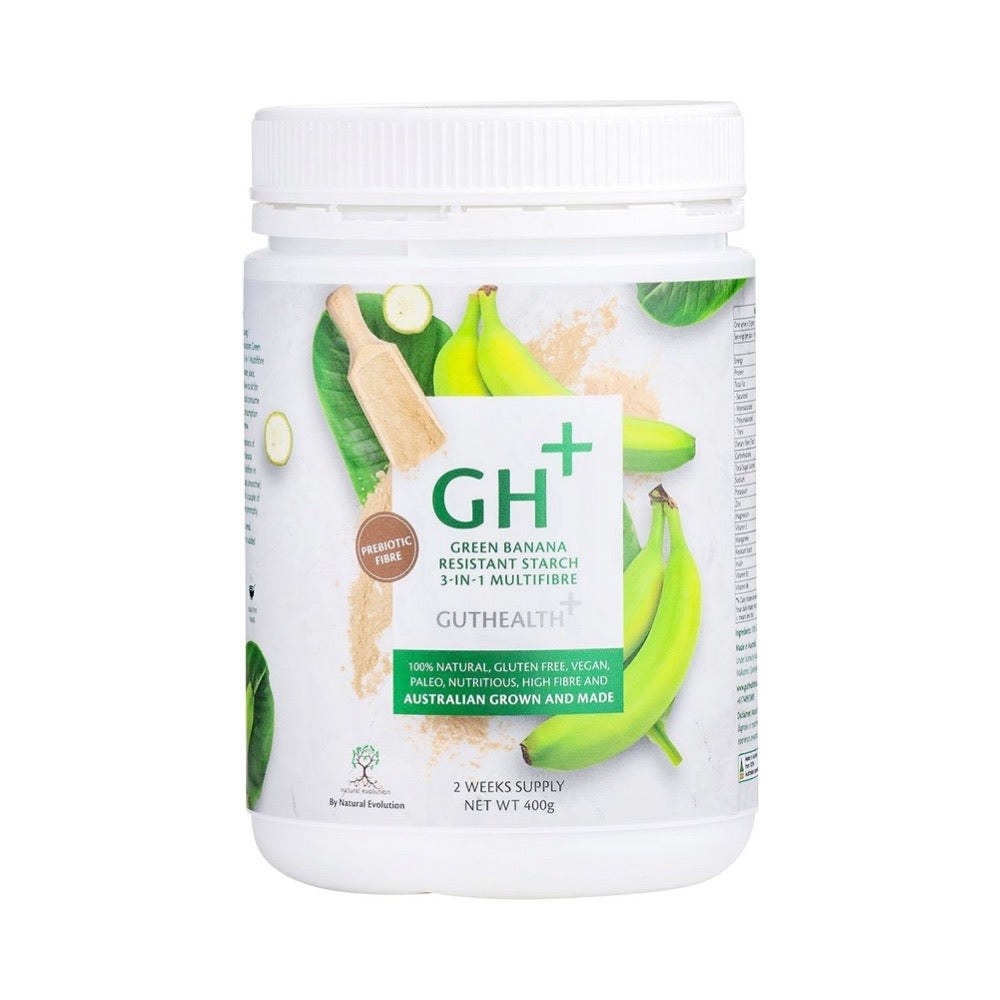
Resistant starch escapes digestion in the small intestine and gets fermented further down. Green banana flour, legumes, and rice or potatoes that have been cooked and then cooled are the easy sources. It is one of the better foods for gut bacteria that make butyrate.
You want some of each, which is the best argument for getting most of it from food rather than a single powder.
Where 30 grams comes from
Thirty grams sounds like a lot until you add it up. A day that gets there without trying too hard might look like this:
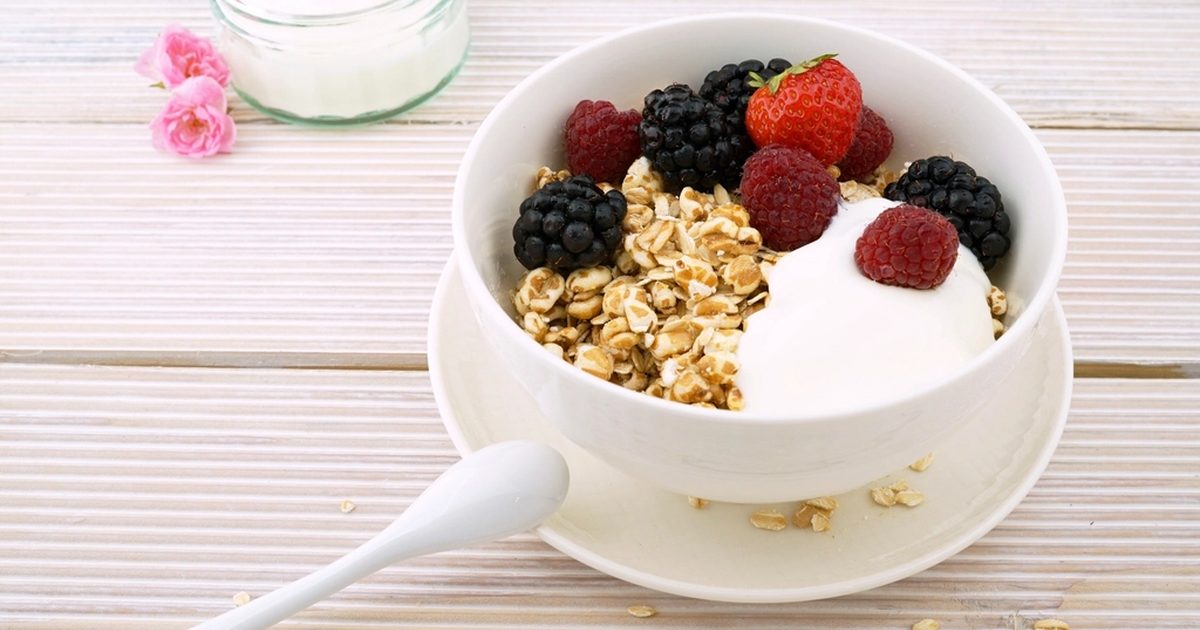
- Rolled oats with a tablespoon of chia and a pear: around 11g
- A wholegrain wrap with hummus and salad: around 7g
- An apple and a small handful of almonds: around 6g
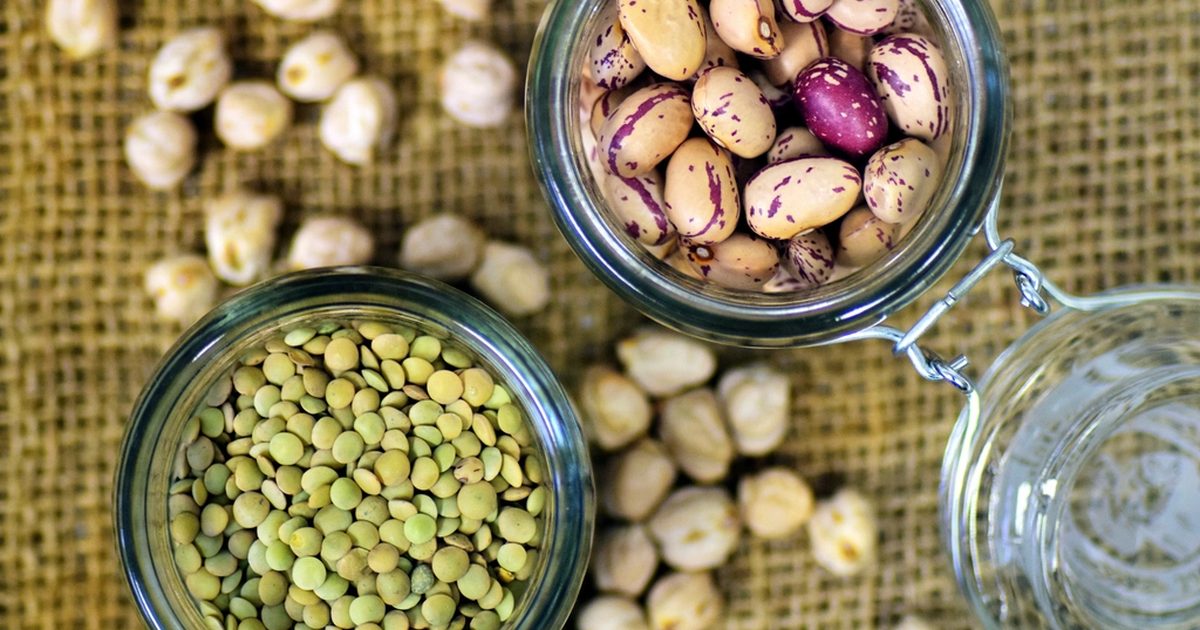
- A cup of cooked lentils or chickpeas in dinner: around 8g
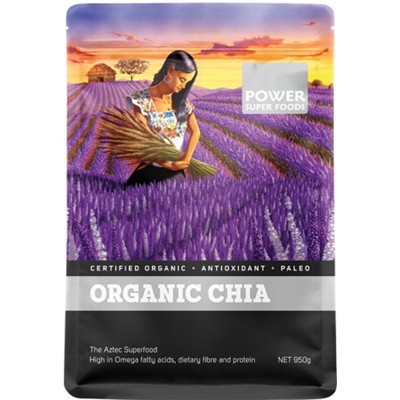
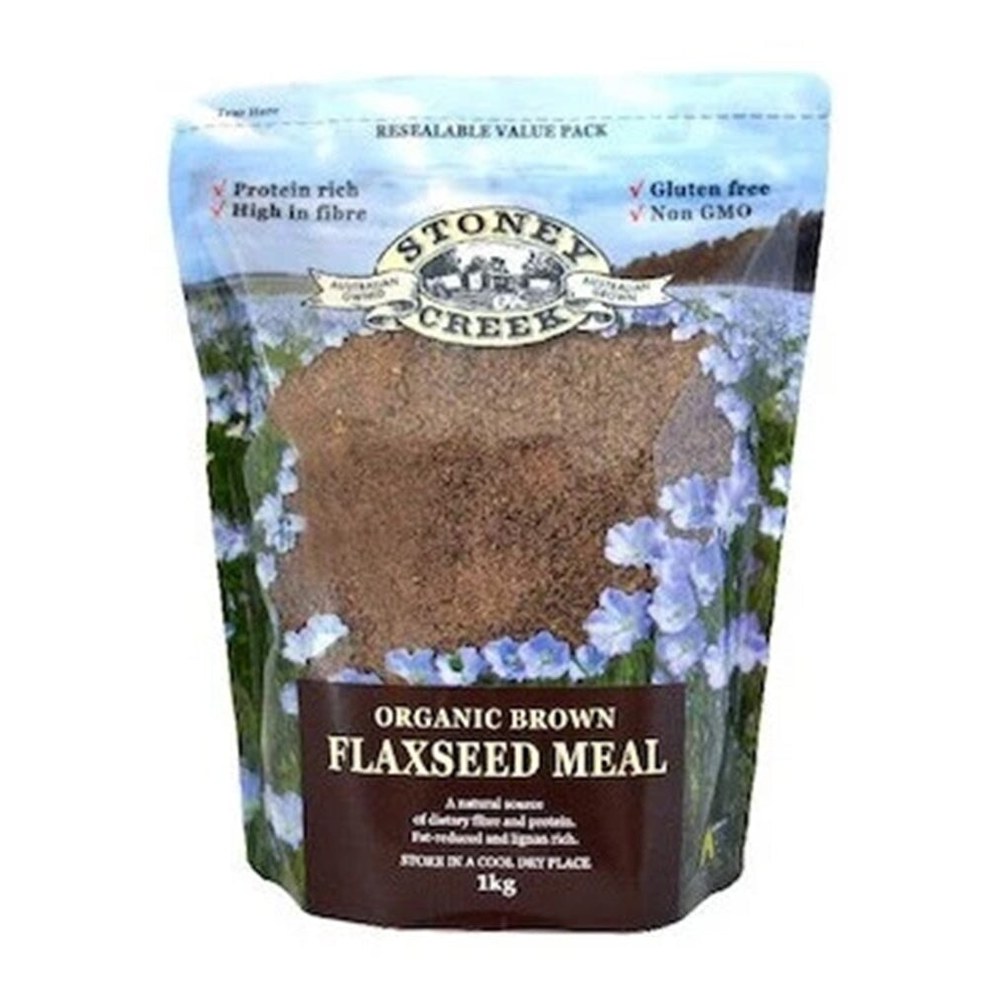
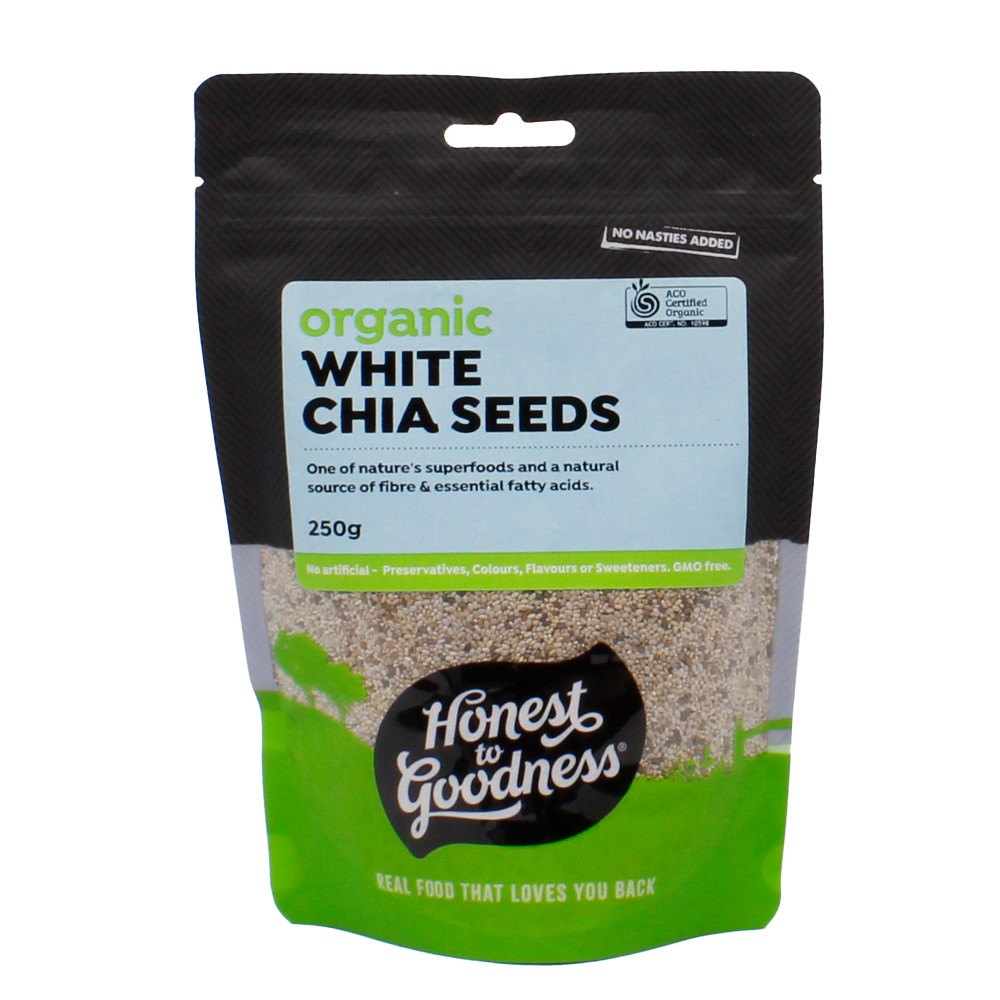
Seeds are the cheapest shortcut. Two tablespoons of chia carry about 7g of fibre, and a tablespoon of flaxseed meal adds another 2 to 3g. Both disappear into porridge, yoghurt, smoothies and baking. Buy flax already ground, or grind it yourself, because whole flaxseed tends to pass straight through.
Small swaps that add up
You do not need special products to eat more fibre. Most of it comes from changing a few habits you already have:
- Leave the skins on potatoes, carrots, apples and pears
- Stir a tin of lentils or black beans into mince for bolognese, tacos or curry
- Swap half the white rice for brown rice, barley or quinoa
- Keep a jar of mixed seeds on the bench and scatter them on everything
- Snack on popcorn, roasted chickpeas or fruit instead of crackers
- Cook rice or potatoes ahead, chill them overnight, then reheat for a resistant starch boost
Variety counts as much as volume. Researchers who study the gut microbiome often suggest aiming for around 30 different plant foods a week, and herbs, spices, nuts and seeds all count towards it.
Children need fibre too, just less of it. The Australian targets are about 14g a day for toddlers, 18g for four to eight year olds, and 20 to 24g for older primary kids. Wholegrain bread, fruit with the skin on, popcorn and a few beans hidden in the dinner usually get them there without a fight.
Build up slowly
Bloating and wind when you add fibre are normal, and usually short lived, as long as you go gradually. A few rules that help:
- Add about 5g a day each week rather than doubling overnight
- Drink more water as you go, especially with chia and psyllium
- Spread it across meals instead of one giant bowl
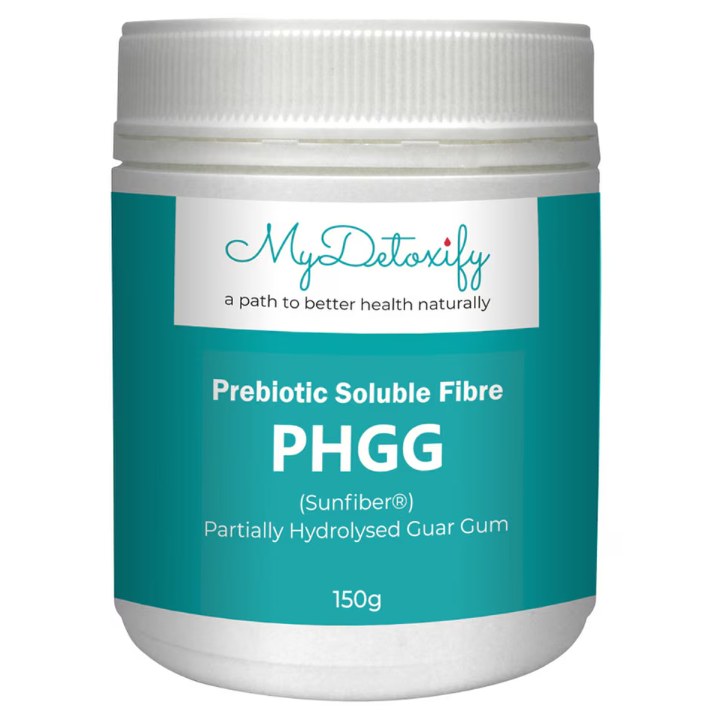
- If you have IBS, be careful with inulin and chicory root, which are high FODMAP and a common trigger. Partially hydrolysed guar gum (PHGG) tends to be much gentler
When a supplement makes sense
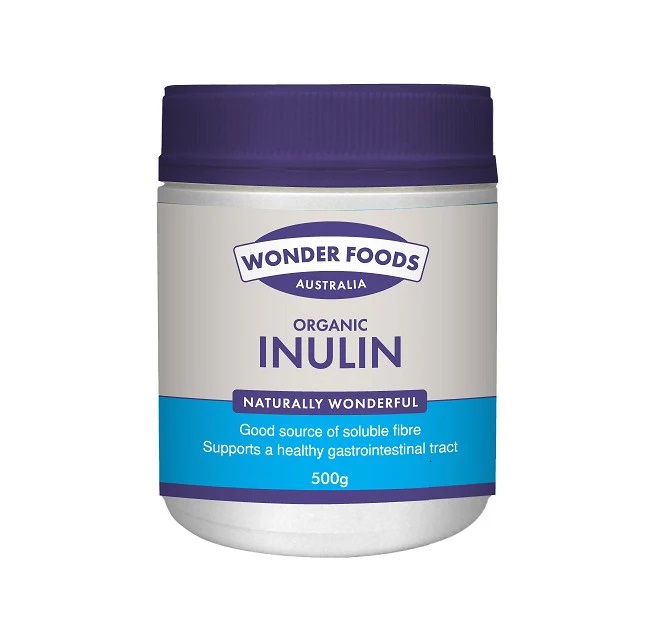
Food comes first, but a fibre powder is useful when your diet is limited, you are travelling, or you want a measured daily dose. PHGG dissolves into almost anything with no taste or texture. Inulin is a strong prebiotic if your gut tolerates it. Psyllium husk is the classic for regularity, and green banana flour is an easy way to add resistant starch to a smoothie. Start with half the suggested serve. For more on looking after the gut itself, see our guide to gut health without the hype.
Take fibre supplements at least two hours apart from medication, as they can slow absorption. Always mix them with plenty of water. If you have a sudden change in bowel habits, blood in your stool or unexplained weight loss, see your GP rather than reaching for more fibre.
What we keep on the shelf
Chia and flax are where we would start for most people, with a powder added if you need one. More options sit under Gut Health and Nuts and Seeds. Come and see us at 936 Anzac Parade, Maroubra.




 Coco's guideCeremonial cacao, cacao powder or cocoa?Which one to buy, and how to make a proper cup.Read the guide


 Coco's guideNatural deodorant that actually worksHow to survive the switch, and what to try first.Read the guide


 Coco's guideLow tox cleaning: five swaps to make firstRefills, castile and soapberries that really work.Read the guide


 Coco's guideHow to choose a natural sunscreenMineral or chemical, and one you will actually wear.Read the guide


 Baking & Raw Un-Baking
 Grains & Legumes
 Noodles, Pasta & Rice
 Herbs, Spices & Salts
 Oils
Oils Vinegars & Dressings
 Sauces & Marinades
 Condiments
 Sugars & Sweeteners
 Canned Goods
 Ready Made Mixes
 Bone Broth & Stock
 Snacks
 Bars
Bars Chips
Chips Fruit & Nuts
 Biscuits
 Crackers & Crispbreads
 Confectionery
 Cacao & Carob
 Dried Fruit
 Nuts & Seeds
 Chewing Gum & Lozenges