



Packing a summer first aid kit: the basics, the natural extras and the bluebottle rule
Summer holidays in Australia come with their own small injuries: sunburnt shoulders, mozzie bites, a grazed knee from the rock pool, a bluebottle at the beach, a stubbed toe on the camping trip. A well packed kit means you can deal with the little things calmly and get back to the holiday. This guide covers the basics every kit needs, the natural extras we like to add, and the first aid steps worth knowing before you leave home.
The basics, from the pharmacy
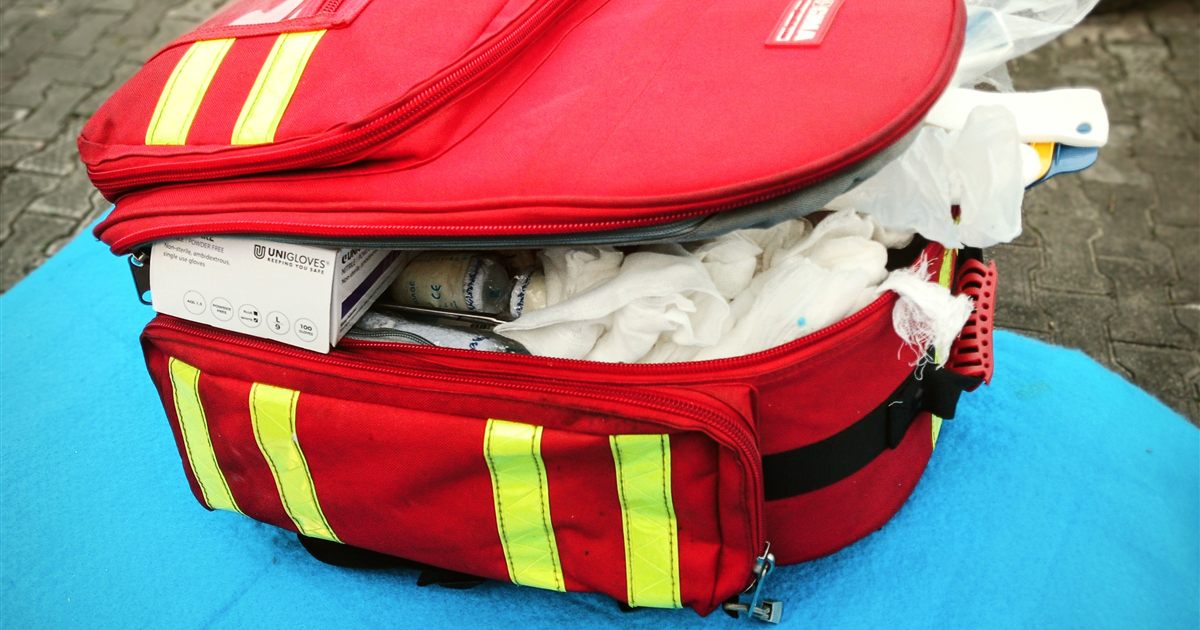
Natural products are lovely for soothing and comfort, but they do not replace a proper first aid kit. Start with these, which you can buy as a ready made kit or put together yourself:
- plasters in a few sizes, and blister plasters for new sandals
- sterile gauze pads, non-stick dressings and tape
- at least one wide crepe or elastic bandage (two if you are bushwalking, for snake bite first aid)
- sterile saline tubes for rinsing eyes and cleaning wounds
- tweezers, small scissors and disposable gloves
- a cold pack and a thermometer
- any regular medicines, plus paracetamol or ibuprofen suitable for each family member
- a card with emergency numbers, allergies and any medical conditions
The natural extras we add
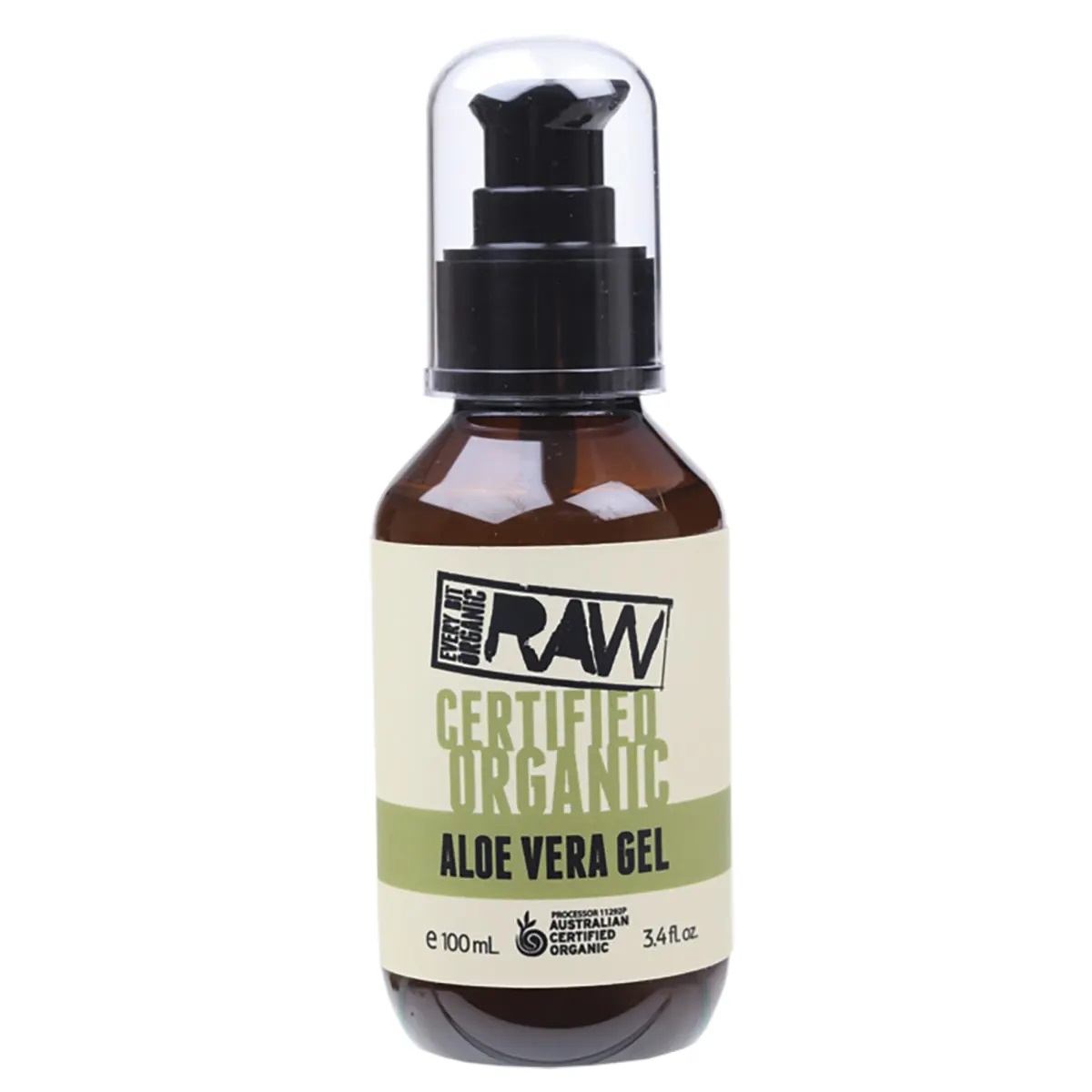
- Aloe vera gel for sunburn and heat rash. Keep it in the fridge or the esky for extra cooling. Our guide to after-sun care explains when sunburn needs a doctor.
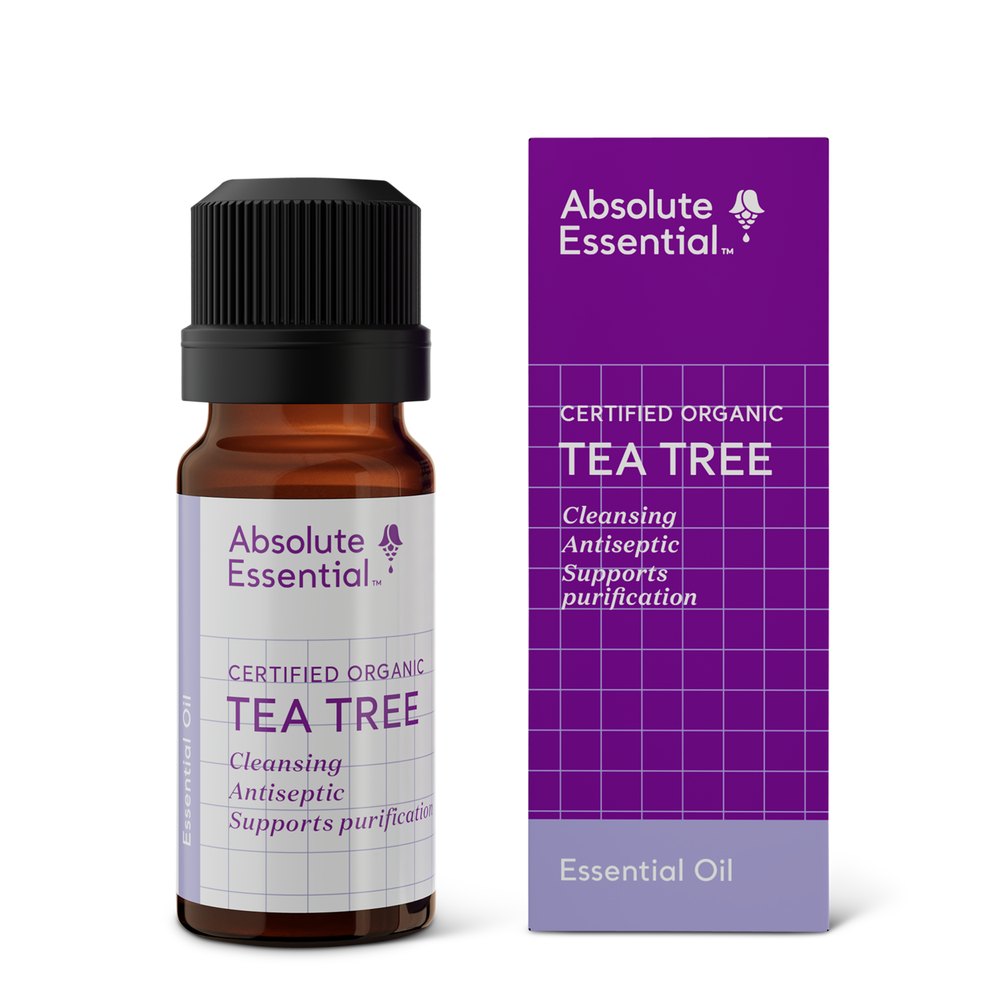
- Tea tree oil for minor cuts, grazes and bites once they are cleaned. It has well studied antiseptic properties, but always dilute it in a carrier oil or cream, patch test first, and keep the bottle well away from children and pets: tea tree oil is poisonous if swallowed.
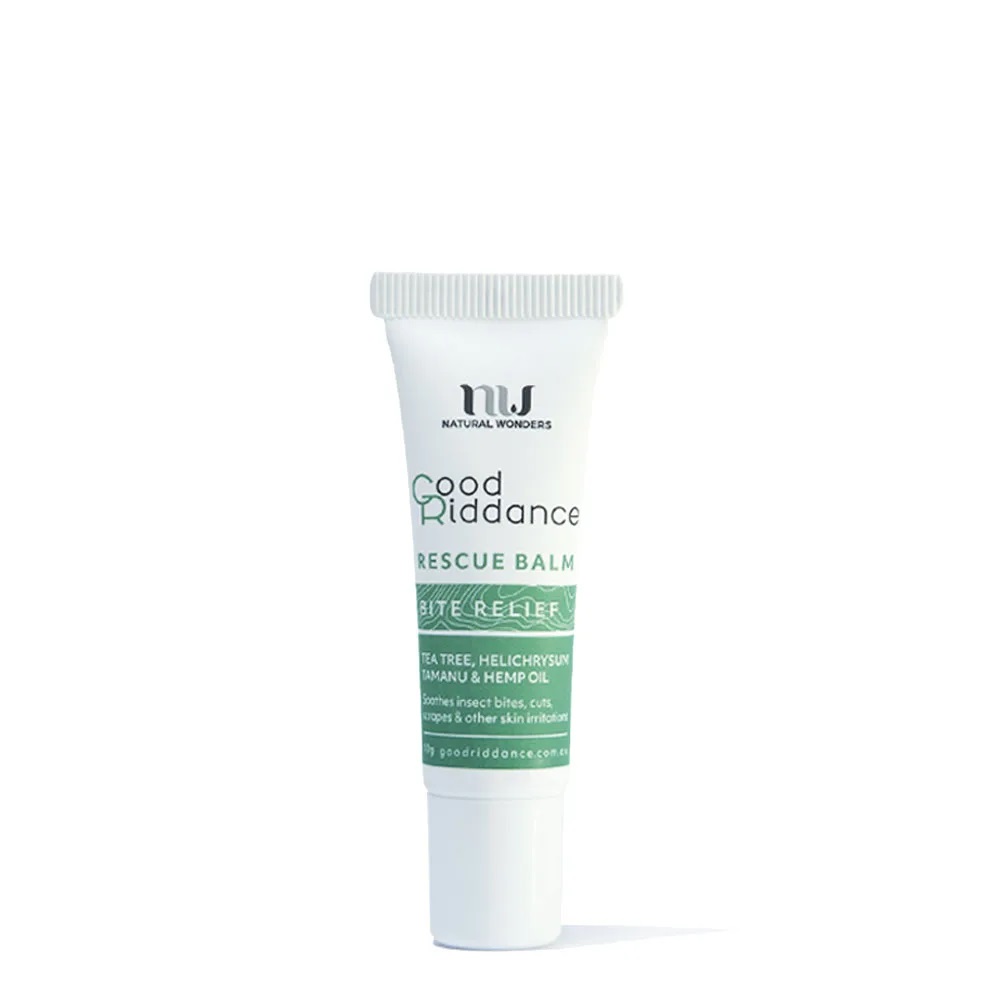
- A bite and itch balm for mozzie, sandfly and ant bites, so the kids scratch less. Prevention is better still, and our natural insect repellent guide covers what works.
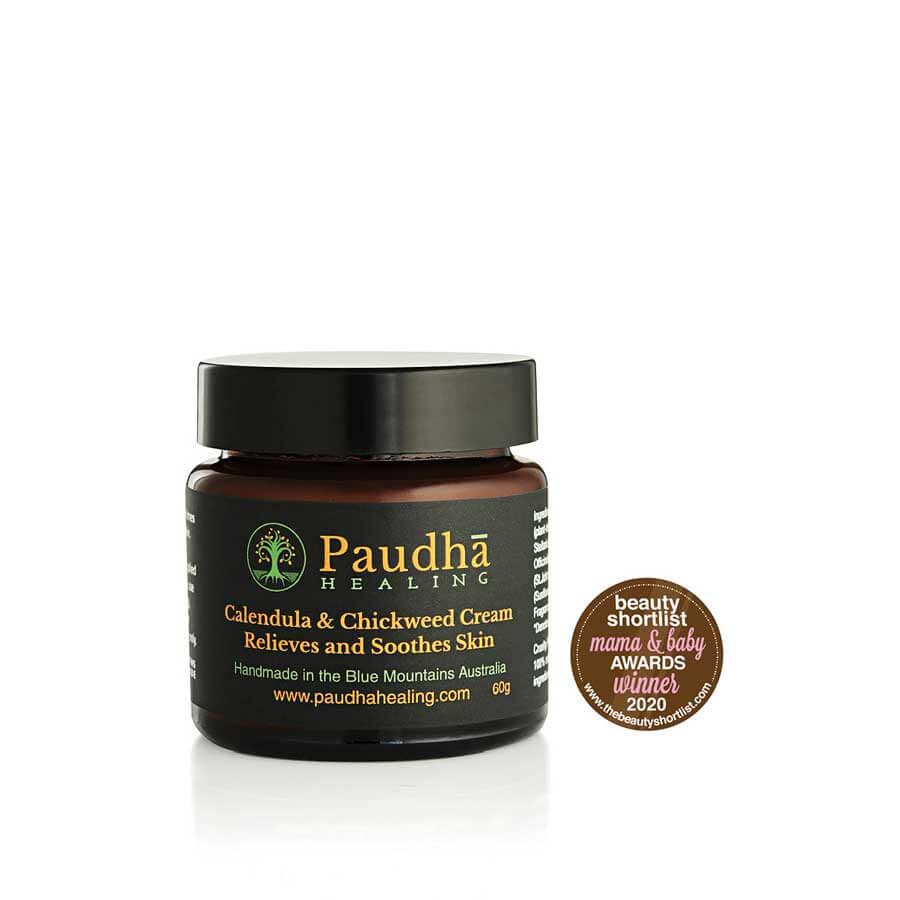
- Calendula cream for chafing, dry skin, mild rashes and small scrapes that are already healing.
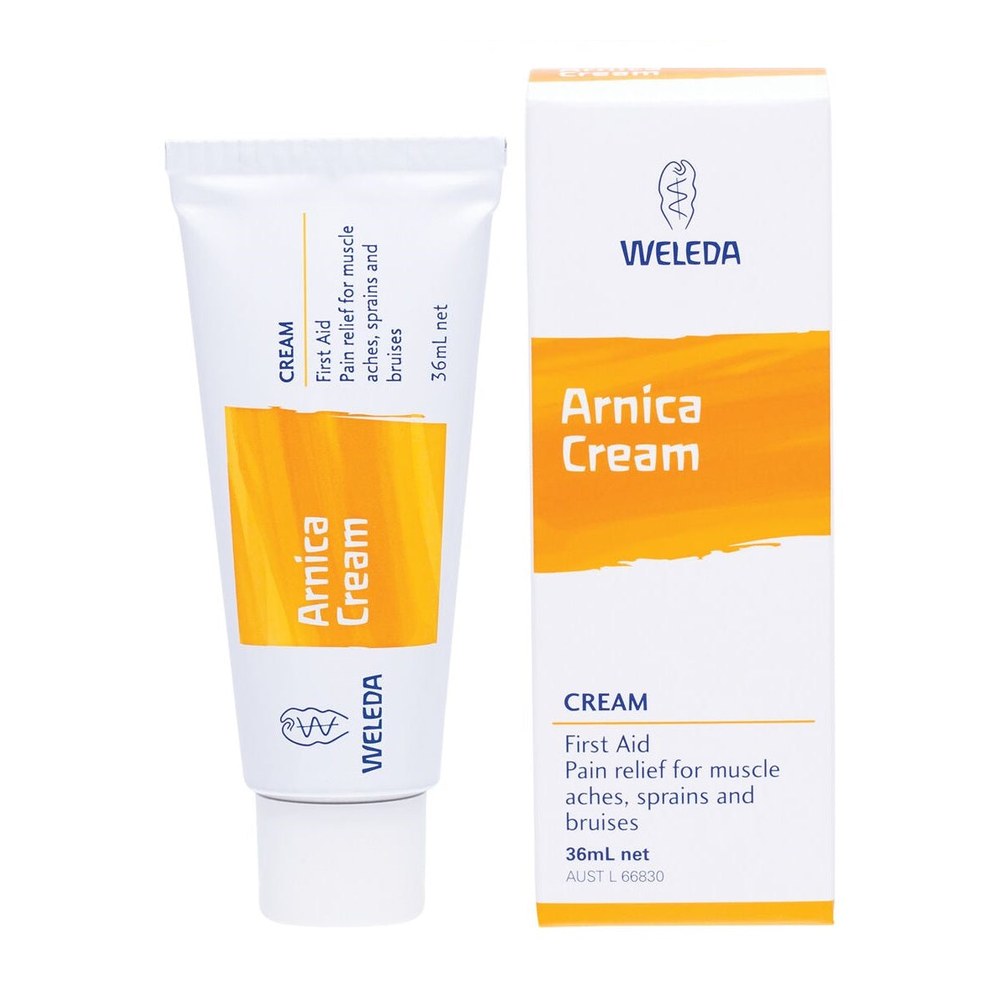
- Arnica cream for bumps and bruises. Use it on unbroken skin only.
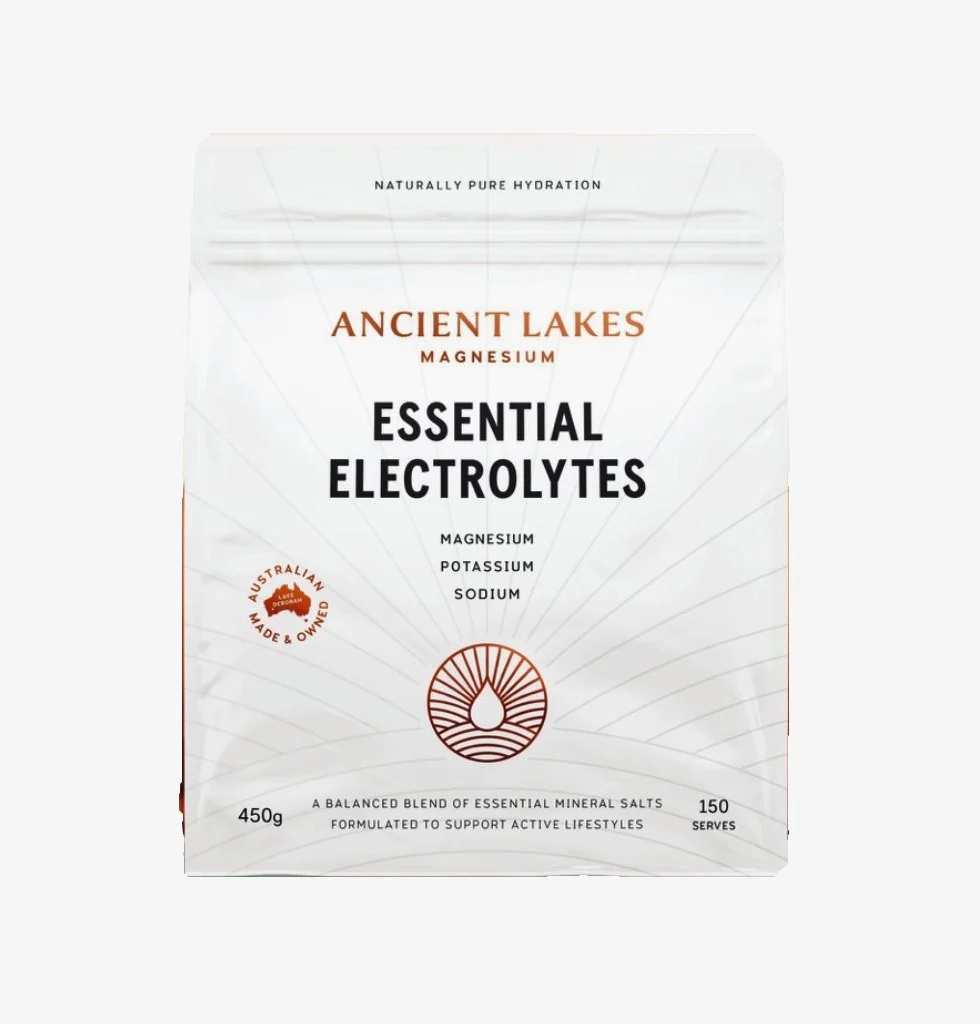
- Electrolytes for hot days, long drives, and the stomach bug that seems to arrive with every holiday. See do you need electrolytes? for when they help.
- Ginger lollies for car sickness and boat trips. Ginger has good evidence for nausea, and a lolly is easier for kids than a tablet.
- Lavender oil for a calm bedtime in a strange place, a few drops on a tissue near the pillow rather than on the skin.
Keep it cool. A first aid kit left in a hot car or on the beach will spoil. Gels separate, creams go runny, essential oils lose their strength and medicines can stop working. Store the kit in the shade or inside the esky bag, and check use-by dates before each trip.
First aid worth knowing before you go
Bluebottle stings are a part of summer at Maroubra and every other Sydney beach. Australian first aid guidelines recommend picking off any tentacles (use gloves or a towel), rinsing the area with seawater rather than fresh water, then placing the sting in water as hot as can be comfortably tolerated, about 45 degrees, for 20 minutes. If hot water is not available, a cold pack can help with the pain. Do not use vinegar on bluebottle stings. Seek medical help if the person has trouble breathing, chest pain, or the sting covers a large area, or for a sting to a young child.
Cuts and grazes should be cleaned under running water or with saline, with sand and grit gently removed, then covered with a clean dressing. Rock pool and oyster cuts can get infected easily, so keep an eye out for spreading redness, heat, swelling or pus, and see a doctor if they appear.
Heat exhaustion shows up as heavy sweating, headache, dizziness, nausea and tiredness. Move the person into the shade, loosen clothing, cool them with wet cloths and a fan, and give small sips of water or an electrolyte drink. If they become confused, stop sweating, faint or vomit, it may be heatstroke, which is an emergency: call 000.
Snake bites are rare but serious. Keep the person still and calm, call 000, and apply a firm pressure bandage over the bite and then up the whole limb, with a splint to keep it still. Do not wash the bite, cut it or try to suck out the venom.
Sunburn is far easier to prevent than treat. Our guide to choosing a natural sunscreen will help you find one the whole family will wear.
Save these numbers in your phone: 000 for emergencies, the Poisons Information Centre on 13 11 26, and healthdirect on 1800 022 222 for advice from a registered nurse, 24 hours a day.
First aid kit picks from our shelves
See more in Skin Care, Essential Oils and Outdoor. This guide is general information, not a substitute for a first aid course, and a course with St John or the Red Cross is a great investment before a summer of beach and bush. Always read the label and follow the directions for use.