Low iron is one of the most common nutrient problems in Australia, and one of the easiest to miss. The tiredness creeps up so slowly that people put it down to work, kids or getting older. Women who menstruate, pregnant women, teenage girls, endurance athletes, vegetarians and vegans are most at risk, though anyone can run low.
The signs
Iron is what lets red blood cells carry oxygen, so when stores fall the symptoms are mostly about running out of puff:
- Tiredness that sleep does not fix
- Breathlessness on stairs or hills that used to be easy
- Pale skin, and pale inner eyelids
- Cold hands and feet, headaches, poor concentration
- Brittle nails, hair shedding, restless legs at night
- Odd cravings for ice, a classic and strangely specific one
None of these prove anything on their own, which is why the next step matters.
Get the blood test first
Please do not start an iron supplement on a hunch. Ask your GP for iron studies, and pay attention to ferritin, which shows how much iron you have in storage. Haemoglobin can stay normal for months while ferritin quietly drains, so a standard blood count alone can miss it. Testing also rules out the opposite problem. Haemochromatosis, an inherited condition where the body stores too much iron, is common in Australians of northern European background, and extra iron is the last thing those people need.
If your levels are low, your GP will also want to know why. Heavy periods are the usual reason in younger women, but in men and post menopausal women low iron can point to bleeding somewhere in the gut, and that needs looking into.
How much you need
Australian recommendations are 18mg a day for women aged 19 to 50, 27mg during pregnancy, and 8mg for men and for women after menopause. Vegetarians are advised to aim for nearly double, because plant iron is harder to absorb.
Food sources, and the absorption trick
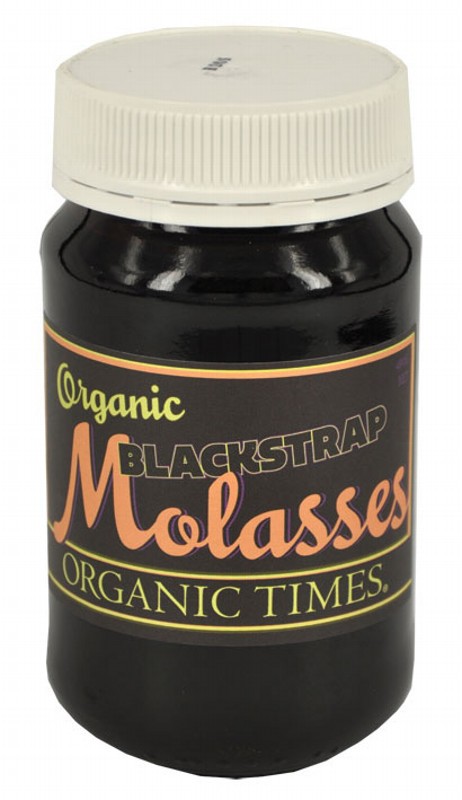
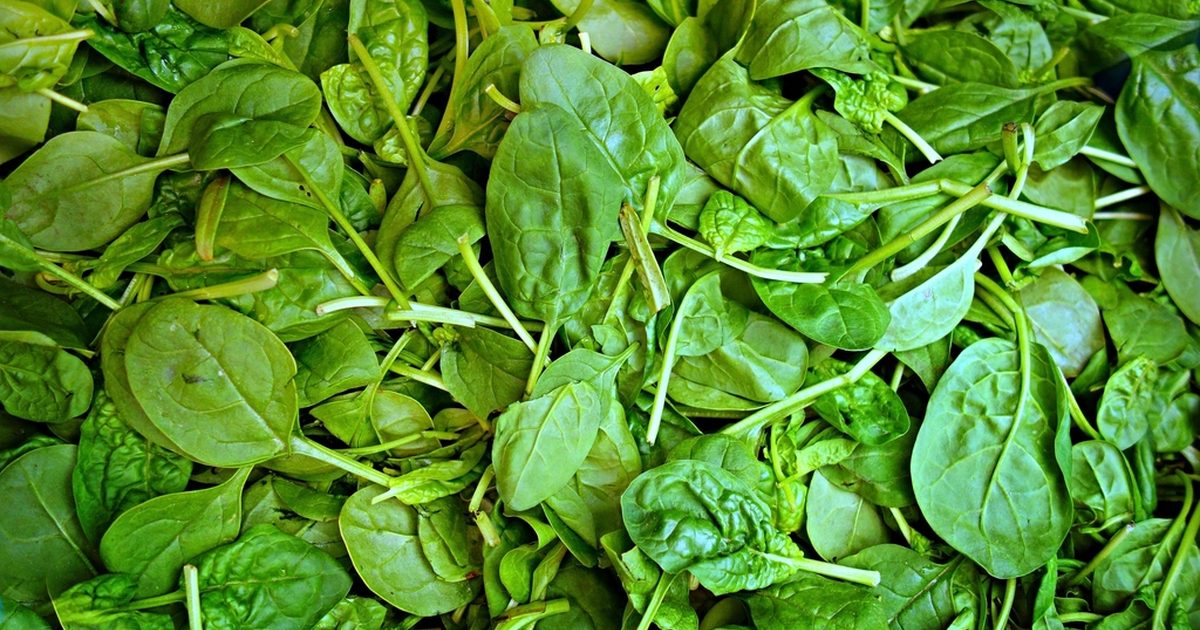
There are two kinds of iron in food. Haem iron in red meat, liver, chicken thighs, fish and shellfish is absorbed well. Non haem iron in legumes, tofu, leafy greens, pumpkin seeds, wholegrains and blackstrap molasses is absorbed far less, but you can tilt the odds:
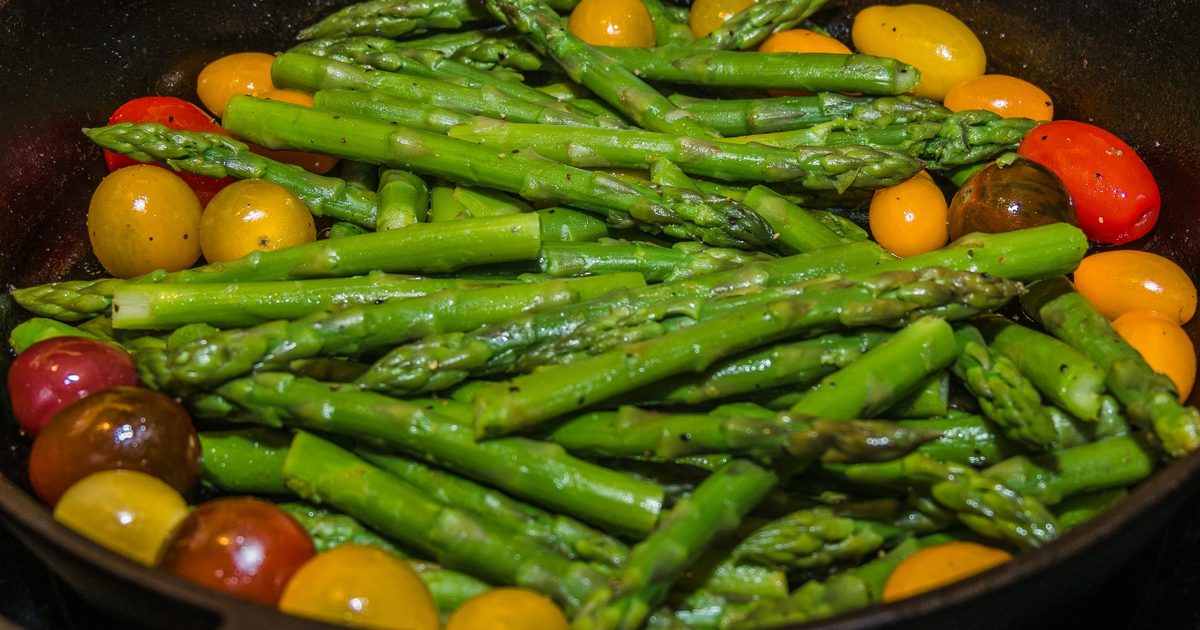
- Eat vitamin C with it: capsicum, citrus, kiwi fruit, tomatoes, broccoli
- Combine the two kinds, like a little meat in a lentil dish
- Keep tea and coffee an hour away from iron rich meals, as tannins block absorption
- The same goes for calcium supplements and a big glass of milk
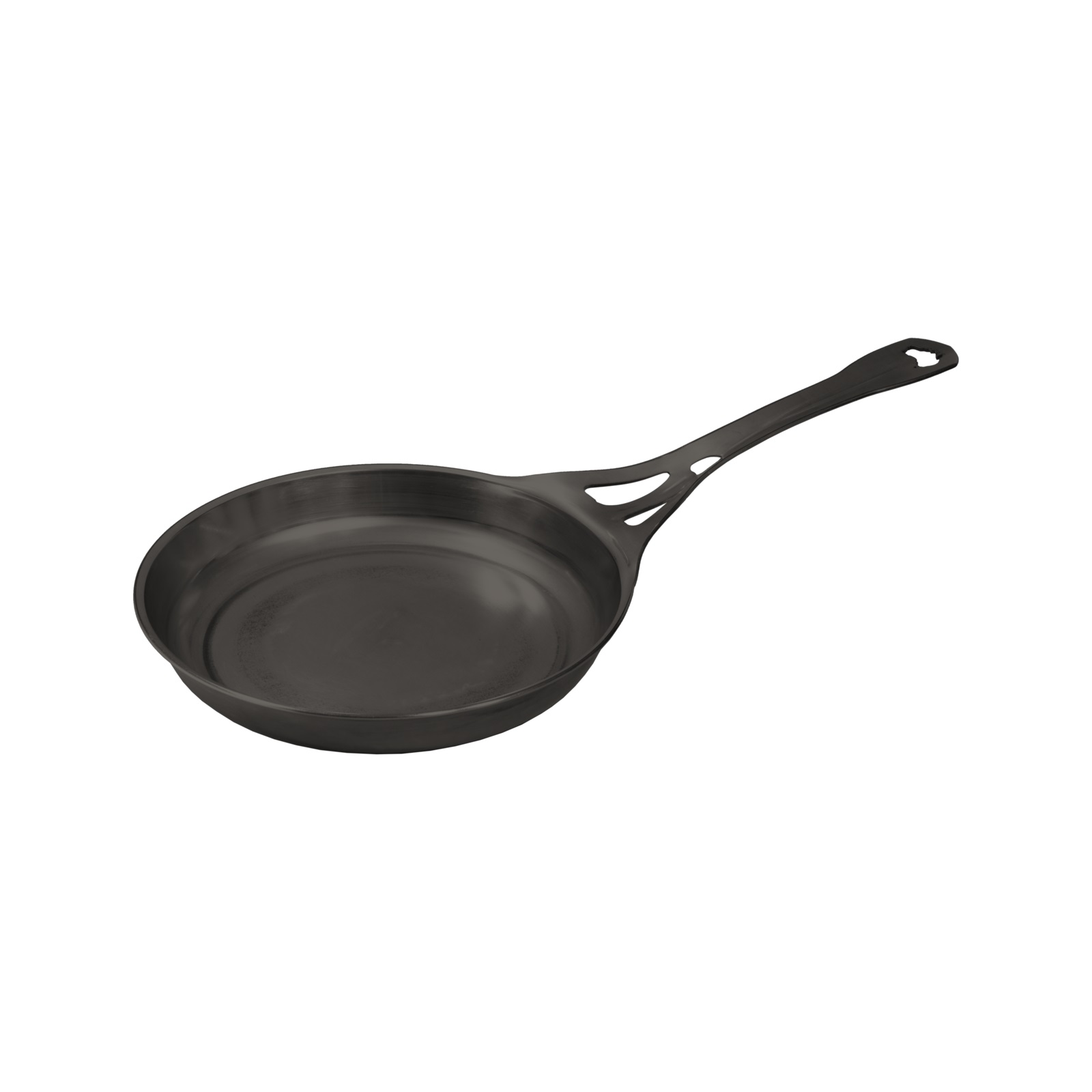
- Cook acidic food like tomato sauce in a cast iron or wrought iron pan, which adds a small amount of iron to the dish
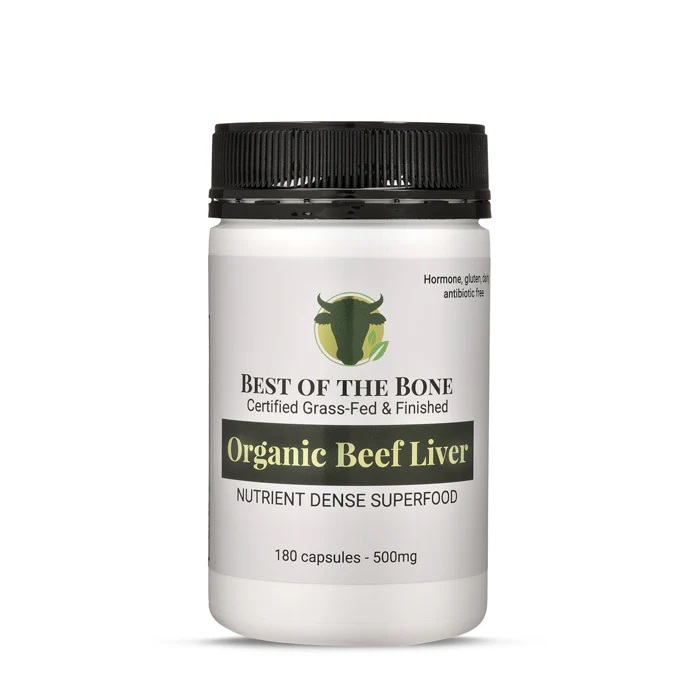
A tablespoon of blackstrap molasses carries around 3 to 4mg of iron, and it is good stirred into porridge or a warm drink. Beef liver is the richest food source of all. It is also very high in vitamin A, so pregnant women are advised to limit it.
Athletes, teenagers and plant based eaters
Some groups run low more often than you would expect. Regular runners lose small amounts of iron through sweat, the gut and the pounding of feet on pavement, and hard training raises a hormone called hepcidin that blocks iron absorption for a few hours afterwards. Teenage girls are growing fast, have often just started their periods, and may be cutting back on meat. Vegetarians and vegans can get plenty of iron, but it takes more planning: legumes or tofu at most meals, pumpkin seeds and wholegrains, and something rich in vitamin C on the same plate. A yearly blood test is a good habit for anyone in these groups.
Choosing a supplement
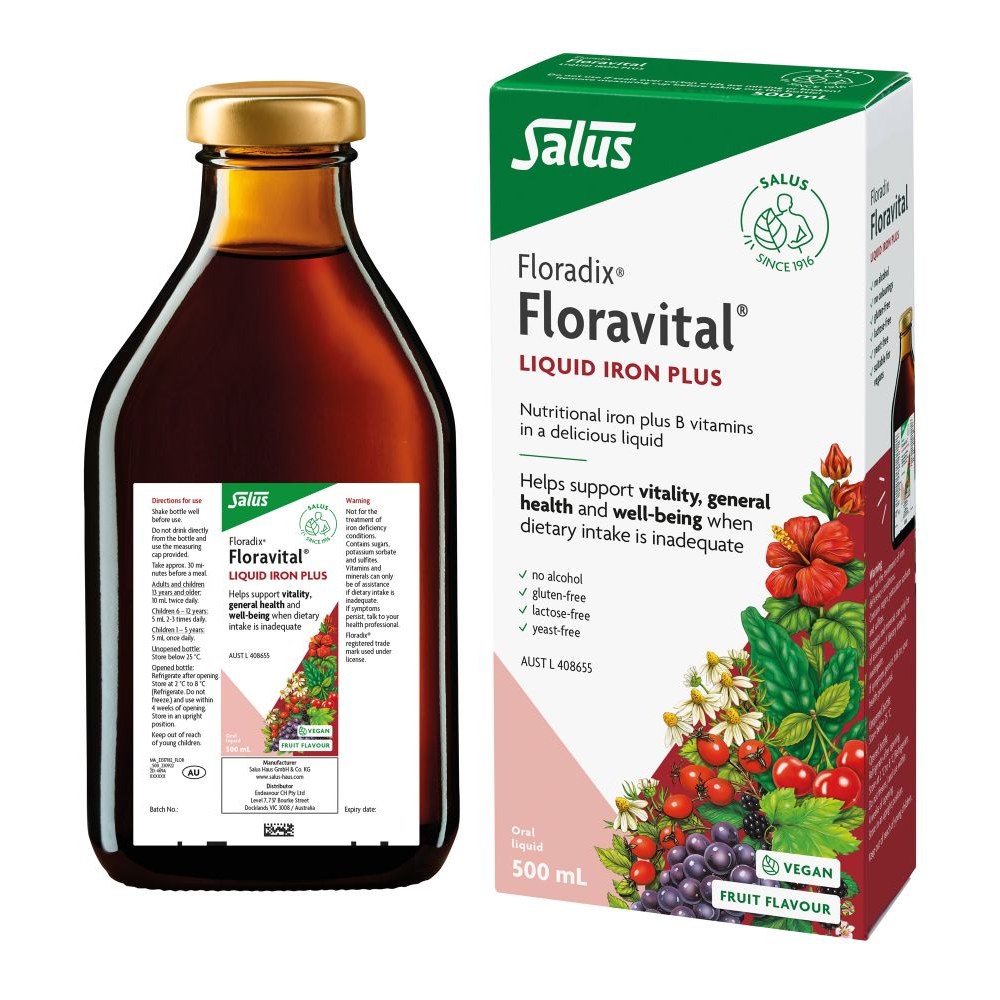
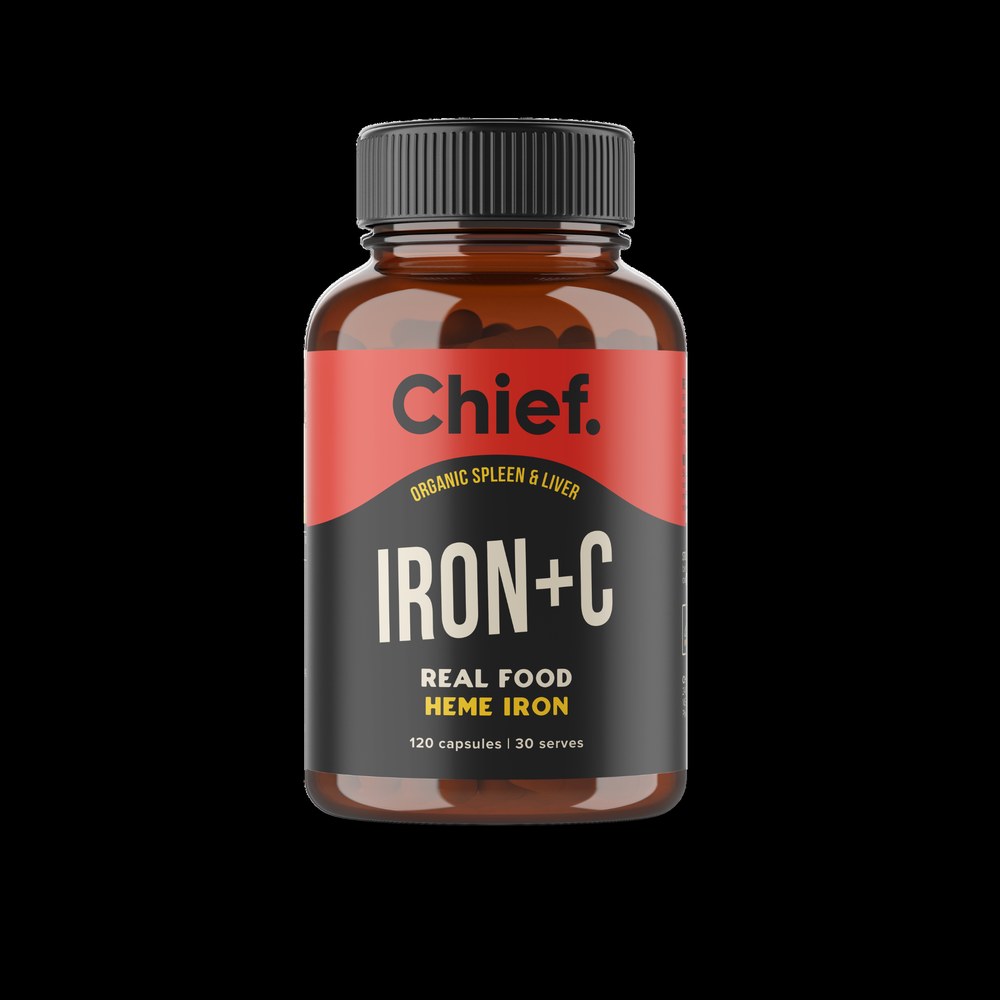
If your GP recommends iron, the dose will depend on how low you are. High dose iron tablets work but are notorious for constipation and nausea. Many people do better with a gentler form such as iron bisglycinate, a liquid like Floradix, or taking a tablet every second day, which recent research suggests may be absorbed just as well. Take it with a little vitamin C, away from tea, coffee and calcium, and recheck your levels after about three months. Liver capsules are a food based option that also supply B12, but the iron per capsule is modest, so they suit topping up rather than fixing a real deficiency.
Two things surprise people on iron. Black or very dark stools are normal and harmless while you take it. And it is slow: energy often improves within a few weeks, but filling up your ferritin stores can take three to six months, so do not stop as soon as you feel better unless your GP says to.
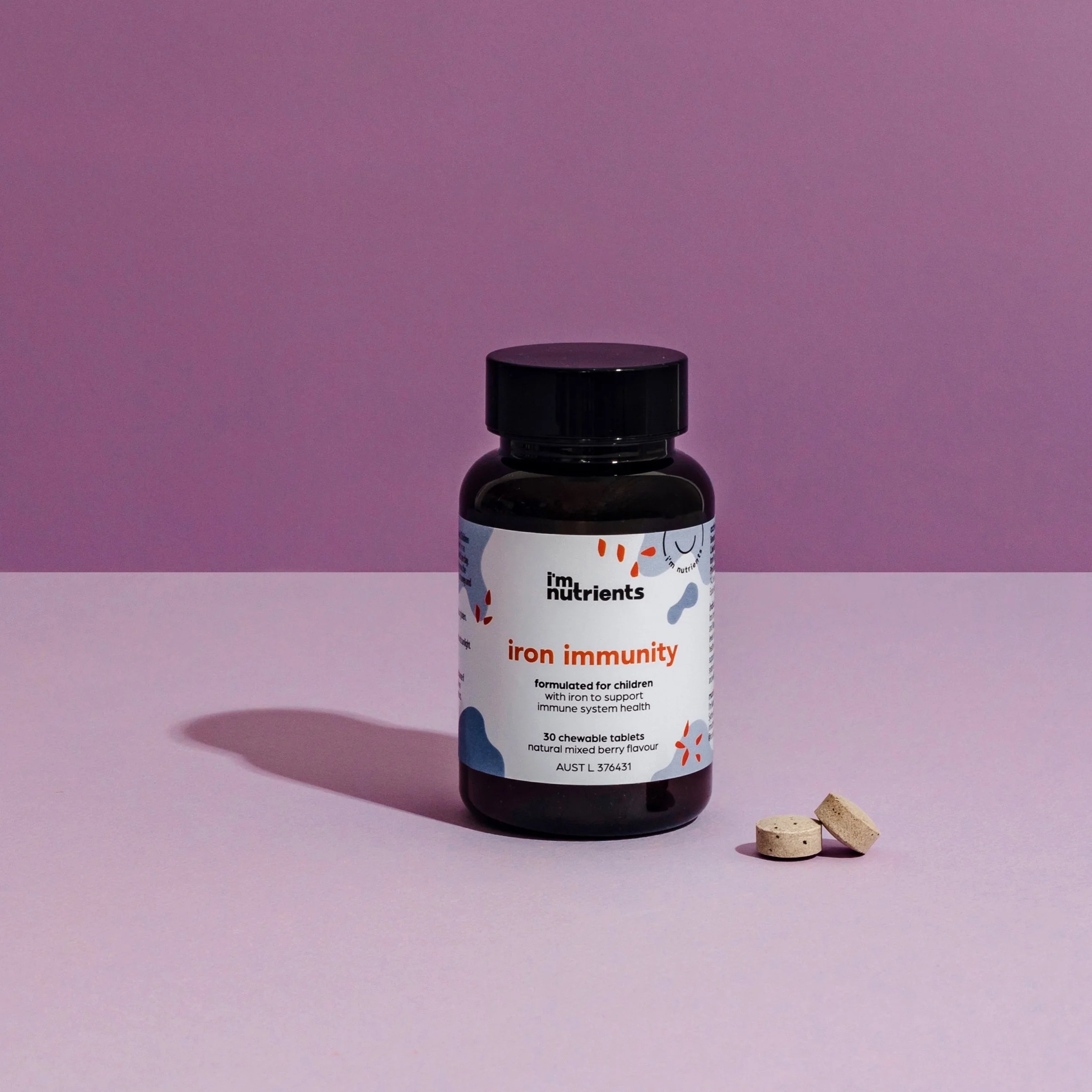
Iron supplements are a leading cause of poisoning in young children. Store them locked away, including the chewable ones. Do not take iron unless a blood test shows you need it, and talk to your GP or pharmacist if you are pregnant or take other medication.
What we keep on the shelf
If tiredness is the main complaint, it is worth reading our guide to choosing a magnesium as well, since the two often get mixed up. More options are under Minerals. We are at 936 Anzac Parade, Maroubra, if you want to bring your blood test results and talk through the options.




 Coco's guideCeremonial cacao, cacao powder or cocoa?Which one to buy, and how to make a proper cup.Read the guide


 Coco's guideNatural deodorant that actually worksHow to survive the switch, and what to try first.Read the guide


 Coco's guideLow tox cleaning: five swaps to make firstRefills, castile and soapberries that really work.Read the guide


 Coco's guideHow to choose a natural sunscreenMineral or chemical, and one you will actually wear.Read the guide


 Baking & Raw Un-Baking
 Grains & Legumes
 Noodles, Pasta & Rice
 Herbs, Spices & Salts
 Oils
Oils Vinegars & Dressings
 Sauces & Marinades
 Condiments
 Sugars & Sweeteners
 Canned Goods
 Ready Made Mixes
 Bone Broth & Stock
 Snacks
 Bars
Bars Chips
Chips Fruit & Nuts
 Biscuits
 Crackers & Crispbreads
 Confectionery
 Cacao & Carob
 Dried Fruit
 Nuts & Seeds
 Chewing Gum & Lozenges