Every year around the middle of August the same conversation starts at our counter. Someone comes in rubbing their eyes, says they thought they had a cold for a week, and then admits they get like this every spring. Sydney hayfever season is long and it is loud, and most people start dealing with it about a month after they should have.
Why Sydney gets hit so hard
Our worst months are September through to December, when grass pollen goes up. Wattle and the flowering trees get all the blame because you can see them, but grasses are usually the real culprit, and a windy northerly day will carry pollen kilometres from the paddocks west of us straight over the eastern suburbs. Add a bit of mould after rain and a bad week can drag on. If you are out running at Centennial Park or walking the coast track first thing, you are moving through the highest pollen count of the day, which is early morning and again late afternoon.
Start before you need it
This is the single thing that changes people's spring. Whatever you plan to take, start it two to four weeks before your usual bad patch rather than the morning your eyes swell up. Most of what helps works by keeping things settled, and none of it does much once you are already in the middle of a full blown reaction. If you are the sort of person who is miserable every October, mid August is your reminder.
The saline rinse nobody wants to try first
Rinsing your nose out with saline is the least glamorous thing on this list and the one that tends to help most. You are physically washing pollen off the lining of your nose before it can wind you up. A spray is easy to keep in a bag, a proper rinse pot does a more thorough job at the sink. Do it when you come in from outside, not just in the morning. If you use a rinse pot, use cooled boiled or distilled water, never straight from the tap.
Quercetin, and where it fits
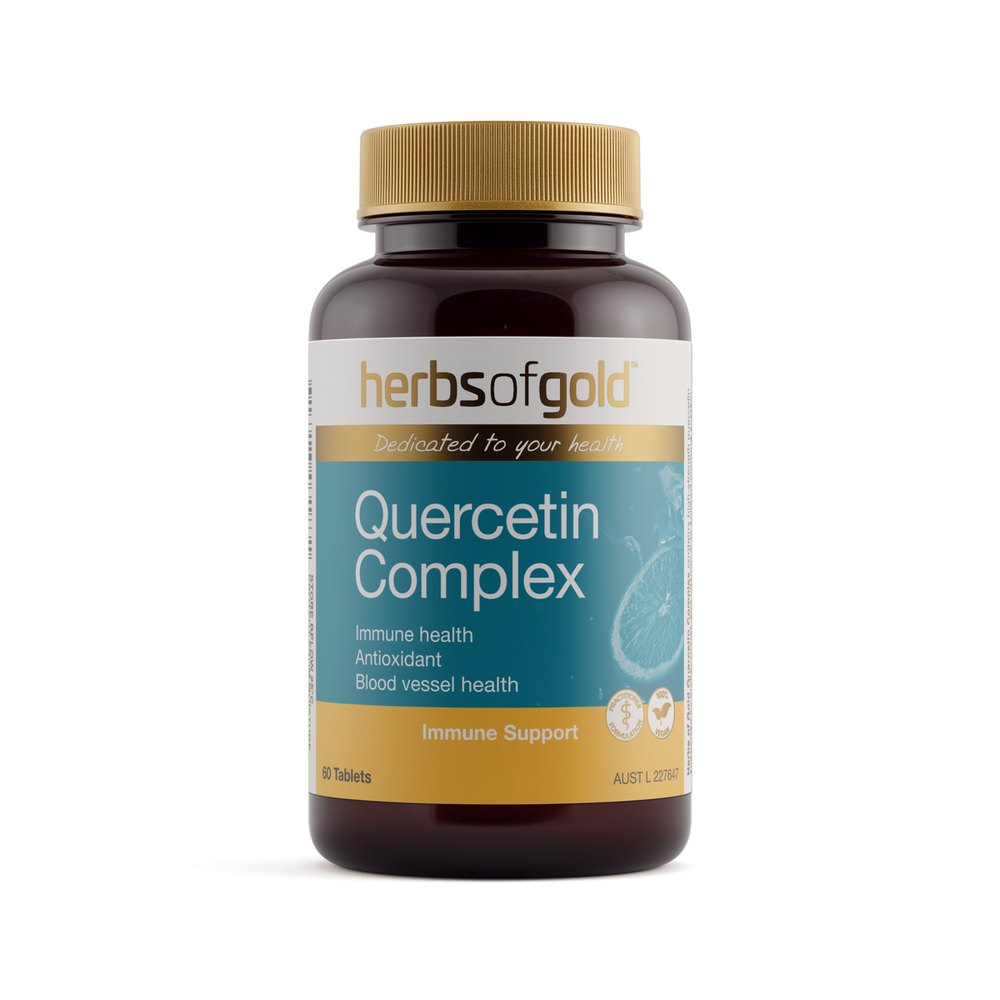
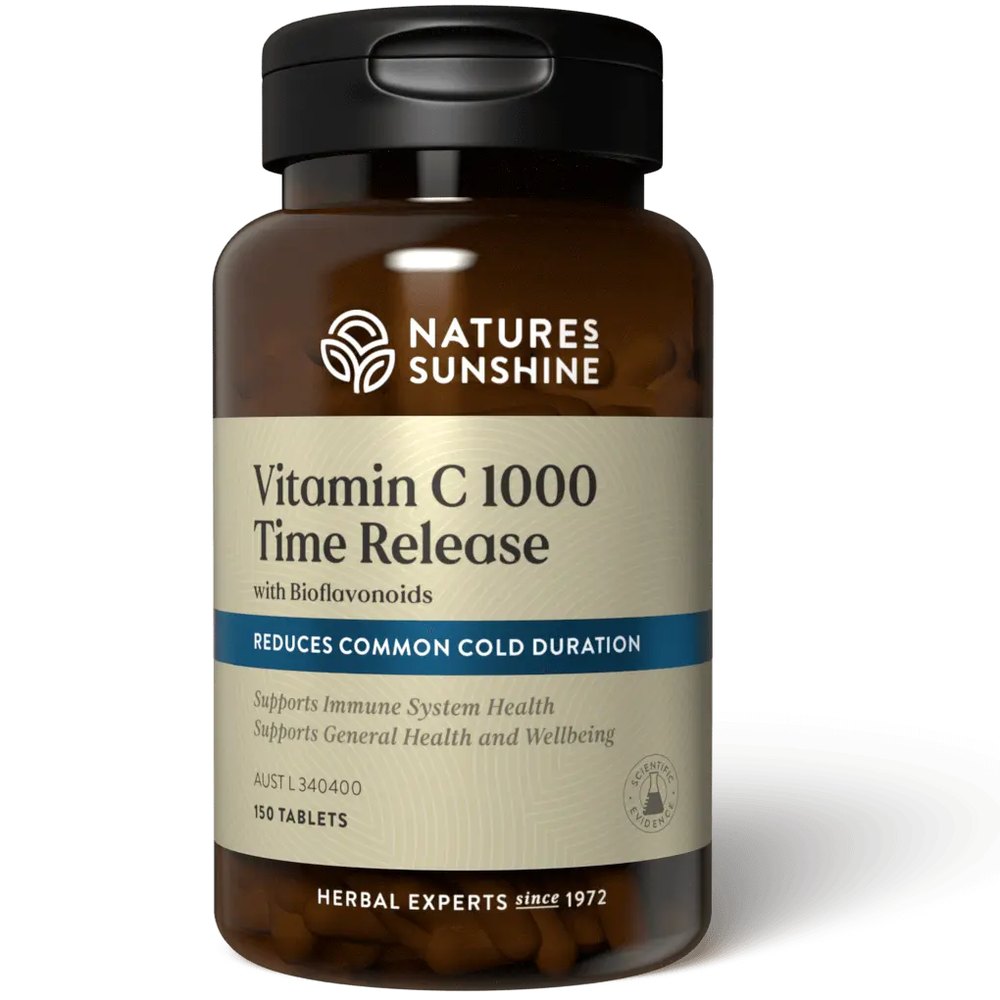
Quercetin is a plant compound found in onions, apples and capers, and it is the one that has become popular with hayfever sufferers over the last few years. It is not a fast acting fix. People who do well on it are taking it daily through the season, often alongside vitamin C, which helps the body use it. If you want to try it, get in early and give it a few weeks before you judge it.
Teas and herbs that people come back for
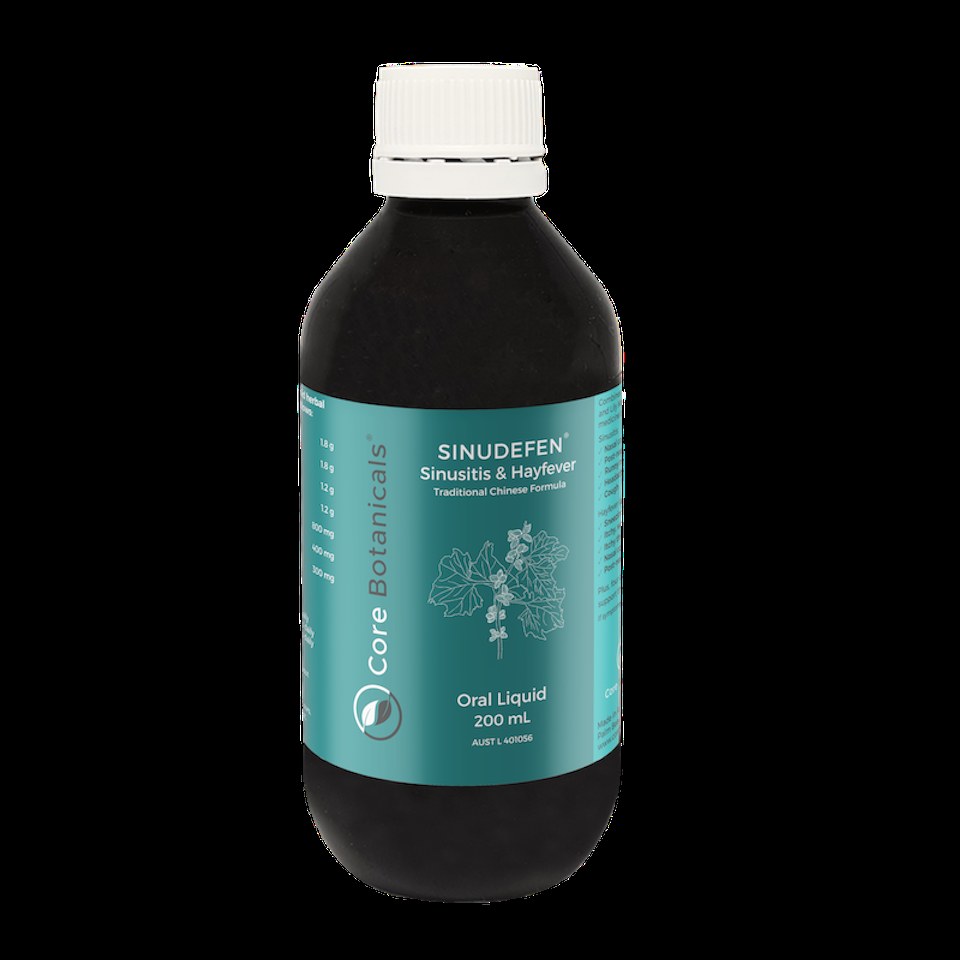
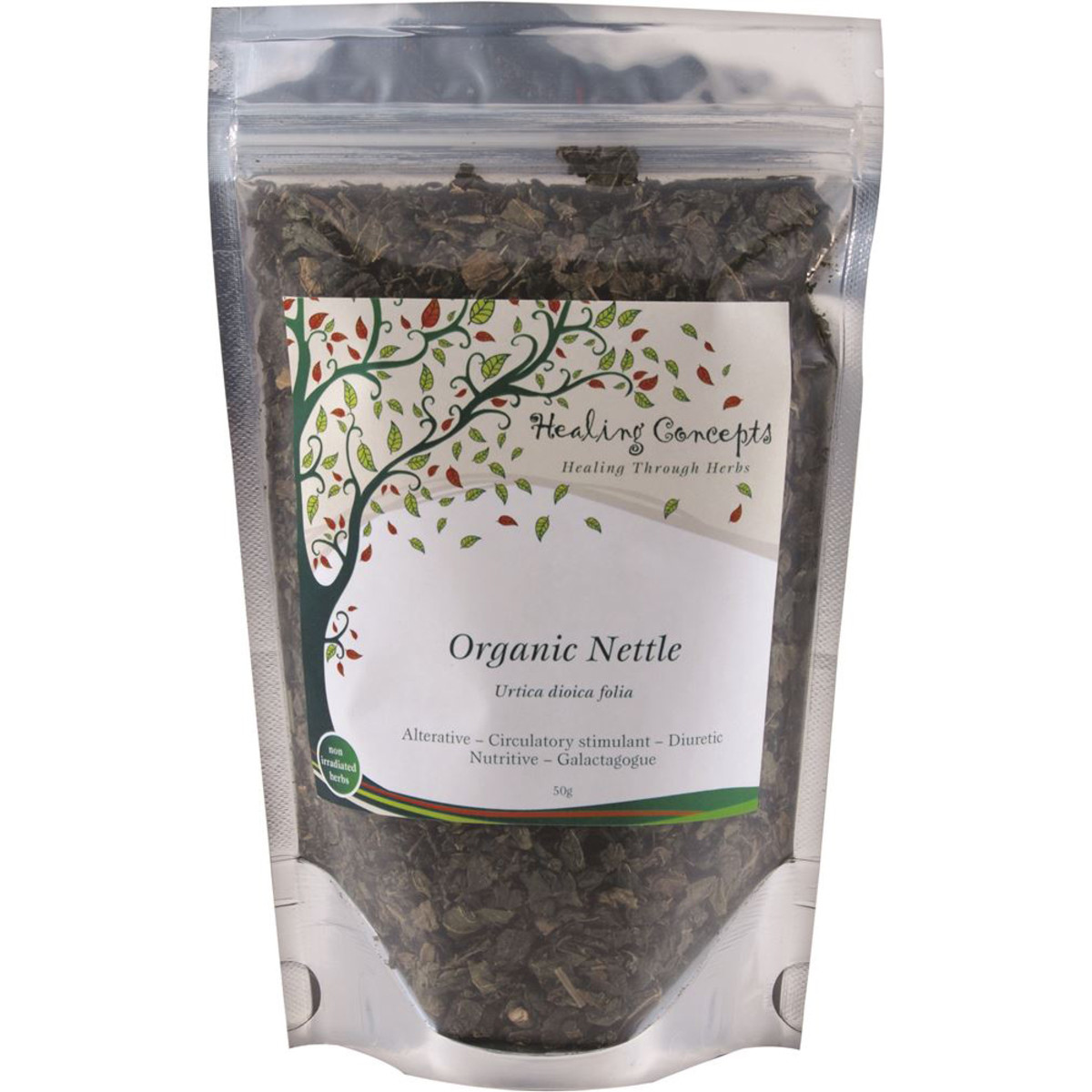
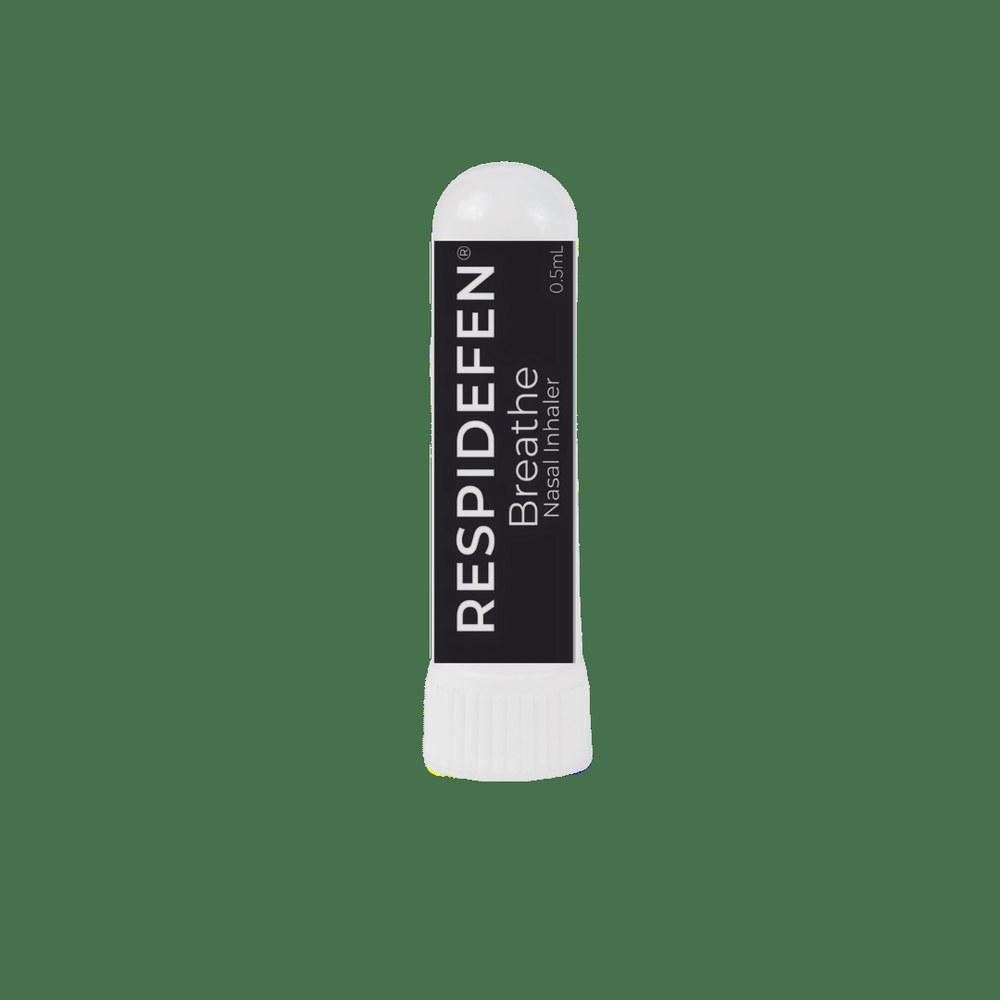
Nettle has been drunk as a spring tea in Europe for a very long time, and it is still one of the most requested herbs in our tea wall come September. It is pleasant, it is cheap, and a couple of cups a day through the season suits people who would rather not take capsules. Herbal blends built for the sinuses usually lean on things like horseradish, eyebright and elderflower, and a small inhaler with eucalyptus or peppermint is a genuinely useful thing to have in a pocket on a bad day.
Two honest notes. If your hayfever comes with wheezing, a tight chest or a cough that will not settle, that is a conversation with your GP rather than a shelf in a health food shop, because spring is also when asthma flares. And there is no rule that says you have to choose. Plenty of our customers take a pharmacy antihistamine and use the natural bits alongside it. Check with your pharmacist if you are on other medication.
The local honey question
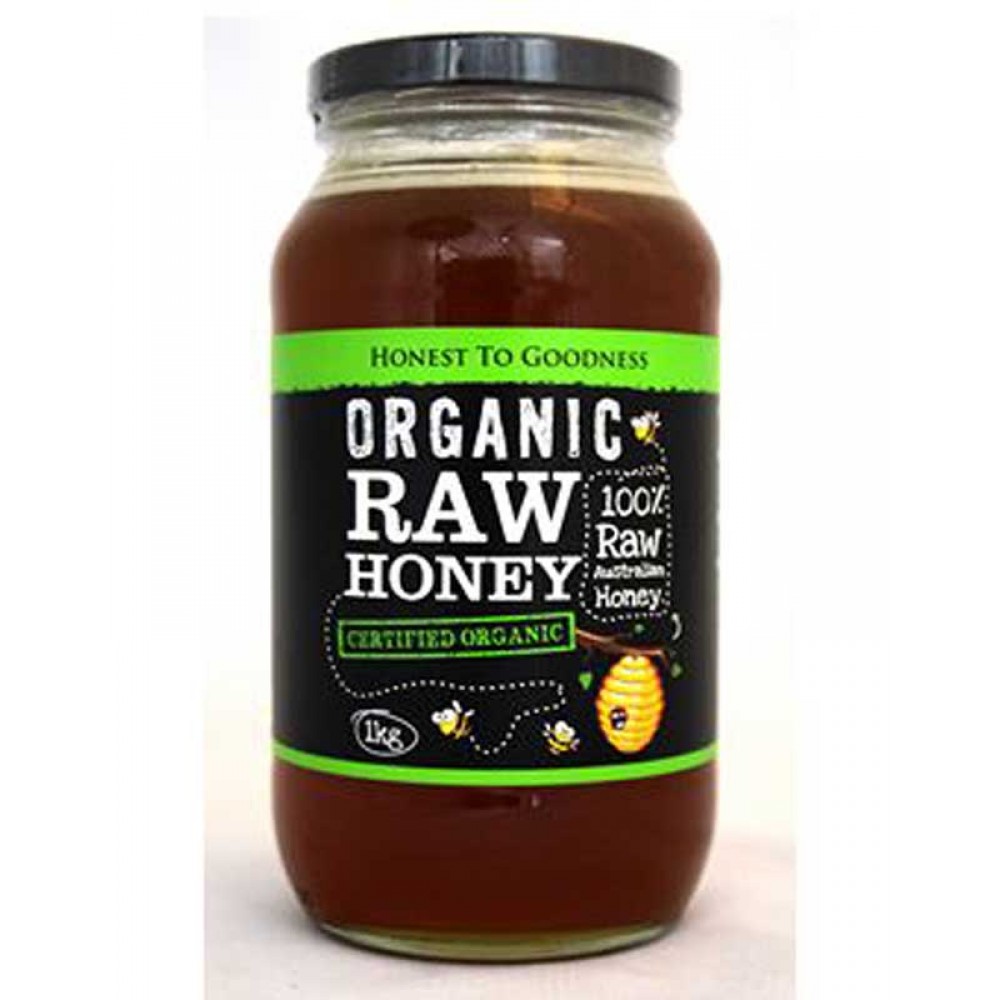
We get asked constantly whether local honey fixes hayfever. The theory is that eating small amounts of local pollen builds tolerance. The evidence for it is thin, and the pollen that sets you off is mostly wind blown grass pollen rather than the flower pollen bees collect. That said, a spoonful of good raw honey in tea is a nice thing on a scratchy throat, so we are not going to talk anyone out of it. Just buy it because you like it, not because you are expecting a cure.
Free things that make a real difference
Wear sunglasses outside, they keep a surprising amount of pollen out of your eyes. Rinse your hair before bed on bad days, otherwise you are sleeping face down in whatever you collected. Dry the washing inside during peak weeks instead of hanging sheets out to catch pollen all afternoon. Change your pillowcase more often than usual. Keep the car windows up and the aircon on recirculate. None of it is exciting and all of it works.
What we keep on the shelf
If you are not sure where to start, the simple version is a saline rinse every day, nettle tea if you like tea, and quercetin with vitamin C started a few weeks out. Our full range is under Immune Health and Vitamins & Supplements. If you would rather talk it through, we are at 936 Anzac Parade, Maroubra, open seven days, and we are very used to this conversation by the second week of September.





 Coco's guideCeremonial cacao, cacao powder or cocoa?Which one to buy, and how to make a proper cup.Read the guide





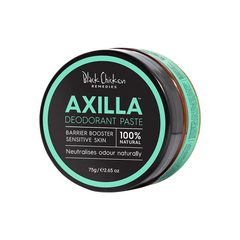
 Coco's guideNatural deodorant that actually worksHow to survive the switch, and what to try first.Read the guide


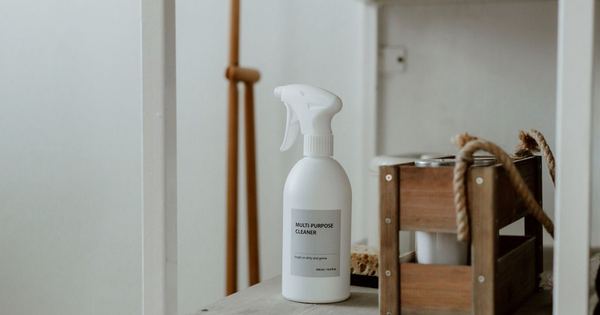 Coco's guideLow tox cleaning: five swaps to make firstRefills, castile and soapberries that really work.Read the guide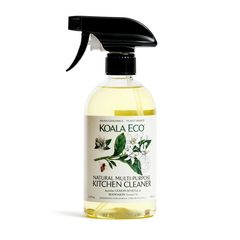






 Coco's guideHow to choose a natural sunscreenMineral or chemical, and one you will actually wear.Read the guide






 Baking & Raw Un-Baking
 Grains & Legumes
 Noodles, Pasta & Rice
 Herbs, Spices & Salts
 Oils
Oils Vinegars & Dressings
 Sauces & Marinades
 Condiments
 Sugars & Sweeteners
 Canned Goods
 Ready Made Mixes
 Bone Broth & Stock
 Snacks
 Bars
Bars Chips
Chips Fruit & Nuts
 Biscuits
 Crackers & Crispbreads
 Confectionery
 Cacao & Carob
 Dried Fruit
 Nuts & Seeds
 Chewing Gum & Lozenges