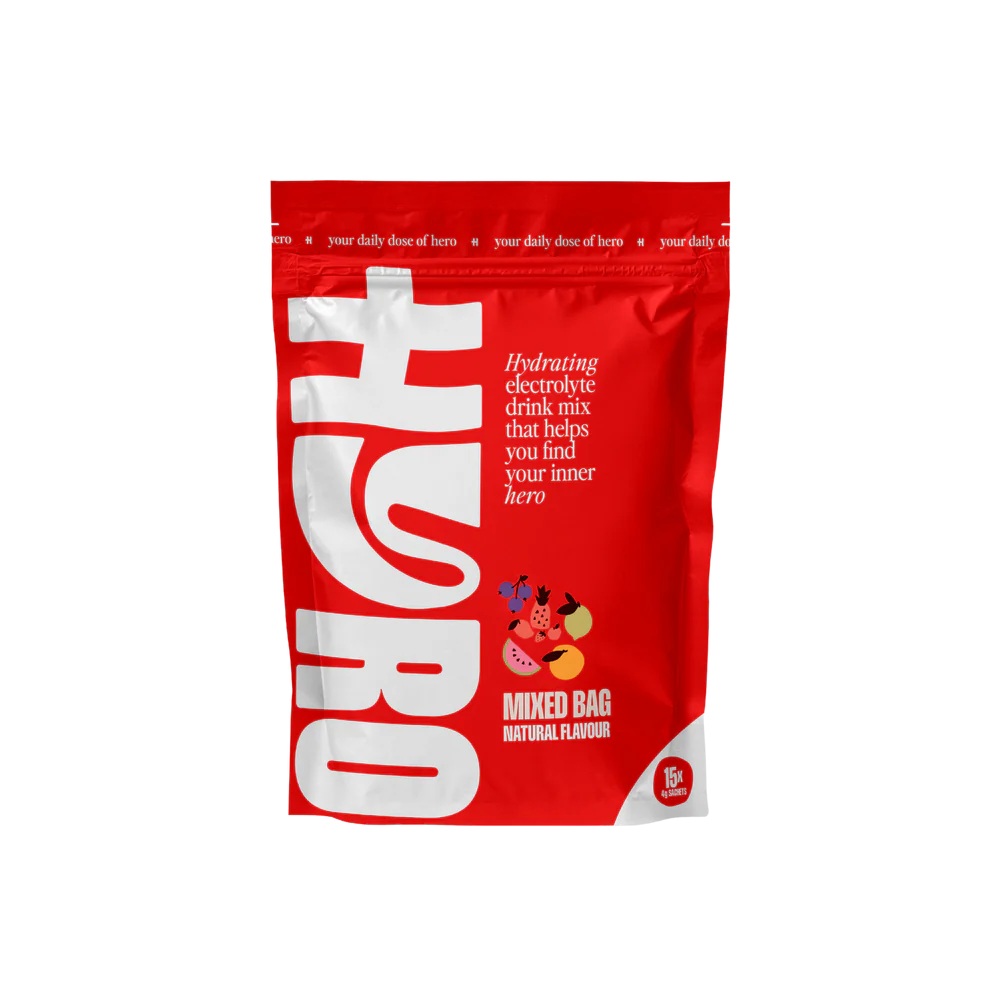
Electrolyte sachets used to be something you bought at the chemist when a stomach bug went through the house. Now they sit next to the protein powders, come in a dozen flavours and get carried to the office in a drink bottle. Some of those people need them. Plenty do not. Here is how to tell which group you are in before summer arrives.
What electrolytes are
Electrolytes are minerals that carry an electrical charge once they dissolve in water: sodium, potassium, chloride, magnesium and a few others. Your body uses them to move water in and out of cells, fire nerves and contract muscles. Your kidneys keep the levels in a tight range, and for most of the day food takes care of supply. A normal Australian diet has more than enough sodium in it already. The Heart Foundation suggests most adults aim for under 2,000mg a day, and the average intake is well above that.
Sweat is mostly a sodium problem
The one you lose most of when you sweat is sodium. Sweat varies a lot between people, from a few hundred milligrams of sodium per litre to more than 1,500mg. If you finish a run with white, gritty streaks on your cap or shirt, you are one of the salty ones. Potassium and magnesium losses in sweat are small by comparison, which is why a mix that is mostly magnesium will not do much for a long, hot session.
So electrolytes earn their place when you are losing a lot of sweat over a long time:
- Exercise that runs past 60 to 90 minutes, especially in heat or humidity
- Outdoor work in summer, tradies and gardeners included
- Long surf sessions, hikes or a big day at the cricket
- Hot yoga, saunas and anyone who sweats heavily as a rule
- A hangover, or the tail end of a cold when you have not been eating much
For a 45 minute gym class in an air conditioned room, water is fine. The same goes for sitting at a desk. An electrolyte drink will not hurt you there, but you are paying for salt your lunch was already going to give you.
Too much water can be a problem too
On long events, people who drink large amounts of plain water and replace no salt can dilute the sodium in their blood. It is called hyponatraemia, and it shows up as nausea, headache, confusion and, in rare cases, worse. It is most often seen in slower marathon and triathlon finishers who drink at every station. Drinking to thirst and adding sodium on long days is the simple fix.

Signs you are short on salt
On a hot day, a dull headache, feeling light headed when you stand up, unusual tiredness and a thirst that water does not seem to fix can all mean you have sweated out more sodium than you have put back. Muscle cramps get blamed on electrolytes too, though the research there is mixed and fatigue plays a big part. Older people deserve a special mention. The sense of thirst fades with age, so parents and grandparents can get behind on fluids during a heatwave without noticing. A jug of water on the bench and a salty snack with lunch is often all it takes.
Sugar or no sugar
Most of the sachets on our shelf are sugar free or close to it, which suits everyday use. Sugar is not always the enemy here, though. A little glucose helps the gut absorb sodium and water faster, which is why pharmacy rehydration solutions for gastro contain it, and why endurance athletes often want some carbohydrate in the bottle on long rides. For gastro in children, or for anyone who cannot keep fluids down, a pharmacy oral rehydration solution and a call to your GP is the right move, not a wellness sachet.
How to read the label
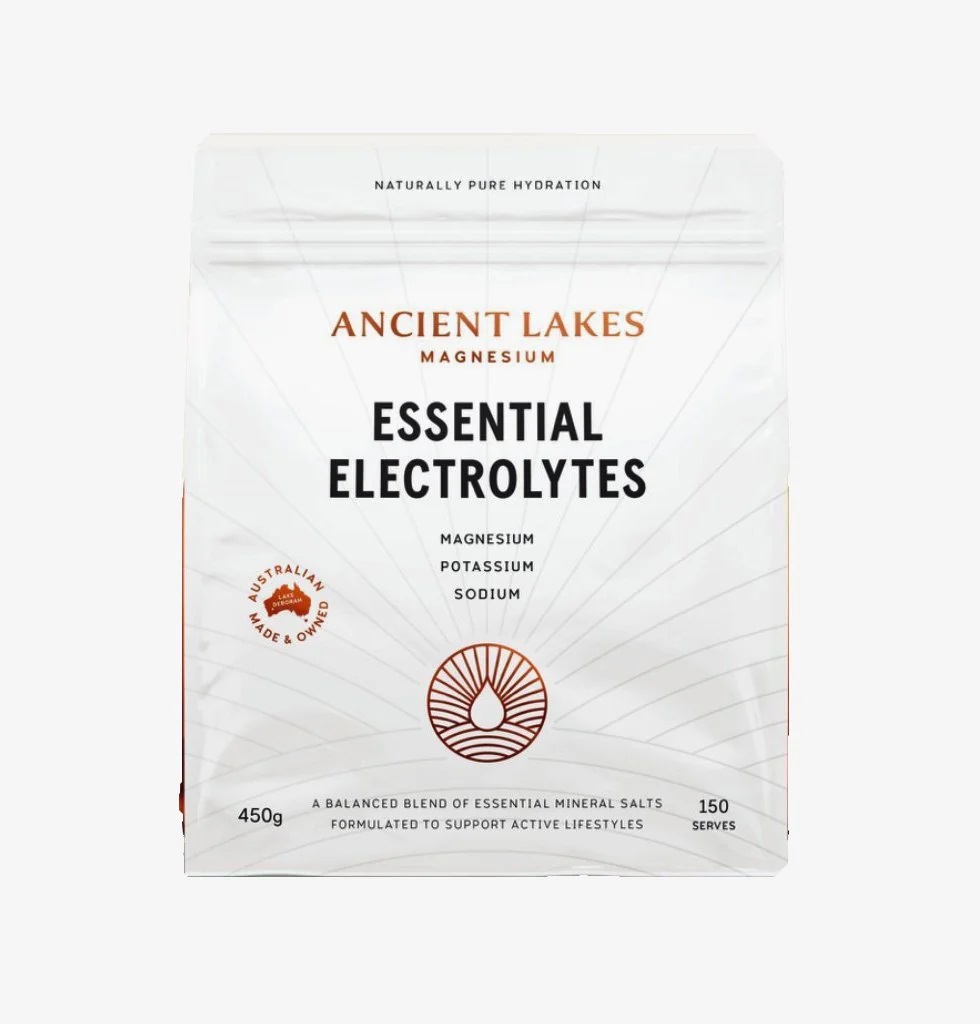
Turn the pack over and find the sodium figure per serve. That number tells you more than anything on the front.
- Under 300mg sodium: a light everyday mix, good for warm days and shorter sessions
- 300 to 600mg: a solid choice for training in the heat
- Over 600mg: made for heavy sweaters and long events, and too much for sipping all day if you are not sweating
Then check for potassium and magnesium, and what the sweetener and flavour are. Some people find stevia heavy going, and an unflavoured mix stirred into juice or coconut water gets around that. Coconut water on its own is high in potassium but low in sodium, so it is a pleasant drink rather than a full electrolyte replacement.
The homemade version
For a training bottle you can make a decent mix for cents. Into 750ml of water, add a quarter teaspoon of sea salt (about 575mg sodium), the juice of half a lemon or orange and a teaspoon of honey or maple syrup if you are going long. It will not taste like a sports drink, and it does the job.
If you have high blood pressure, heart failure or kidney disease, or take medication such as diuretics, check with your GP before adding electrolyte drinks, because extra sodium and potassium matter more for you. Keep sachets out of reach of small children.
What we keep on the shelf
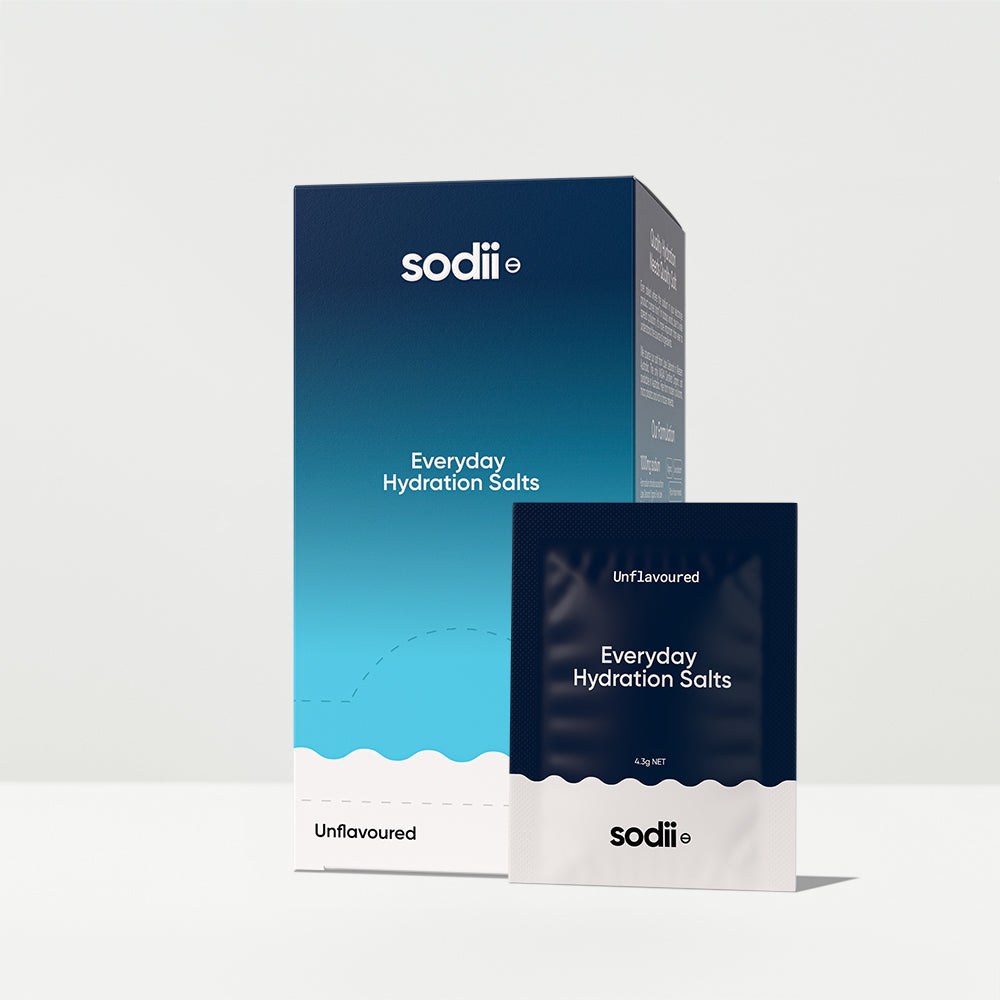
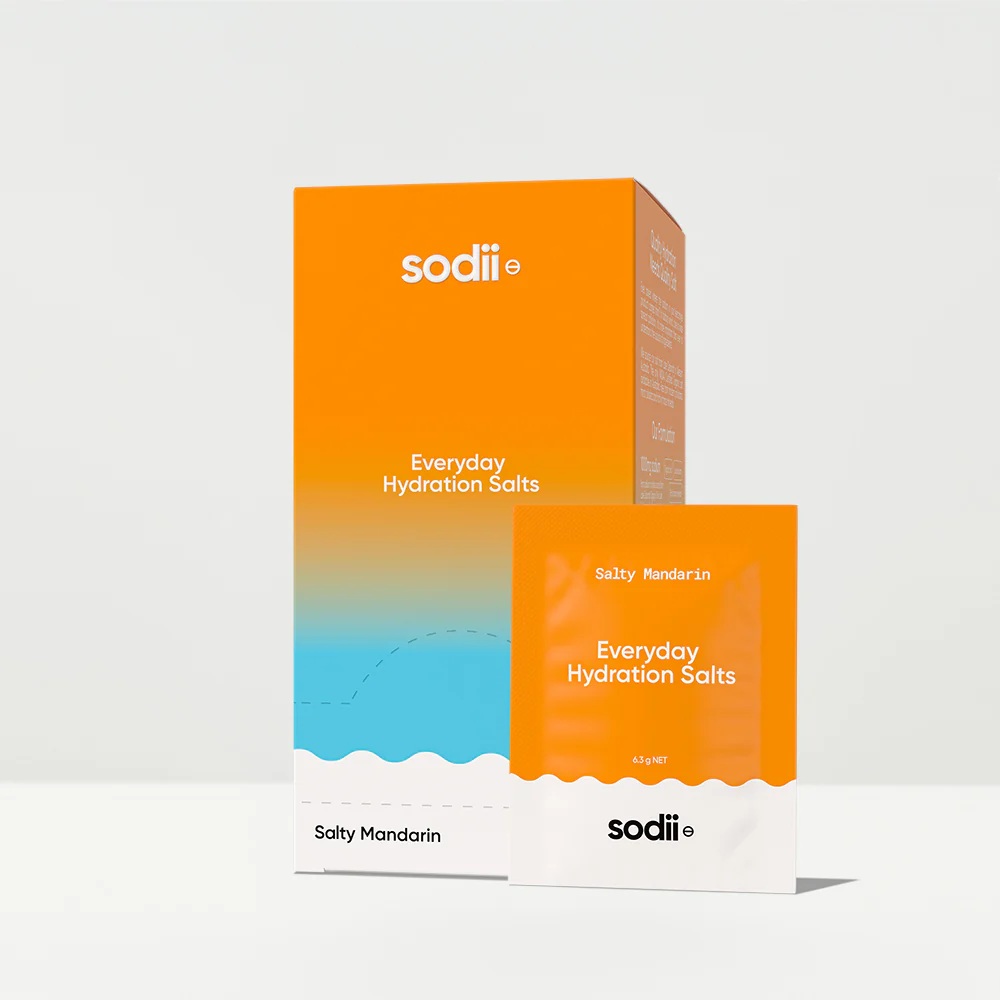
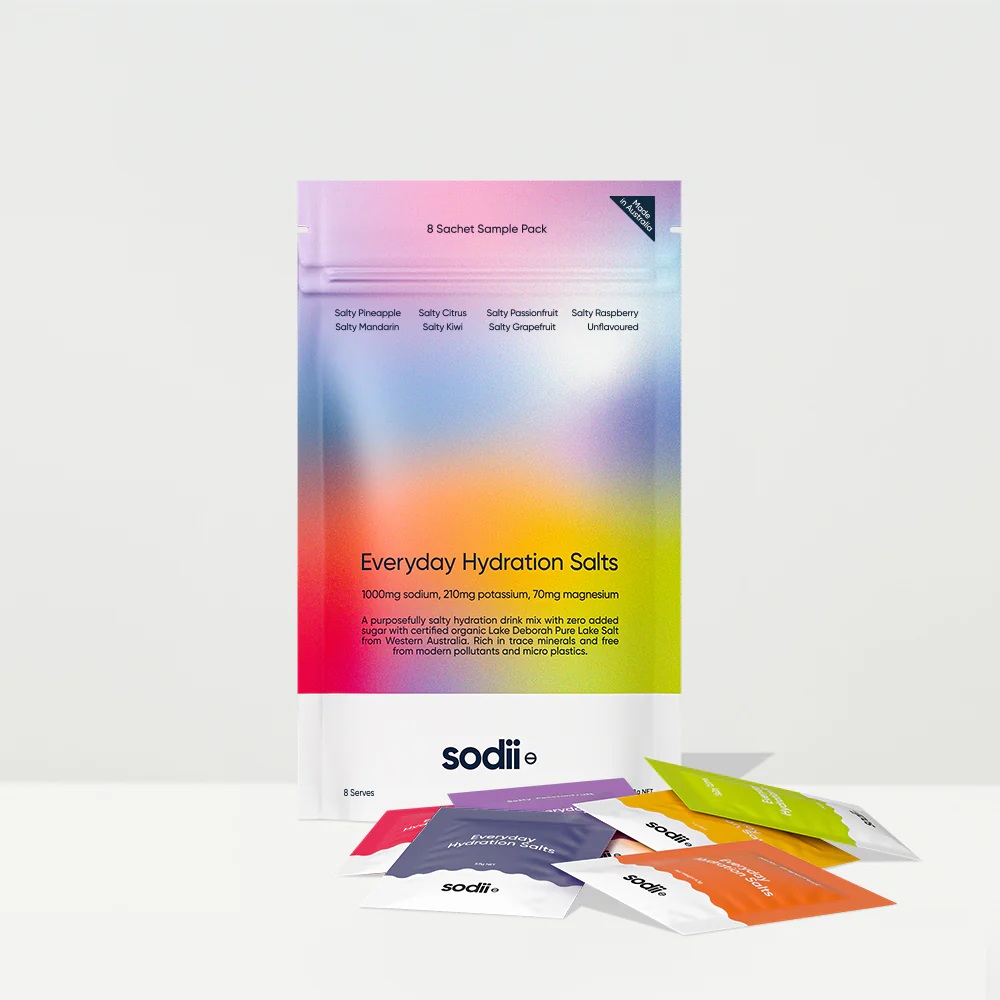
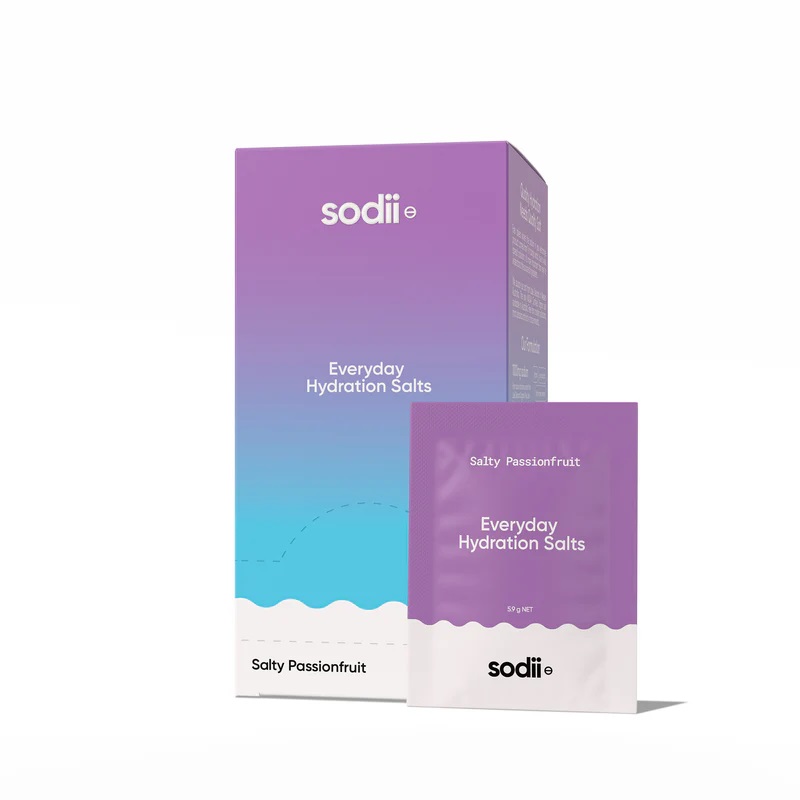
If you are unsure which one to try, the Sodii sample pack lets you taste eight before you commit to a box. For training and recovery, our piece on creatine for women covers the other supplement people ask about most. The rest of the range is under Electrolytes, and we are at 936 Anzac Parade, Maroubra, seven days a week.




 Coco's guideCeremonial cacao, cacao powder or cocoa?Which one to buy, and how to make a proper cup.Read the guide


 Coco's guideNatural deodorant that actually worksHow to survive the switch, and what to try first.Read the guide


 Coco's guideLow tox cleaning: five swaps to make firstRefills, castile and soapberries that really work.Read the guide


 Coco's guideHow to choose a natural sunscreenMineral or chemical, and one you will actually wear.Read the guide


 Baking & Raw Un-Baking
 Grains & Legumes
 Noodles, Pasta & Rice
 Herbs, Spices & Salts
 Oils
Oils Vinegars & Dressings
 Sauces & Marinades
 Condiments
 Sugars & Sweeteners
 Canned Goods
 Ready Made Mixes
 Bone Broth & Stock
 Snacks
 Bars
Bars Chips
Chips Fruit & Nuts
 Biscuits
 Crackers & Crispbreads
 Confectionery
 Cacao & Carob
 Dried Fruit
 Nuts & Seeds
 Chewing Gum & Lozenges