











Heat, sweat and chlorine: caring for eczema-prone and sensitive skin in summer

Plenty of people expect their skin to settle in summer, since dry winter air is gone. For eczema-prone and sensitive skin it often works the other way. Heat, sweat, sunscreen, chlorine and long salty days at the beach all ask a lot of a skin barrier that is already struggling. The good news is that a few simple habits make a real difference, and most of them cost very little.
Why summer can flare sensitive skin
- Sweat. As sweat dries it leaves salt on the skin, which stings and itches, especially in the creases of elbows and knees.
- Heat. Being hot makes itch worse, and scratching damages the skin further.
- Chlorine and salt water. Both can dry the skin out. Some people find the ocean soothing and others find it stings, so watch your own pattern.
- Sunscreen and insect repellent. Fragrance and some chemical filters can irritate.
- Sunburn, which is damage on top of damage.
Wash gently
Short, lukewarm showers and baths are kinder than long hot ones. Use a soap-free wash or a very mild bar, and only where you need it: underarms, groin and feet. The rest of you can usually rinse with water. Pat dry rather than rubbing. Foaming washes with sodium lauryl sulfate and strong fragrance are the usual culprits for tight, itchy skin afterwards.
Soak and seal
The most useful single habit is to moisturise within about three minutes of getting out of the shower or bath, while the skin is still a little damp. A moisturiser holds in water, so it works best with water to hold. In summer a lighter cream may feel better during the day, with a richer balm or ointment at night on the driest patches. Apply moisturiser in the direction of hair growth to avoid irritating hair follicles.
The oat bath
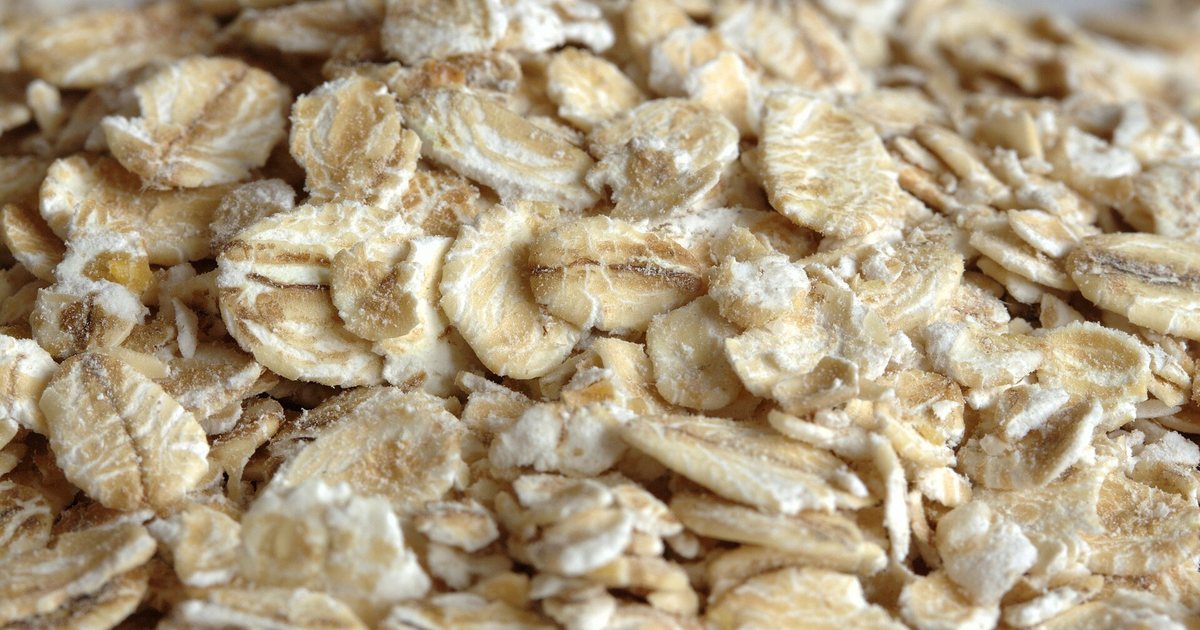
Oats contain compounds that soothe itchy skin, and colloidal oatmeal is a recognised skin protectant. You can make a version at home. Blend half a cup of plain rolled oats into a fine powder, tip it into a clean sock or a muslin bag, tie it off and swish it through a lukewarm bath until the water turns milky. Soak for 10 to 15 minutes, pat dry and moisturise straight away. For little ones and small patches, squeeze the bag over the skin. Oat allergy is uncommon, but stop if the skin gets redder.
Natural does not mean non-irritating
Fragrance is one of the most common causes of skin reactions, and that includes essential oils. For sensitive skin, look for products labelled fragrance free rather than "unscented", which can mean a masking fragrance has been added. Calendula and chamomile are gentle for most people, but they belong to the daisy family, so anyone allergic to daisies, ragweed or chamomile should test them first. Our tallow guide covers another option that many people with dry skin like.
Patch test anything new. Dab a little on the inside of your forearm, twice a day for three or four days. If there is no redness, itch or bumps, try it on a small patch of the problem area before using it everywhere. Introduce one new product at a time, so you know what caused a reaction.
Swim smart
Before swimming, a thin layer of moisturiser or balm gives the skin a little protection. After the pool or the beach, rinse off in fresh water as soon as you can, then moisturise. Change out of wet swimmers rather than letting them dry on you.
Sunscreen that does not sting
Mineral sunscreens based on zinc oxide tend to be better tolerated by sensitive skin than chemical filters. Put your moisturiser on first, let it sink in for about fifteen minutes, then apply sunscreen generously. Test a new sunscreen on a small patch before a full beach day. Our natural sunscreen guide explains how to choose one.
Day to day
- Wear loose cotton or linen, and swap out of sweaty clothes quickly.
- Keep nails short to limit the damage from scratching, especially for kids.
- Use a fragrance free laundry liquid and skip fabric softener.
- Keep the bedroom cool at night, when itch tends to be worst.
Does diet cause eczema?
It is tempting to blame food, and some children with eczema do have food allergies. But for most people, eczema is driven by a weak skin barrier and an overactive immune response, not by what they eat. Cutting out whole food groups without a proper diagnosis can leave children short of nutrients without improving their skin. If you suspect a food is involved, talk to your GP about seeing an allergist. Be wary of unproven allergy tests sold directly to the public, such as hair analysis or IgG blood tests, which Australian allergy specialists do not recommend.
When to see a doctor
See your GP if the skin is weeping, crusting, has yellow scabs, is painful or spreading, or if you feel unwell, as these can be signs of infection. Also go if eczema is keeping you or your child awake, or not improving with good daily care. Prescription creams, including steroid creams used as directed, are safe and effective for flares, and calming a flare quickly helps protect the skin long term. A good moisturising routine works alongside them, not instead of them.
Gentle skin care on our shelves
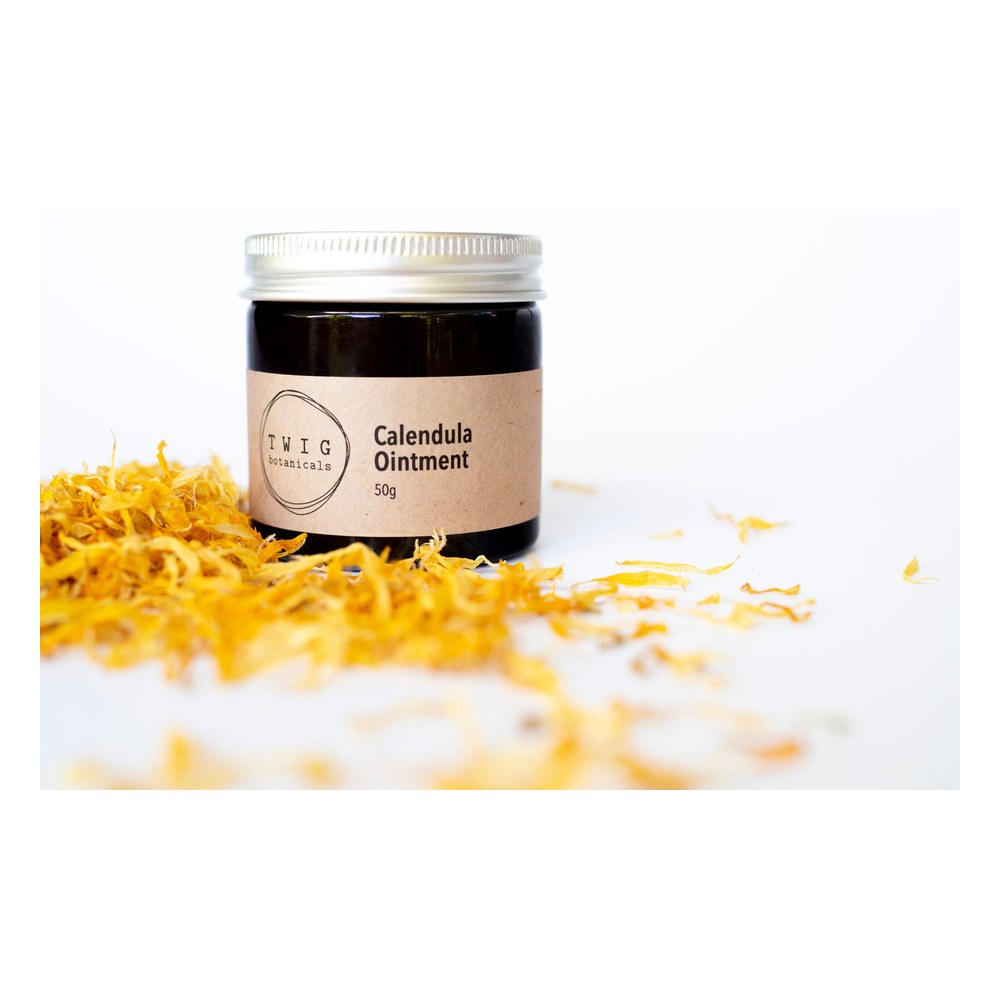
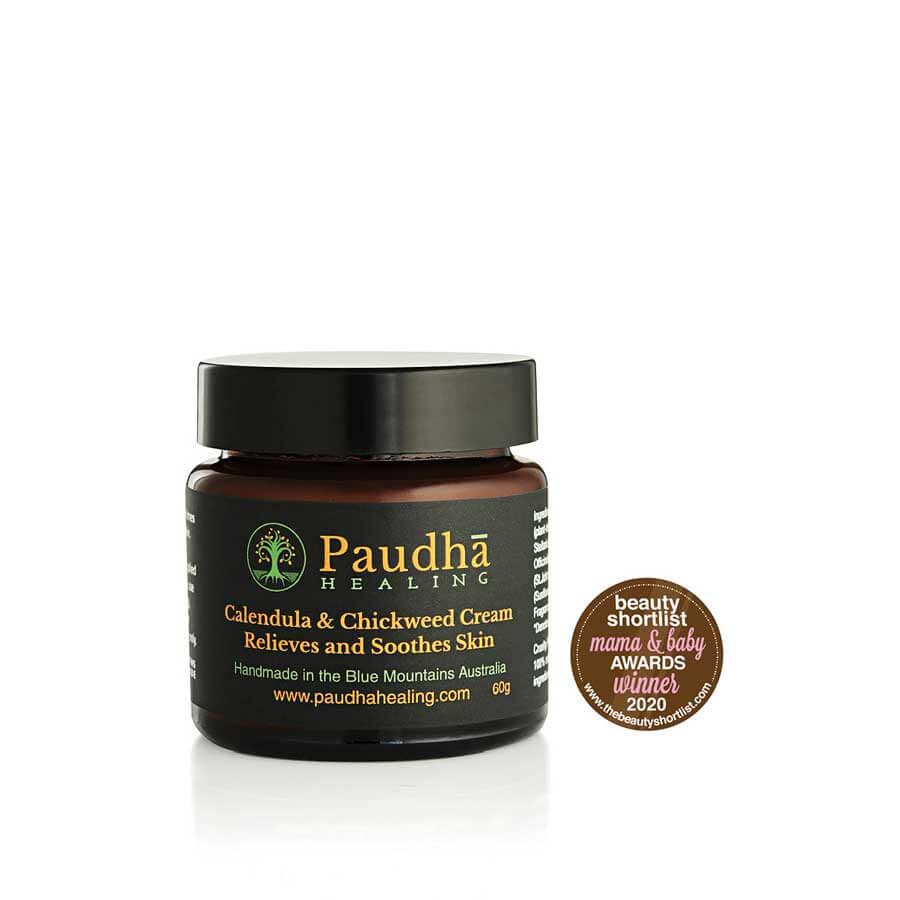
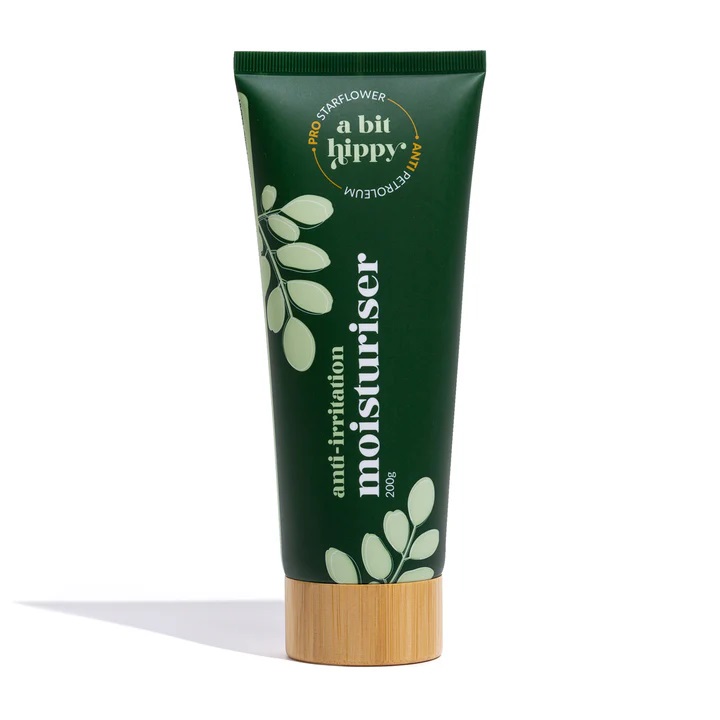
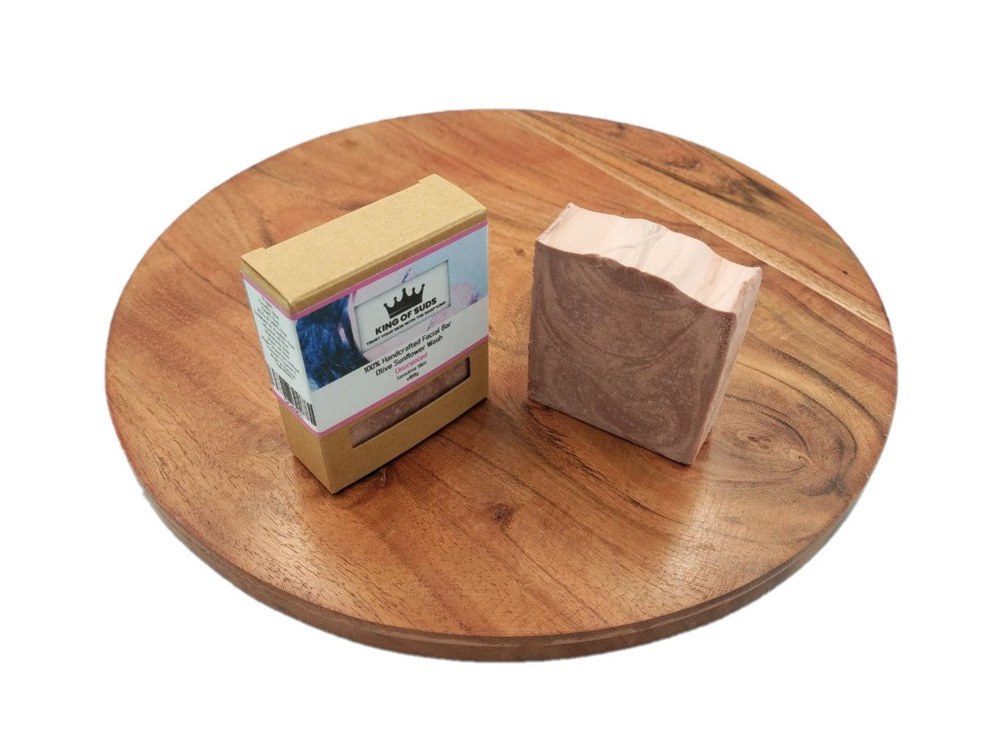
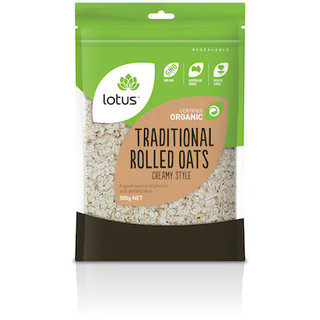
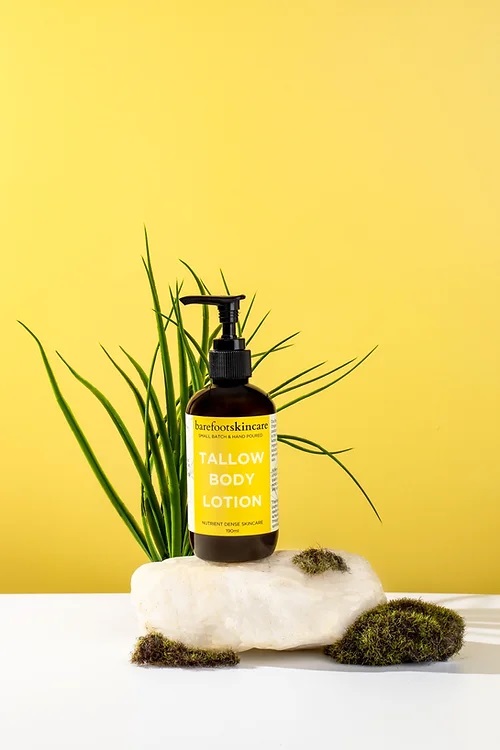
Browse Skin Care and Body Care, or ask us in store to check the ingredient list of anything before you buy.