











Vitamin D in a sunny country: why so many Australians still run low

Australia has some of the strongest sunlight in the world, so it surprises people to hear that low vitamin D is common here. In the Australian Health Survey, close to one in four adults had a vitamin D level below the healthy cut-off. Most of those cases were mild, but the number climbed to about one in three over winter. This guide covers why that happens, how much sun is enough without risking your skin, and what to look for if you decide a supplement makes sense.
What vitamin D does
Vitamin D helps your body absorb calcium and phosphate from food, which is why it matters for bones, teeth and muscles. It also plays a part in normal immune function. Children who are very low can develop rickets, and adults who stay low for a long time have a higher risk of soft bones and fractures later in life. Unlike most vitamins, food supplies only a small share of what we need. Most of it is made in the skin when it is exposed to UVB light from the sun.
Why sunny Australia still runs low
The sun has to reach bare skin to do its job, and modern life keeps a lot of us indoors. Office work, long commutes and screens mean many people see the sun mainly through a window, and glass blocks most UVB. A few other things make deficiency more likely:
- Season and latitude. UV is much weaker in winter, especially in the southern states. In the survey, winter deficiency was highest in Victoria, the ACT and Tasmania.
- Darker skin. More melanin means more sun is needed to make the same amount of vitamin D.
- Covering up. People who wear covering clothing for cultural or religious reasons, or for skin cancer history, make less.
- Age and weight. Older skin makes vitamin D less efficiently, and vitamin D is stored in body fat, so people in larger bodies often test lower.
- Time indoors. Shift workers, people in aged care and anyone housebound are at higher risk.
How much sun is enough
This is where vitamin D meets skin cancer, and in Australia both matter. Cancer Council's advice hangs on the UV Index, which you can check in the free SunSmart app or on the Bureau of Meteorology website. When the UV Index is 3 or above, which in Sydney is most of the year, most people make enough vitamin D from a few minutes outside on most days, during everyday activities like walking to the shops. Sun protection is still recommended at those times, and you do not need to go without it to keep your levels up.
When the UV Index drops below 3, which happens on winter days and early or late in the day, sun protection is not needed, and that is the time to get outdoors with your arms and face uncovered. People at higher risk may need a bit longer. What nobody needs is sunburn: it does not top up your vitamin D any faster, and it raises your skin cancer risk.
A test before a tub. Your GP can order a blood test if you have a risk factor, such as dark skin, little time outdoors, a condition that affects absorption, or osteoporosis. Medicare covers the test for people at risk. Knowing your number tells you whether you need a supplement at all, and how much.
Food sources
Few foods contain much vitamin D, but the ones that do are worth knowing. Oily fish leads the list: salmon, sardines and mackerel all contain useful amounts, and tinned versions count. Egg yolks add a little. Mushrooms that have been exposed to UV light make vitamin D the same way skin does, and some brands sell them that way, labelled as high in vitamin D. A few margarines and plant milks are fortified too. Cod liver oil is also a source, but it is very high in vitamin A, so keep to the label dose and check with your doctor during pregnancy.

Choosing a supplement
If your GP has said you are low, or you know you get very little sun, a supplement is an easy fix. A few things to look for on the label:
- D3 rather than D2. Vitamin D3 (cholecalciferol) raises blood levels more reliably than D2. Most D3 is made from sheep's wool lanolin, so if you are vegan, look for D3 from lichen or microalgae.
- Check the dose. Labels list IU, micrograms or both. 1000 IU is 25 micrograms. Common daily doses are 1000 to 2000 IU, but the right amount depends on your blood level, so follow your GP's advice. The upper limit for adults in Australia is 80 micrograms (3200 IU) a day, unless your doctor has prescribed more.
- Take it with food. Vitamin D is fat soluble, so taking it with a meal that contains some fat helps you absorb it.
- Combinations. D3 is often paired with vitamin K2, which works alongside it in handling calcium. The research on taking them together is still developing, and K2 is not suitable for anyone on warfarin, so ask first if you take a blood thinner.
More is not better. Vitamin D builds up in the body, and very high doses over time can raise calcium levels too far. A retest after a few months shows whether your dose is right. If you also take an omega 3 or a magnesium supplement, our guides to fish oil and algae oil and choosing a magnesium cover those.
Spring is a good time to reset
Levels tend to bottom out at the end of winter, which makes spring a natural moment to check in. Spend a few minutes outside on most days, put oily fish on the menu once or twice a week, and talk to your GP about a test if you have any of the risk factors above. For many people that is enough, and for the rest a small daily capsule does the job.
Vitamin D picks from our shelves
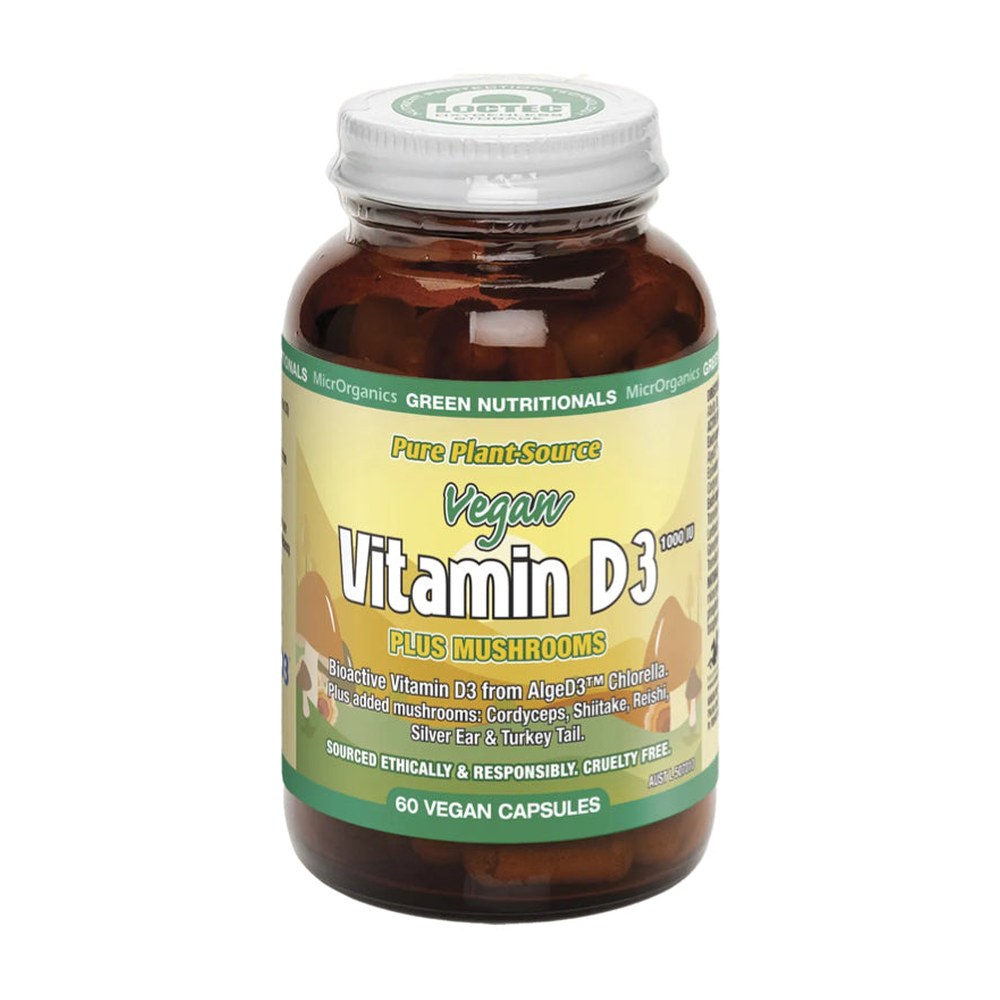
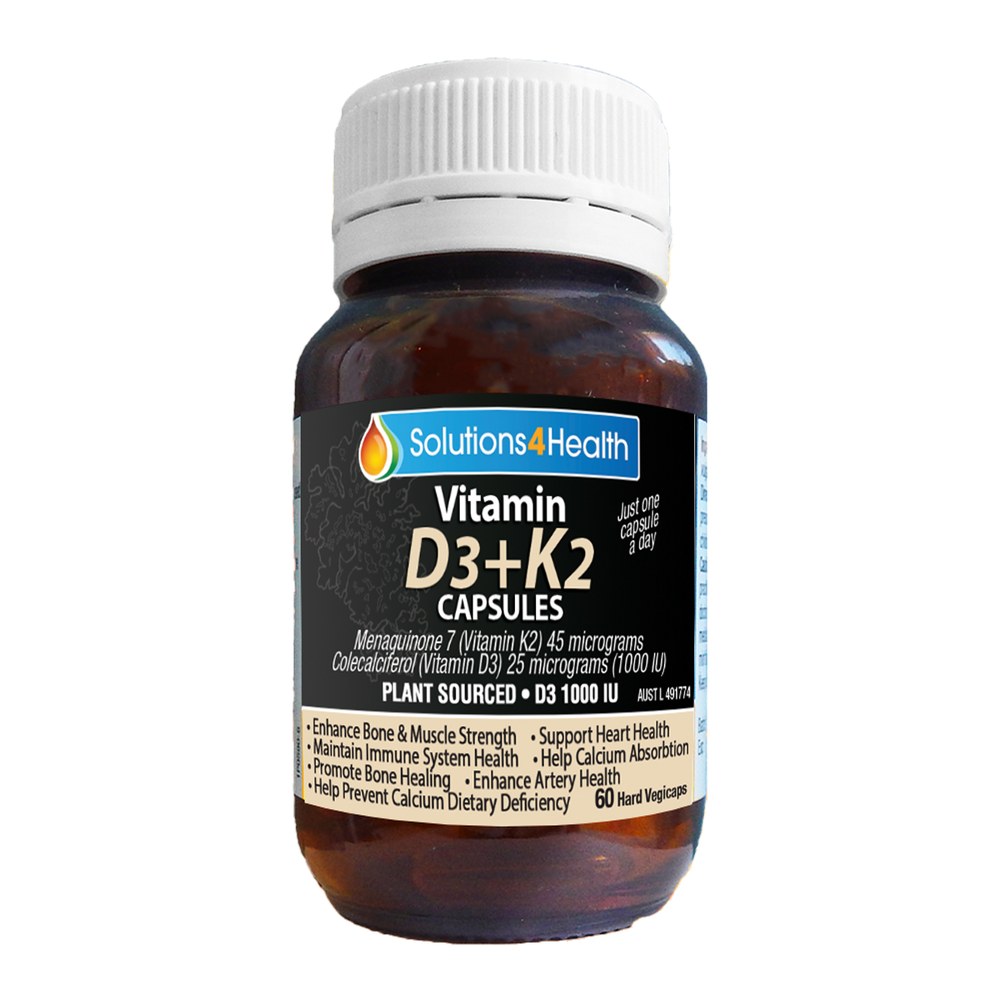
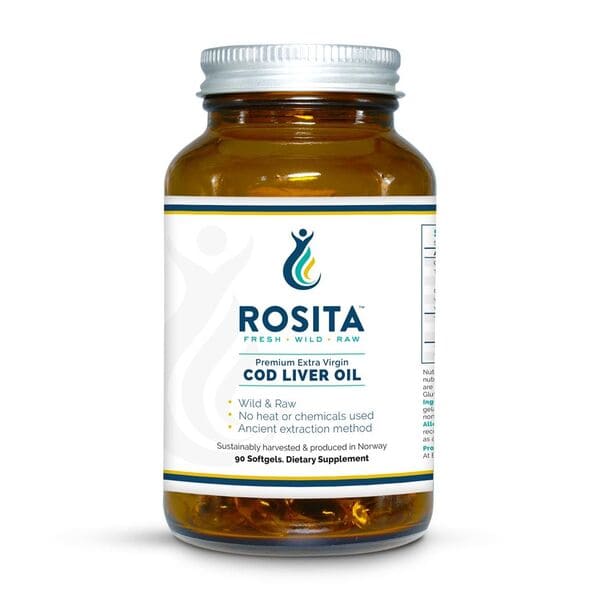
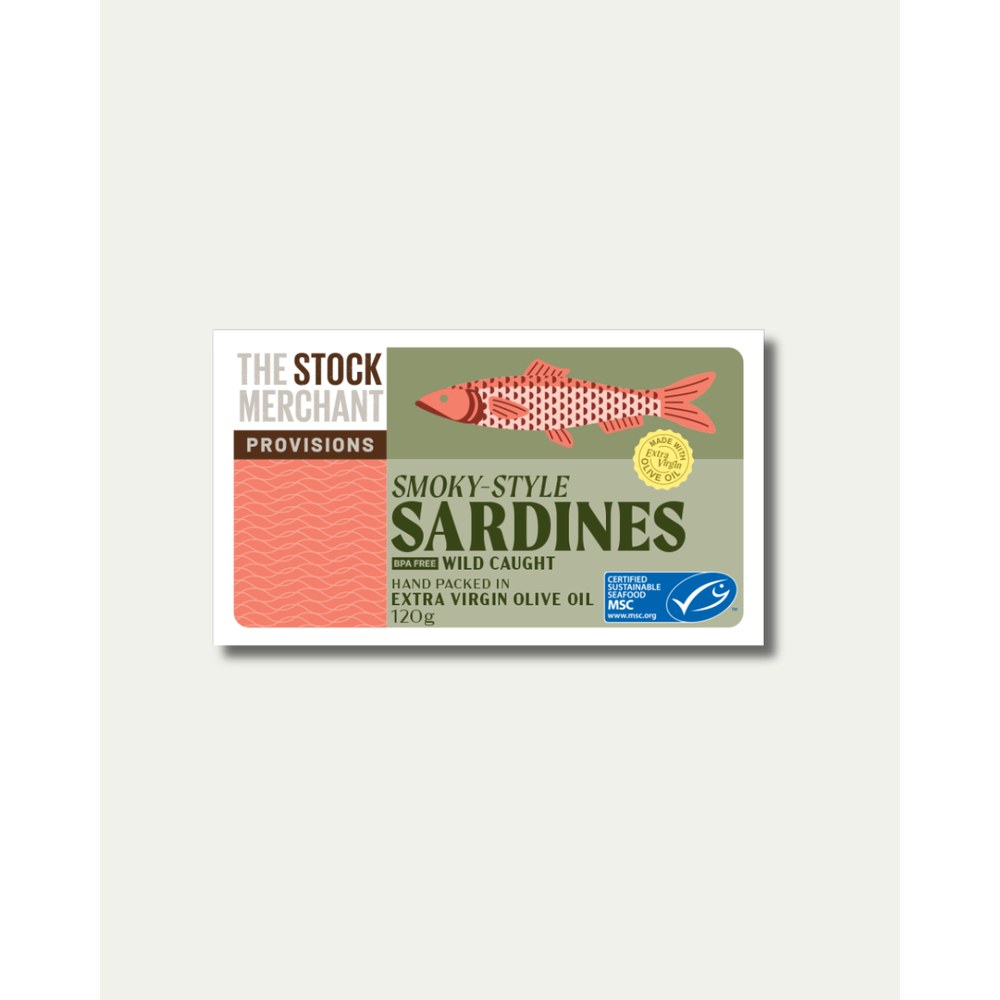
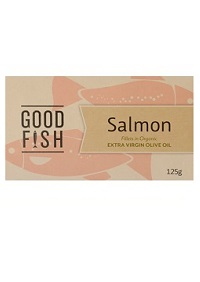
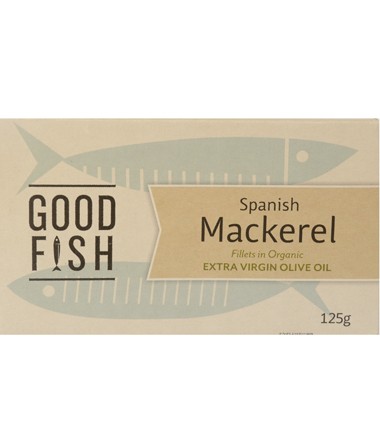
See more in Vitamins and Supplements and Canned Goods. Supplements should not replace a balanced diet. Always read the label and follow the directions for use.