





Bloated after the Christmas party? What actually helps your digestion over the holidays
Between the work party, the long lunches, the leftover pudding and the one more drink, December is hard work for your digestion. Bloating, heartburn and that heavy, overfull feeling are some of the most common things people ask us about at this time of year. Most of it is simply a busy gut doing its best with more food, more alcohol and less routine than usual. Here is what tends to help, which natural remedies have some evidence behind them, and the signs that mean it is time to see your GP rather than reach for the tea.
Start with the habits
No supplement works as well as a few simple changes, and they cost nothing:
- Slow down. Eating fast and talking while you eat means swallowing air, which is one of the most common causes of bloating. Put the fork down between mouthfuls.
- Go for a walk. A gentle 10 to 15 minute walk after a big meal helps move food and gas along, and evens out the blood sugar spike.
- Pace the plate. Smaller servings, and a pause before seconds, give your stomach time to signal that it is full.
- Easy on the bubbles. Champagne, beer and soft drinks add gas. Alternate alcoholic drinks with water.
- Leave a gap before bed. Lying down on a full stomach makes reflux more likely. Try to finish eating two to three hours before sleep.
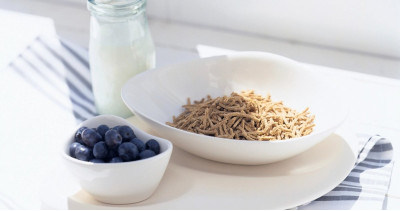
- Keep your fibre steady. A sudden jump in fibre causes wind; so does a week of white bread and pavlova followed by a giant salad. Our fibre guide explains how to build it up gently.
Natural remedies worth knowing
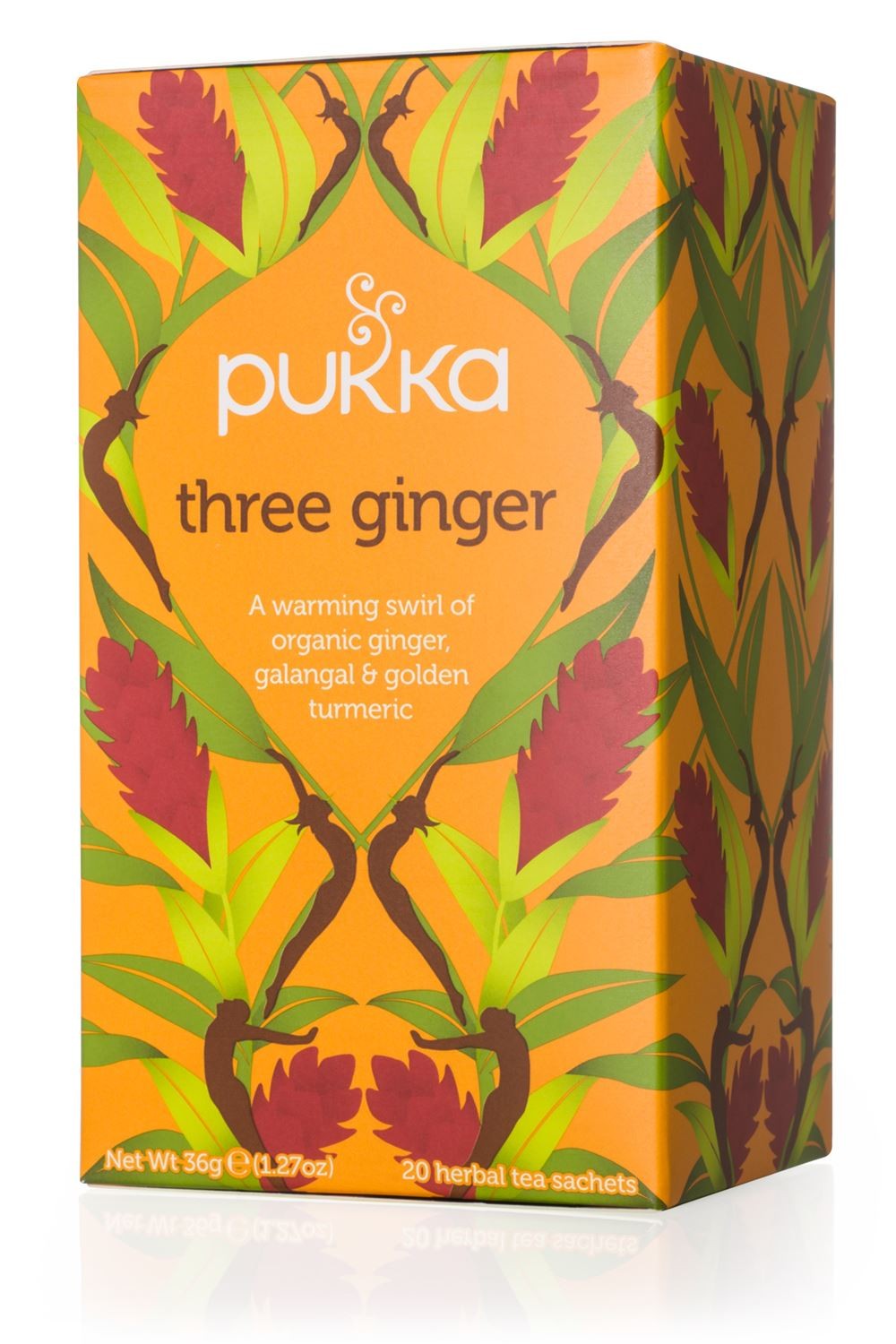
Ginger has the best evidence of any kitchen remedy for nausea, including morning sickness and motion sickness, and it may help the stomach empty a little faster. A tea made from fresh sliced ginger, a ginger tea bag or a couple of strong ginger lollies are easy ways to take it. Ginger is generally safe, but large amounts can cause heartburn, and people on blood thinners should check with their pharmacist before using concentrated supplements.
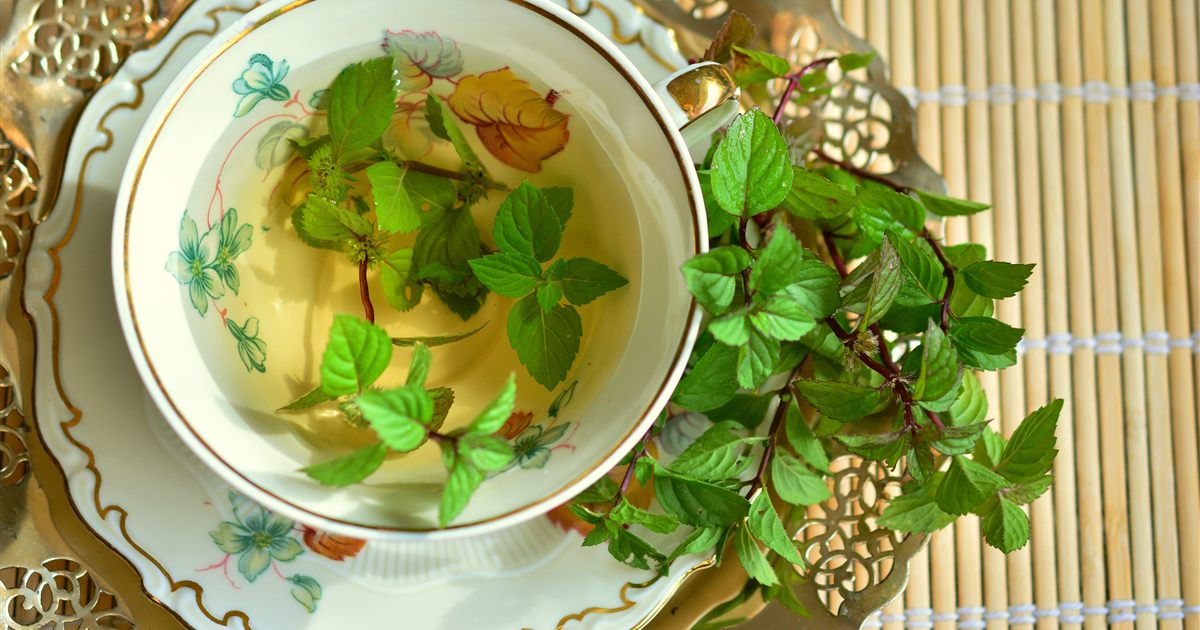
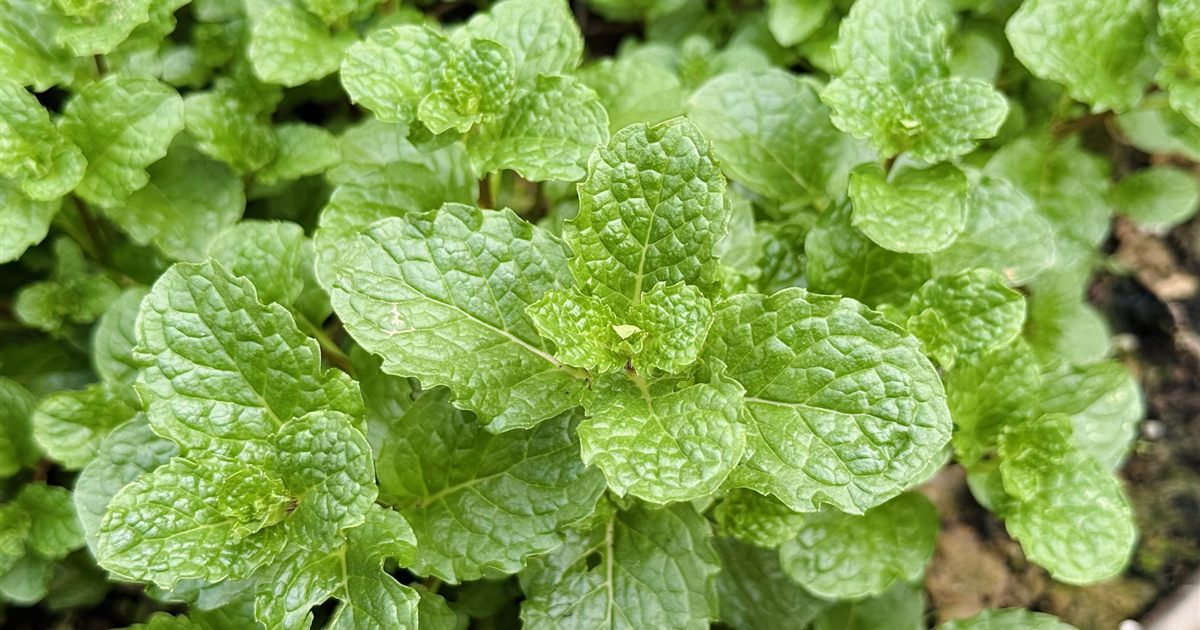
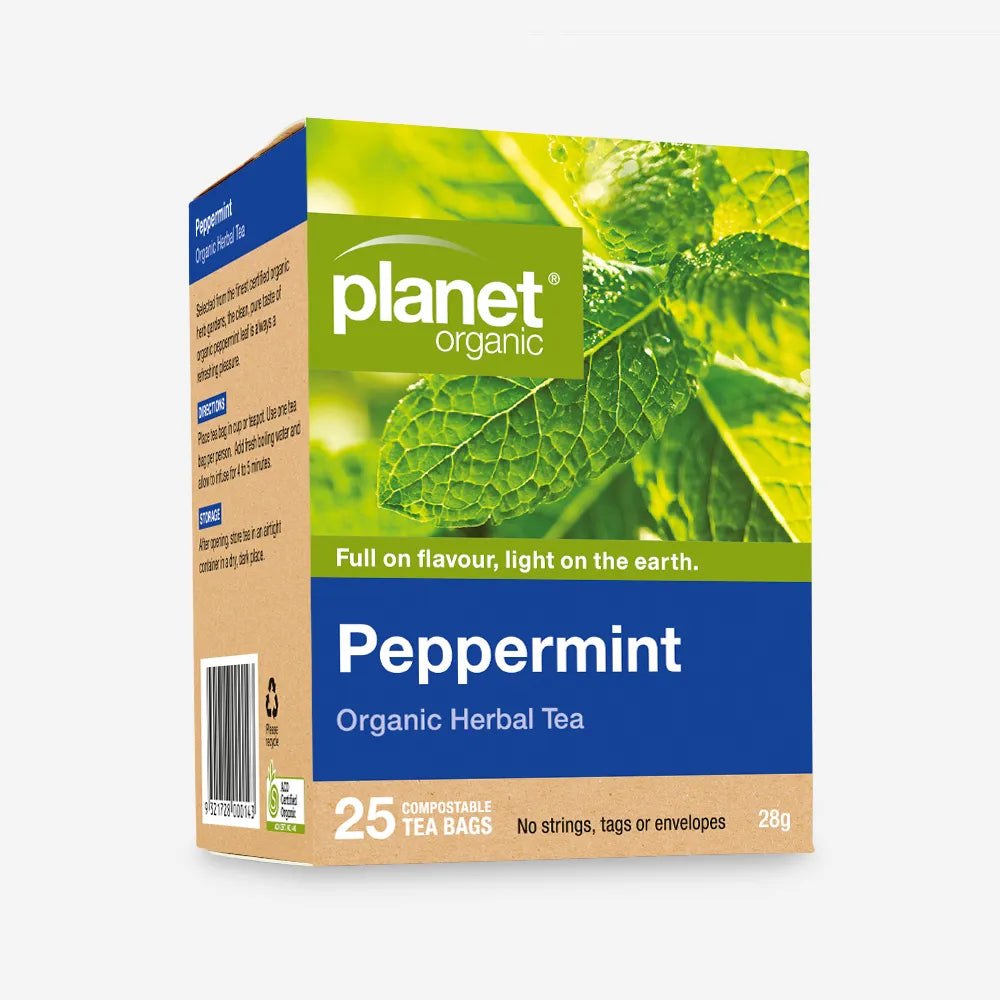
Peppermint relaxes the muscles of the gut, which is why it can ease cramping and wind. Enteric coated peppermint oil capsules have good evidence for irritable bowel syndrome. There is a catch: peppermint also relaxes the valve at the top of the stomach, so it can make heartburn and reflux worse. If your problem is burning rather than bloating, choose ginger or chamomile instead.
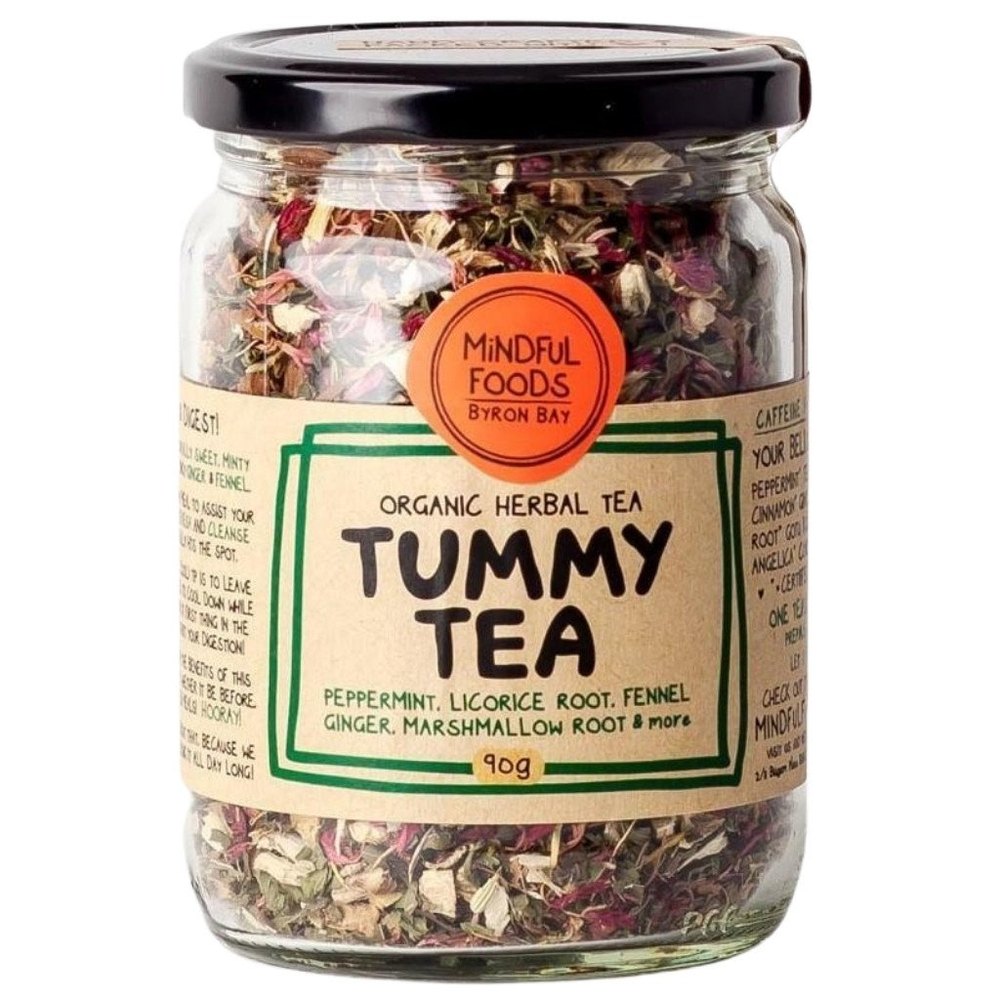
Fennel, chamomile and other herbal teas have a long traditional use for wind and an unsettled stomach. The research is lighter, but a warm, caffeine free cup after dinner is a pleasant habit that also replaces another glass of wine.
Bloating or burning? Bloating and cramping often respond to peppermint, fennel and a walk. Burning behind the breastbone, a sour taste or a cough at night point to reflux, where peppermint, coffee, alcohol, chocolate and big late meals tend to make things worse. Knowing which one you have makes choosing a remedy much easier.
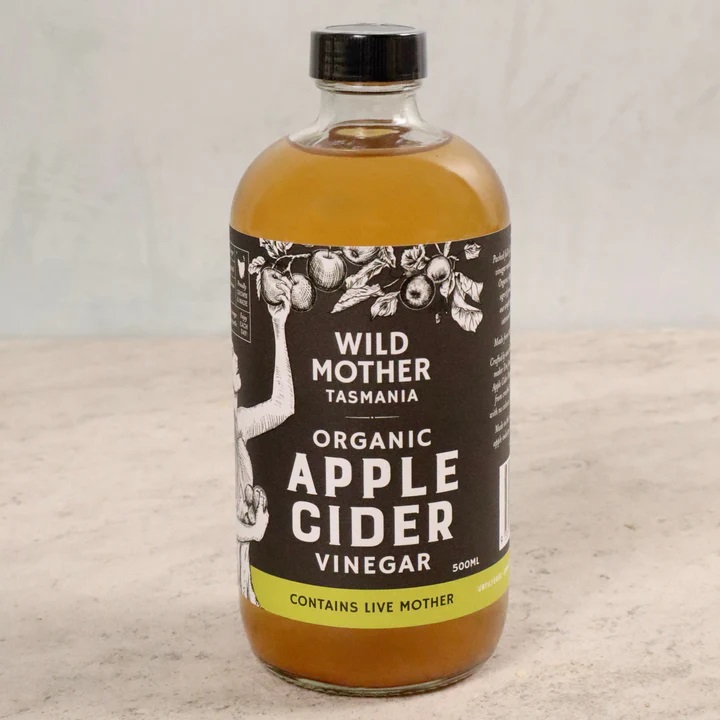
Apple cider vinegar is popular before meals. There is some evidence it can soften the blood sugar rise after a carbohydrate meal, but little evidence for bloating or indigestion. If you like it, dilute a tablespoon in a glass of water, drink it through a straw to protect your teeth, and skip it if you have reflux. We go into more detail in apple cider vinegar: what it can and cannot do.
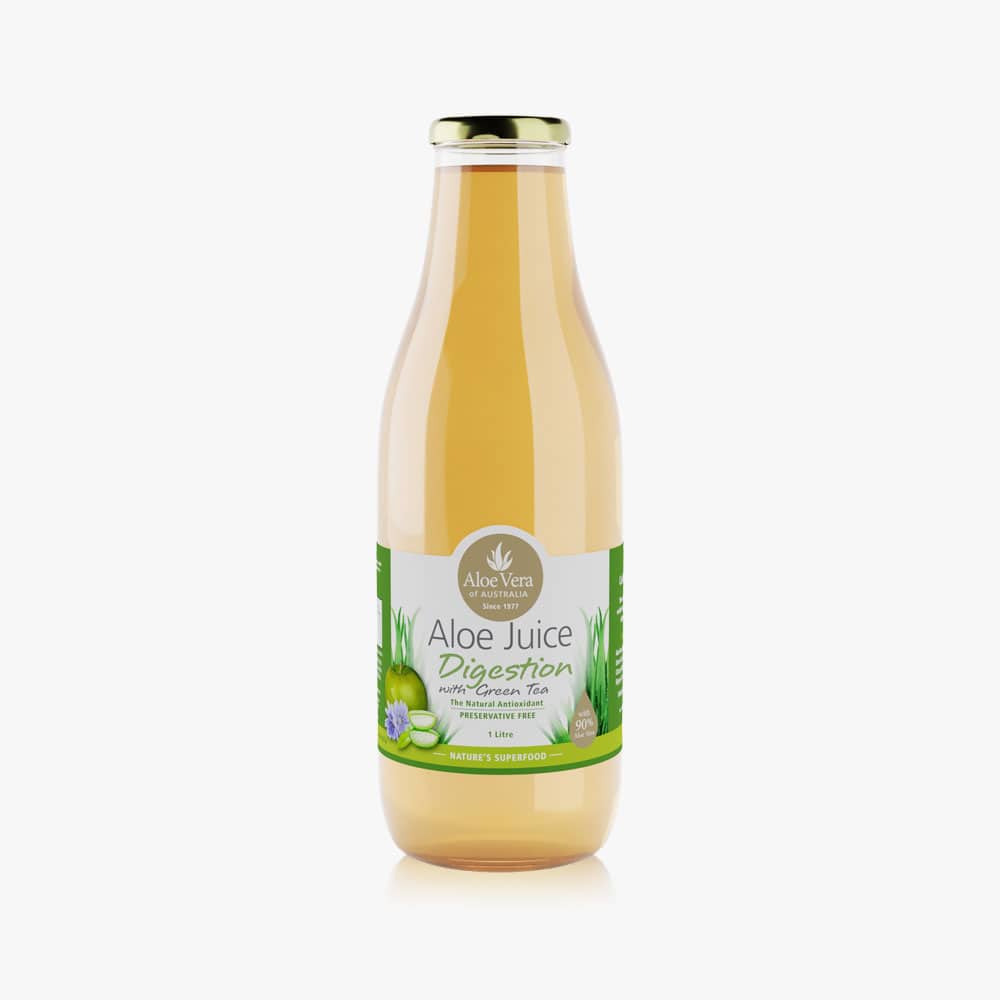
Aloe vera juice made from the inner leaf gel is used traditionally to soothe the gut. Choose a product made from the inner fillet with the aloin removed, since whole leaf aloe with aloin is a strong laxative. It is not recommended in pregnancy.
Probiotics and fermented foods may help some people with bloating over time, but they are a longer term project rather than a quick fix for one big lunch. Our guide to gut health without the hype covers what to look for.
When to see a doctor
Occasional bloating after a big meal is normal. Some symptoms are not, and they deserve a proper check rather than home remedies:
- bloating that is there most days for more than three or four weeks, especially for women over 50
- heartburn more than twice a week, or needing antacids most days
- difficulty or pain when swallowing
- unexplained weight loss, vomiting, or blood in your vomit or stools
- a lasting change in your bowel habits
- severe abdominal pain, or chest pain, which needs urgent care: call 000
If you have coeliac disease, inflammatory bowel disease or another diagnosed gut condition, check with your practitioner before adding new herbs or supplements.
Digestion picks from our shelves

See more in Vitamins and Supplements and Drinks. Always read the label and follow the directions for use. If symptoms persist, talk to your health professional.