





Prenatal vitamins in Australia: folic acid, iodine and the rest of the label

The prenatal shelf can feel crowded when you are trying to conceive or have just found out you are pregnant. There are formulas for each trimester, for breastfeeding, with ginger, without iron, and with folate in three different forms. Underneath all of that, the Australian advice is simple: two nutrients matter for almost everyone, and the rest depends on your diet and your blood tests. This guide walks through both, so you can choose with confidence and have a clear list of questions for your GP or midwife.
When to start
Earlier than most people expect. The baby's neural tube, which becomes the brain and spinal cord, forms in the first few weeks of pregnancy, often before a test shows positive. That is why the recommendation is to start folic acid at least one month before you try to conceive, and keep going for the first three months of pregnancy. If you are planning, starting now is the right time.
Folic acid: 400 micrograms a day
Taking folic acid before and in early pregnancy lowers the risk of neural tube defects such as spina bifida. The standard dose is at least 400 micrograms a day. Some people need a much higher dose prescribed by their doctor, including those with a previous pregnancy affected by a neural tube defect, diabetes, a higher body weight, or who take certain medicines for epilepsy. If any of those apply, talk to your GP before you choose a supplement.
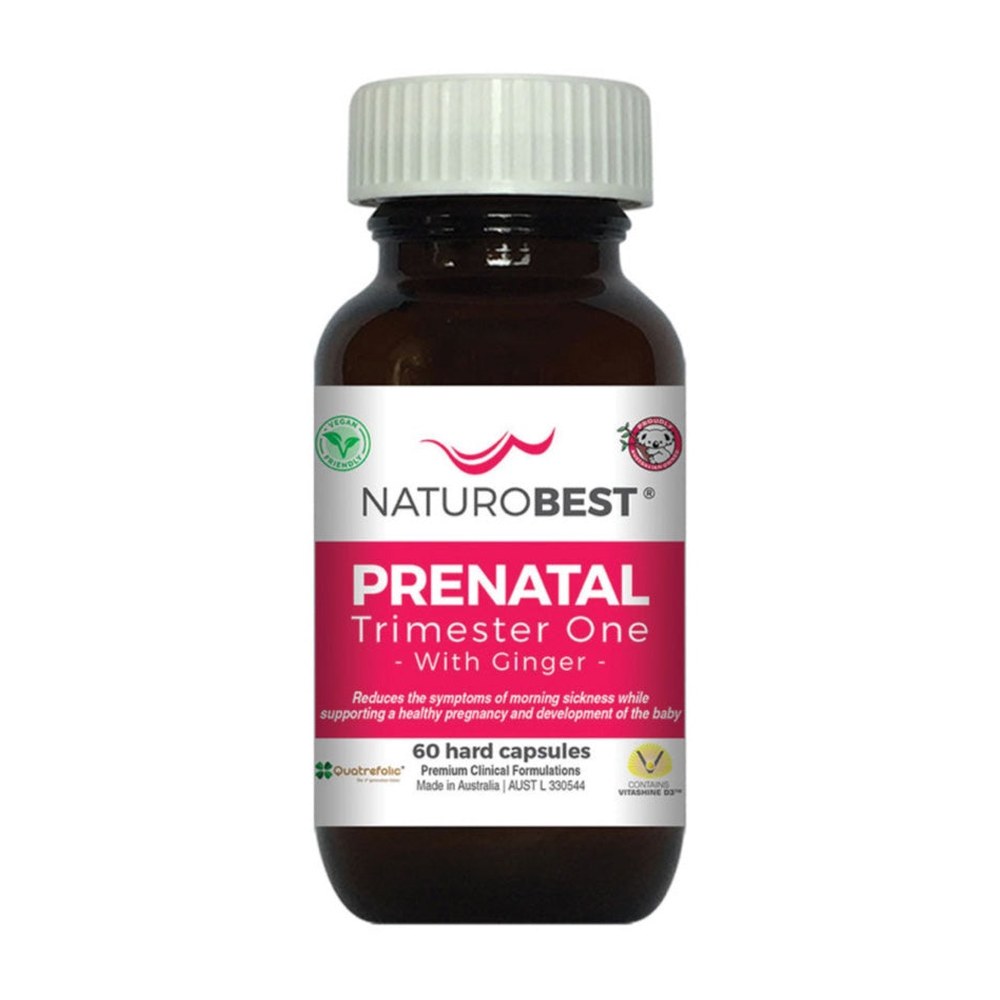
You will see folate listed in different ways. Folic acid is the form used in most of the research. Methylfolate, sometimes written as 5-MTHF, calcium folinate or Quatrefolic, is an active form that the body does not need to convert. Both raise folate levels. Some people prefer methylfolate, particularly if they have been told they carry an MTHFR gene variant, and that is worth discussing with your doctor. What matters most is that the dose is there every day.
In Australia, flour used for bread has had folic acid added since 2009. Certified organic bread is exempt, so if most of your bread is organic, you are getting less folic acid from food than the average person.
Iodine: 150 micrograms a day
Iodine helps make thyroid hormones, which a baby needs for normal brain development. Needs rise in pregnancy and while breastfeeding, and Australian soils are low in it. The NHMRC recommends that women who are pregnant, breastfeeding or planning a pregnancy take an iodine supplement of 150 micrograms a day. If you have a thyroid condition, check with your doctor first. Organic bread is also exempt from the iodised salt rule, which adds another reason to check that your prenatal contains iodine. Avoid kelp tablets and kelp powders as your iodine source in pregnancy, since the amount in them varies too much.
Read the back, not the front. Turn the bottle over and find two lines: folic acid or folate at 400 micrograms or more, and iodine at around 150 micrograms. If a formula is missing either one, you will need to take it separately.
The nutrients that depend on you
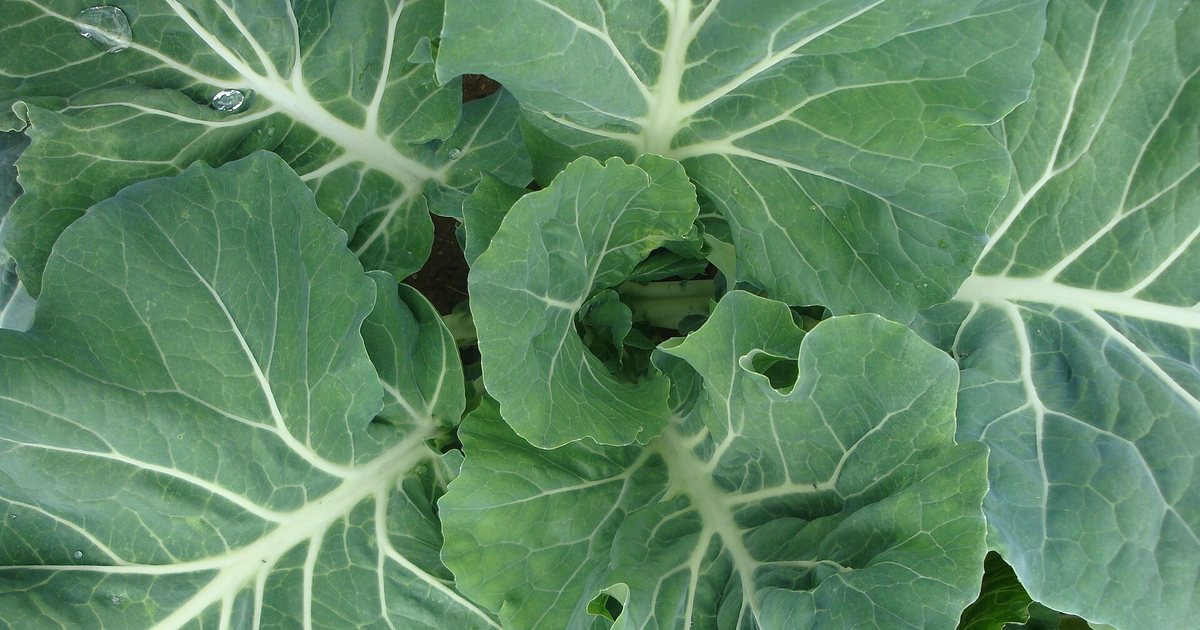
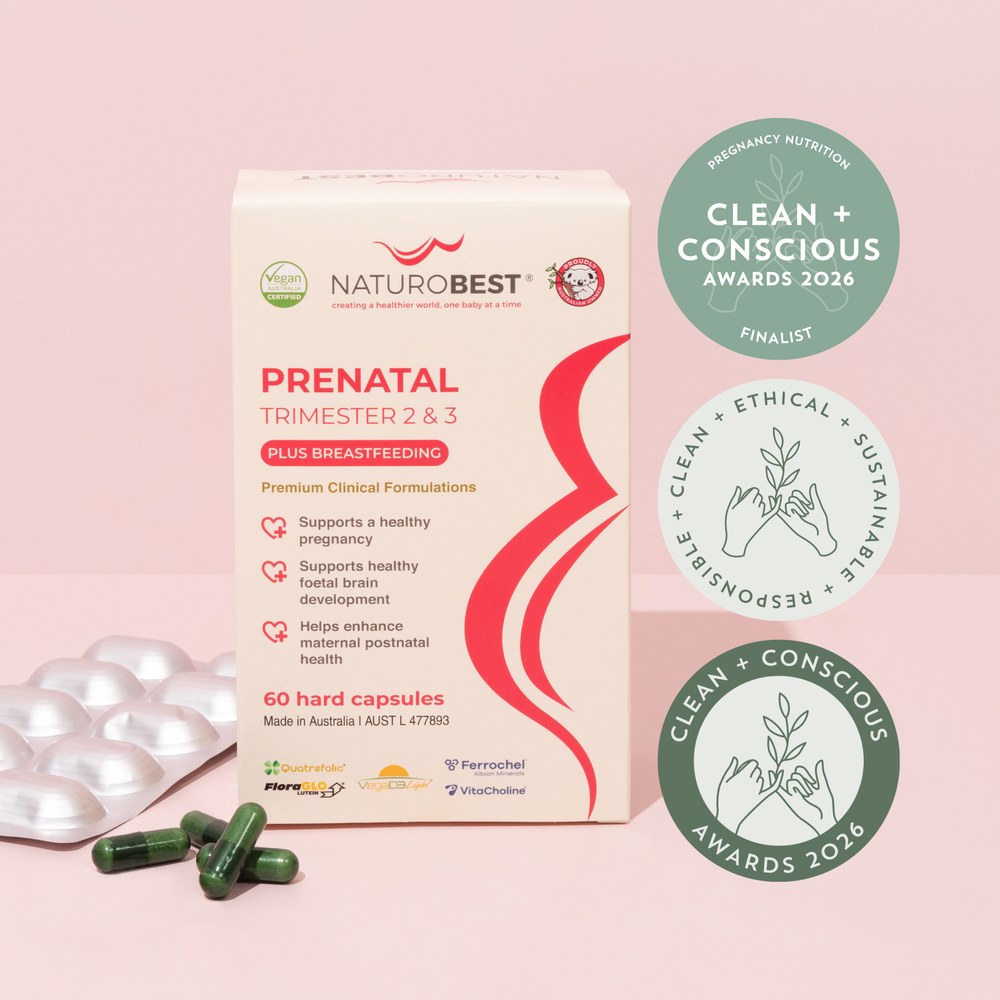
- Iron. Needs climb to 27 milligrams a day in pregnancy, especially in the second and third trimesters. Routine iron supplements are not recommended for everyone, so your GP or midwife will check your levels with a blood test and suggest iron if you need it. Some prenatals contain iron and some do not, which is useful to know when you compare them. Our low iron guide has food sources.
- Vitamin D. If you have darker skin, cover up, or spend little time outdoors, ask for a test. See vitamin D in Australia.
- Vitamin B12. Important if you are vegan or vegetarian. Most prenatals include it, but check the dose with your doctor.
- Omega 3. DHA is part of the baby's brain and eyes. There is evidence that omega 3 supplements may lower the chance of early preterm birth, mainly for women whose intake is low. Two to three serves a week of low mercury fish covers a lot of it; if you do not eat fish, ask about a fish or algae oil.
- Calcium. Most people can meet their needs from food. Dairy, fortified plant milks, calcium-set tofu, tahini and almonds all help.
What to avoid
Vitamin A is the main one. High doses of retinol, the form found in liver and some supplements, can harm a developing baby. Avoid liver and pate, avoid general supplements with high vitamin A, and check with your doctor before taking cod liver oil. Beta carotene, the plant form, is fine.
With fish, choose lower mercury options such as salmon, sardines and tinned tuna in moderation. Food Standards Australia New Zealand advises limiting shark (flake), swordfish and marlin to one serve a fortnight, with no other fish that fortnight. Keep caffeine under 200 milligrams a day, roughly two cups of instant coffee. Cafe espresso varies a lot, so a strong double can use up most of the day's allowance.
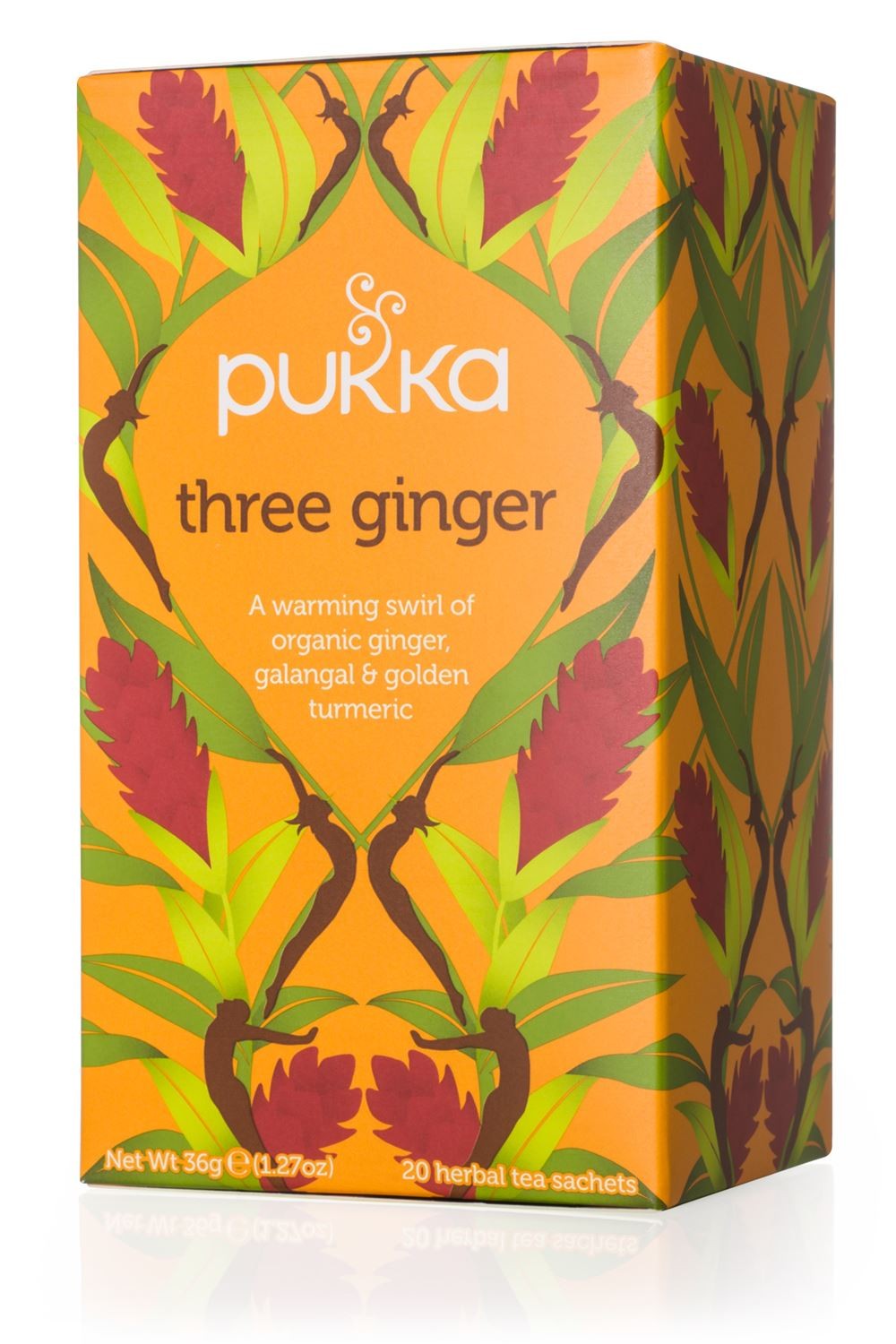
Many herbal supplements have not been tested in pregnancy. Gentle teas like ginger and peppermint are widely used, but check any herbal product, including raspberry leaf, with your midwife or doctor before you start it.
Morning sickness
Ginger has some evidence for easing mild nausea, as tea, in food or in capsules. Small, frequent meals, dry crackers before getting up and sipping fluids often help too. Some first trimester formulas include ginger, and switching your prenatal to the evening can make it easier to keep down. If you cannot keep fluids down, are losing weight, or feel faint, see your doctor promptly, as that needs treatment.
Who to ask
Your GP, obstetrician or midwife should know every supplement you take, including herbal ones. Pregnancy, Birth and Baby runs a free helpline on 1800 882 436, staffed by maternal child health nurses. You are also welcome to bring your current bottle into the shop and compare labels with us.
Prenatal picks from our shelves
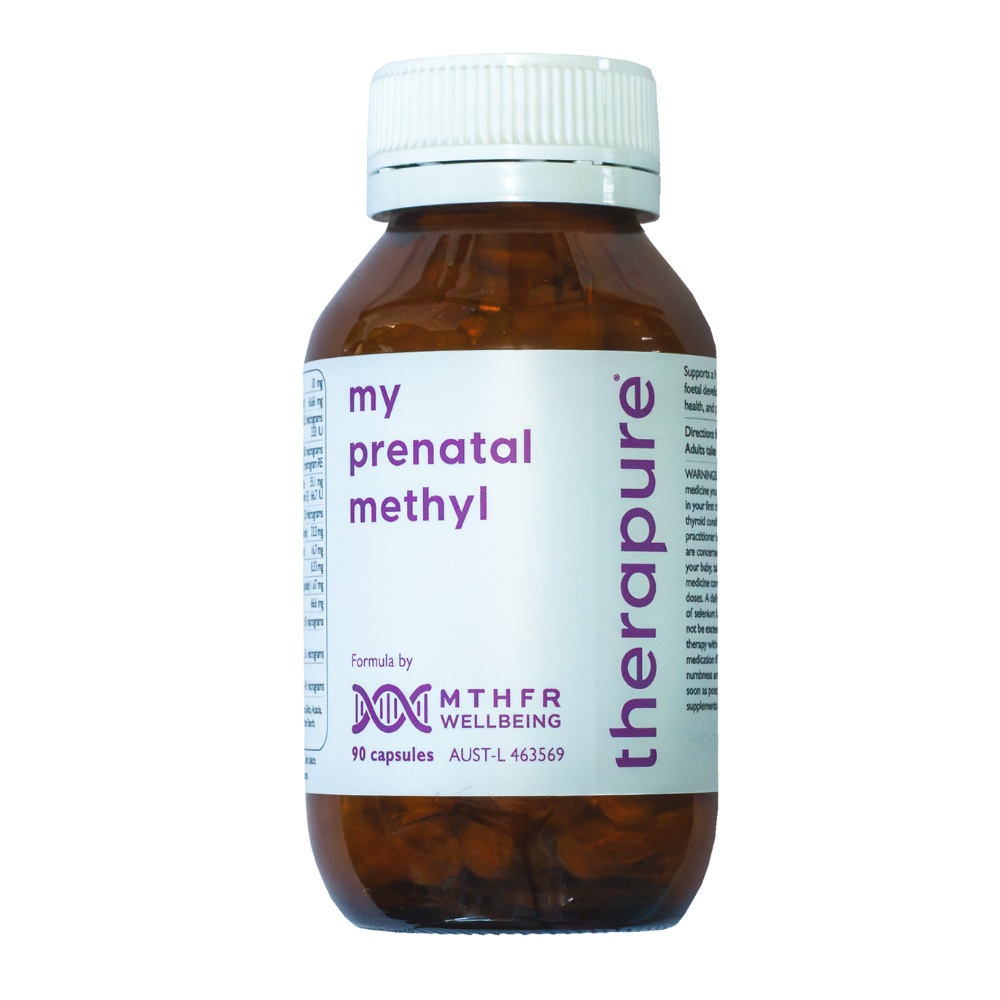
See more in Pregnancy and Vitamins and Supplements. Supplements should not replace a balanced diet. Always read the label and follow the directions for use.