







Does my fussy eater need a multivitamin? A parent's guide to kids' supplements
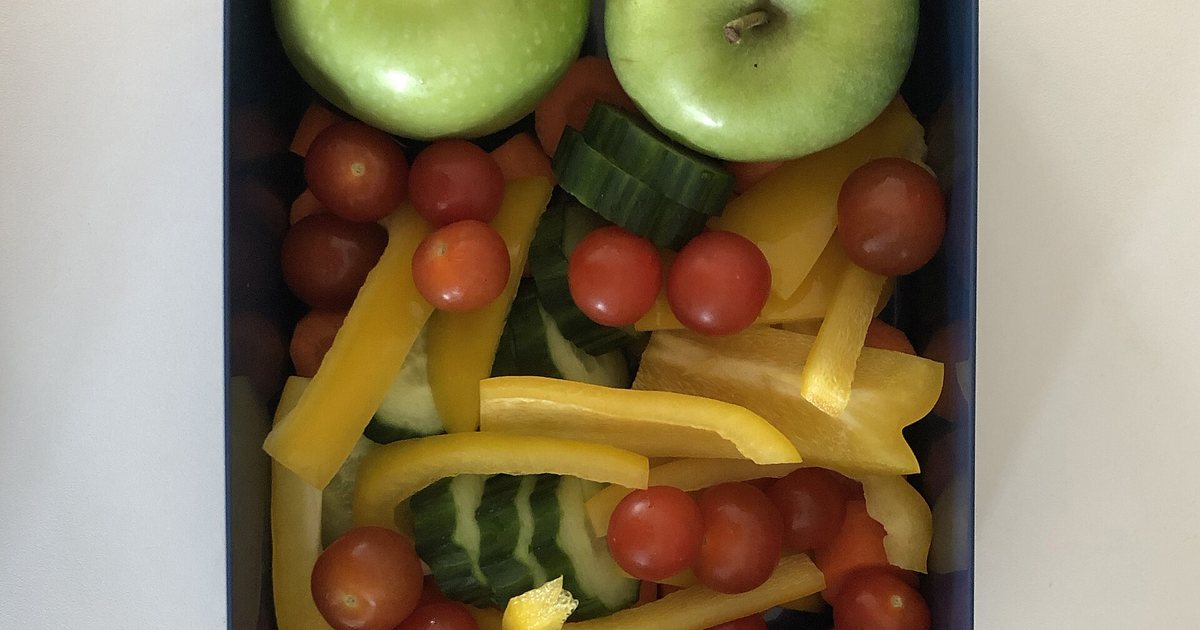
Few things wear a parent down like a child who lives on toast, plain pasta and the occasional banana. It is natural to wonder whether a chewable vitamin would fill the gaps. Sometimes it will. Often it is not needed, and occasionally it hides a problem worth looking at. This guide covers which kids benefit from a supplement, which nutrients to watch, and how to keep the dinner table calm while you widen the menu.
Fussy eating is normal
Most children go through a picky stage, usually peaking between about two and five. Growth slows after the first year, so appetite drops, and wariness of new foods is a normal developmental phase. Many kids need to see and taste a new food ten to fifteen times before they accept it. A child who is growing well, has energy and eats from most food groups across a week, even if not every day, is usually getting what they need.
Kids who may benefit from a supplement
- Very restricted eaters who refuse whole food groups, such as all meat and all vegetables.
- Vegan children, who need a reliable source of vitamin B12, and should have their iron, iodine, zinc and calcium looked at too.
- Children with allergies that cut out dairy, eggs, fish or wheat.
- Kids who spend little time outdoors, or have darker skin, who may run low on vitamin D. Our vitamin D guide explains why.
- Toddlers who drink a lot of cow's milk. More than about 500 ml a day can fill them up and crowd out iron rich foods. Iron deficiency in toddlers is common and affects energy and development.
The nutrients fussy eaters miss most
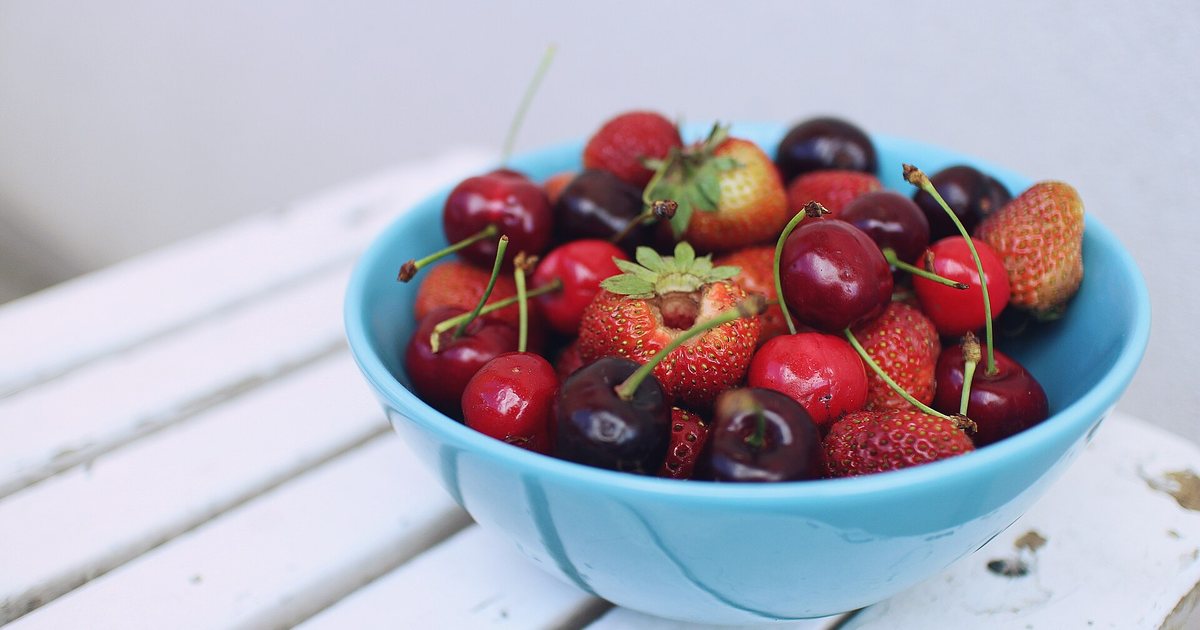
Iron comes mostly from red meat, chicken, legumes and fortified cereals, which are often the first foods a picky eater drops. Zinc travels with the same foods. Fibre drops when fruit, vegetables and wholegrains go, which can lead to constipation and an even smaller appetite. Omega 3 is low in kids who skip fish. Calcium becomes an issue for dairy refusers. A children's multi can cover some of these, but not fibre, and few contain much calcium or omega 3.
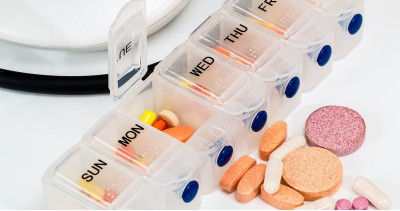
Choosing a children's multivitamin
- Match the age on the label. Doses are set by age, and an adult tablet cut in half is not the same.
- Look for iron and vitamin D if those are the gaps you are worried about. Many gummies leave iron out because of the taste.
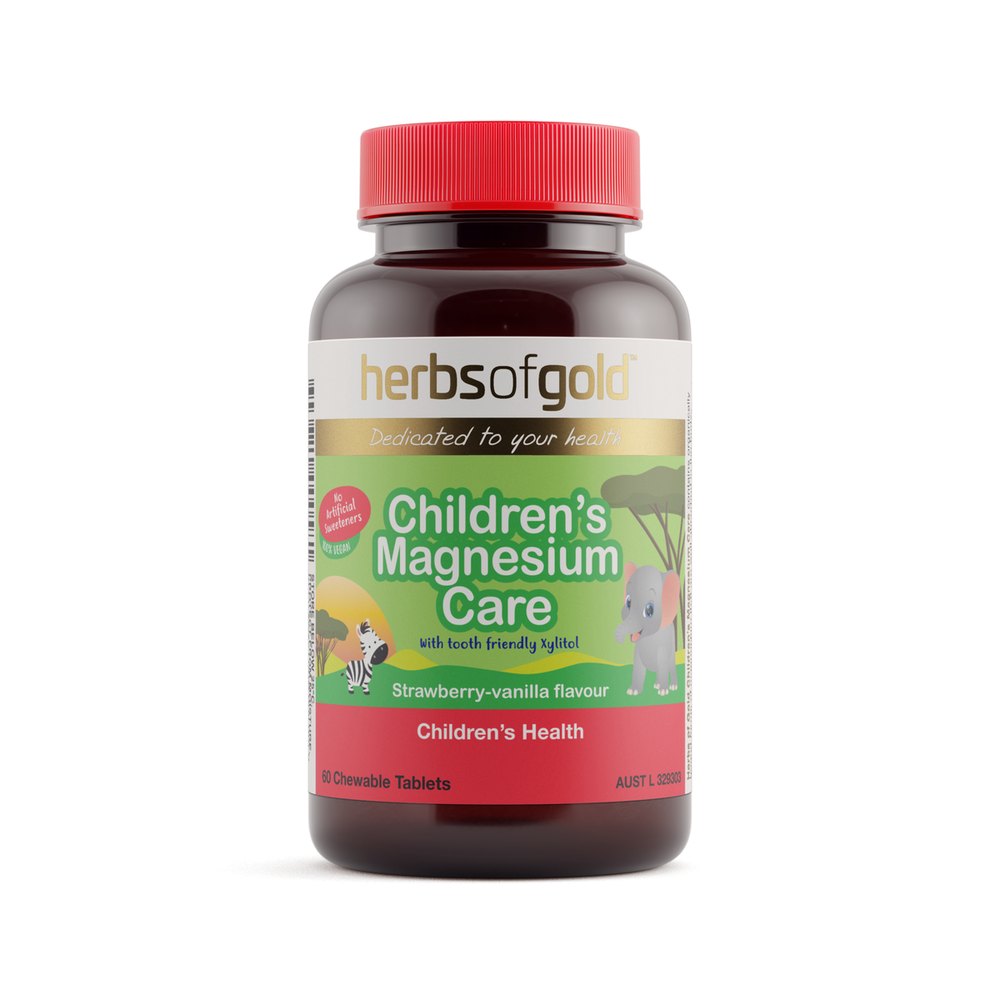
- Check the sugar. Gummies are often sweetened, and they stick to teeth. Give them with a meal and brush afterwards.
- Do not double up. If your child already has a fortified shake or cereal, add up the totals before adding a multi on top.
- Powders and shakes can suit kids who will not chew tablets, and they add a little protein as well.
Store them like medicine. Chewable vitamins look and taste like lollies, and an iron overdose is one of the more dangerous poisonings in young children. Keep every bottle up high with the lid on, and if you think your child has eaten more than the dose, call the Poisons Information Centre on 13 11 26.
What about immune products and fish oil?
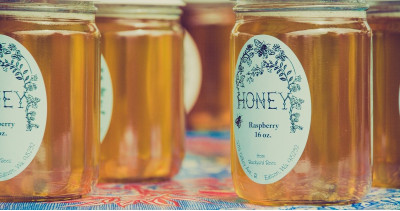
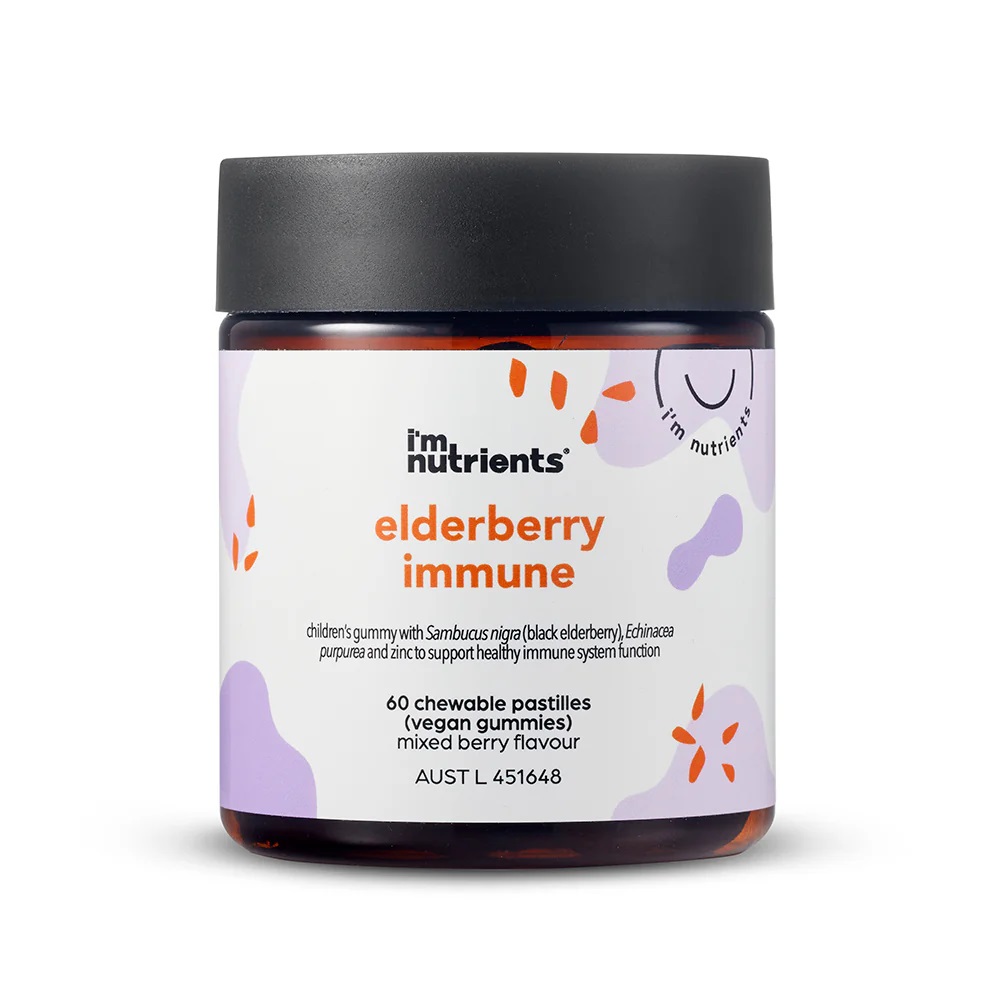
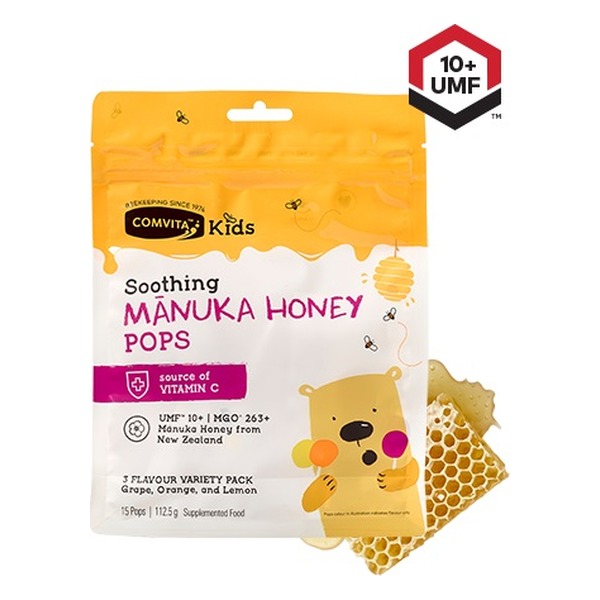
Kids catch a lot of colds, especially in their first years of childcare and school, and that is normal while their immune system learns. Elderberry and echinacea chewables made for children may be worth a try, used for short stretches and at the age shown on the label. Honey lollipops can soothe a sore throat or a cough in children over twelve months. For omega 3, two serves of oily fish a week is the ideal, and salmon patties or sardines on toast often go down better than a fillet. Kids who will not eat fish may suit a children's fish or algae oil; our omega 3 guide explains the difference.
Food first tactics that help
A widely used approach, often called the division of responsibility, splits the job in two: you decide what is served, when and where, and your child decides whether to eat and how much. It takes the pressure off both of you, and pressure tends to make picky eating worse.
- Serve one food you know they will eat alongside something new, on the same plate.
- Keep portions of new foods tiny. One pea counts.
- Eat together when you can, and eat the food yourself without comment.
- Let them help wash, peel, stir and serve. Kids are more likely to taste what they made.
- Blending vegetables into sauces, muffins and smoothies is fine as an extra, as long as you keep serving them whole too, so your child learns what they look and taste like.
- Keep milk and juice to mealtimes so they arrive hungry.
For lunch box ideas, our nut free lunch box guide has plenty.
When to see the GP
Book in if your child is losing weight or dropping off their growth curve, if the list of foods they accept keeps shrinking, if they gag or panic at new foods, or if they seem pale and tired. A blood test can check iron, and a paediatric dietitian or feeding therapist can help with severe fussiness. Before starting a supplement for a child under two, or for any child on regular medication, check with your GP or pharmacist.
Honey, including honey lollipops, is not suitable for babies under twelve months.
For kids on our shelves
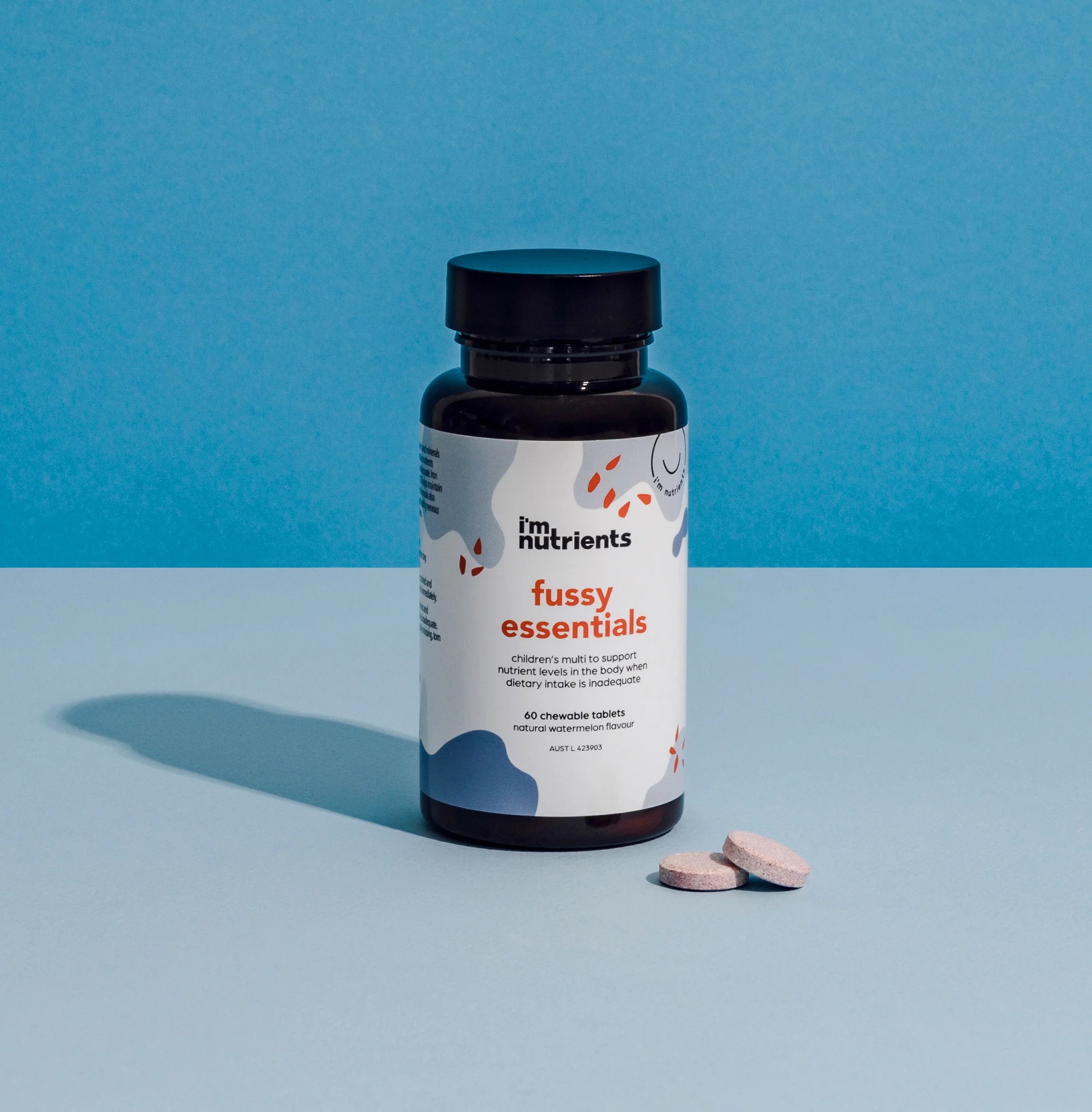
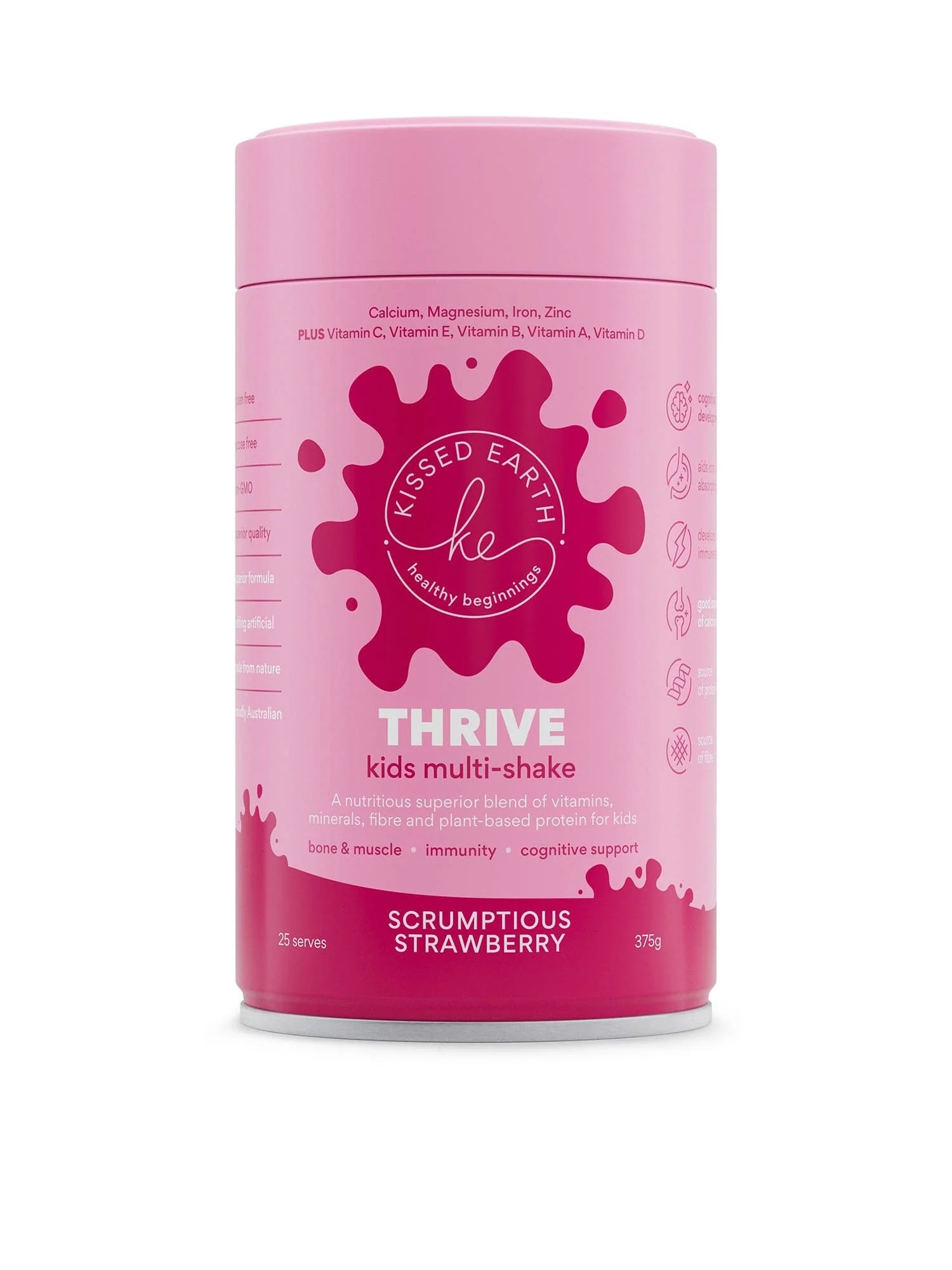
See the full Kids Vitamins range and the rest of Baby & Kids, or ask us in store about what suits your child's age.