











Active B vitamins explained: methylfolate, B12 forms and how to read a B complex label
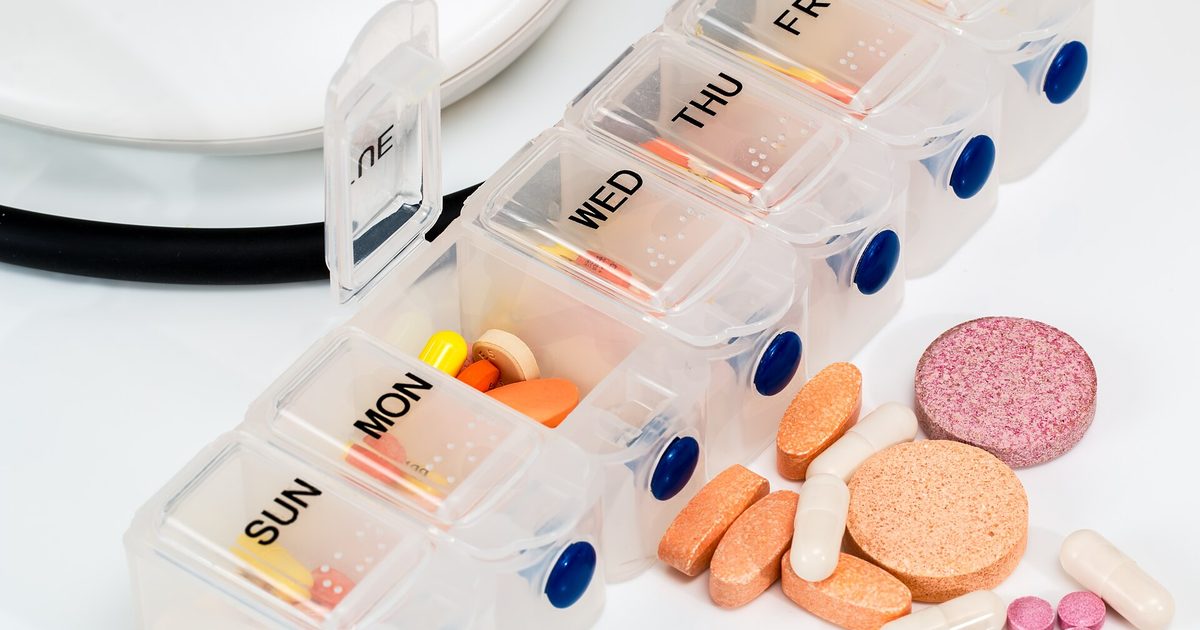
Pick up two B complex bottles on our shelves and the labels can read like different languages. One lists folic acid, cyanocobalamin and pyridoxine. The other says methylfolate, methylcobalamin and P5P, and usually costs more. Both are B vitamins. The difference is the form, and whether your body has to convert it before it can use it. This guide explains what the words mean, who the active forms suit, and when a B supplement is worth taking at all.
What "active" or "methylated" means
Most B vitamins have to be changed inside the body into a working form. Folic acid becomes methylfolate, pyridoxine becomes pyridoxal 5 phosphate, and riboflavin becomes riboflavin 5 phosphate. An "activated" supplement simply supplies the end product, so that step is skipped. For most people the conversion works well and the cheaper forms do the job. The active forms are useful for people whose conversion is slower, and they are often better tolerated, but they are not a stronger or more natural vitamin in themselves.
Folate, folic acid and methylfolate
Folate is the natural form found in leafy greens, legumes, asparagus and avocado. Folic acid is the stable, synthetic form used in supplements and fortified foods. Since 2009, Australian flour for bread making has had folic acid added by law, which has cut the rate of neural tube defects such as spina bifida. Certified organic bread is exempt, so if you only buy organic, you are probably getting less folic acid than your neighbours.
Methylfolate goes by several names on a label: L-methylfolate, 5-MTHF, calcium L-methylfolate, or brand names such as Metafolin and Quatrefolic. It is the form your cells use directly.
For pregnancy, Australian guidance is at least 400 micrograms of folic acid a day, starting a month before conception and continuing through the first three months. Folic acid is the form the research is built on. Methylfolate is a reasonable alternative, and some practitioners prefer it, but do not switch away from a prescribed dose without talking to your GP. Our prenatal vitamins guide covers the rest of that label.

The MTHFR question
MTHFR is the enzyme that turns folic acid into methylfolate. Common gene variants make it work more slowly, and a lot of people carry one. That is why methylfolate is often marketed with the letters MTHFR on the bottle. Having a variant does not mean folic acid fails you; it still gets converted, just less efficiently, and the advice for pregnancy does not change. Genetic testing for MTHFR is not routinely recommended in Australia. If you have been told you carry a variant, a methylfolate product is a sensible choice, and your GP can check your folate and B12 levels with a simple blood test.
The four forms of B12
- Cyanocobalamin: the most studied, most stable and cheapest form. The body removes the tiny cyanide group easily, and it works well for most people.
- Methylcobalamin: one of the two active forms. Popular in sprays, lozenges and liposomal liquids.
- Adenosylcobalamin: the other active form, often paired with methylcobalamin in premium products.
- Hydroxocobalamin: the form used in B12 injections in Australia.
Any of them will correct a low B12 when taken regularly. What matters more is absorption. Your gut can only take in a small amount of B12 at once through its normal pathway, which is why supplements often contain far more than the 2.4 micrograms adults need each day; a small share of a high dose gets through by simple diffusion. People who struggle to absorb B12 at all, for example with pernicious anaemia, need injections rather than tablets.
Who runs low on B12? Vegans and long term vegetarians, people over 50 (stomach acid falls with age), and anyone taking metformin or acid reflux medicines for a long time. Tiredness, pins and needles and poor memory are early signs, and they are easy to miss. A blood test is the only way to know.
B6: check the dose
B6 appears in many products, from B complexes to magnesium powders, sleep formulas and pre-workouts. Over months, high intakes can cause nerve damage in the hands and feet, and it has been reported at lower doses than once thought. Australian labels now carry a warning when a daily dose contains more than 10 milligrams. Add up the B6 across everything you take, and stop and see your GP if you notice tingling or numbness. Pyridoxal 5 phosphate (P5P) is the active form; it still counts towards the total.
Reading a B complex label
- Look at the forms first: methylfolate or folic acid, which B12, P5P or pyridoxine.
- Check the B6 total against the 10 milligram warning line.
- More is not better. Water soluble vitamins you do not use are passed out, and the bright yellow urine after a B complex is harmless riboflavin.
- Take it in the morning with food. B vitamins can feel stimulating at night, and food helps with nausea.
- If you already take a multivitamin, you may not need a separate B complex. Compare the two labels before doubling up.
Food comes first
Wholegrains, legumes, eggs, leafy greens, nuts, seeds and nutritional yeast cover most B vitamins for most people. B12 is the exception for anyone who eats little or no animal food; our guide to eating plant-based explains why. Liver is the richest food source of B12 and folate, which is why freeze dried liver capsules have a following. A B supplement makes most sense when there is a clear reason: a low result on a blood test, a vegan diet, planning a pregnancy, or a medicine that lowers absorption. If you are curious about liquid and liposomal versions, see liposomal vitamins explained.
B vitamins on our shelves
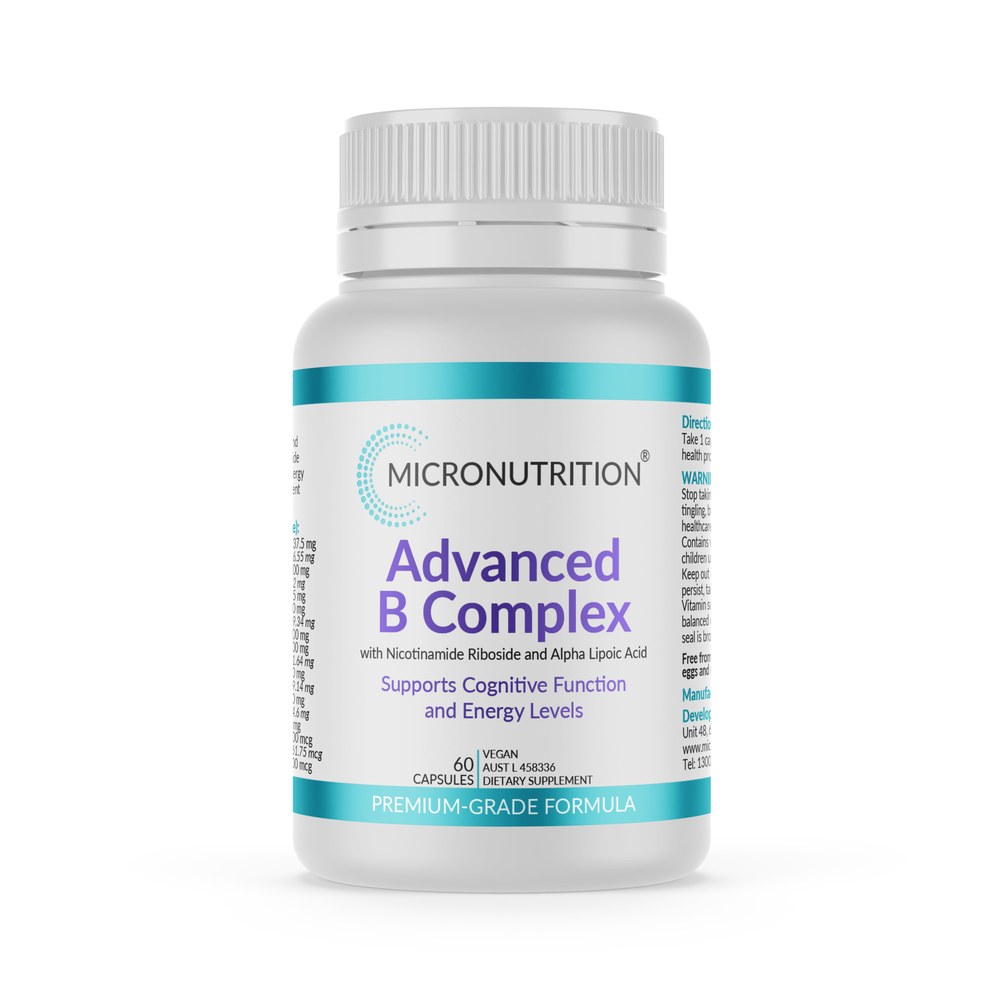
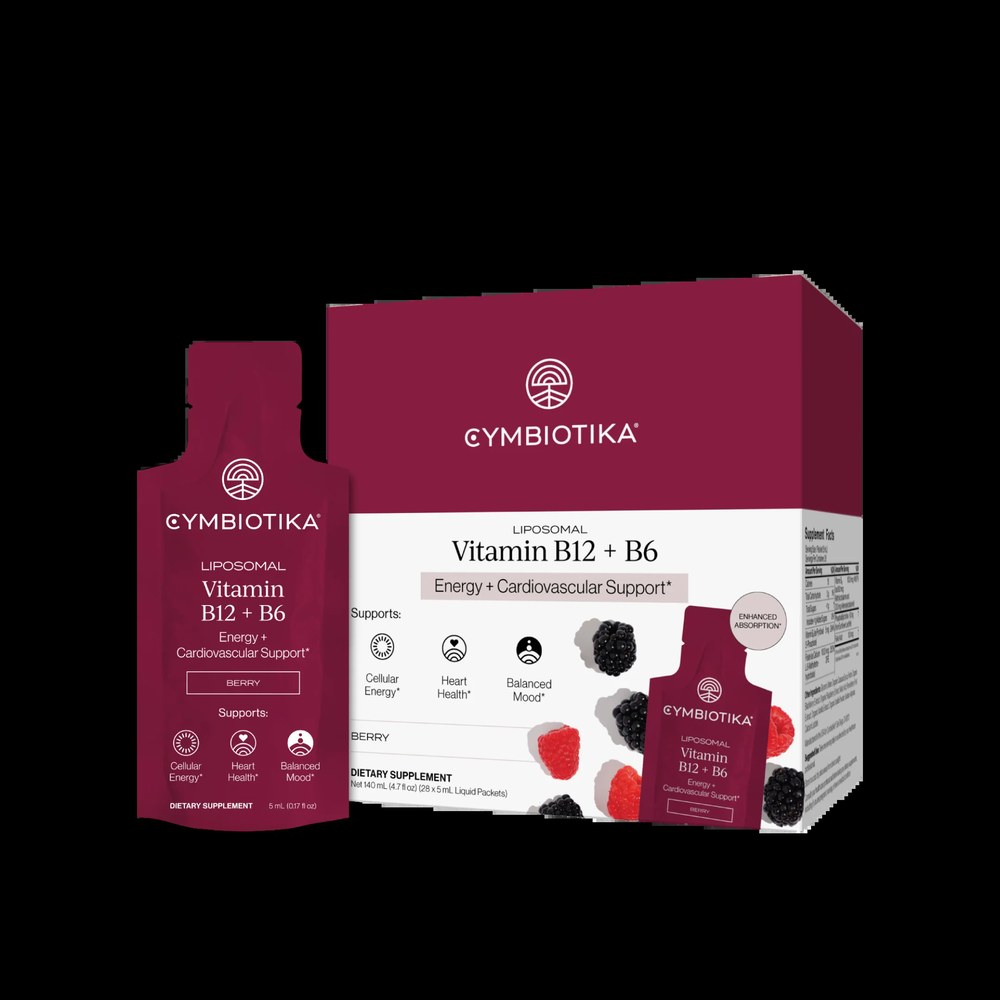
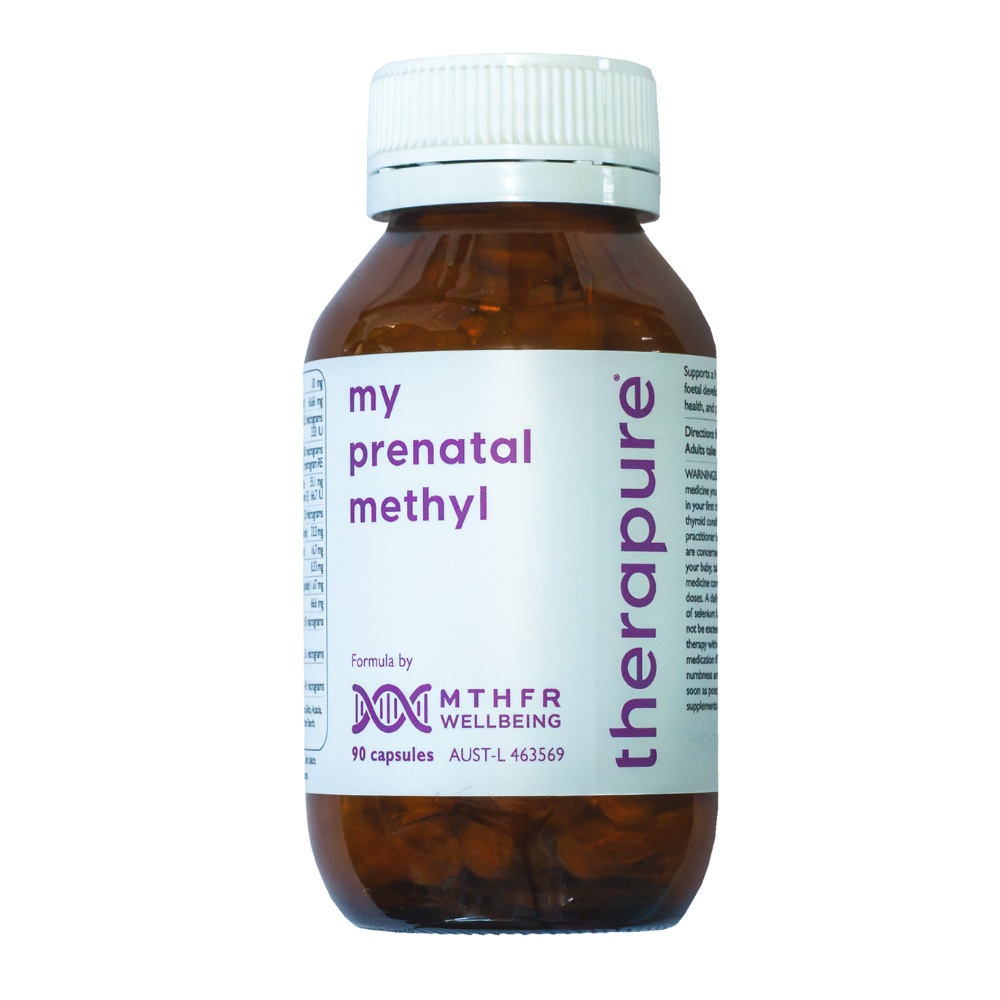
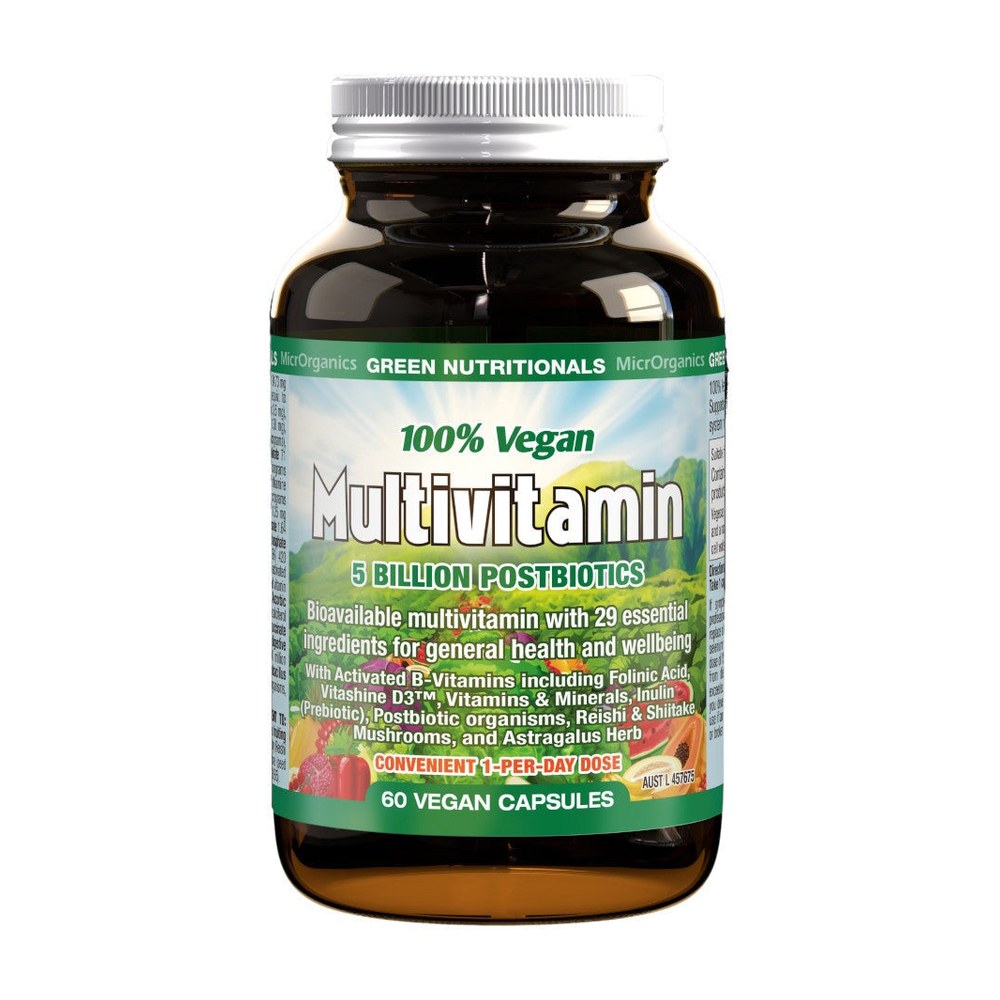

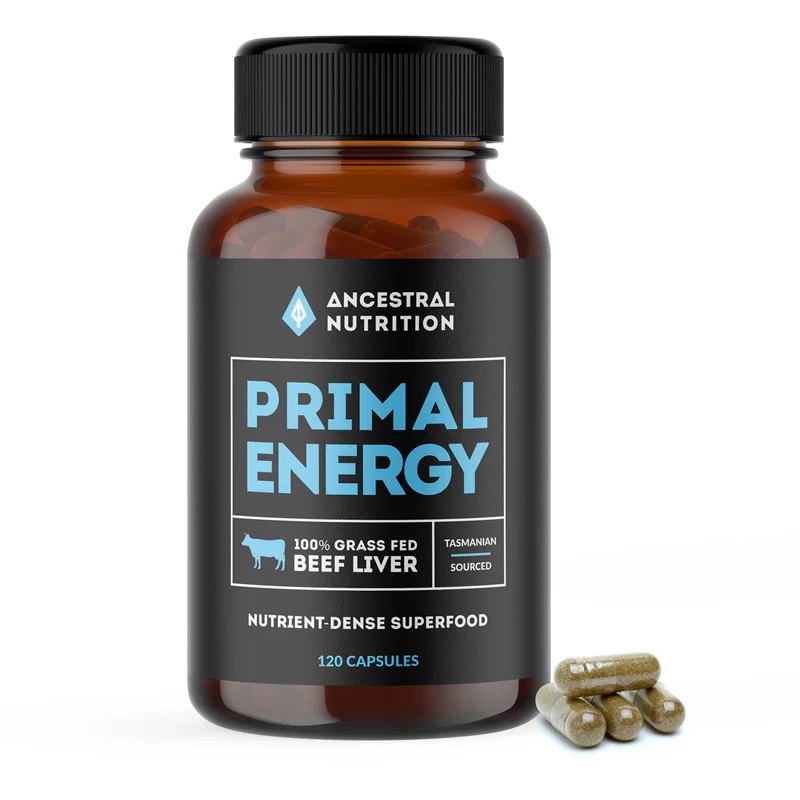
Browse the full range in Vitamins & Supplements. Not sure which form suits you? Call us on 02 9349 4689 or ask at the counter, and check with your GP or pharmacist if you take prescription medicines.