





The cortisol cocktail: what is in the viral drink, and what it can do for stress
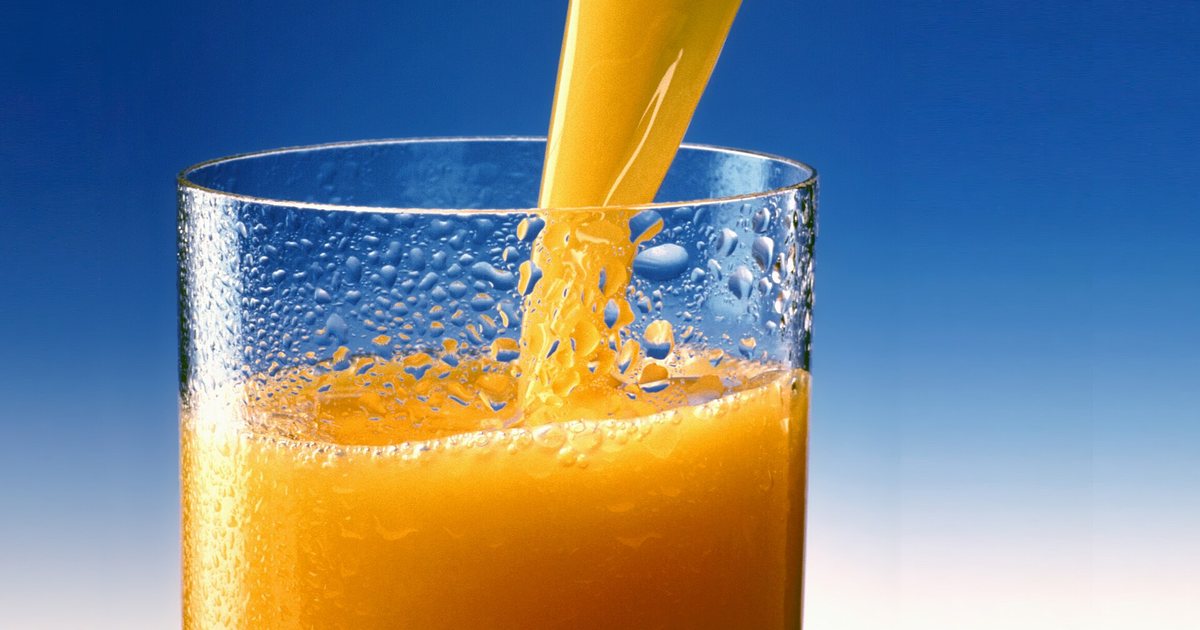
Scroll for long enough and you will meet the cortisol cocktail, also called the adrenal cocktail: orange juice, coconut water and a pinch of salt, sometimes with cream of tartar, stirred together mid morning or mid afternoon. Fans say it beats the slump, calms "high cortisol" and flattens a "cortisol belly". It has caught on for a reason. PwC's 2026 consumer survey found stress, fatigue and low energy were the biggest barriers Australians faced in reaching their health goals. So what does the drink do?
The usual recipe
- About half a cup (120 ml) of orange juice
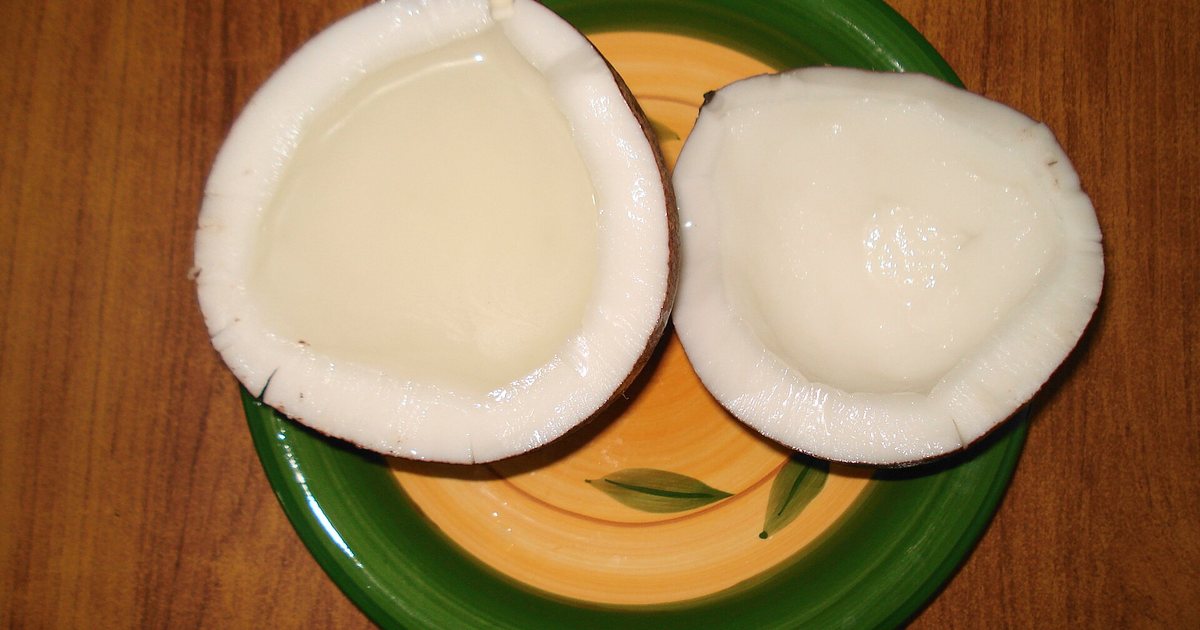
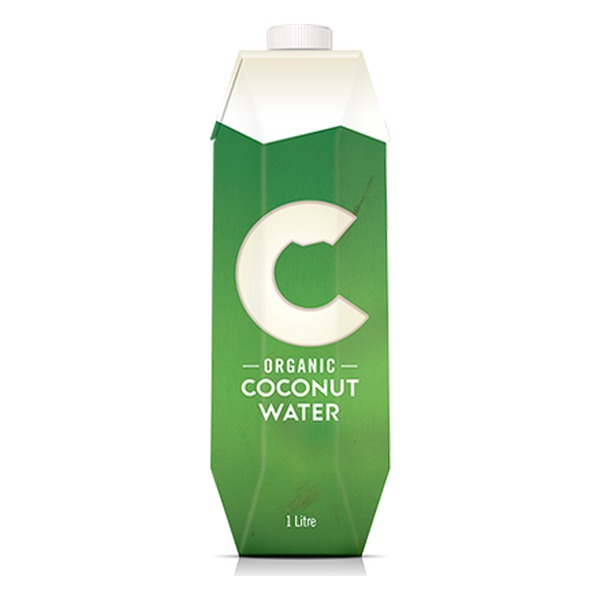
- About half a cup (120 ml) of coconut water
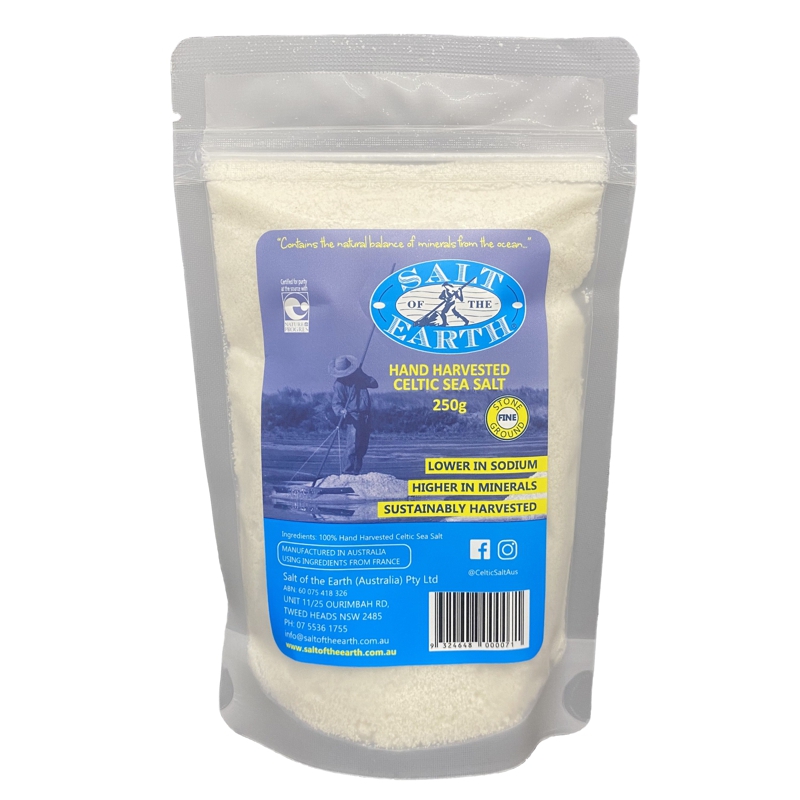
- A pinch, around 1/8 teaspoon, of sea salt
- Optional: 1/4 teaspoon of cream of tartar, which is mostly potassium
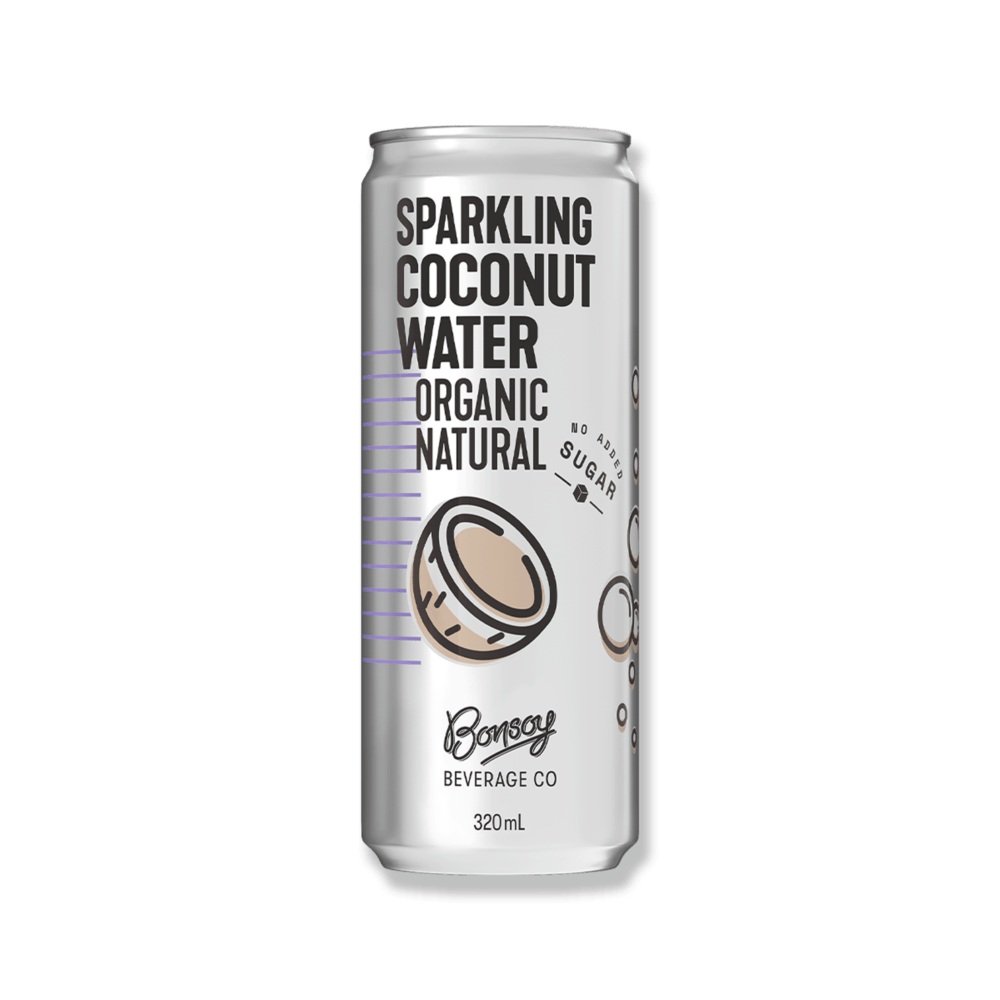
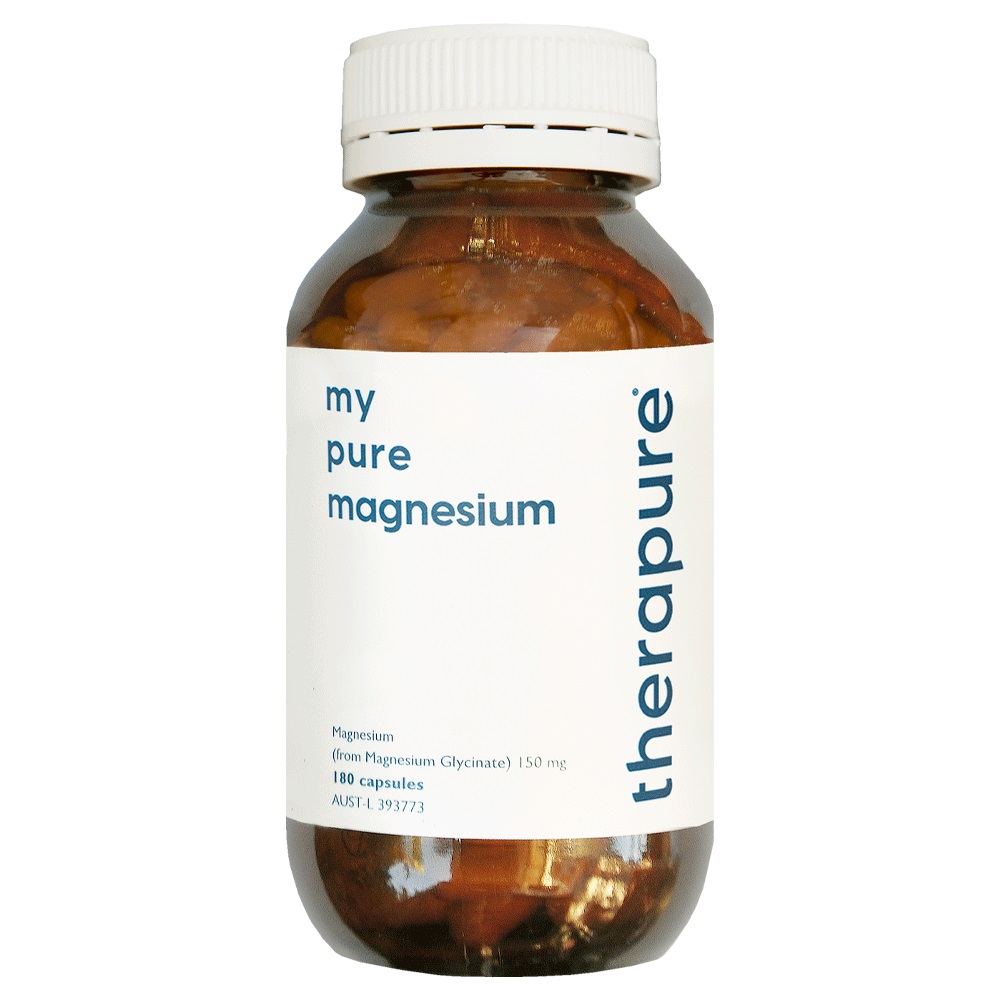
Some versions add collagen, magnesium powder or a splash of sparkling water.
What cortisol does
Cortisol is not a villain. It is a hormone your adrenal glands make every day. It peaks within an hour of waking to get you up and moving, falls through the day, and is lowest around midnight. It rises with stress, illness, hard exercise and poor sleep, then settles again. Problems come when stress is constant and sleep is short, and those deserve attention. The fix for that is rarely a drink.
"Adrenal fatigue" is not a diagnosis
The adrenal cocktail grew out of the idea that chronic stress wears out the adrenal glands. Endocrine specialists do not recognise "adrenal fatigue" as a medical condition, and studies have not found that healthy people under stress run out of cortisol. Real adrenal disorders, such as Addison's disease or Cushing's syndrome, are uncommon, serious and diagnosed with blood tests, and they are not treated with juice. Likewise, a "cortisol face" or belly on social media is usually ordinary fluid, sleep and weight changes.
What the drink gives you
Take away the hormone claims and you have a simple electrolyte drink with some natural sugar. The orange juice brings vitamin C, potassium and roughly two teaspoons of sugar. Coconut water adds more potassium, the salt adds sodium, and cream of tartar adds a lot more potassium. Dietitians who have looked at it tend to agree: no study shows it lowers cortisol, but it is a pleasant way to rehydrate.
That might be why people feel better. Mid afternoon slumps often come from being a bit dehydrated, having gone a long time without food, or having had too much coffee. A cold, salty, slightly sweet drink helps with the first two. On a hot Sydney day, or after a surf or a run, it is a reasonable choice. Our electrolytes guide explains when salts help.
Making it better
Juice on its own can spike and drop your blood sugar, which is the opposite of steady energy. Have the drink with some protein and fat, such as a handful of nuts, a boiled egg or yoghurt. Halving the juice and topping up with sparkling water cuts the sugar. Fresh orange segments instead of juice add fibre.
Go easy on the cream of tartar. A teaspoon contains about 500 mg of potassium. Too much potassium is dangerous for people with kidney disease and for those on some blood pressure and heart medicines, including ACE inhibitors and potassium sparing diuretics. If that is you, skip it and check with your GP. People with diabetes should count the juice as part of their carbohydrate.
Is it safe to have every day?
For most healthy adults, one glass a day is fine. It is still a sweetened drink, though, so think of it as a snack rather than as water. Half a cup of juice a day sits within the Australian guidelines for fruit, but several glasses add up, and sipping juice through the day is hard on your teeth. Rinse with water afterwards. If you are drinking it because you crash every afternoon, look at what comes before the crash: a light breakfast, a carb heavy lunch, too little water, or a short night. Fixing those does more than any drink. And if you simply like the taste, enjoy it for what it is: a cold, salty, refreshing drink on a hot day.
Kids and the cortisol cocktail
Children do not need it. Water and regular meals cover their needs, and juice and added salt are best kept small for young kids. After a big sports day in the heat, a little diluted juice with a salty snack does the same job.
What helps stress and cortisol
The approaches with real evidence are less exciting than a drink, but they work:
- Sleep. Regular hours and seven to nine hours a night do more for your stress response than anything else on this list. Our sleep guide has practical tips.
- Eat regularly, starting with a breakfast that has protein.
- Watch the caffeine, especially after midday.
- Move, ideally outdoors. A walk along the beach counts.
- Breathe slowly. A few minutes of slow breathing with long exhales calms the body quickly. Our nervous system guide shows how.
- Consider herbs and minerals as a supporting act. Our magnesium guide and adaptogens guide cover the main options.
If you are exhausted all the time despite sleeping well, see your GP. Low iron, thyroid problems, low B12, sleep apnoea and depression are all common and all treatable. Our low iron guide covers the first.
Cortisol cocktail makings and calm drinks on our shelves
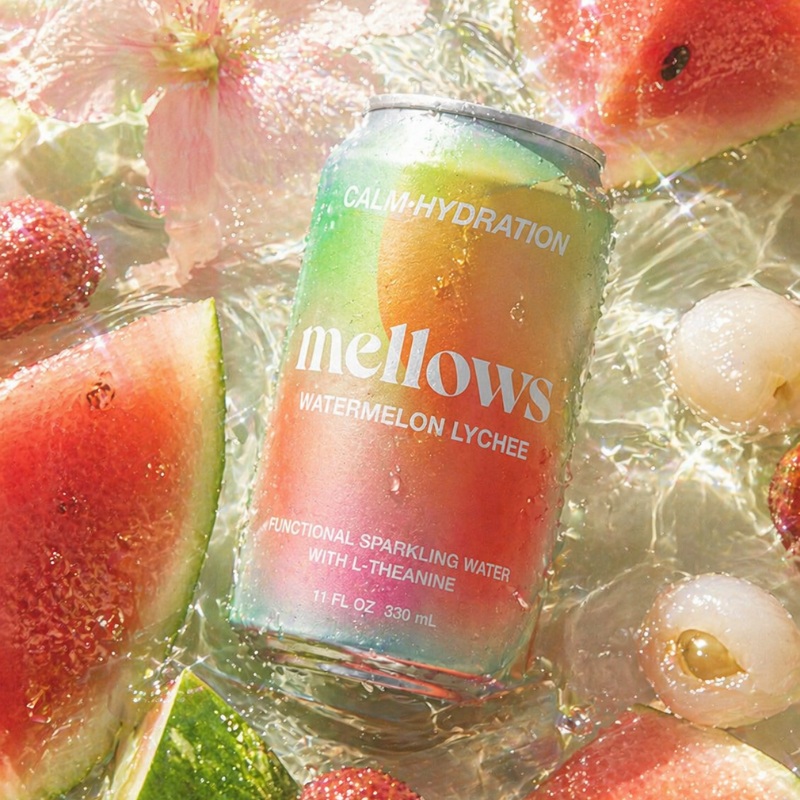
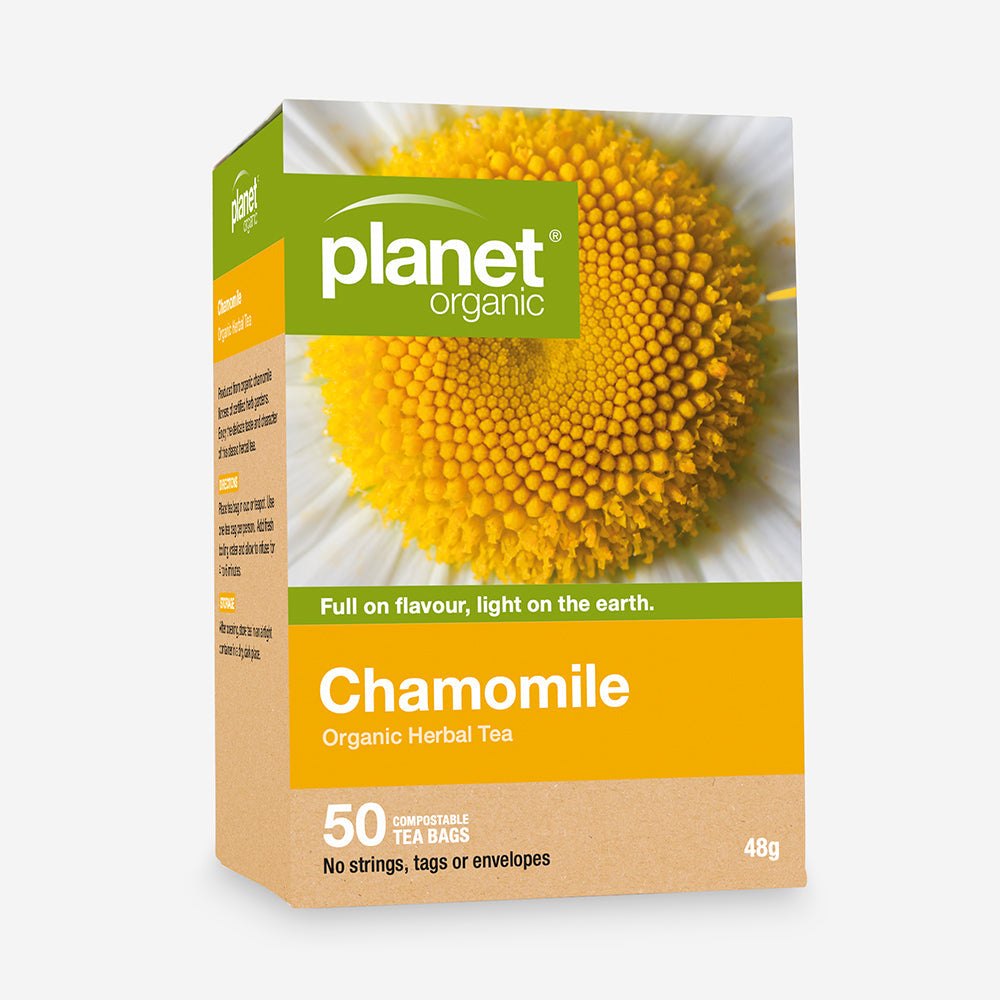
Find more in Drinks and Stress & Relaxation, or ask us in store.